Spiorad aird nam Murchan Pt 28 Creativity II Incubation

Spiorad Àird nam Murchan – Part 28
Creativity II – Incubation
An t‑Àm Dhìomhair: The Hidden Time of Becoming
Fo ùir na h‑inntinn, tha rudan a’ fàs gun fhuaim
(Beneath the soil of the mind, things grow without sound)


Between Sanna’s white sands and the dark basalt of Ardnamurchan Point,
ideas do not arrive all at once.
They gather slowly,
like tide around the rocks at Portuairk,
like wind threading the grasses above Camas nan Geall,
like light turning, almost unnoticed, across the Sound of Mull.
In that quiet passing of days,
the land works beneath thought,
shaping something unnamed,
until, long after we have left,
it begins to return to us,
There are ideas that do not arrive in light,
but in the slow dark where roots take hold.
Where wind, stone, tide and memory
speak long before we learn to listen.
In that unseen time,
between the step taken and the path understood,
the land works quietly within us,
until something, at last, begins to surface.
Introduction
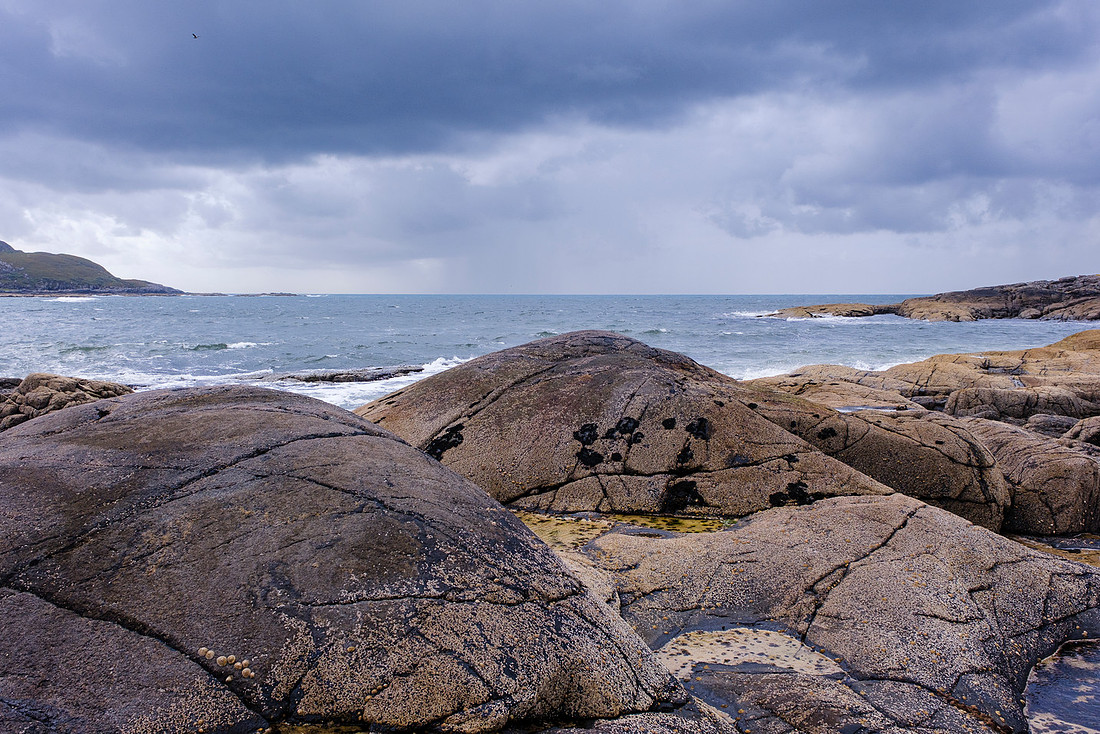
In the previous essay, I began a new exploration of creativity as a living, cyclical process, one that unfolds not as a straight line, but as a series of tides. I introduced five stages that shape my own practice: Spark, Incubation, Illumination, Realisation, and Reflection. Part 27 lingered at the threshold of Spark, the initial ignition, the subtle stirring of possibility. But as with all meaningful creative work, the spark alone is not enough.
Between the first flicker and the fully realised form lies a quieter, often overlooked stage: incubation.
In psychological terms, incubation is understood as a period during which conscious effort is paused and the mind continues to process a problem or idea unconsciously. It is commonly associated with the model of creativity proposed by Graham Wallas, who identified incubation as one of the core stages through which ideas are formed and refined. During this phase, the mind reorganises information, forms new associations, and allows insight to emerge, often unexpectedly, after a period of distance. [en.wikipedia.org], [fiveable.me] [frontiersin.org]
But for me, incubation is not merely a cognitive mechanism. It is not simply something that happens “in the mind.”
It is something that happens in place.
And for nearly a decade, that place has been Ardnamurchan.
Here, incubation has taken on a deeper, more embodied meaning: it is walking without expectation; it is returning to the same stretch of coastline in different seasons; it is allowing the land, its geology, its light, its weather, its silences, to seep slowly into my awareness until something begins to stir, often long after I have left.
In Ardnamurchan, incubation is not inactivity. It is a form of listening.
The Role of Incubation in the Creative Process
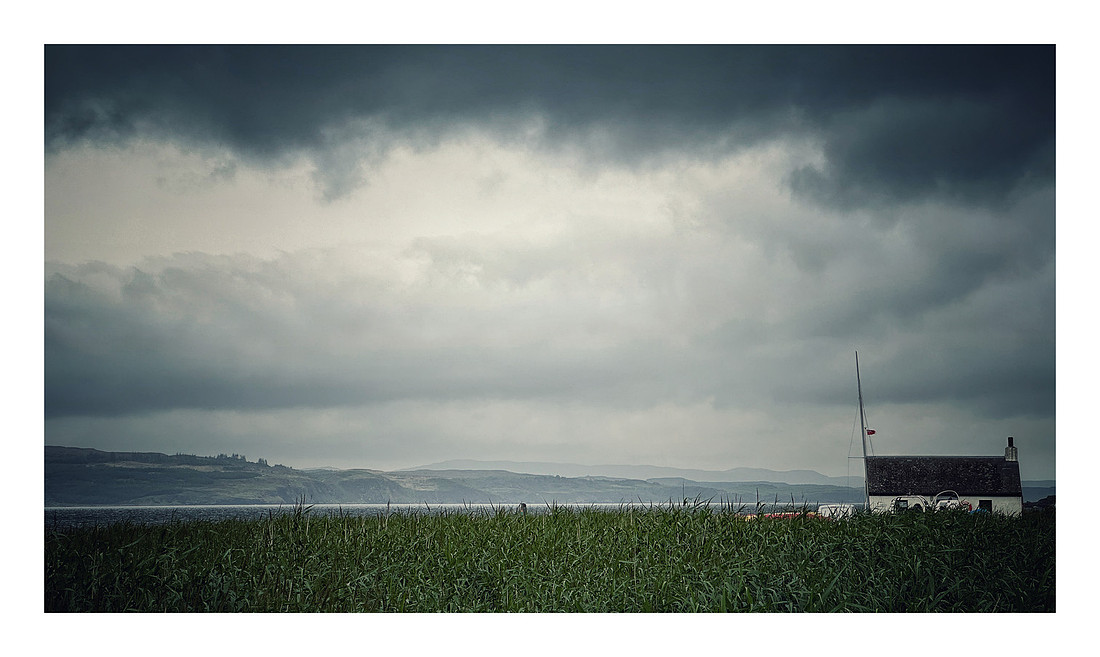
At its simplest, incubation occurs when we step away from a problem or idea after an initial period of engagement. We pause deliberate effort, allowing unconscious processes to continue working beneath the surface. This distance helps dissolve cognitive fixation, the tendency to become trapped in unproductive ways of thinking, and allows new connections to emerge. [db.arabpsy...hology.com] [db.arabpsy...hology.com]
Research consistently shows that such breaks can improve creative problem-solving, increasing the likelihood of insight and novel ideas. The mind, freed from the constraints of focused attention, becomes more fluid, more associative. [en.wikipedia.org]
But what does this mean in practice?
It means stepping away.
It means waiting.
It means trusting that something is still happening, even when nothing appears to be.
In a culture that often prioritises productivity, this can feel counterintuitive. We are conditioned to believe that creative progress must be visible, measurable, constant. Yet incubation reminds us that some of the most important work happens in absence, in pauses, in quiet intervals, in the spaces between action.
For me, Ardnamurchan has taught this lesson repeatedly.
This is a landscape shaped by immense geological time, a peninsula formed through volcanic processes millions of years ago, layered by tectonic shifts and glacial movement. To work here is to be placed within a continuum where time stretches far beyond human urgency.
In such a place, the need to rush dissolves.
Incubation becomes not a deliberate strategy, but an inevitable consequence of being present to complexity. The land does not reveal itself quickly. It requires time, time to observe, to revisit, to notice changes across weather systems, tides, and seasons.
And in giving that time, something shifts internally.
The subconscious, what we might call the deeper layers of perception, begins to form its own understanding. Not through analysis, but through accumulation.
Incubation, Experience, and Learning to Feel a Place
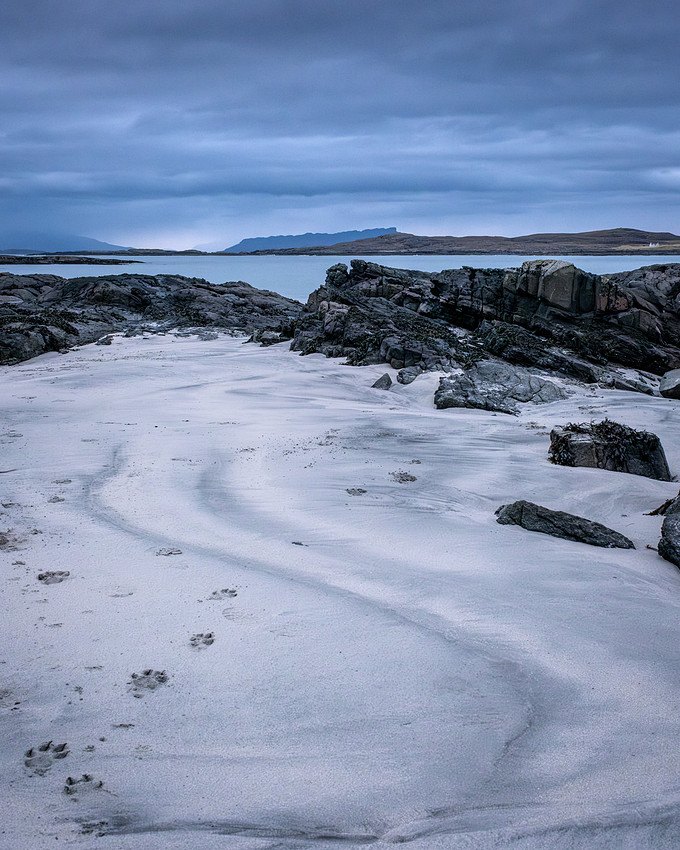
To understand incubation in the context of place, it is helpful to turn to the work of Yi‑Fu Tuan, whose Space and Place: The Perspective of Experience remains foundational to how we think about human relationships with landscape.
Tuan writes:
“To experience is to learn; it means acting on the given and creating out of the given.”
This statement resonates deeply with the incubation phase.
If experience is a form of learning, then incubation might be understood as the period during which that learning settles, when experience is absorbed, internalised, and transformed into something meaningful.
In my own practice, this has often meant resisting the urge to respond immediately. To photograph too quickly. To define the place before I have truly encountered it.
Instead, I return. Again and again.
I walk the same paths. I sit in the same locations. I listen.
Over time, a different kind of understanding begins to emerge, not intellectual, but felt. A sense of how a place moves, how it breathes, how it changes.
This is where incubation becomes inseparable from experience. It is not simply about leaving an idea behind and returning later; it is about allowing the place itself to work upon you.
Tuan’s notion of “acting on the given” suggests that creativity begins with what is already present, the material, the landscape, the conditions we encounter. But before we can act meaningfully, we must first learn how to receive.
And that requires time.
The second part of his statement, “creating out of the given”, points toward what comes next. That transformation, however, belongs to later stages in the creative process. For now, within incubation, we remain in a state of becoming.
Incubation and Being Present: Experiencing the Rhythms of Place
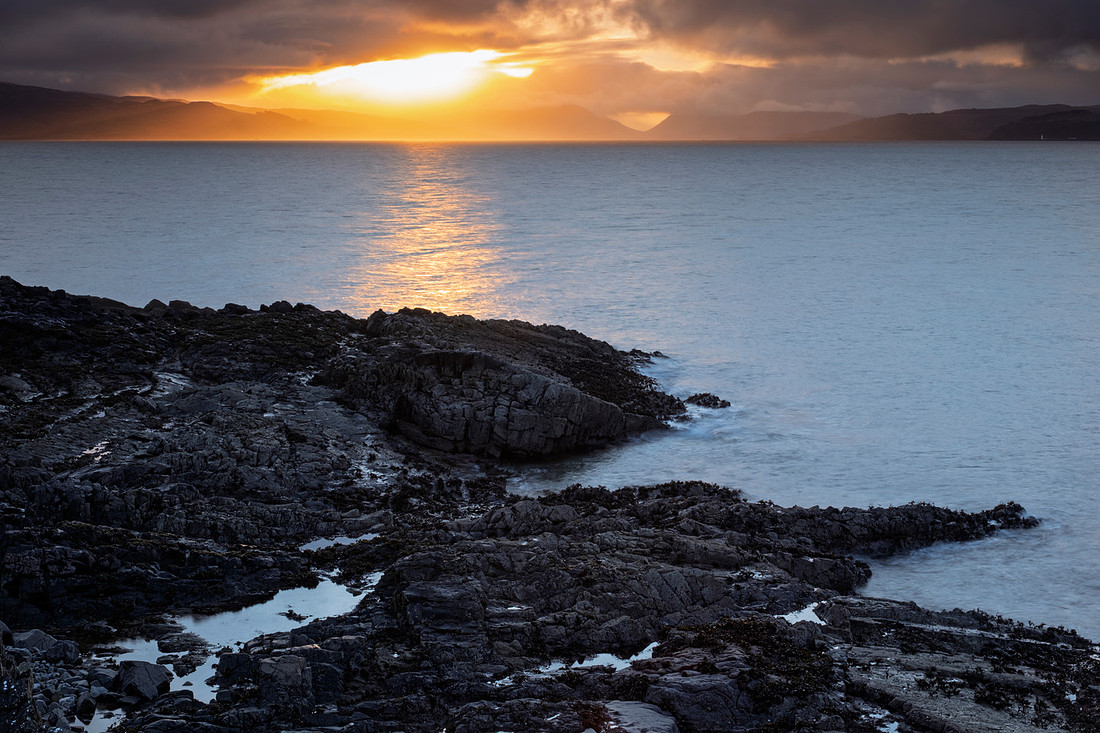
If incubation is about allowing understanding to unfold, then presence becomes essential.
In many ways, incubation mirrors contemporary ideas of mindfulness: a state of attentive awareness grounded in the present moment. Research suggests that mindfulness enhances creativity by improving cognitive flexibility and enabling individuals to engage more fully with their environment. [psychologytoday.com]
But in the context of landscape, presence is not abstract, it is sensory.
It is feeling the wind shift direction.
It is noticing the subtle change in light as cloud passes over sea.
It is recognising the rhythm of tides, the cadence of weather patterns, the slow turning of seasons.
In Ardnamurchan, these rhythms exist across multiple scales.
There are micro-rhythms: the pulse of waves, the flicker of light on water, the movement of grasses in wind.
And there are longer rhythms: the cycle of weeks, months, years. The way a familiar location transforms under winter light or summer haze.
To engage with these rhythms requires immersion.
It requires returning without expectation.
It requires letting go of the need to produce.
Through this process, perception itself begins to shift. The landscape is no longer something observed externally; it becomes something lived, experienced, internalised.
And over time, this accumulated experience begins to shape creative response, often subconsciously.
The photograph, when it eventually comes, is not simply a record of a moment. It is an expression of all that has been absorbed during incubation: the unseen, the unfelt, the remembered.

Gaelic Toponymy and Experience
Language offers another pathway into understanding incubation, particularly in the context of Gaelic place names.
Across Scotland, Gaelic toponymy provides precise and often descriptive insights into how landscapes were historically experienced. Words embedded within place names reflect physical characteristics, cultural uses, and lived relationships with environment. Common elements such as beinn (mountain), gleann (narrow valley), inbhir (river mouth), and cill (church) reveal how people understood and navigated the land. [venturehighland.com]
These names are not arbitrary. They encode experience.
They speak of observation, of use, of intimacy with place.
In Ardnamurchan, this becomes particularly resonant. The name itself, Àird nam Murchan, refers to the “point/headland of the great seas,” situating the peninsula in relation to its surrounding waters. Features such as Camas nan Geall (bay of the pledges) or Sanna (often linked to sandy or fertile ground) further reveal how the landscape was encountered and understood over generations.
Gaelic place naming is, in essence, an act of long-term incubation. It reflects repeated engagement, accumulated knowledge, and the gradual shaping of language in response to lived experience.
To engage with these names is to step into a continuum of perception.
It reminds us that our own encounters with place are part of something larger, that understanding does not emerge instantly, but through time, attention, and repetition.
And in this way, language itself becomes an extension of the incubation process.
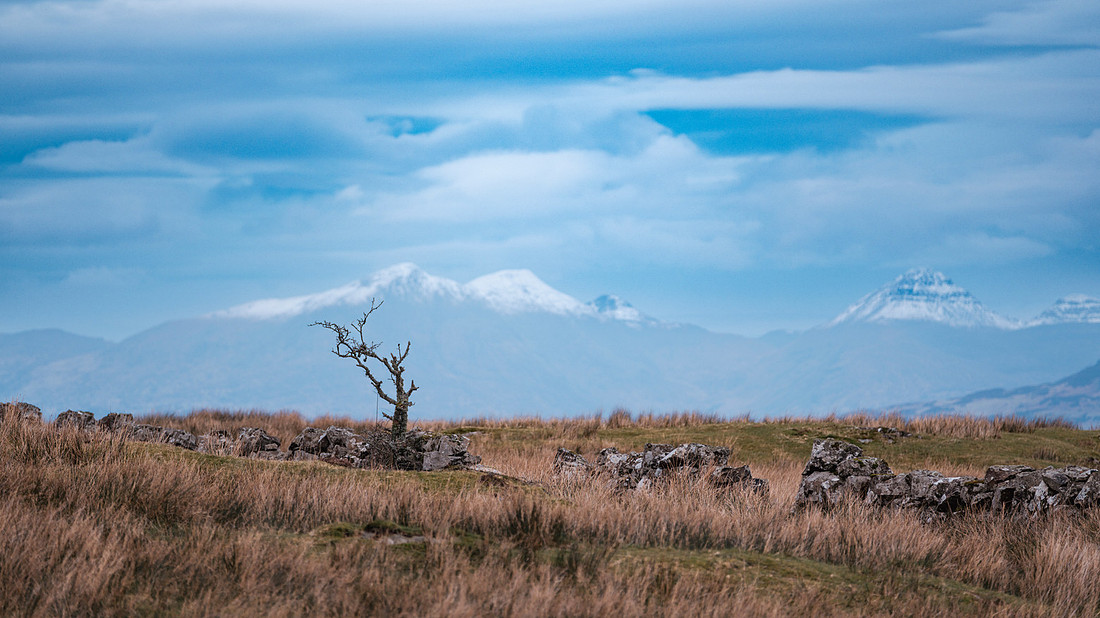
Creative Incubation and the Continuum of Place
One of the greatest gifts of long-term work in a single location is the opportunity to remain within this process of incubation over extended periods.
In a world that often prioritises novelty, new places, new subjects, new experiences, there is something quietly radical about returning to the same landscape again and again.
Through repetition, familiarity deepens.
Through time, nuance emerges.
What initially appears obvious begins to dissolve, revealing subtler layers: the particular quality of light in a specific valley; the way wind moves differently along one stretch of coastline; the traces of human presence woven into the land.
This is where incubation becomes cumulative.
Each visit adds another layer of experience, another set of impressions stored beneath the surface. Over time, these layers coalesce into a richer, more complex understanding, one that cannot be accessed through brief encounters.
Importantly, this understanding extends beyond the physical landscape.
It includes people.
Communities.
Histories.
Stories shared and remembered.
The longer one remains in a place, the more these human elements become intertwined with perception. The landscape is no longer just geology or weather; it becomes a tapestry of lived experience.
And it is this depth, this accumulation of time, presence, and connection, that begins to inform creative response in profound ways.
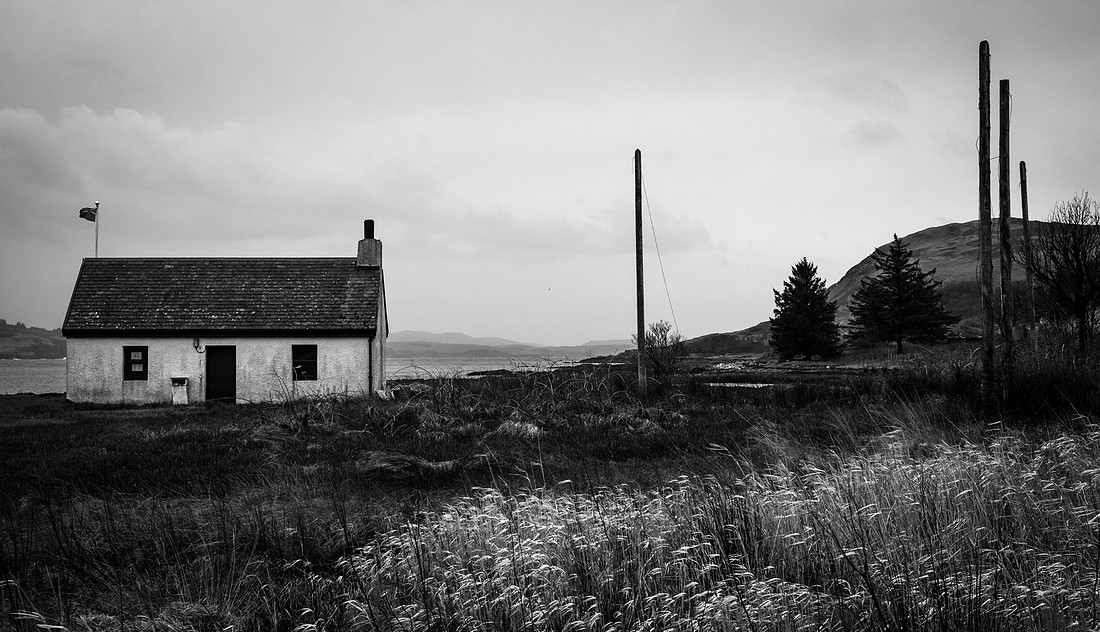
Creative Incubation in Practice
So how do we cultivate incubation intentionally?
For me, the answer lies in practice, simple, repeated actions that create space for experience to unfold.
Walking
Walking is perhaps the most fundamental of these. It is slow enough to notice, fluid enough to allow thoughts to drift. It opens the body to the landscape and creates space for the mind to wander, conditions that research suggests can support incubation and creative insight. [pmc.ncbi.nlm.nih.gov]
Sitting and Stillness
Equally important is stopping. Finding a place to sit. Closing the eyes. Listening.
In these moments, the landscape shifts from something seen to something felt. Sound, temperature, movement, these become primary. The sense of place deepens.
Listening and Sound
Through field recording and attentive listening, I begin to understand place in temporal terms. Sound reveals rhythm, patterns that might otherwise go unnoticed.
Writing and Note-Taking
Words often emerge before images. Fragments, observations, questions. These act as anchors, holding onto fleeting impressions that may later find form.
Sketching and Noticing
Even simple sketches can slow the act of seeing, encouraging deeper observation.
Found Objects
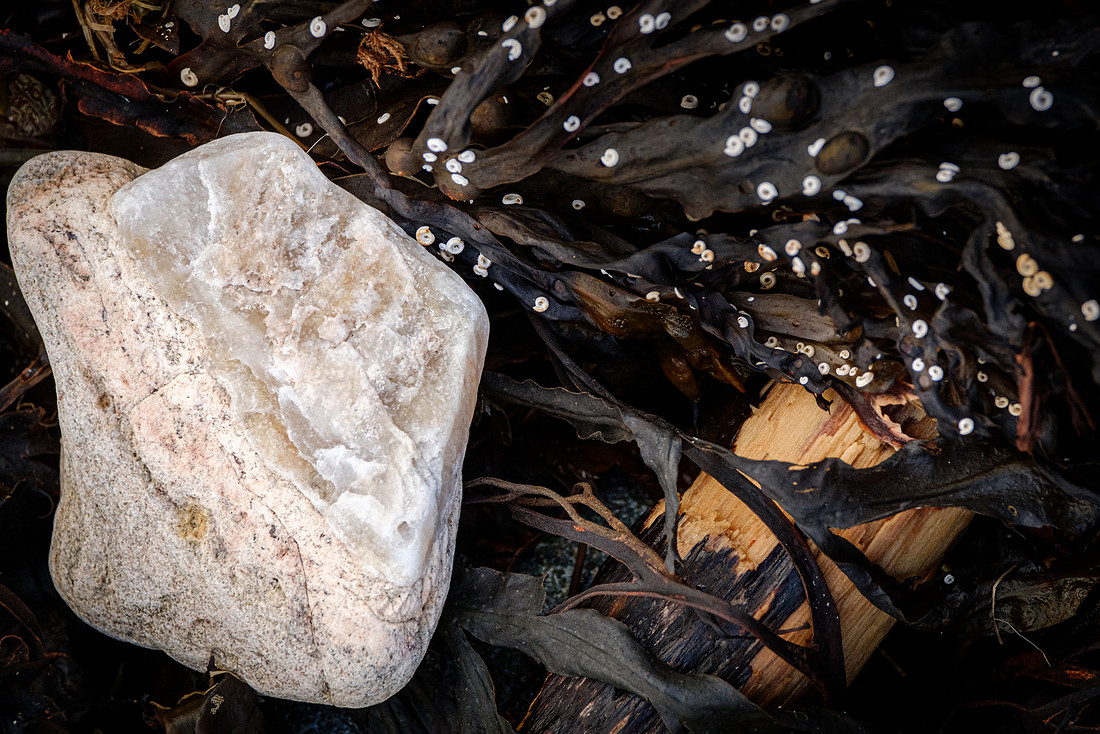
A stone, a fragment of rope, a piece of driftwood, small tokens that carry the memory of a place. They become tactile points of connection.
Across all of these practices, there is a common thread: the absence of urgency.
I am not there to produce.
I am there to receive.
And in doing so, I acknowledge something fundamental: Ardnamurchan existed long before I arrived, and it will remain long after I am gone.
My role is not to capture it quickly, but to listen long enough that something meaningful can emerge.
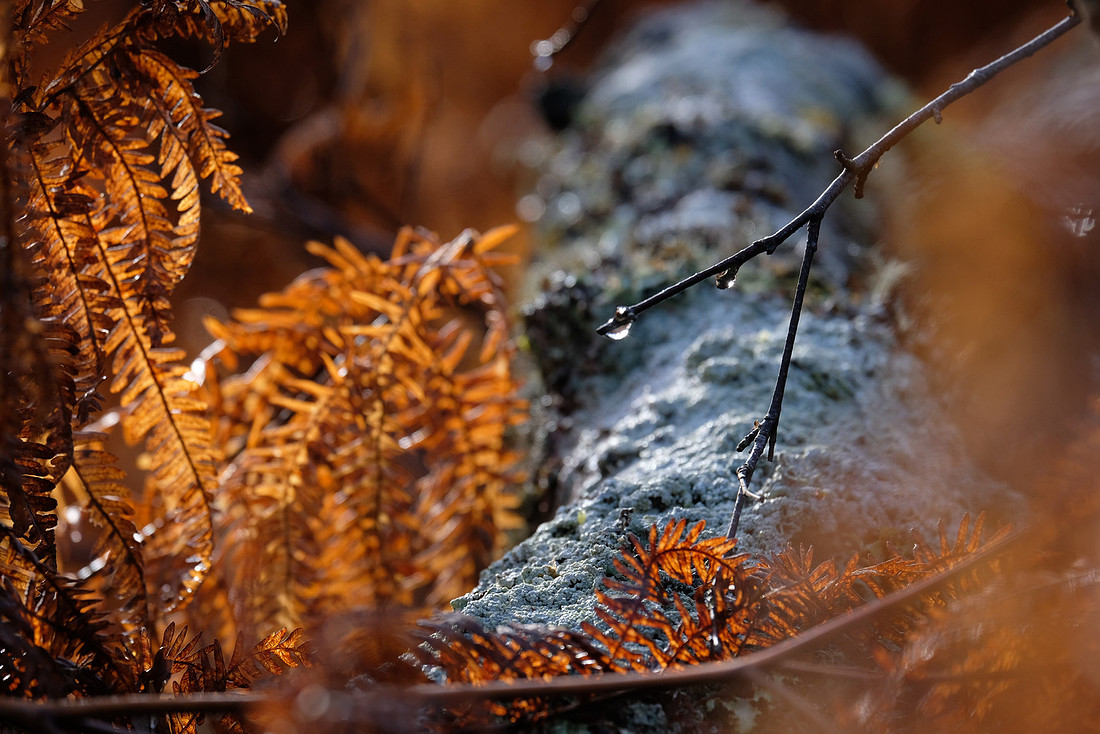
Conclusion and Reflection
Incubation, then, is not a gap in the creative process.
It is its quiet centre.
It is where experience settles, where understanding forms, where connection deepens beyond the surface.
In the context of Ardnamurchan, incubation has become central to how I work. Nearly a decade has passed, and still I feel no urgency to conclude this project. There is no endpoint waiting on the horizon, only continued cycles of engagement, reflection, and response.
Each new spark will require its own period of incubation.
Each idea must be allowed to breathe.
And perhaps that is the most important lesson: that creativity is not something to be rushed. It unfolds in its own time, shaped by patience, presence, and the willingness to wait.
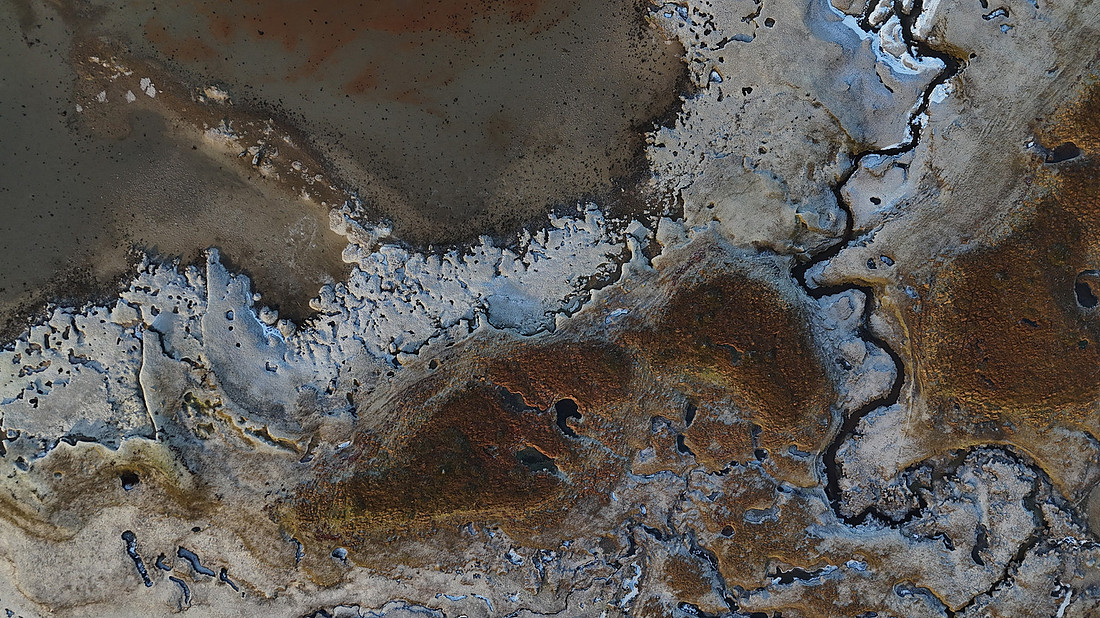
Over to You, the Reader
- Where in your own creative process do you allow space for ideas to rest, evolve, and quietly transform?
- How deeply have you experienced the places you work in, and what might change if you returned to them over time?
- What would happen if you allowed yourself to create not from urgency, but from immersion, patience, and presence?
Ardnamurchan Creative Retreat
If this way of working resonates with you, if you feel drawn to the slower unfolding of ideas, to the act of returning, of listening, of allowing something to take shape over time, then there is also an opportunity to experience this way of being more directly.
Throughout the year, I lead small, immersive creative retreats in Ardnamurchan. These are not about teaching a fixed method or producing work on demand. They are about creating the space to slow down, to encounter the landscape more deeply, and to begin developing your own creative process in response to it.
We walk, we observe, we listen.
We work with light, sound, and gesture.
We spend time both outdoors and in quiet reflection, exploring how ideas begin, how they form, and how they might eventually emerge.
The retreat is as much about experience as it is about making.
It is an opportunity to step out of urgency, to reconnect with place, and to explore your own creative pathway, whatever form that may take.
If you have enjoyed this essay, and are curious about where your own creative journey could lead, you are very welcome to join us.
Find out more here: https://www.rkphotographic.com/ardnamurchan-creative-retreat
Bibliography
Ainmean‑Àite na h‑Alba (2026) About Ainmean‑Àite na h‑Alba. Available at: https://www.ainmean-aite.scot/about-ainmean-aite-na-h-alba/ (Accessed: 11 May 2026).
Fredericks, A.D. (2026) Mindfulness and Creativity. Psychology Today.
Gilhooly, K.J. (2016) Incubation and Intuition in Creative Problem Solving. Frontiers in Psychology.
Gilhooly, K.J. (2019) Incubation in Problem Solving and Creativity, Unconscious Processes. Routledge.
Ritter, S.M. and Dijksterhuis, A. (2014) Creativity, the unconscious foundations of the incubation period. Frontiers in Human Neuroscience.
Teng, S.-C. and Lien, Y.-W. (2022) Mind wandering and the incubation effect of creativity. PLOS ONE.
Tuan, Y.-F. (1977) Space and Place, The Perspective of Experience. Minneapolis, University of Minnesota Press.
Venture Highland (2026) Scottish Gaelic Place Names.
Wallas, G. (1926) The Art of Thought. London, Jonathan Cape.
Further Reading
Cloke, P. and Jones, O. (2001) Dwelling, place and landscape: an orchard in Somerset. Environment and Planning A.
Emeleus, C.H. and Gyopari, M.C. (1992) British Tertiary Volcanic Province. Peterborough: Joint Nature Conservation Committee.
Henderson, A. (1915) Ardnamurchan Place-Names. The Celtic Review, 10(38), pp. 149–168.
Ingold, T. (1993) The temporality of the landscape. World Archaeology, 25(2), pp. 152–174.
Ingold, T. (2000) The Perception of the Environment: Essays on Livelihood, Dwelling and Skill. London: Routledge.
Pentecost, L.A. (2021) Gaelic and ancient language on Ardnamurchan and Rùm. Available at: https://www.omniglot.com/language/articles/ardnamurchan.htm (Accessed: 17 May 2026).
Richey, J.E. and Thomas, H.H. (1930) The Geology of Ardnamurchan. Edinburgh: British Geological Survey.
Robertson, C.M. (pre‑1928) List of Gaelic place-names in Argyll: Morvern and Ardnamurchan, and Strontian district. National Library of Scotland Manuscripts.
University of Leicester (n.d.) Ardnamurchan Transitions Project. Available at: https://le.ac.uk/archaeology/research/people-and-places/ardnamurchan-transitions (Accessed: 14 May 2026).
Wild About Ardnamurchan (n.d.) History and historical sites. Available at: https://www.wildardnamurchan.com/history (Accessed: 7 May 2026).
Wild About Ardnamurchan (n.d.) History and geology. Available at: https://www.wildardnamurchan.com/history-and-geology (Accessed: 7 May 2026).