Spiorad Àird nam Murchan Pt 27 - Creativity I Spark

Spiorad Àird nam Murchan – Part 27
Ardnamurchan & Creativity I – Spark

1. Introduction – Lighting the Sequence
Creativity is often spoken of as something sudden: a flash, a moment of inspiration, a clear idea arriving as if from elsewhere. This language does not do justice to the lived reality of creative work. Creativity, in practice, is rarely instantaneous. It builds, recedes, hides, returns. It moves more like weather than lightning.
This essay opens a new five‑part sequence within Spiorad Àird nam Murchan, exploring the creative process as a cycle rather than a momentary event: Spark, Incubation, Illumination, Evaluation, and Flow. These stages are not treated here as steps to be followed, but as recurring states that shape creative life over time. Ardnamurchan is not simply the setting for this exploration; it is the ground from which it grows.
One of the earliest formal attempts to describe the creative process was made by Graham Wallas in The Art of Thought (1926). Wallas proposed four stages; preparation, incubation, illumination, and verification, recognising that creativity alternates between conscious effort and unconscious processing. Crucially, Wallas acknowledged that these stages are not strictly linear, and that creative insight often arises away from the desk, during walking, rest, or distraction.
Later thinkers developed and nuanced this understanding. Contemporary creativity research emphasises cyclical movement, return, and overlap. Sir Ken Robinson argued powerfully that creativity is not a rare talent possessed by a few, but a fundamental human capacity: “the process of having original ideas that have value.” Creativity, in his view, requires time, permission to fail, and environments that support curiosity rather than suppress it.
What these ideas share is an acknowledgement that creativity does not emerge in abstraction. It arises in context, shaped by landscape, language, culture, memory, and lived experience.
For me, that context has been Ardnamurchan.
Nearly a decade of travelling, staying, returning, listening, and being shaped by this peninsula has revealed it not simply as a place I work in, but as the place that sparked my creative life. Recent absence, brought about through illness and distance, sharpened this understanding. Longing clarified what familiarity once obscured. Ardnamurchan is not just inspiration; it is ignition.
This essay begins at that spark.
2. Spark – Why Ardnamurchan Was the Beginning
The spark that begins a creative life is rarely dramatic. More often, it arrives quietly, unnoticed at the time, only recognised retrospectively when patterns begin to surface. Looking back over my work, it is clear that Ardnamurchan marked a turning point. Not because it offered exceptional drama or spectacle, but because it altered how I related to landscape, time, and creative practice itself.
Early encounters with Ardnamurchan were marked by slowness. Roads narrowed, weather intervened, distances stretched unexpectedly. Progress, physical and creative, was never straightforward. Plans were routinely undone. In place of efficiency, the peninsula demanded attention. In place of certainty, patience.
Over time, something shifted. Returning became less about outcomes and more about presence. Walking became a form of thinking. Standing still became productive. I began to notice that the most meaningful moments were not those captured in photographs or notes, but those that quietly accumulated beneath awareness.
This is how Ardnamurchan sparked my creative passion: not by offering subjects, but by offering conditions. It allowed, and insisted upon, a way of working that valued listening over asserting, immersion over extraction.
The spark, in this sense, was not novelty. It was recognition. A sense that creativity could be slow, relational, and responsive rather than driven by output.
3. Spark & the Fire That Burns – Immersion and the Creative Process
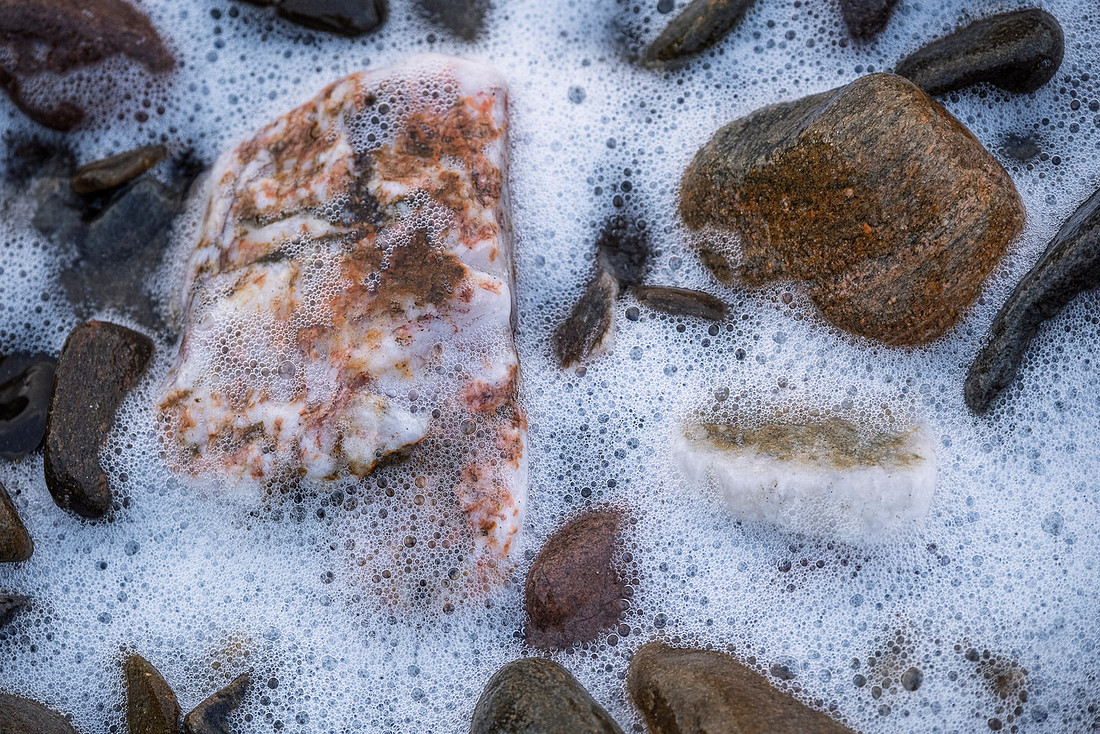
If the spark initiates creativity, immersion is what allows it to endure. In Ardnamurchan, immersion is unavoidable. The landscape does not permit cursory engagement. Weather interrupts. Distances expand. Silence asserts itself.
In Wallas’s model, incubation describes the stage in which conscious effort gives way to subconscious processing. Ardnamurchan offers a lived version of this state. Creative ideas do not announce themselves while working hard; they surface during long walks, repeated visits, and moments of quiet attention.
Modern creativity research reinforces this understanding. Insight often arises not through effort alone, but through withdrawal from effort. Neuroscience points to the value of diffuse attention, a mode of awareness in which connections form without conscious direction. Ardnamurchan encourages precisely this state. With limited signal, minimal distraction, and an expansive sense of time, the mind is allowed to wander, associate, and settle.
The fire that burns here is not dramatic or consuming. It is steady. Sustained. It is kept alive through return, revisiting the same places across seasons, observing the same headlands under different light, allowing familiarity to deepen rather than dull perception.
Over time, this creates an internal hearth: a reliable source of creative energy that does not flare frequently, but rarely goes out.
4. Spark & Fire in Place – Gaelic Toponymy, Fuel, and Geological Memory
Fire in Ardnamurchan is not always obvious, but it is deeply embedded, linguistically, culturally, and geologically.
Gaelic place‑names reflect lived relationships with land. They speak of use, labour, sustenance, and process rather than abstraction. In Ardnamurchan, references to fire most often relate to fuel and transformation, rather than spectacle.
Achateny, from Achadh an Teine, field of the fire, is one of the clearest examples. The name does not suggest wildfire or drama, but controlled, purposeful flame: hearth, kiln, and agricultural work. Fire here is practical, communal, and essential.
Nearby, Achnaha, Achadh na h‑Àtha, field of the kiln, refers to a corn‑drying kiln (àth), a vital structure in pre‑modern Highland life. Grain was dried using carefully regulated heat, enabling storage and survival. The kiln represents fire as transformation, neither destructive nor ornamental, but life‑sustaining.
Tornamona, Tor na Mòine, hill of the peat, points to another essential relationship with fire. Peat was not merely fuel; it structured seasonal rhythms of cutting, drying, stacking, and burning. The word mòine holds labour, patience, and inheritance. Fire here is slow and earned.
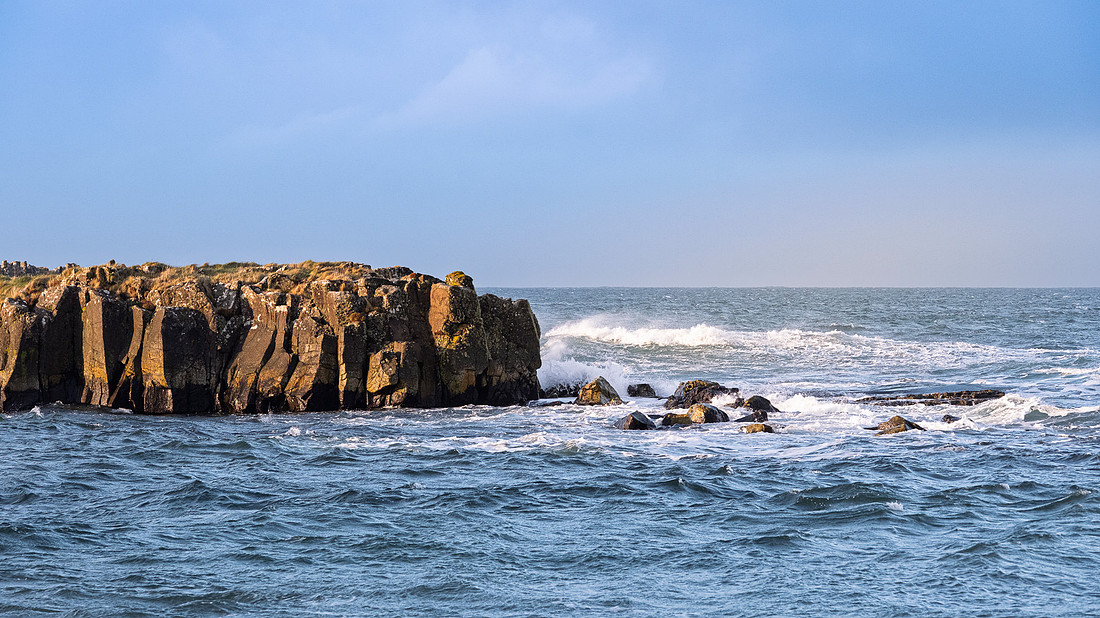
Beyond language, Ardnamurchan’s volcanic geology provides a deeper register of fire. The peninsula sits upon the remains of a vast igneous complex formed around sixty million years ago. Basalt and gabbro record intense heat now cooled and stilled. Fire exists here as memory, contained within stone.
Few place‑names translate directly to “fire” in a dramatic sense, but many reflect a landscape shaped by ancient combustion, dark rock, shattered form, and raw contours. Fire in Ardnamurchan is present as potential, residue, and history, much like creativity itself once it matures.
Even names such as Portuairk (Port Uairce / Suairce), whose etymology is debated, remind us that interpretation must be careful and grounded. Where meaning is uncertain, it is better to listen than impose.
Taken together, these names describe a landscape where fire is domesticated, shared, and remembered. Creativity mirrors this pattern. It is not constant blaze, but sustained heat.
5. The Creative Spark in Gaelic Culture and Language
In Gaelic culture, creativity has always been relational. Story, song, and poetry developed through oral transmission, shaped by place and audience. The seanchaidh did not invent stories outright; they carried, adapted, and renewed them.
This tradition emphasises continuity through variation. Creativity was never divorced from responsibility, to language, to landscape, to community. Innovation existed, but within a shared framework of memory and meaning.
Modern Gaelic creativity continues this lineage. Film, music, poetry, and digital media all contribute to keeping the language alive not as heritage alone, but as a living tool for contemporary expression. Creativity here is not preservation through stasis, but preservation through use.
For my own practice, engaging with Gaelic has reinforced a sense of attentiveness, to naming, rhythm, cadence, and restraint. Language here does not dominate landscape; it responds to it.
6. Spark and Fire in Ardnamurchan Communities
Creativity in Ardnamurchan is perhaps most visible in community action.
Projects such as the Ardnamurchan Lighthouse Trust, the community‑owned Kilchoan shop and fuel project, and the Ardnamurchan Trust’s youth cask initiative demonstrate creativity as applied imagination. These initiatives arise from necessity rather than ambition, and follow a familiar creative cycle: recognition of a problem, incubation of ideas, collective evaluation, and sustained effort.
This form of creativity is not decorative. It is infrastructure. It keeps places alive.
For a creative practitioner, this provides a powerful reminder: creativity is not indulgence. It is how communities adapt, survive, and remain rooted.
7. Creative Spark and Slowing into Immersion
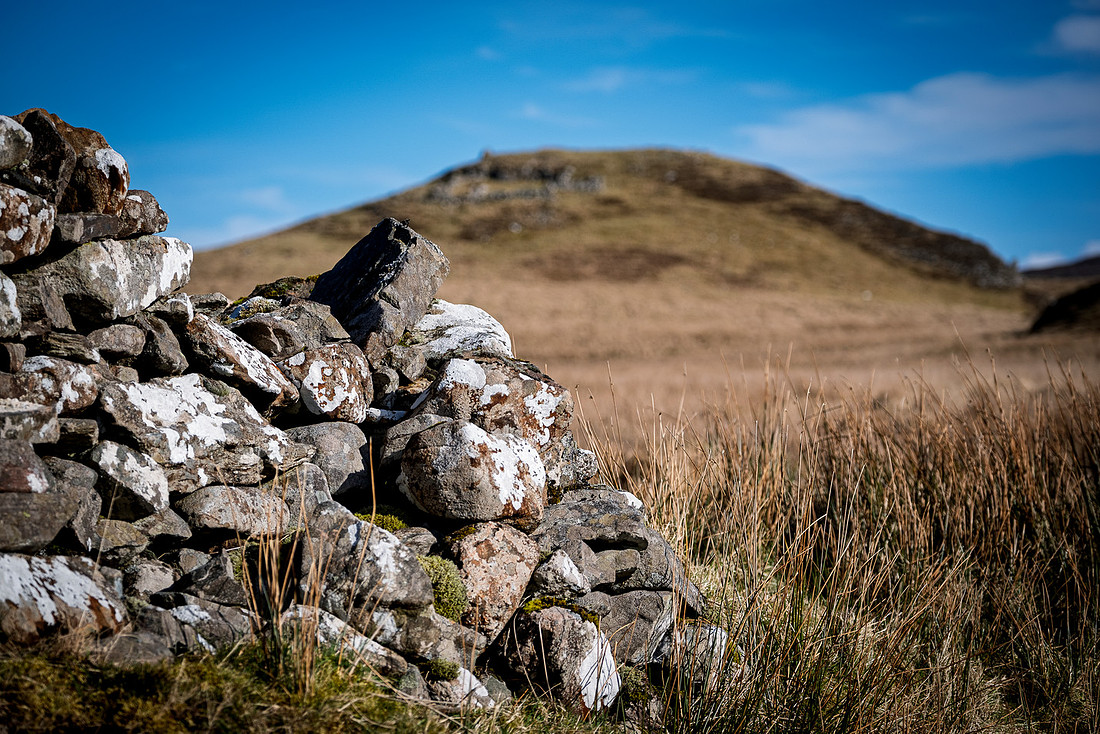
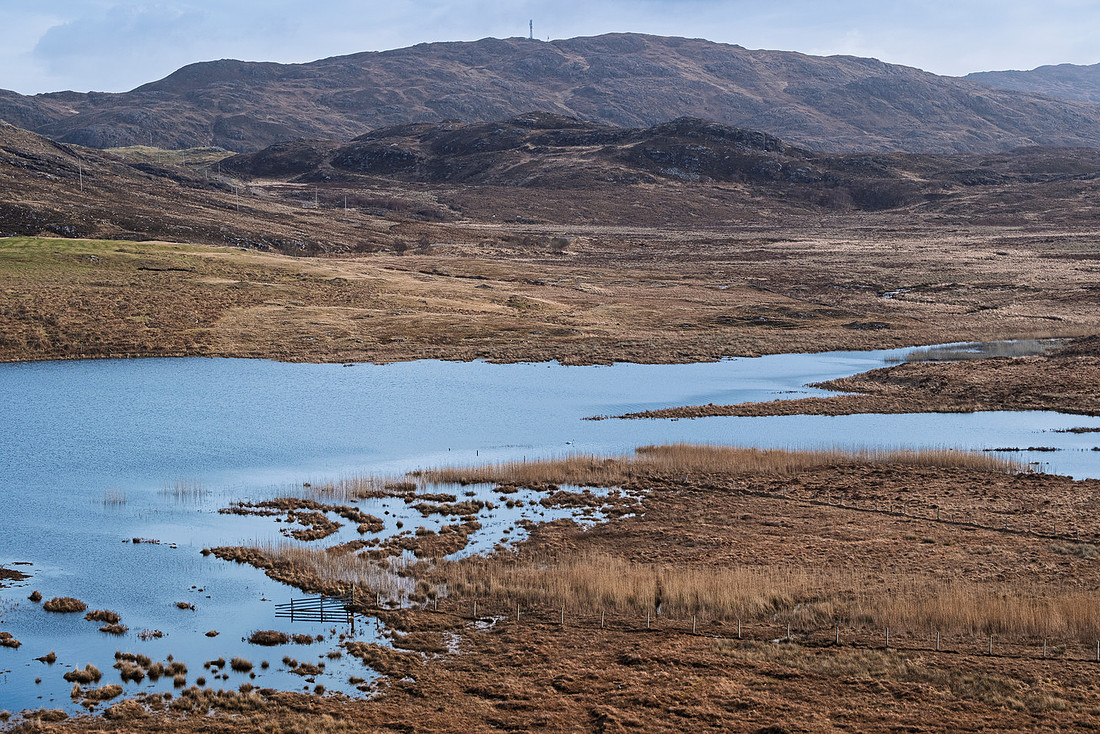
To work creatively with Ardnamurchan requires an intentional slowing that runs counter to many contemporary ideas of productivity. Quick visits yield little. Passing through, even repeatedly, is not the same as arriving. Ardnamurchan resists haste. It withholds itself from those who come looking for immediate reward, and instead offers itself slowly to those willing to dwell.
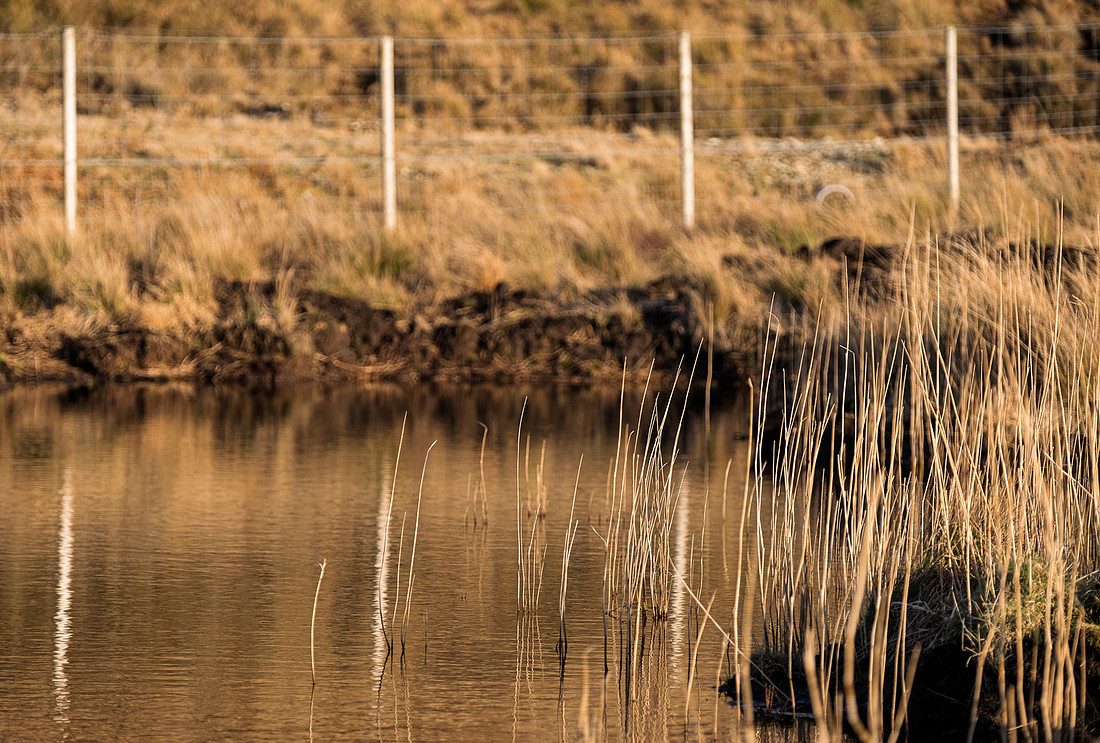
Immersion here is not an abstract concept but a physical and sensory experience. The soundscape is never empty. Wind hums through wire fences and grasses, tide presses and releases against basalt, distant birdcall punctuates long intervals of hush. These sounds do not form a backdrop; they actively shape perception. Over time, they recalibrate attention, drawing the mind away from internal noise and into a more porous state of awareness.
Light behaves similarly. It shifts almost constantly, but rarely dramatically. Cloud thins and thickens, rain softens edges, brightness arrives briefly and leaves again. Nothing settles for long enough to be taken for granted. This subtle variability demands patience and rewards stillness. To notice these changes is to begin working with the landscape rather than imposing upon it.
Silence, too, carries weight here, not as absence, but as presence. In Ardnamurchan, silence is active. It asks to be met rather than filled. It exposes the mind’s restlessness, then gradually quietens it. In this slowing, the creative spark is protected rather than expended. It is not pushed towards output but allowed to remain alive, glowing quietly beneath the surface of experience.
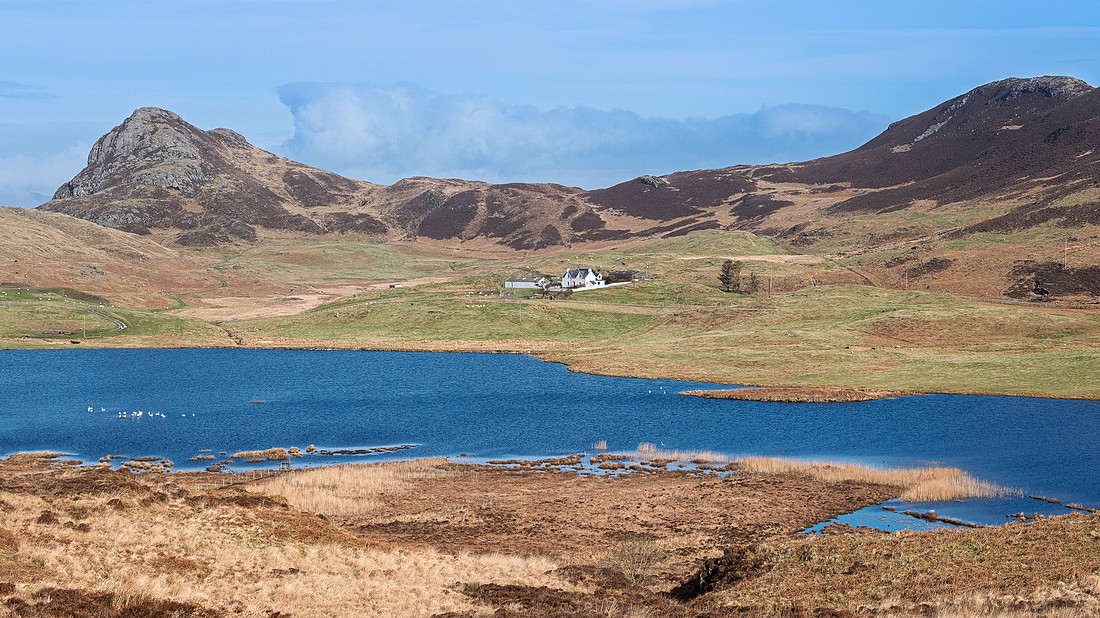
This kind of immersion alters a creative relationship with time. Rather than measuring progress by images made or words produced, time is measured by familiarity: recognising a headland in different weather, noticing the return of particular sounds, remembering how a place felt months or years earlier. Creativity begins to operate on longer cycles, aligned with seasonal rhythms rather than deadlines.
Repeated presence deepens this relationship. Walking the same paths under different conditions reveals how perception itself changes. A place that once seemed empty becomes layered with memory. The landscape begins to feel less like subject matter and more like collaborator, shaping mood, pace, and response.
In this state, creativity becomes less about making decisions and more about receiving permission. Ideas are not forced into being; they surface gradually, often later, elsewhere, having been formed quietly during moments that felt unproductive at the time. This is the slow work of incubation, but lived rather than theorised.
Ardnamurchan teaches that creativity does not thrive under constant pressure. It thrives where there is room for attention to settle, where presence precedes interpretation, and where return is valued over novelty. To dwell in a place long enough for it to change you is to accept that creative work cannot be rushed without losing something essential.
Here, slowing down is not retreat. It is commitment. It is the decision to stay with a place, and with a feeling, long enough for meaning to surface. In this way, immersion does not extinguish the creative spark. It shelters it, allowing it to endure, deepen, and quietly prepare for what comes next.
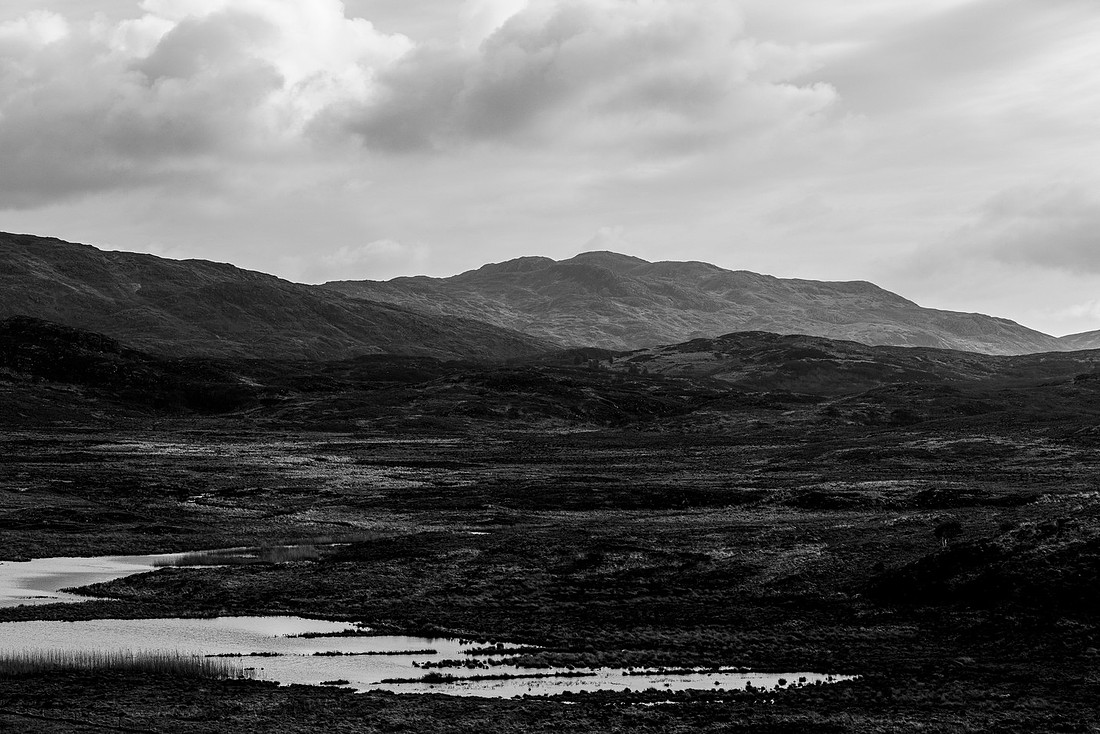
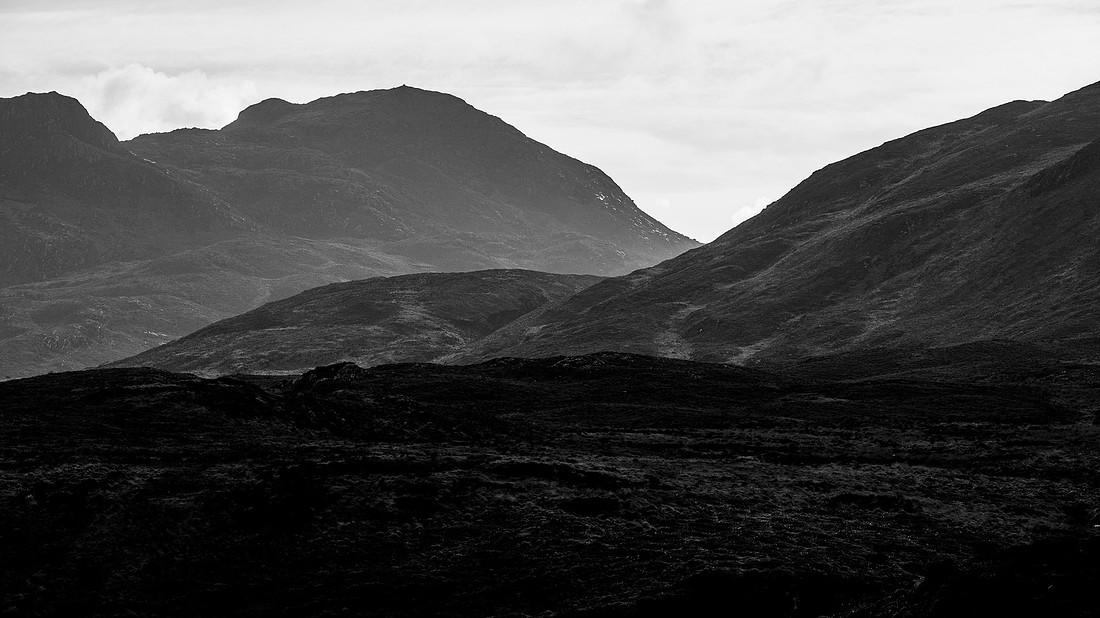
8. Time – The Medium in Which the Spark Exists
If immersion is the condition that shelters the creative spark, then time is the medium in which it exists. Creativity does not simply happen in time; it is shaped by how time is felt, inhabited, and understood. Nowhere has this been clearer to me than in Ardnamurchan, where time reveals itself at multiple scales, each exerting its own quiet pressure on perception and practice.
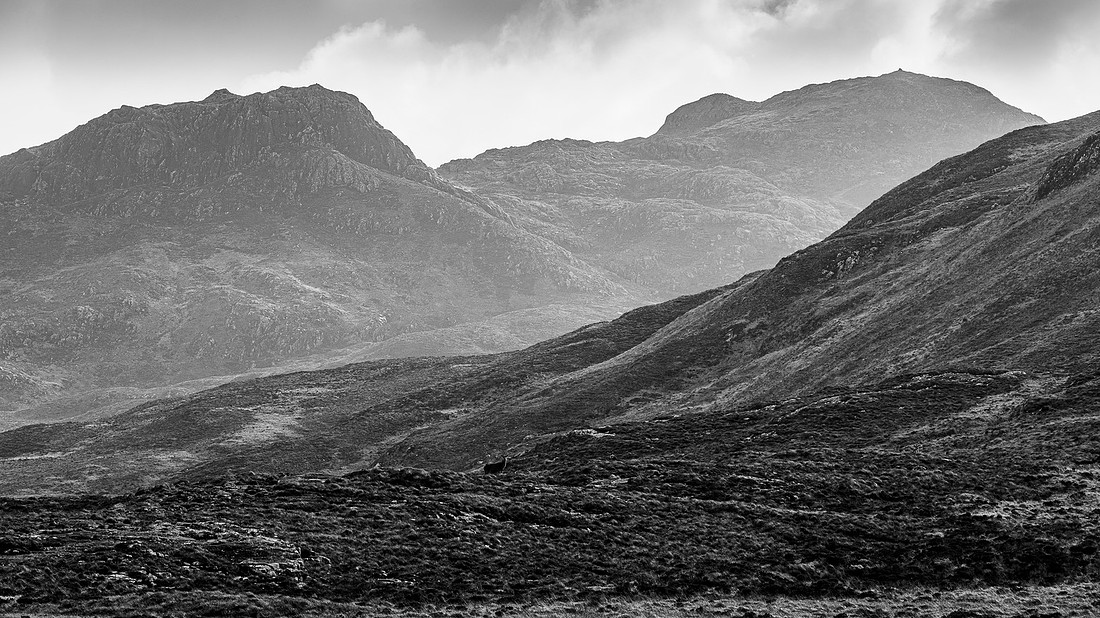
At the deepest level, Ardnamurchan is a landscape formed in geological time. The peninsula is built upon the remains of volcanic activity that occurred around sixty million years ago, magma forced upward, cooled, fractured, and weathered into basalt and gabbro. These rocks carry the memory of immense heat and incomprehensible duration. To walk here is to move across evidence of processes that unfolded long before human thought, and will continue long after it. Creativity, set against this scale, is immediately humbled. Urgency dissolves. The need for instant resolution feels irrelevant.
Yet Ardnamurchan is not only ancient stone. It is also a landscape shaped by human time, the accumulated traces of generations who worked with its rhythms rather than against them. Crofting, peat cutting, fishing, and agriculture were all governed by seasonal cycles and daylight rather than clocks. Place‑names recall these patterns: fields of fire, hills of peat, sites of kilns and enclosures. Human activity here was measured in persistence rather than pace.
This layering of time, geological and human, creates a powerful context for creative work. It encourages patience. It reframes the idea of progress. Creative ideas are allowed to age, to sit unresolved, to be returned to years later without loss of relevance. Nothing in Ardnamurchan suggests that meaning must be immediate to be valid.
Then there is seasonal time: the long arc of light and dark, growth and recession, exposure and shelter. Revisiting the same places through different seasons reveals how radically perception changes with light alone. A bay that feels expansive in summer contracts inward under winter cloud. A path that invites lingering in spring becomes purely transitional in driving rain. These shifts subtly re‑tune creative response. The same place suggests different work, or no work at all, depending on the time of year.
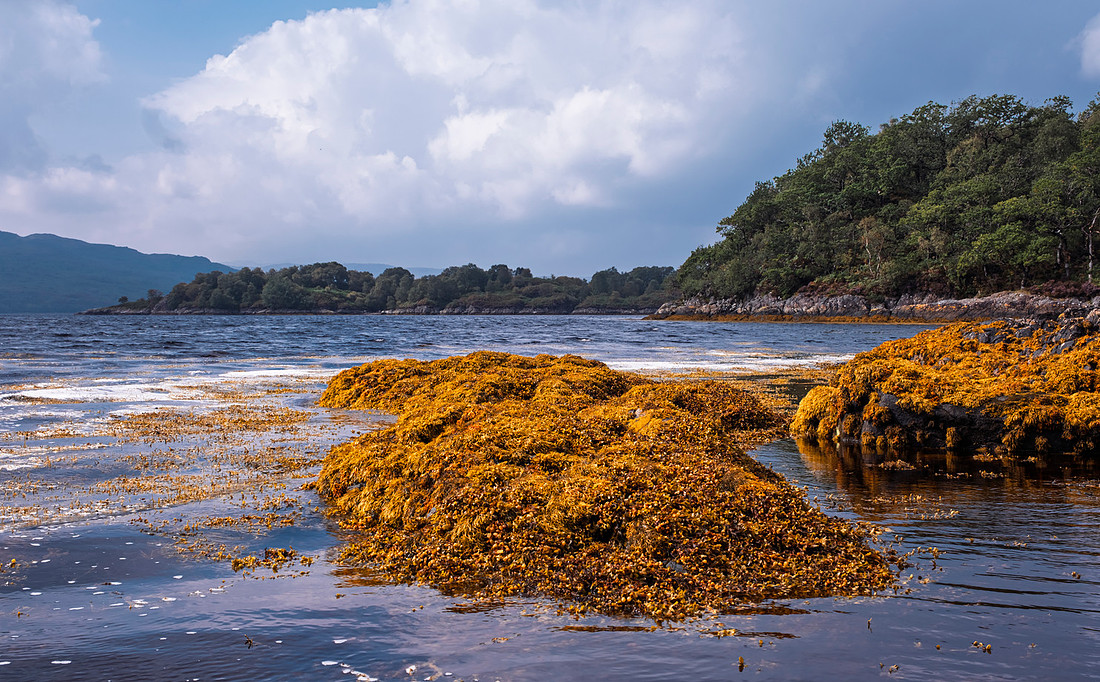
At a finer scale still, Ardnamurchan reveals time in motion through weather and tide. The rhythm of tidal advance and retreat redraws the coastline daily. Sand shifts imperceptibly, grasses lean and lift with the wind, water sculpts stone grain by grain. These micro‑movements are easy to miss, but once noticed they become absorbing. They remind the observer that change is constant, even when it appears slow.
Creatively, this attentiveness to time alters expectations. The spark is no longer something to be chased or captured. It is something that emerges when attention is given the duration it requires. Ideas form gradually, often invisibly, before making themselves known later, sometimes far from the place where they were conceived.
Ardnamurchan teaches that creativity depends not only on inspiration, but on permission to take time: time to observe without producing, time to return without novelty, time to allow experience to sediment into understanding. The creative spark does not live at a single temporal scale. It is fed by deep time, sustained by lived time, and revealed through fleeting moments.
In this landscape, creativity becomes an act of alignment, not with deadlines or output, but with the multiple tempos through which the world moves. To create here is to accept that ideas will take the time they need, and that this slowness is not a deficiency, but a form of faith.
9. Conclusion – Tending the Spark Through Time
Returning to the idea of spark at the end of this essay, it becomes clear that creativity is not something that ignites once and is done. It is something that must be tended, protected, and given time, again and again, if it is to endure. Ardnamurchan has taught me that the spark matters not because it is bright, but because it can last.
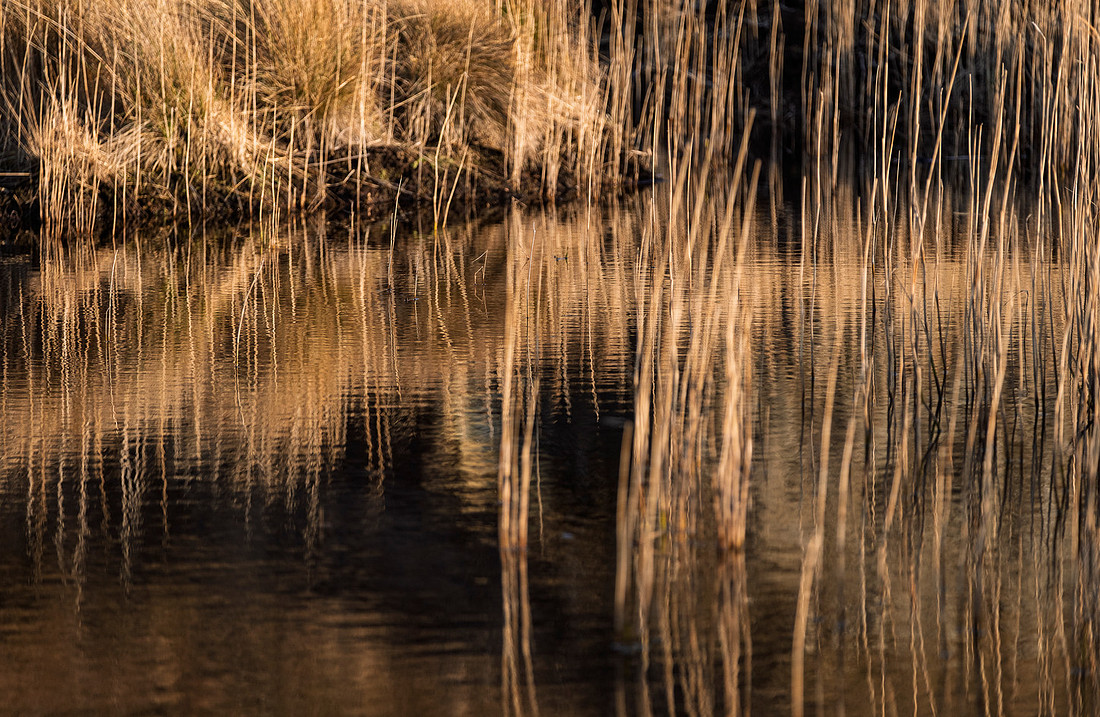
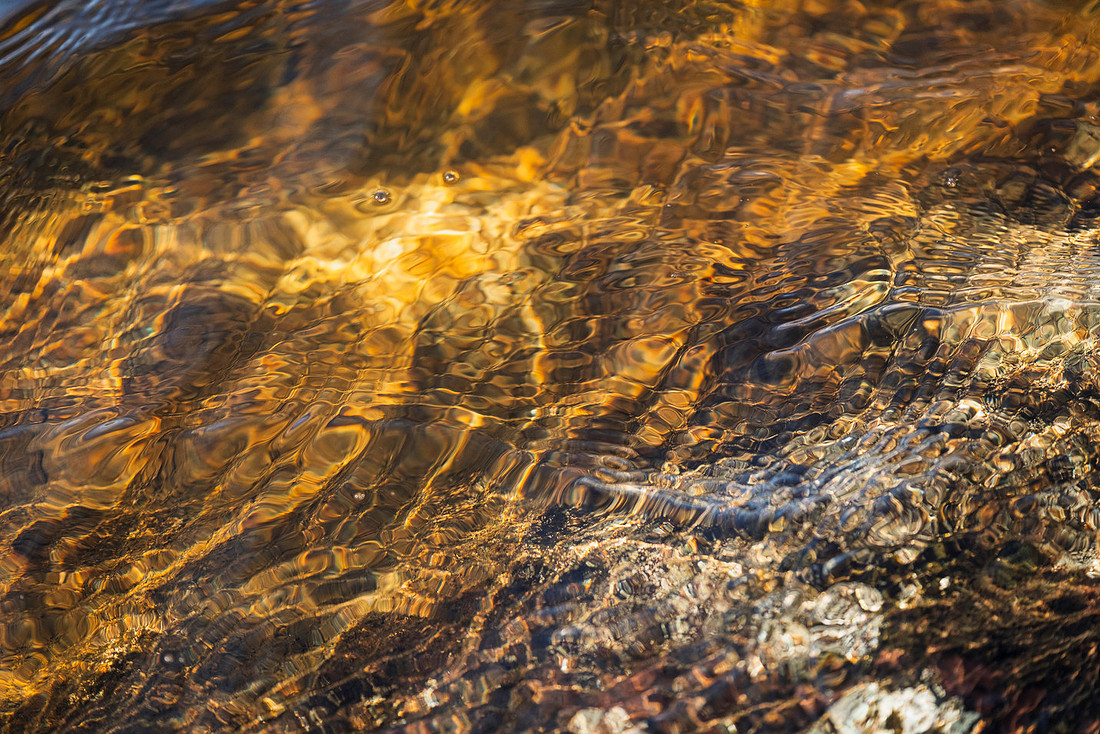
This peninsula holds time in layers. Beneath every step lies geological time, measured in millions of years, reminding us how brief any single human endeavour truly is. Held within that deep time is human time, generations of work, language, naming, and survival, each leaving small but meaningful marks on the land. Woven through both is seasonal time: the returning light and darkness, growth and retreat, invitation and resistance. And within all of this, time continues to move at its smallest scales, tides breathing in and out, sand shifting grain by grain, grasses leaning and lifting with the wind.
Creativity exists within all of these temporal registers. The spark may arrive in an instant, but it is shaped by deep time. It is sustained by lived time. It is often revealed only after time has passed.
My own creative journey in Ardnamurchan has unfolded slowly, often without clear milestones. Ideas have formed quietly over years of return rather than weeks of planning. Some have emerged long after the experiences that shaped them, carried forward through memory, sound, and feeling. Others remain unresolved, held back deliberately, allowed the time they still require.
This landscape does not rush creativity, and it does not reward urgency. It asks instead for patience, attention, and trust, trust that meaning will surface when it is ready, not when it is demanded. In this way, Ardnamurchan has offered not just inspiration, but a different understanding of what creative life can be: cyclical rather than linear, attentive rather than productive, rooted rather than accelerated.
Creativity matters because it allows us to stay in relationship with the world over time, not just with what is immediate, but with what endures. Expression matters because it gives form to experience before it slips away. And time matters because without it, the spark has no space to live.
So I leave this first essay in the Ardnamurchan & Creativity sequence with a quiet invitation, shaped by place and duration alike:
What does creativity mean to you, when you allow it time?
Where does your spark live, and what sustains it when you slow down long enough to notice?
And what landscapes: physical, emotional, or remembered, hold the patience your creativity requires?
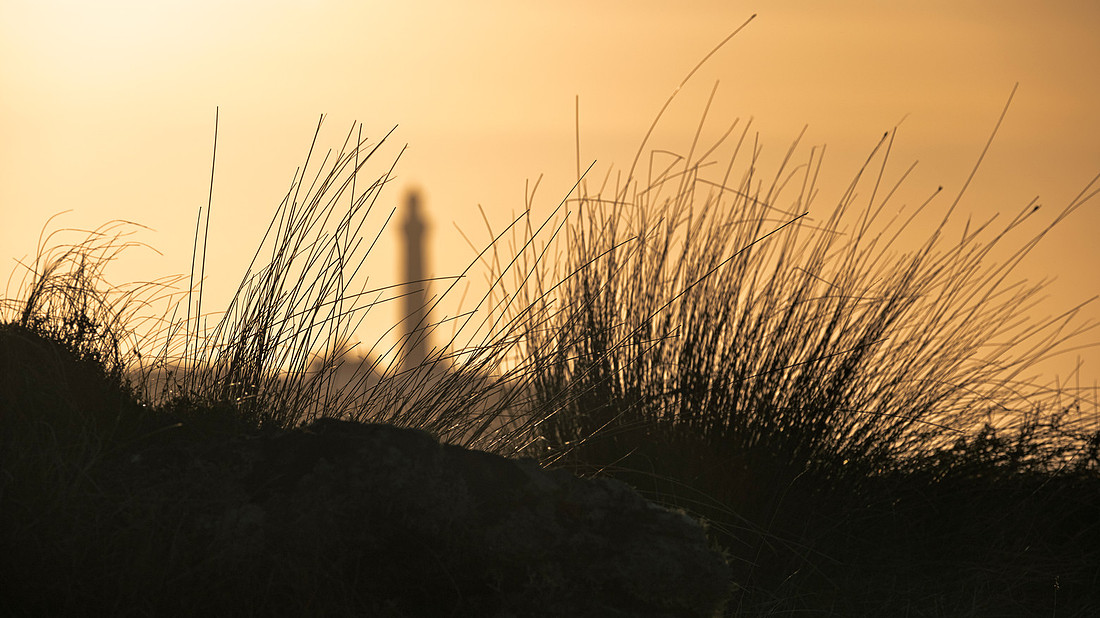
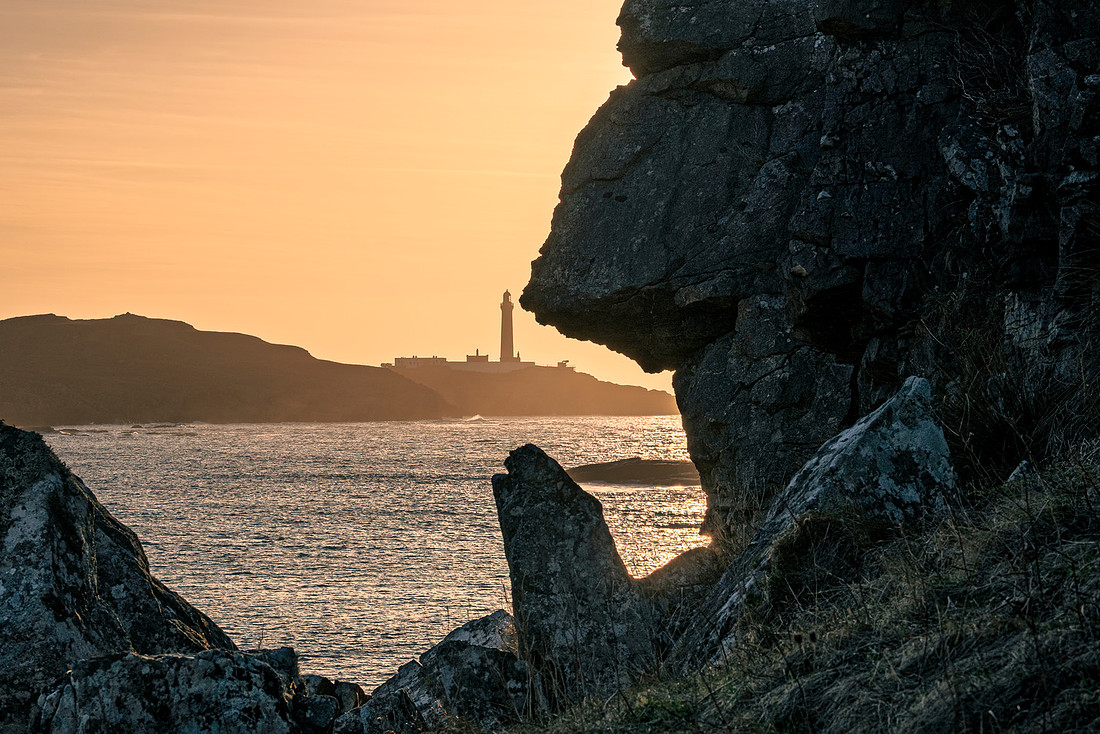
If you'd like to come and feel the passion and inspiration of Ardnamurchan, its unique spirit and atmosphere, and develop your creative thinking and photography with us, then each March and October we host a week-long 'Ardnamurchan Creative Retreat', why not join us:
www.rkphotographic.com | Ardnamurchan Creative Retreat
Bibliography
Henderson, A. (1915) Ardnamurchan Place‑Names. The Celtic Review, 11, pp.149–168.
Gribble, C.D. and Durrance, E.M. (1976) Glossary of Ardnamurchan Place‑Names. Edinburgh: Scottish Geology Trust.
Richey, J.E. and Thomas, H.H. (1930; facsimile reprint 1987) The Geology of Ardnamurchan. London: HMSO.
Scottish Geology Trust (2024) Ardnamurchan GeoGuide. Available at: https://geoguide.scottishgeologytrust.org/
Wallas, G. (1926) The Art of Thought. London: Jonathan Cape.
Sadler‑Smith, E. (2016) ‘Wallas’ four‑stage model of the creative process: More than meets the eye?’ Creativity Research Journal, 28(4), pp.199–206.
Robinson, K. (2001) Out of Our Minds: Learning to Be Creative. Oxford: Capstone.
Robinson, K. and Aronica, L. (2009) The Element: How Finding Your Passion Changes Everything. London: Penguin.
Historic Environment Scotland (2026) Better Than Gold Is a Story Well Told: The Gaelic Tradition of Storytelling. Edinburgh.
Heritage Ardnamurchan (2025) The Place. Available at: https://heritageardnamurchan.co.uk/
Ardnamurchan Lighthouse Trust (2026) Community Regeneration Projects. Available at: https://www.ardnamurchanlighthouse.com/
West Ardnamurchan Community Development Company (2026) Kilchoan Community Shop Project. Highland Council Community Choices.