Spiorad aird nam Murchan Pt 30 Creativity IV Reflection

Spiorad aird nam Murchan Part 30 – Creativity IV – Reflection
Spiorad Àird nam Murchan
Creativity IV – Reflection
An Ais-Sgrùdadh / The Returning Gaze
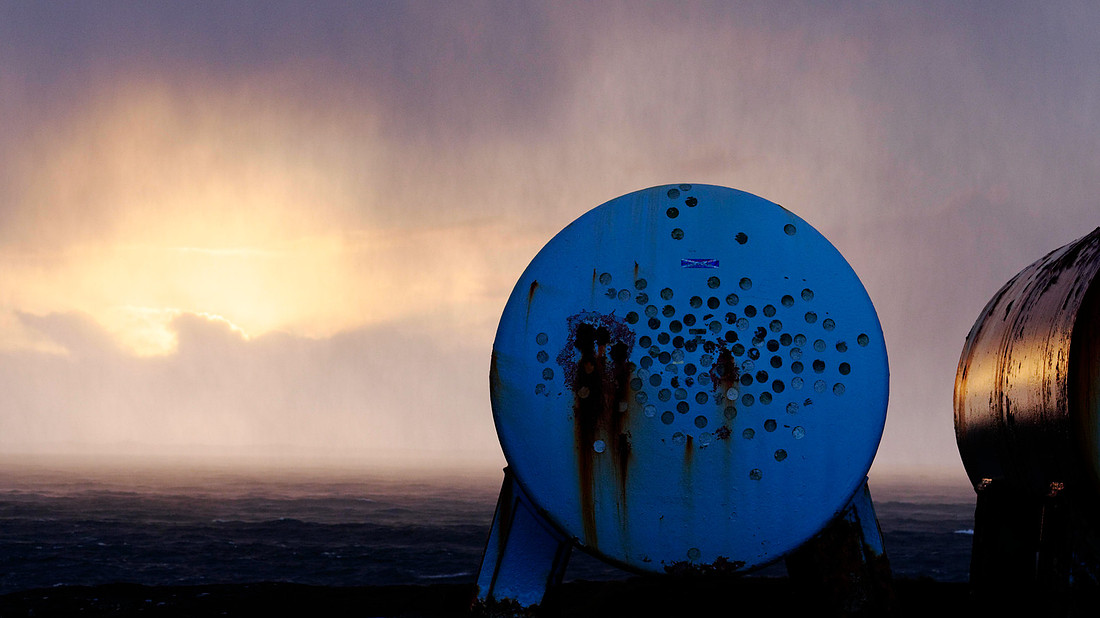

There are moments within the creative process that feel outward and expansive, where attention is drawn into the landscape and something begins to form in response, often quietly, and without full understanding. In earlier reflections, I have traced this movement through its initial stirrings, through the slower, less visible work of incubation, and toward those brief alignments in which clarity emerges and the work takes shape. These stages, while familiar in their pattern, have never felt fixed, nor entirely separate, but instead part of a continuing rhythm that returns, shifts, and deepens through practice.
What follows sits within that same unfolding. Reflection does not arrive as an ending, nor as a point at which the work is resolved or measured against expectation. It is something quieter, more attentive, a returning to what has been made, and to the place from which it emerged, allowing both to be seen again with a different awareness. If earlier stages move toward making, this one turns gently back, not to retrace, but to remain, to notice, and to listen more closely to what continues to reveal itself over time.
Returning
An Tilleadh
There is a quietness that comes in returning, a settling that is not present in the first act of making, nor even in the moment when something reveals itself in the landscape and we respond almost instinctively, camera in hand, to that brief convergence of light and place. Returning asks something different of us. It asks that we slow, that we look again without the urgency of capture, and that we sit with what has already been made, not to correct or refine, but simply to see.
It is often some time before I come back to the photographs made in Ardnamurchan. The images remain, held in the archive, yet the place itself continues to move in memory, shaped by weather, by recollection, by an ongoing relationship that is never fully resolved. When I do return to the work, it is not as though I am encountering something fixed or complete. The photographs feel both familiar and distant, as though they belong to a slightly altered version of the landscape, one that no longer fully corresponds to what I remember, yet is no less real for that.
There is a particular kind of stillness in this moment of re‑encounter. The image is no longer bound to the conditions under which it was made, to the wind that moved across the machair, or to the shifting weight of cloud over the Minch. It exists now in a different time, one that is quieter, more interior, and perhaps more uncertain. I find myself looking not only at the photograph, but through it, sensing again the structure of the place, the ground beneath my feet, the distance to the horizon, the subtle variations of tone and texture that first drew my attention.
Yet something has changed. What once felt immediate now carries a slight remove, and in that distance there is space. Space for questions that did not arise in the moment, space for recognition that comes slowly rather than all at once, and space, perhaps, for a deeper kind of seeing. Returning is not a repetition of the original act. It is something else entirely, a second encounter that unfolds more gently, and without expectation.
In Ardnamurchan, this sense of return is never abstract. It is embedded in the land itself. Paths are walked again, shorelines revisited, the same headlands approached under different light, and in different seasons. Each return alters the last, not by replacing it, but by layering upon it, so that place is never singular, never held within a single moment or image. The photographs begin to carry this layered quality, becoming not just records of what was seen, but points of contact within a much longer conversation between self, land, and time.
To return, then, is not to look back in order to judge, but to step once more into that conversation, to listen again to what the work might hold, and to allow it to speak in its own time.
The Cycle Re-Entered
An Cearcall, Air A Thilleadh
In coming back to the work in this way, I begin to recognise a pattern that has been present throughout, though rarely named at the time. The act of making, which at first feels singular and immediate, gradually reveals itself as part of a longer movement, one that unfolds in stages, yet rarely in a straight line, and never in isolation. There is the initial stirring, the quiet sense that something is drawing attention, followed by a period in which that attention deepens without resolution. Then there are moments, often fleeting, when something clarifies, when form and feeling align, and the photograph emerges almost of its own accord.
These movements, which might be described in different ways, have been shaped over time through many reflections on creativity, yet they only truly take on meaning through lived experience. In my own work, they have come to rest as a sequence that feels both familiar and open, not a fixed model, but a rhythm that can be entered and left, returned to and re‑experienced. Spark, incubation, illumination, each carries its own character, yet none exists entirely apart from the others. They overlap, recur, and sometimes dissolve into one another in ways that resist clear definition.
Reflection enters here not as a final stage, nor as a point at which the work is assessed and concluded, but as a continuation of this movement, one that turns the gaze back upon what has already passed, and in doing so, reshapes it. It is less an ending than a quiet pause within the cycle, a moment in which the work is held more lightly, and in which meaning begins to gather in ways that were not apparent before.
What becomes clear in this re‑entry is that creativity is not linear, nor is it contained within the boundaries of a single image or encounter. The photograph made on a particular day on the Ardnamurchan peninsula does not belong solely to that moment. It extends outward and forward, intersecting with memory, with subsequent visits, with other images made under different conditions. Reflection allows these connections to surface, though never completely, and never all at once.
There is also a sense that this cycle is not something imposed upon the work, but something that emerges from it, shaped by practice and by place. Ardnamurchan, with its shifting light and quiet persistence, does not lend itself to quick resolution. It encourages a way of working that is attentive, patient, and willing to return, and it is perhaps through this repeated engagement that the underlying rhythm of the creative process becomes more visible.
To re‑enter the cycle through reflection is therefore not to stand outside the work and analyse it, but to step back into its movement, carrying with us what has already been experienced, and allowing it to unfold once more, though differently, and with a greater awareness of where we have been.
Between Seeing and Making
Eadar Faicinn agus Dèanamh
There is a subtle, often unspoken space that sits between the moment of seeing and the act of making, a space that, at the time, can feel almost invisible, yet which becomes more apparent when we return to the photograph later and attempt to understand what, in truth, has happened. In the landscape, the experience unfolds as something continuous and immersive. The eye moves across the ground, the body adjusts to wind and uneven terrain, light shifts with a quiet persistence, and within that movement there is a moment, or perhaps a series of moments, in which something gathers our attention and holds it long enough for us to respond.
At the point of making, this interval seems fleeting. The gesture of raising the camera, of framing, of releasing the shutter, can feel almost instinctive, as though it arises directly from the encounter itself without separation or delay. Yet in returning to the image, and in sitting with it away from the conditions in which it was formed, we begin to sense that this connection, while genuine, is not complete. There is always something held back, something that resists translation, something that belonged to the place and the moment that cannot fully enter the frame.
On Ardnamurchan, this becomes particularly evident. The scale of the land, the breadth of sky, and the presence of the surrounding sea create an experience that is not easily contained. A photograph of the shoreline at Sanna, or the quiet expanse of the headland above Portuairk, may hold the structure of the scene, the arrangement of light and form as it appeared in that instant, yet it cannot carry the full sensation of standing there. The wind moving across the grass, the rhythm of waves against stone, the shifting weight of cloud passing over the sun, all of these remain just beyond what the image can articulate.
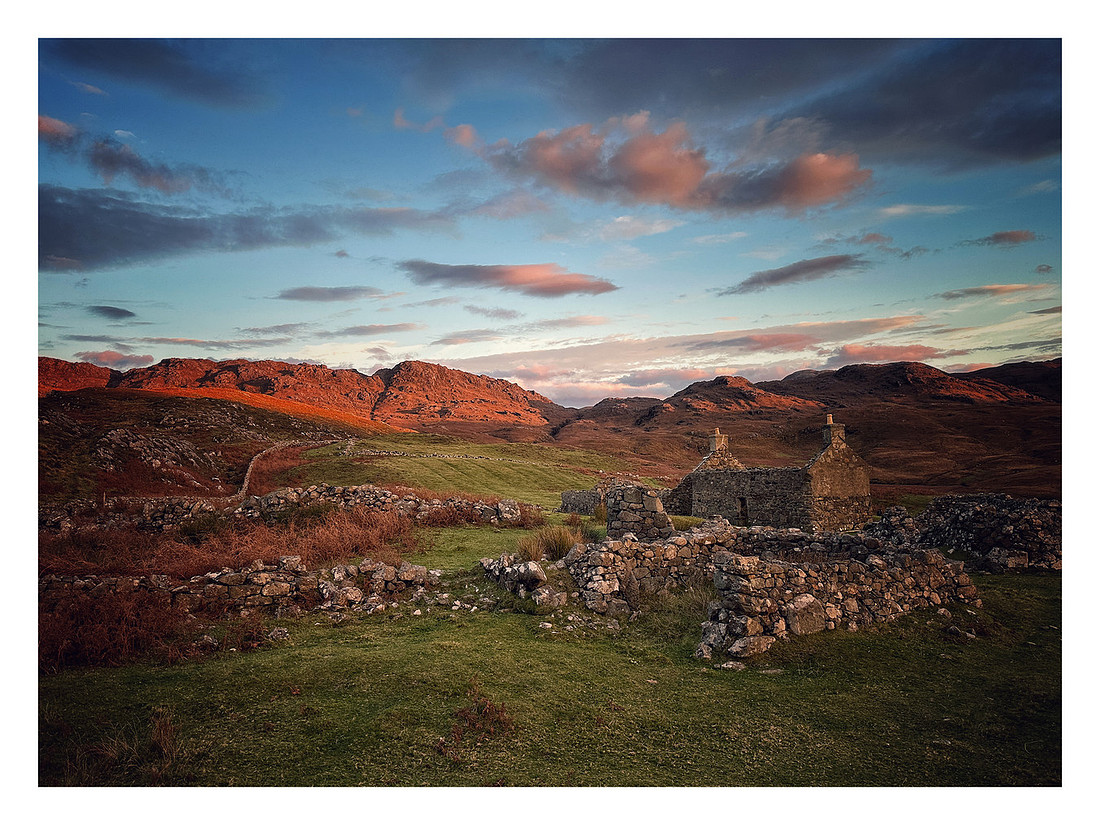
It is in this space, between what was seen and what was made, that reflection begins to work more deeply. The photograph does not fail in this regard, nor does it fall short in any simple sense, rather it reveals the nature of the act itself. Photography, for all its precision and apparent clarity, is an act of selection, of narrowing, of bringing one aspect of experience into focus while allowing the rest to soften or recede. What felt expansive in the landscape becomes more contained within the frame, and yet within that containment there is the possibility of another kind of attention.
When I return to these images, I find myself drawn not only to what is present, but to what is suggested at the edges. The light on water may recall the movement that is no longer visible, the line of a distant ridge may hold within it a memory of walking, of time passing across the ground. The photograph begins to function less as a complete statement and more as a point of entry, something that invites a re-engagement with the original encounter, though never in a way that fully restores it.
There is also a shift in how the act of making itself is perceived. What felt immediate becomes layered, and what seemed certain becomes open to question. I begin to notice choices that were made without conscious thought, the way the frame was set, the moment at which the exposure was released, and to consider how these decisions have shaped what now remains. Yet this is not a process of correction, nor of refinement in any technical sense. It is simply an acknowledgement that the act of making is always partial, always situated within a particular moment of attention that cannot be repeated.
In this way, the space between seeing and making is not something to be resolved. It cannot be closed, nor should it be, for it is precisely this distance that allows the work to remain alive. It creates tension, but also possibility. It opens the photograph outward, allowing it to carry more than it contains, and to continue unfolding over time as we return to it, again and again, with a different awareness.
To recognise this space is perhaps to begin to understand photography not as a means of capturing or fixing a moment, but as a way of entering into an ongoing relationship with place, one that extends beyond the initial encounter and continues through reflection, memory, and return.
The Photograph, Remembered
An Dealbh, Mar Chuimhne
In returning to the photograph after time has passed, it becomes clear that what we are encountering is no longer simply the image that was made, but something that has shifted, quietly and almost imperceptibly, into the realm of memory. The photograph, which once felt closely tied to the conditions of its making, begins to loosen from that moment, acquiring a different kind of presence, one that is shaped as much by what we remember as by what is held within the frame itself.
At first, it might seem that the photograph serves as a faithful container of experience, preserving the arrangement of light, land, and atmosphere exactly as it was encountered. Yet this sense of preservation, while not untrue, is only part of the story. As we sit with the image, we begin to notice that it does not simply return us to the place in a fixed or dependable way. Instead, it opens into something more fluid, where memory and image intermingle, where what we recall begins to settle into what we see, and where the boundaries between the two are not easily distinguished.
On Ardnamurchan, this intertwining becomes particularly resonant. A photograph of the coast may recall not only the visual form of the shoreline, but the movement of air across the skin, the steady sound of the tide drawing in and away, the shifting quality of light as cloud moves over the sun. These elements are not present within the image in any direct sense, yet they persist, carried alongside it, and gradually they become inseparable from the act of viewing. What is seen is never only what is there, but also what is remembered, and what is felt in response to that remembering.
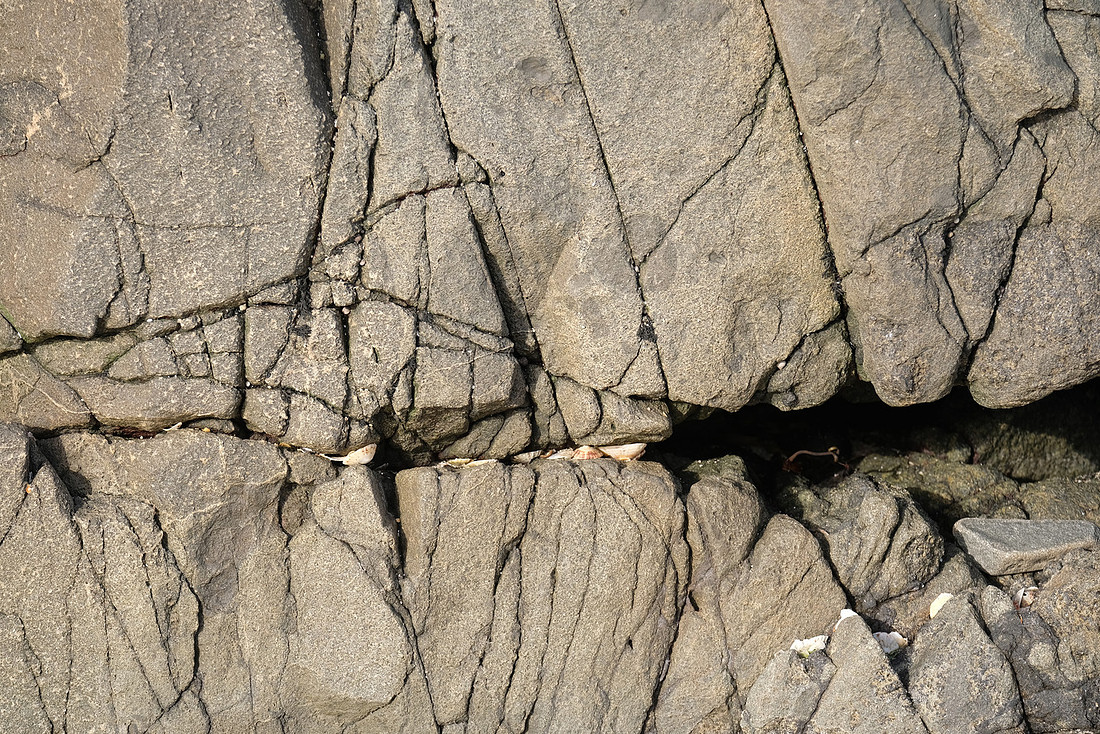
Over time, the photograph begins to gather additional layers of meaning, not through any change in its physical form, but through the changing nature of our relationship to it. An image made during one visit may come, in later reflection, to hold associations with another, linking different moments across the peninsula into a more continuous sense of place. The machair at Sanna, the rough textures of rock at Ardtoe, the distant outlines of the Small Isles seen across the water, all begin to speak to one another, not in the landscape itself, but within the memory that the photographs help to sustain.
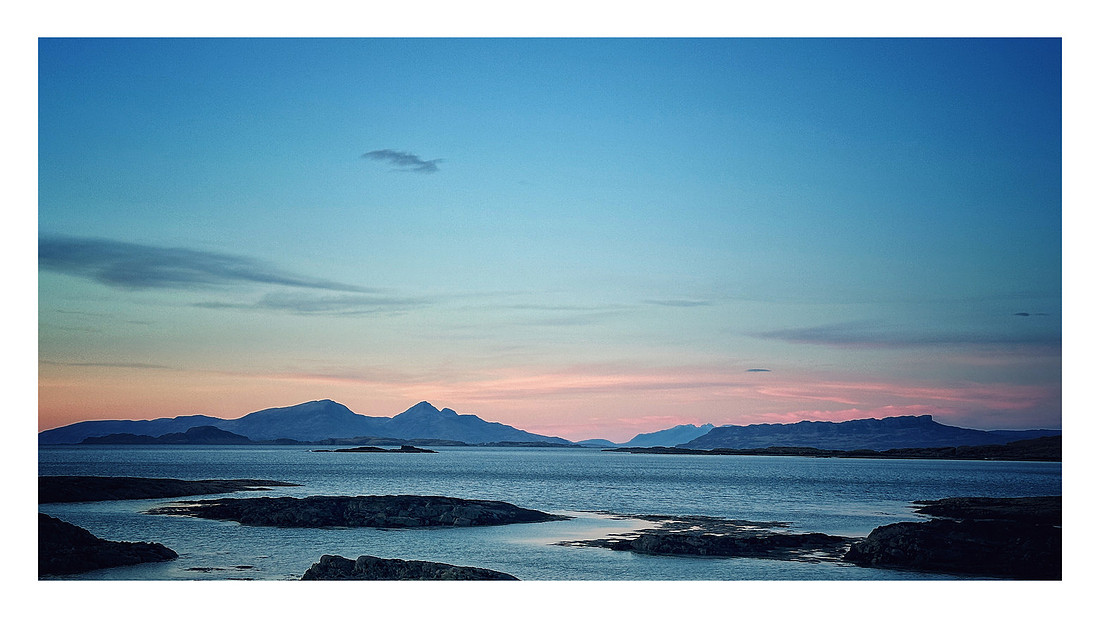
There is also a quiet transformation in how the photograph is understood as an object. Whether it exists as a print, held and revisited in the hand, or as a digital image encountered on screen, it occupies a space that is both material and reflective. It is something that can be returned to repeatedly, yet each return is subtly different. The act of looking does not reproduce the original experience, nor does it remain static. Instead, it becomes part of an ongoing process in which the photograph continues to unfold, not by changing, but by revealing different aspects of itself in relation to our shifting awareness.
In this sense, the photograph cannot be said to contain memory in a complete way, nor can it be separated from it. It exists somewhere between the two, acting as a point of contact that allows us to re-enter the experience, though never in its entirety. What is absent is as significant as what is present. The image holds the visible structure of the moment, but it also gestures beyond itself, toward something that remains just out of reach, something that must be felt rather than seen.
This becomes particularly evident when the distance between the time of making and the time of viewing begins to widen. What once felt immediate becomes quieter, and perhaps more ambiguous. Certain details recede, while others come forward. A colour that once seemed incidental may take on a new significance, or a compositional element that passed unnoticed at the time may begin to anchor the image in a way that feels unexpected. The photograph reveals itself not all at once, but gradually, through repeated encounters that allow different qualities to emerge.
To hold the photograph in this way is not to seek certainty, nor to fix its meaning in place, but to remain open to what it continues to offer. It is to recognise that the image is not the end of the experience, but one part of an ongoing relationship with place, one that extends beyond the moment of making and continues through memory, reflection, and return. In this way, the photograph becomes less an answer and more a question, something that invites us back into the landscape, even when we are no longer physically present within it.
And perhaps this is where its quiet power lies. Not in its ability to preserve, but in its capacity to remain alive, to gather meaning over time, and to act as a companion to memory rather than a replacement for it, allowing Ardnamurchan to persist, not only as a place that has been seen, but as one that continues to be experienced in the act of looking again.
The Landscape Reflecting
An Tìr A’ Meòrachadh
In returning to the photographs of Ardnamurchan, there are moments when it becomes difficult to say where the image ends and the place itself begins, as though the act of looking has drawn me back into the landscape, not physically perhaps, but in a way that feels no less present. The photograph, which I had thought of as something made, something held at a distance and viewed in quiet separation, begins instead to behave as a surface through which the land reasserts itself, not as it was, but as it continues to be remembered, imagined, and felt.
There is something within Ardnamurchan that invites this kind of reflection, something in its openness, its exposure to the elements, and its persistent, unhurried character. The land does not present itself in a single aspect. It alters with each passing hour, with the slow drift of weather systems coming in from the Atlantic, with the low swing of winter light or the extended glow of summer evenings. Even in stillness, there is movement. The sea is never entirely quiet, the grasses on the machair are rarely at rest, and the sky, often expansive and shifting, carries a sense of depth that resists containment.
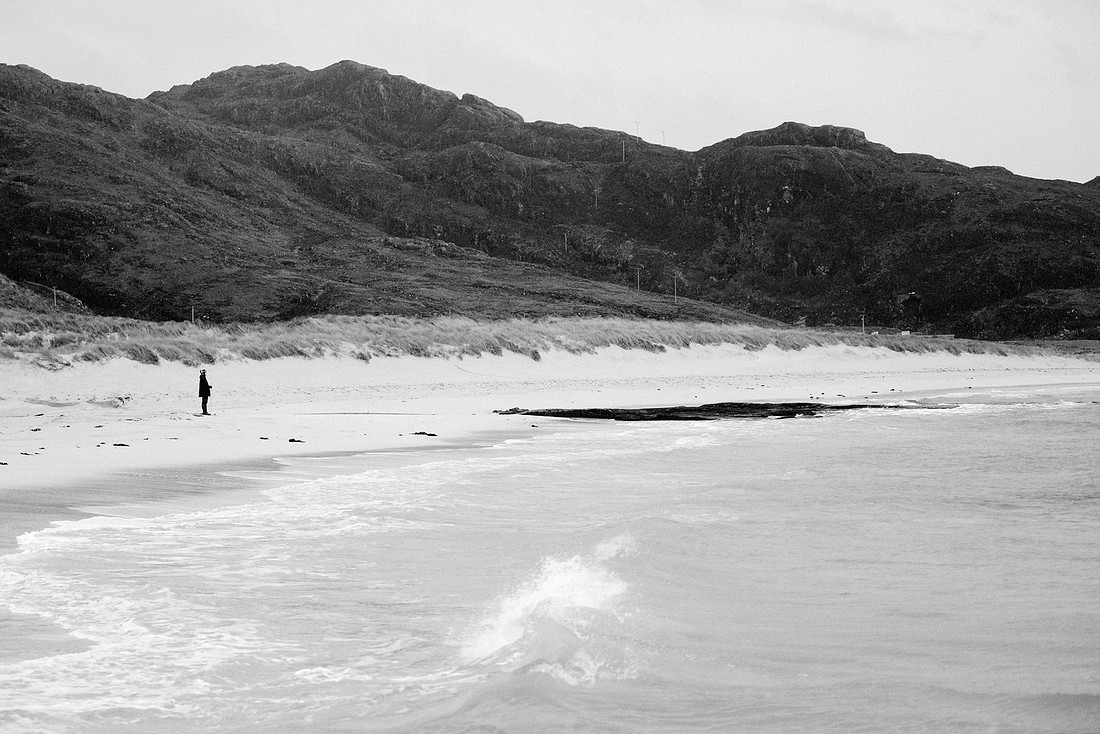
When I look again at a photograph made along the edge of Sanna Bay, I find that it does not simply bring me back to a fixed vantage point. Instead, it seems to open outward, recalling not only the configuration of sand and water, but the wider field of experience that surrounded it. The wind that moved across the dunes, the soft resistance of the ground beneath my feet, the distant outline of the Small Isles faint against the horizon, all of these begin to gather again, not within the frame itself, but within the act of looking. The photograph becomes less a representation and more a point of return, something through which the landscape is felt once more.
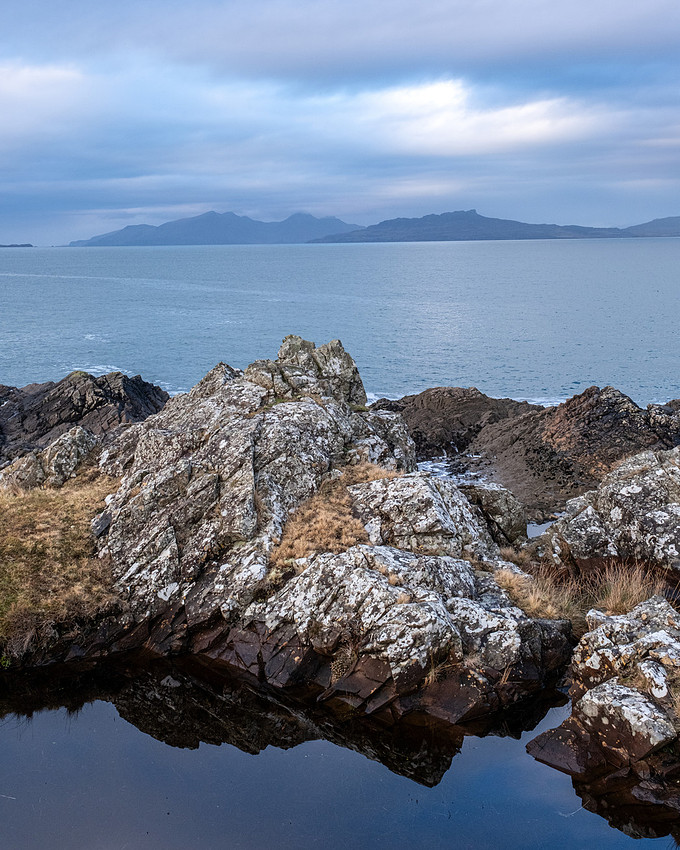
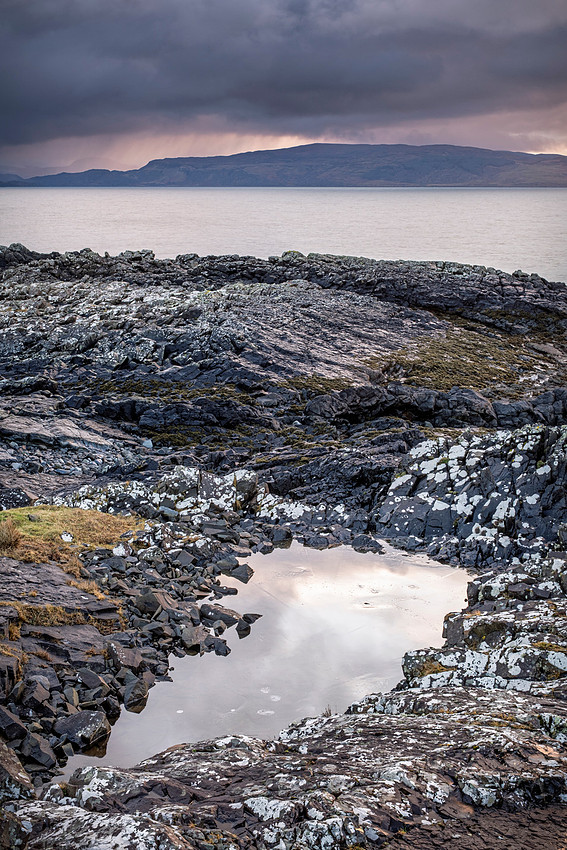
There are times, too, when the land feels as though it is doing the reflecting. Standing on the higher ground above Portuairk, looking out across the Minch, or walking the quieter edges of Ardtoe where the shoreline narrows and the textures of rock and tidal pools draw the eye inward, there is a sense that the act of seeing is not entirely directed by the individual. The landscape offers itself, but it also holds something in reserve, revealing slowly, and often only through repeated visits. It reflects back not only what is present, but how we are present within it, our attention, our patience, our willingness to remain without seeking immediate resolution.
This reciprocity becomes clearer over time. The photographs I return to are not simply shaped by what was there, but by how I encountered it, by the pace at which I moved, by the decisions made, consciously or otherwise, in the moment of looking. In reflection, I begin to see that the image carries traces of this interaction, subtle indications of where attention settled, where it shifted, and where it perhaps passed too quickly. The land, in this sense, is not passive. It participates. It responds, though not in any direct or obvious way, but through the manner in which it is experienced and later recalled.
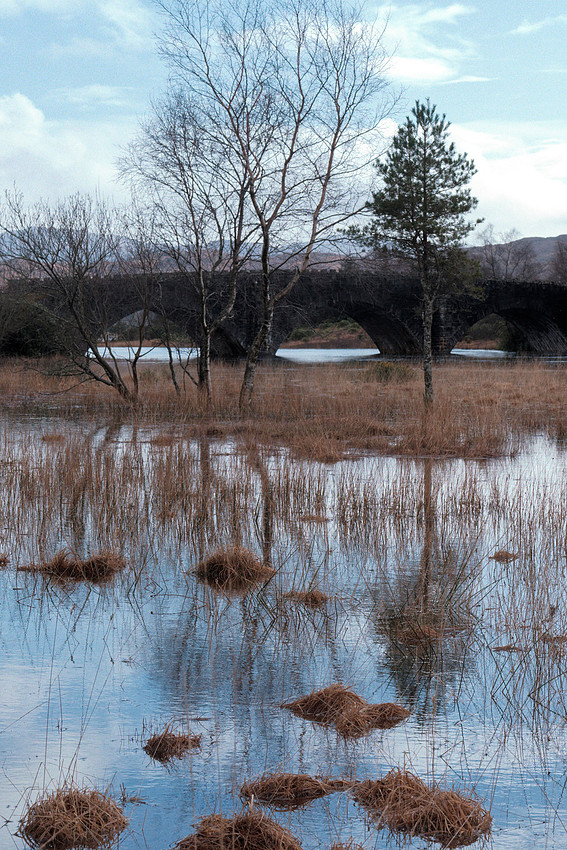
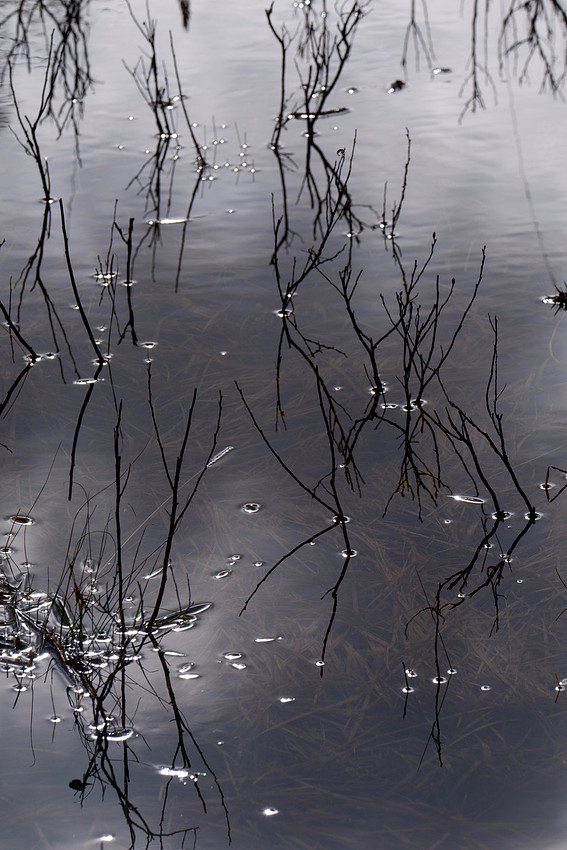
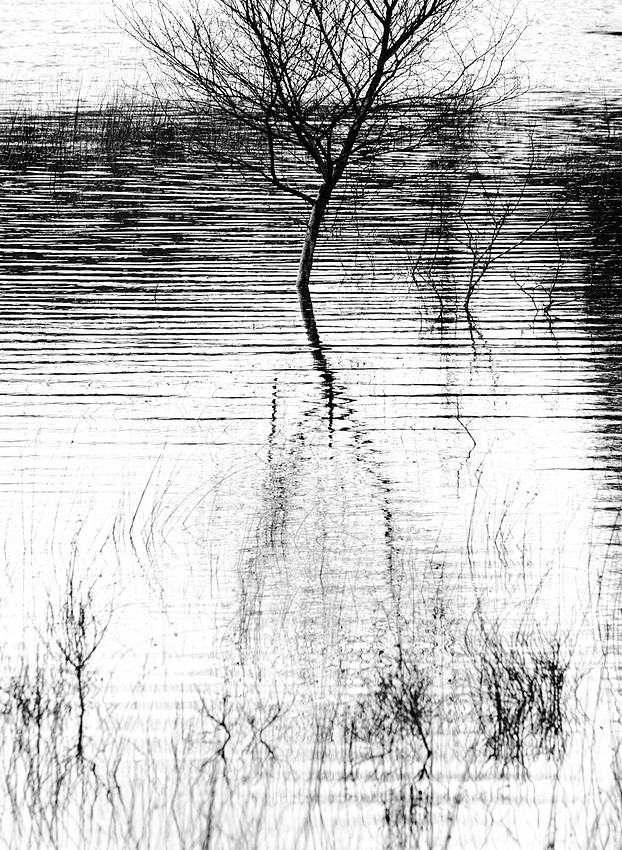
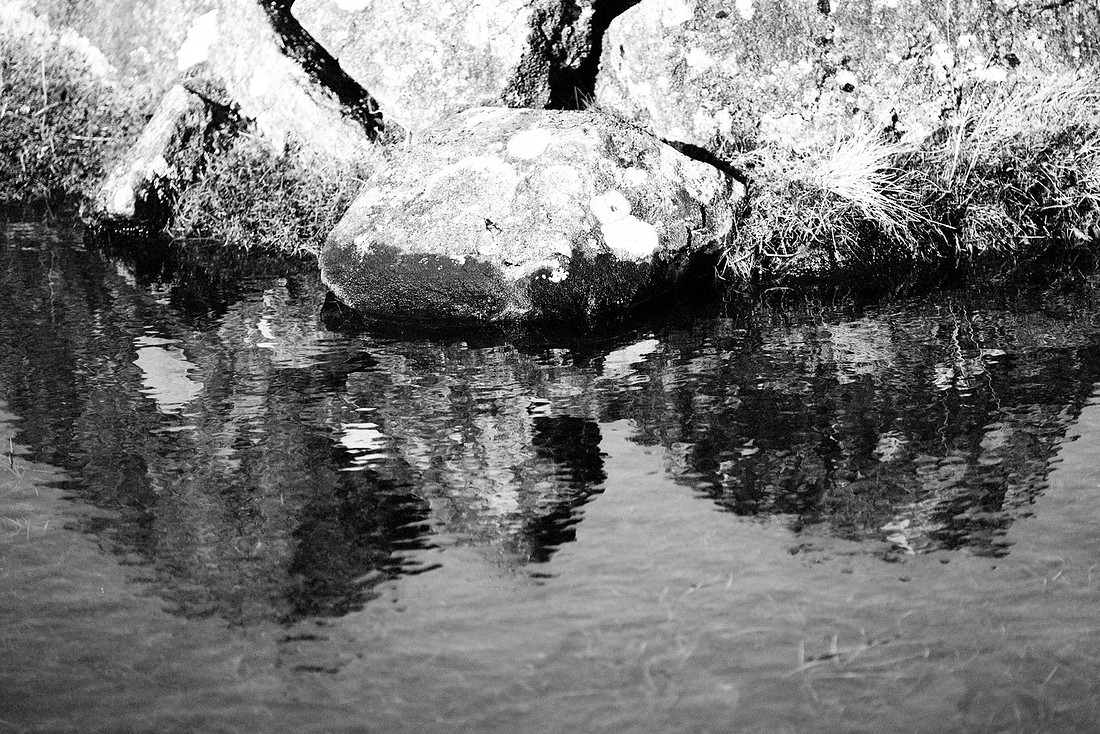
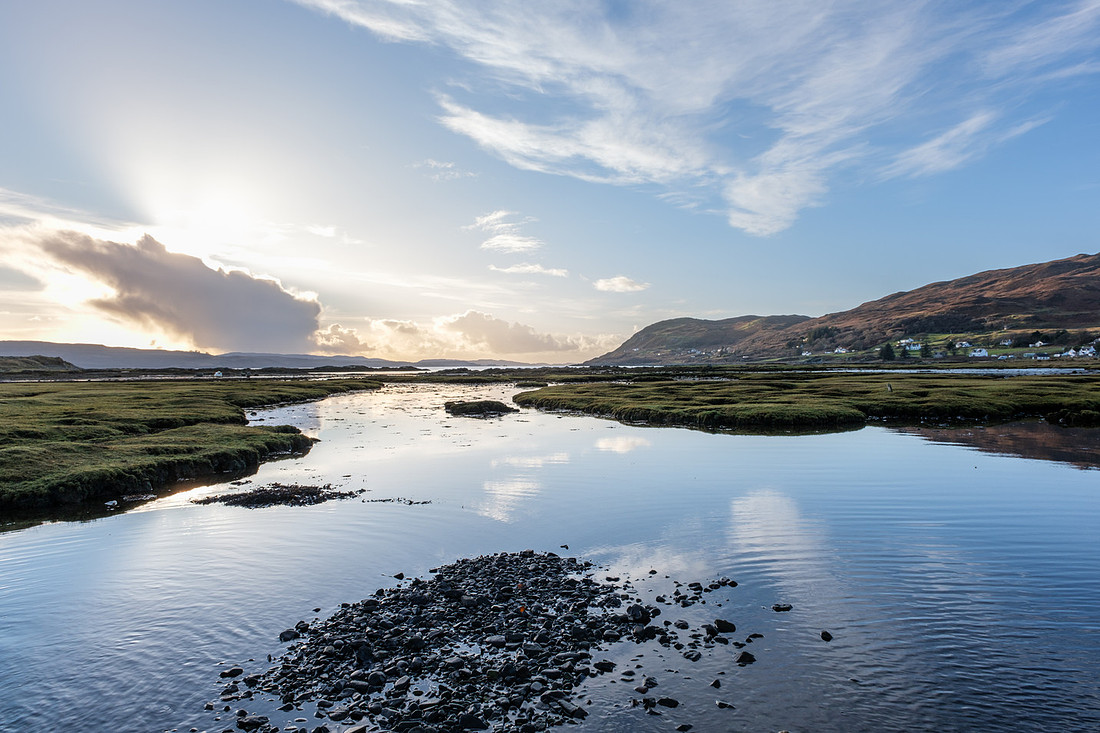
Water, in particular, seems to hold this quality most evidently. Along the coastline, in the inlets and quiet stretches where the sea pulls back to reveal the underlying structure of stone and sand, there are moments when reflection is literal as well as metaphorical. The surface of the water catches light, carries fragments of sky, distorts and reforms what lies above it. Yet even here, the reflection is never stable. It shifts with movement, with the slightest disturbance, and in doing so it resists any fixed reading. What is seen is always in the process of becoming something else.
It is perhaps this instability, this refusal to settle into a single form or meaning, that allows the landscape of Ardnamurchan to remain so deeply connected to the act of reflection. The photographs, when revisited, do not close that movement down. They do not resolve the place into something final. Instead, they extend it, offering a way back into the experience while also reminding me that what is held within the image is only ever partial, only ever one aspect of something far more expansive.
In this way, the landscape continues to reflect, not only in the surfaces of water or the qualities of light, but in the ongoing relationship that develops through repeated attention. Each return alters the last, not by replacing it, but by deepening it, allowing connections to form across time and experience. Ardnamurchan becomes not simply a place that has been seen, nor even one that is returned to, but one that actively shapes the way in which seeing, remembering, and reflecting are understood.
To sit with these photographs, then, is also to sit with the land itself, not as something distant or separate, but as something that continues to move through the work, quietly, persistently, and without conclusion.
Sitting With the Work
A’ Suidhe Leis an Obair
There comes a point in the process of reflection where the act of looking must slow even further, where the impulse to move on, to select, to refine, or to resolve begins to fall away, and what remains is something quieter, more patient, and perhaps less certain. To sit with the work in this way is not to arrive at an answer, nor to reach a conclusion about what has been made, but simply to remain in its presence, allowing it to unfold at its own pace.
This is not always comfortable. There is a tendency, particularly when returning to photographs after time has passed, to want to organise, to make decisions about what should be kept, what should be set aside, what might be considered complete and what remains unresolved. These habits are not without value, yet they often carry with them a subtle urgency, a sense that the work must move toward some form of closure. Sitting with the work asks that this urgency be set aside, at least for a time, so that something else can begin to emerge.
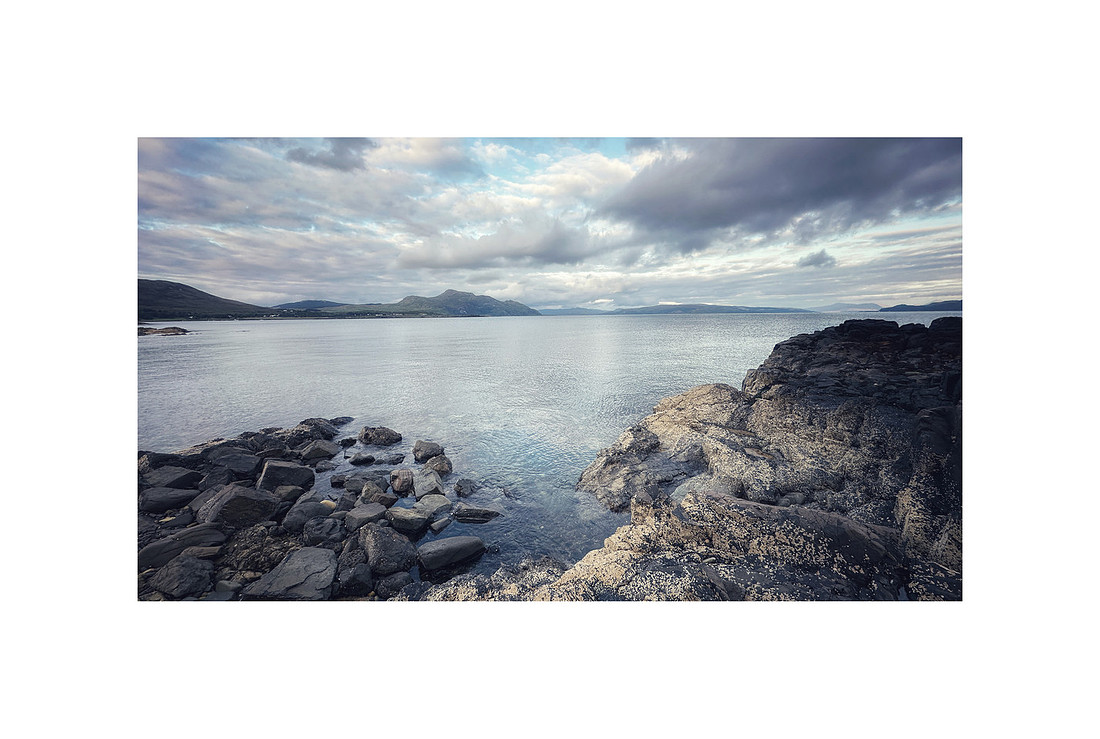
In practice, this often means returning to a group of images without a fixed intention, allowing them to be seen again without immediately assigning meaning or value. I find myself moving slowly between photographs, sometimes pausing on one for longer than expected, not because it stands out in any obvious way, but because it holds my attention in a quieter, less definable manner. It may be a subtle shift of light across water, the arrangement of stones along a tidal edge, or the meeting of sky and land in a way that feels balanced without drawing attention to itself. These are not always the images that would have been selected at the time of making, yet in reflection they begin to carry a different weight.
On images made in Ardnamurchan, this practice takes on a particular depth, perhaps because the landscape itself resists haste. The place does not reveal itself fully in a single visit, nor does it offer itself easily to quick interpretation. To sit with the work that has emerged from such a landscape is to recognise that it shares something of this character. The photographs hold within them a quiet persistence, a sense that they are not finished with us, even if we might feel, at times, that we are finished with them.
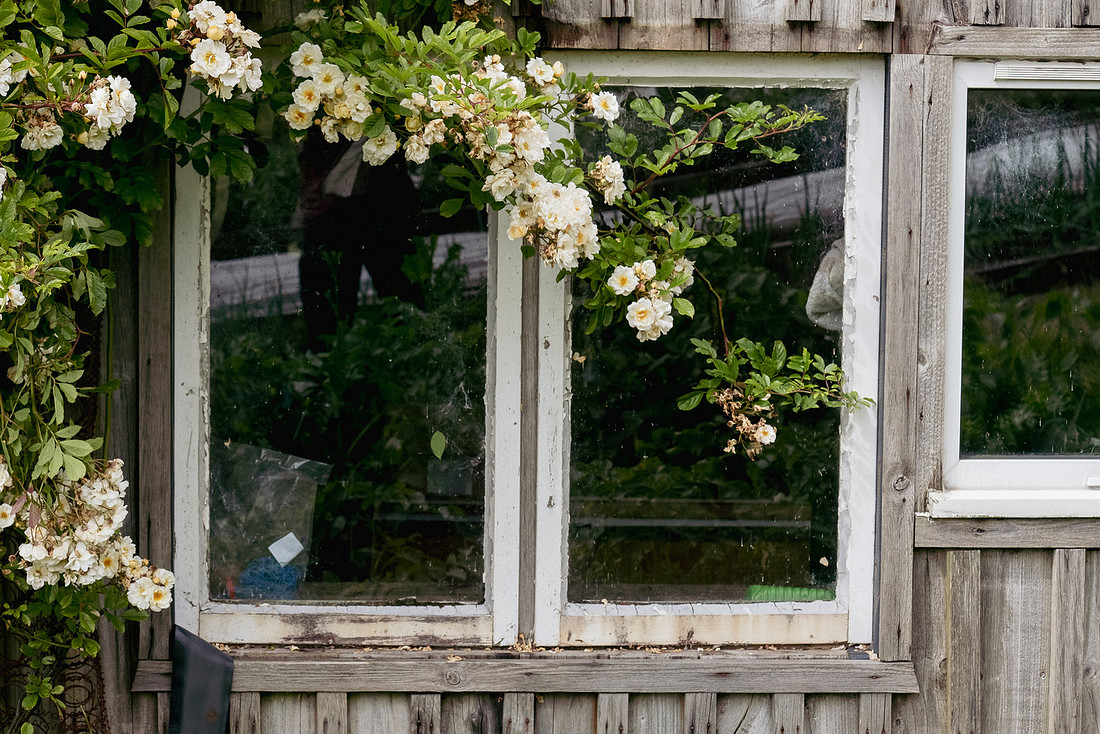
This patience begins to affect the way in which relationships between images are perceived. Photographs that once seemed unrelated begin to speak to one another, not through obvious similarity, but through tone, through atmosphere, through the way they carry a certain quality of attention. A shoreline seen under heavy cloud may begin to resonate with a distant ridge caught in softer light, not because they depict the same subject, but because they share something less tangible, something that sits beneath the surface of the image and connects them across time.
There is also a sense in which sitting with the work allows it to resist explanation. Not everything needs to be understood in a direct or immediate way. Some photographs remain quiet, their significance not fully formed, or perhaps not yet accessible. In the past, I might have moved past these images more quickly, setting them aside in favour of those that appeared clearer, more resolved, more certain. Now, there is a willingness to let them remain, to allow them space without pressing them into meaning.
This way of working begins to align more closely with the experience of being in the landscape itself. In Ardnamurchan, there are long periods in which very little seems to happen in an obvious sense. Light remains flat, the air still, the sea steady and unchanging. Yet within that stillness there is a depth of experience that only becomes apparent through time, through remaining present without expectation. Sitting with the work mirrors this, encouraging a similar attentiveness, one that is not driven by outcome, but by a willingness to remain.
Gradually, something shifts. It is not a moment of clarity in the way that illumination might arrive, nor is it a decisive understanding that resolves the work into something fixed. It is more subtle than that, a quiet recognition that certain images begin to gather meaning through their persistence, through the way they continue to draw the eye, not by force, but by invitation. They do not demand attention, yet they hold it, and in doing so they begin to shape the way the work is understood as a whole.
To sit with the work, then, is not a passive act, though it may appear so at first. It is a form of engagement that requires attentiveness, patience, and a willingness to remain open. It is through this sustained attention that the photographs continue to live, not as finished objects, but as part of an ongoing conversation, one that extends beyond the moment of making and continues, quietly, through reflection and return.
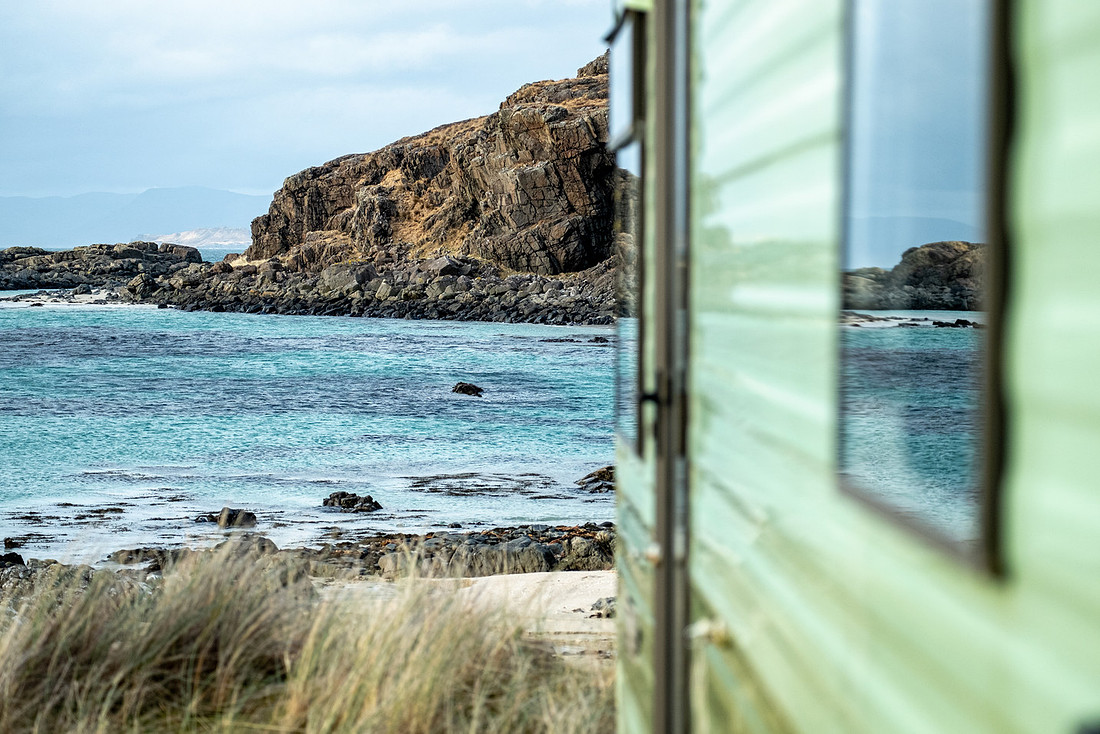
Letting Go
Leigeil às
There is a moment, often quiet and without ceremony, when the need to hold too closely to the work begins to loosen, when the effort to define, to resolve, or to quietly measure what has been made gives way to something more open, and perhaps more honest. Letting go, in this sense, is not an act of dismissal, nor is it a turning away from the photographs or the experience they hold. It is, rather, a gradual release of expectation, a softening of the desire for certainty that so often accompanies the creative process.
In earlier stages, there may have been a searching for clarity, a hope that the work might reveal itself in a form that feels complete or assured. Even in reflection, there can remain a subtle inclination to categorise, to decide which images carry weight and which do not, which feel resolved and which seem to fall short of what was intended. These tendencies are not without purpose, yet they can also narrow the field of attention, drawing us away from quieter images that do not immediately announce their presence.
To let go is to recognise this impulse without being governed by it. It is to allow the photographs to exist without insisting that they justify themselves. Some images will continue to draw the eye, not because they conform to any fixed idea of success, but because they hold something that remains in motion, something that has not yet settled into a single understanding. Others may recede, not because they lack value, but because they belong to a different moment of attention, one that may return again in time.
On returning to work made in Ardnamurchan, this act of letting go takes on a particular depth. The land itself resists easy definition. It does not offer itself in ways that can be fully grasped or contained, and it does not ask for conclusions to be drawn from a single encounter. The photographs, which arise from this landscape, carry something of that same quality. They do not require resolution. They do not need to be held within a fixed interpretation. Instead, they invite a continued openness, a willingness to allow their meaning to shift, to remain incomplete, and, in that incompleteness, to remain alive.
There is also a recognition, in this letting go, that not everything needs to be carried forward. Part of the process involves a gentle release, an understanding that certain images, certain moments, may simply rest where they are. This is not a loss, nor is it a failure of attention. It is part of the natural movement of the work, a way in which the process remains fluid rather than fixed. To hold on to everything with equal intensity would be to still the very movement that allows the work to grow and to change.
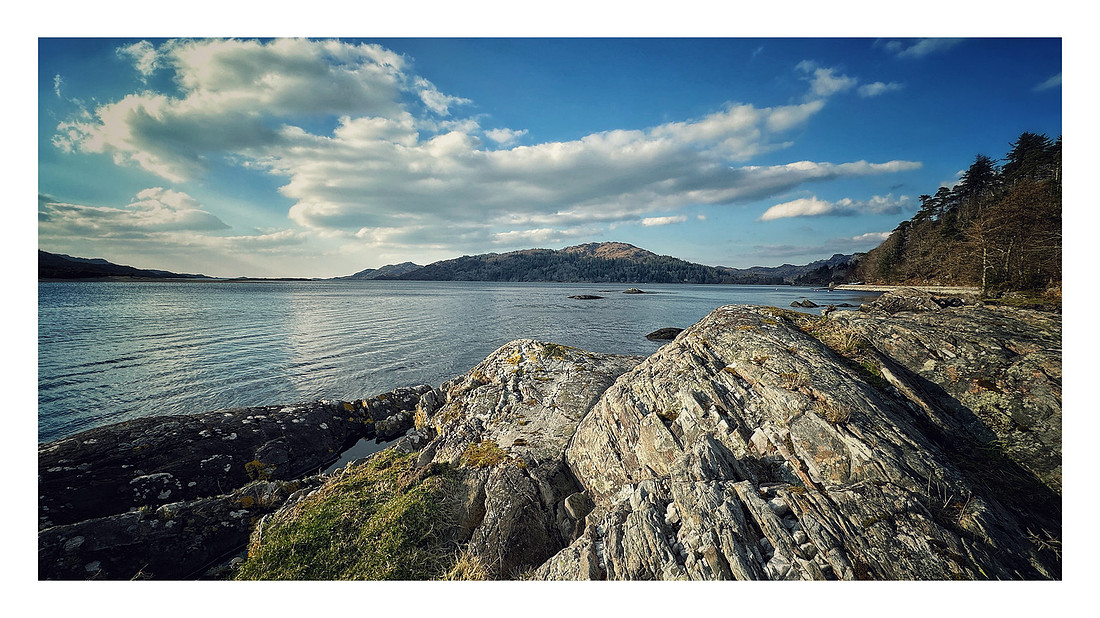
At times, letting go can feel uncertain. Without the framework of judgement, there is less to rely on, fewer markers to indicate where the work stands or what it might become. Yet it is within this uncertainty that a different kind of trust begins to emerge. The photographs do not need to be resolved in order to matter. The experience of making, of returning, of sitting with the work, carries its own value, one that is not diminished by the absence of clear conclusions.
There is a quiet freedom in this. The work is no longer held tightly within the expectations that may have shaped it at the outset. It is given space to breathe, to shift, to reveal different aspects of itself over time. In Ardnamurchan, where change is constant yet often subtle, this feels entirely in keeping with the character of the place. Light alters gradually across the land, weather moves in without warning, and the same shoreline, revisited, never appears in quite the same way. To let go within the work is to allow it to remain connected to this movement, rather than separating it into something fixed and final.
What remains, then, is not a collection of resolved images, but a body of work that continues to live, to evolve in quiet ways through ongoing attention and return. Letting go does not end the process. Instead, it opens it outward, allowing the photographs to take their place within a wider continuum, one that extends beyond the individual image and into the larger rhythm of making, reflecting, and returning.
In this way, letting go becomes less an action and more a way of being with the work, an acceptance that what has been made is only ever part of something larger, something that cannot be fully contained, and does not need to be.
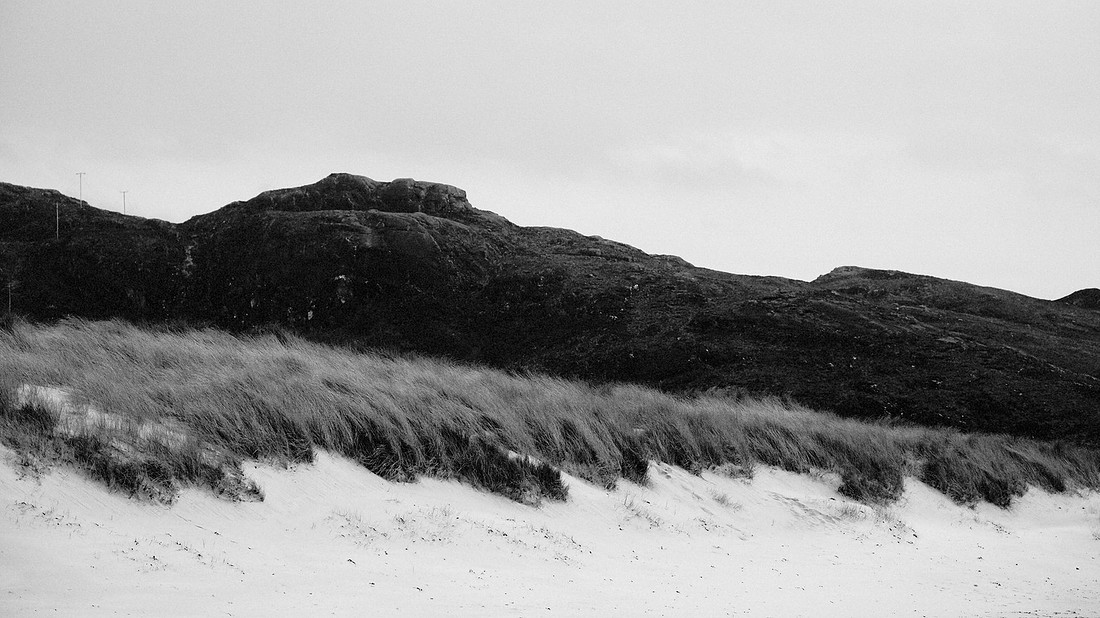
Returning, Again
An Tilleadh a‑rithist
In the end, there is no real end to this process, only a quiet turning, a sense that what has been held in reflection now begins to move once more, not forward in any fixed direction, but outward, and back into the landscape from which it came. The photographs remain, as do the moments that shaped them, yet they no longer sit as something separate, something completed and set aside. Instead, they begin to dissolve gently into a wider understanding, one that is carried with us as we return again to Ardnamurchan, to its edges, its light, and its unhurried presence.
It is often on arrival that this becomes most apparent. The crossing from the mainland, the gradual narrowing of the road, the first open view across the Minch where sky and sea begin to hold equal weight, all signal a return that is both physical and inward. The places that have been photographed before, Sanna with its wide sweep of sand and low grasses, the quieter, more contained shoreline at Ardtoe, the elevated ground above Portuairk where land falls away toward the water, are encountered again, yet never in quite the same way. Light alters, weather shifts, and with it, perception adjusts, shaped not only by what is present, but by all that has been experienced before.
In this returning, the photographs begin to take on a different role. They are no longer simply records of previous encounters, nor are they guides to what should be seen. Instead, they act more quietly, informing attention without directing it, allowing certain sensitivities to surface while leaving space for the unexpected. The image of a shoreline may not correspond exactly to what lies before me, yet it carries an awareness of pattern, of tone, of the way light might fall across water or settle against stone. It does not recreate the moment, but it prepares the ground for seeing again.
There is a particular quality to Ardnamurchan that deepens this sense of continuity. The peninsula does not reveal itself quickly, nor does it change in dramatic or immediate ways. Its shifts are often gradual, carried in the slow movement of cloud, the subtle variation of light through the day, the cyclical turning of seasons that alters colour, texture, and atmosphere over time. To return here is not to seek something entirely new, but to enter again into a landscape that rewards attention, that offers depth through repetition, and that holds within it a quiet persistence.
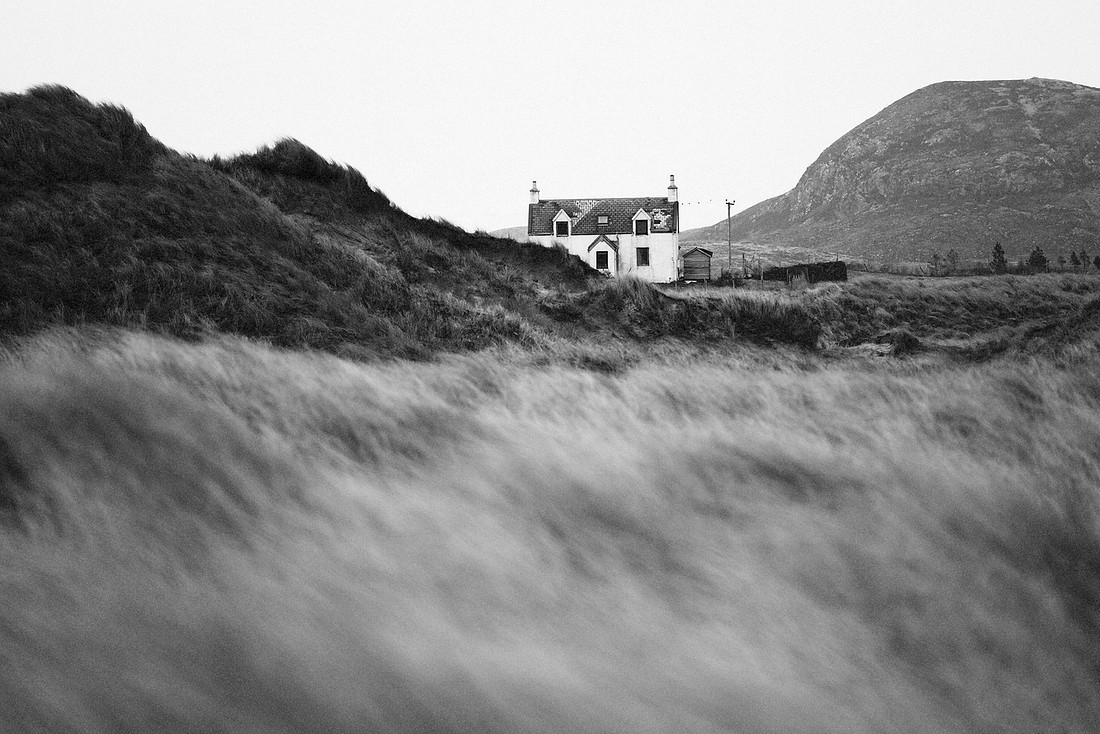
Walking again along the machair at Sanna, or standing at the edge of the rocks where the sea meets land in a steady rhythm, there is a sense that the act of seeing has already been shaped by what has come before. Not in a way that limits perception, but in a way that allows it to deepen. Small details, which may once have passed unnoticed, begin to hold greater significance. The texture of sand shaped by wind, the shifting line where water recedes, the way cloud breaks to reveal a brief clarity of light, all become part of an ongoing dialogue between past and present encounters.
Reflection, in this sense, does not draw the work inward and close it down. It extends it outward, returning it to the landscape, allowing it to continue beyond the frame of the photograph and the moment of its making. What has been seen, and later reconsidered, begins to inform what is seen next, though never in a way that can be fully anticipated or controlled. The process remains open, responsive, and grounded in the particularities of place.
There is also a quiet acceptance here, one that emerges through the act of letting go. The need to resolve the work, to define it or to bring it to a point of completion, gives way to a recognition that it is part of a longer movement, one that does not settle into a final form. The photographs exist within this movement, not as conclusions, but as points of connection, moments that continue to resonate and to shift through time.
As I return once more to Ardnamurchan, whether in presence or in memory, there is a sense that the cycle continues without needing to be named. The initial spark may arise again in a different form, attention may deepen and settle, clarity may emerge and pass, and reflection will follow, not as an ending, but as part of the rhythm of the work. The land remains, constant in its presence yet always changing, offering itself again to be seen, to be engaged with, and to be returned to.
And so the process carries on, quietly and without conclusion, held within the ongoing relationship between self, image, and place. Ardnamurchan does not ask for finality. It invites return.
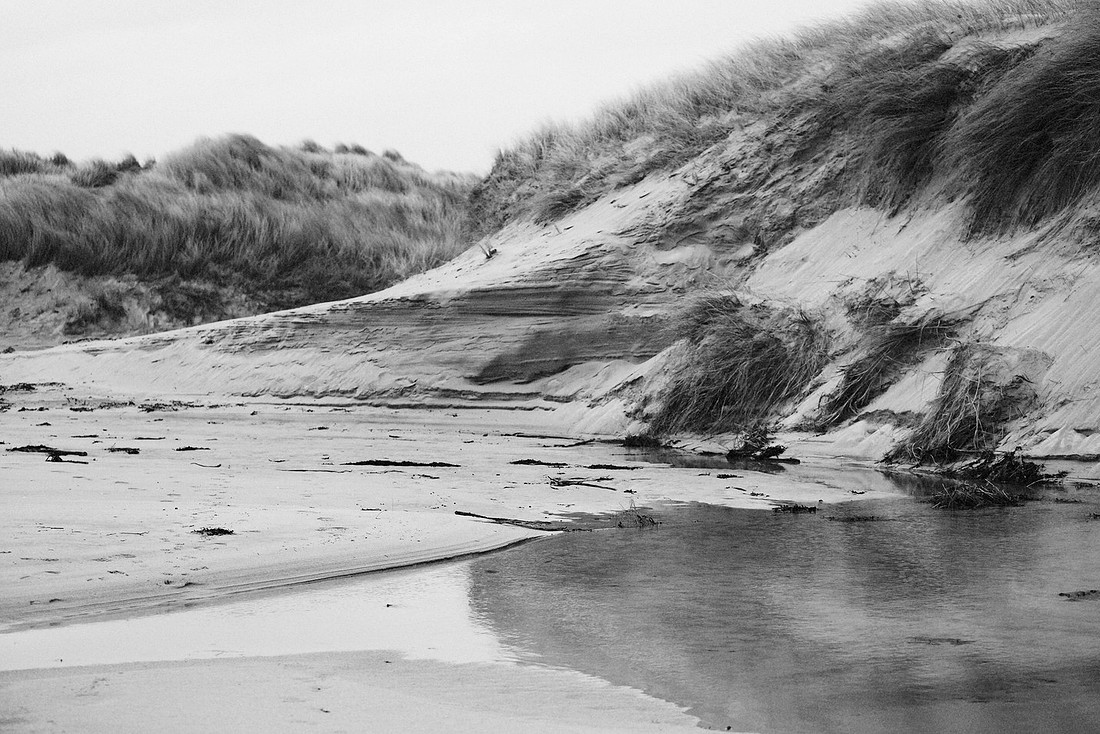
And so the work settles, not into conclusion, but into a quiet continuation, held in thought, in memory, and in the landscape itself, for those who may wish to walk a little further into these ideas.
Further Reading and Influences
The writing within this series has emerged not from a single source, but from a gradual weaving together of ideas encountered over time, through reading, walking, photographing, and returning. The reflections offered here have been shaped by earlier explorations of creativity and reflective practice, by thinkers who have considered deeply the nature of attention, perception, and place, and by writers whose work continues to open the landscape in new and unexpected ways. What follows is not intended as a definitive list, but as an invitation, a small gathering of texts that may offer further pathways into these questions of seeing, making, and returning.
Bibliography
Abram, D. (1996) The Spell of the Sensuous: Perception and Language in a More-Than-Human World. New York: Vintage.
Barthes, R. (1980) Camera Lucida: Reflections on Photography. London: Vintage.
Berger, J. (1972) Ways of Seeing. London: Penguin.
Boud, D., Keogh, R. and Walker, D. (1985) Reflection: Turning Experience into Learning. London: Routledge.
Ingold, T. (2000) The Perception of the Environment: Essays on Livelihood, Dwelling and Skill. London: Routledge.
Ingold, T. (2011) Being Alive: Essays on Movement, Knowledge and Description. London: Routledge.
Macfarlane, R. (2012) The Old Ways: A Journey on Foot. London: Hamish Hamilton.
Macfarlane, R. (2015) Landmarks. London: Hamish Hamilton.
Maclean, S. (2011) Ris a’ Bhruthaich: The Critically Annotated Poems of Sorley MacLean. Edinburgh: Birlinn.
Murray, J. (2020) Reading the Gaelic Landscape. Caithness: Whittles Publishing.
Pentecost, L. A. (2021) Gaelic and Ancient Language on Ardnamurchan and Rùm. Available at: Read article on Ardnamurchan Gaelic (Accessed: 15 June 2026).
Robinson, K. and Aronica, L. (2015) Creative Schools: Revolutionizing Education from the Ground Up. London: Penguin.
Schön, D. (1983) The Reflective Practitioner: How Professionals Think in Action. New York: Basic Books.
Sontag, S. (1977) On Photography. New York: Farrar, Straus and Giroux.
Young Scot (2024) Scottish Landscapes Originating from Gaelic. Available at: Explore Gaelic place meanings (Accessed: 15 June 2026).
Wallas, G. (1926) The Art of Thought. London: Jonathan Cape.
Borel, R. (2024) The Power of Reflection in Photography: Enhancing Technical Skills and Boosting Creativity. Available at: View article on reflective photography (Accessed: 15 June 2026).