Spiorad aird nam Murchan Pt 29 Creativity III Illumination

Spiorad Àird nam Murchan – Part 29
Creativity III – Illumination
An Soilleireachadh – The Moment of Emergence
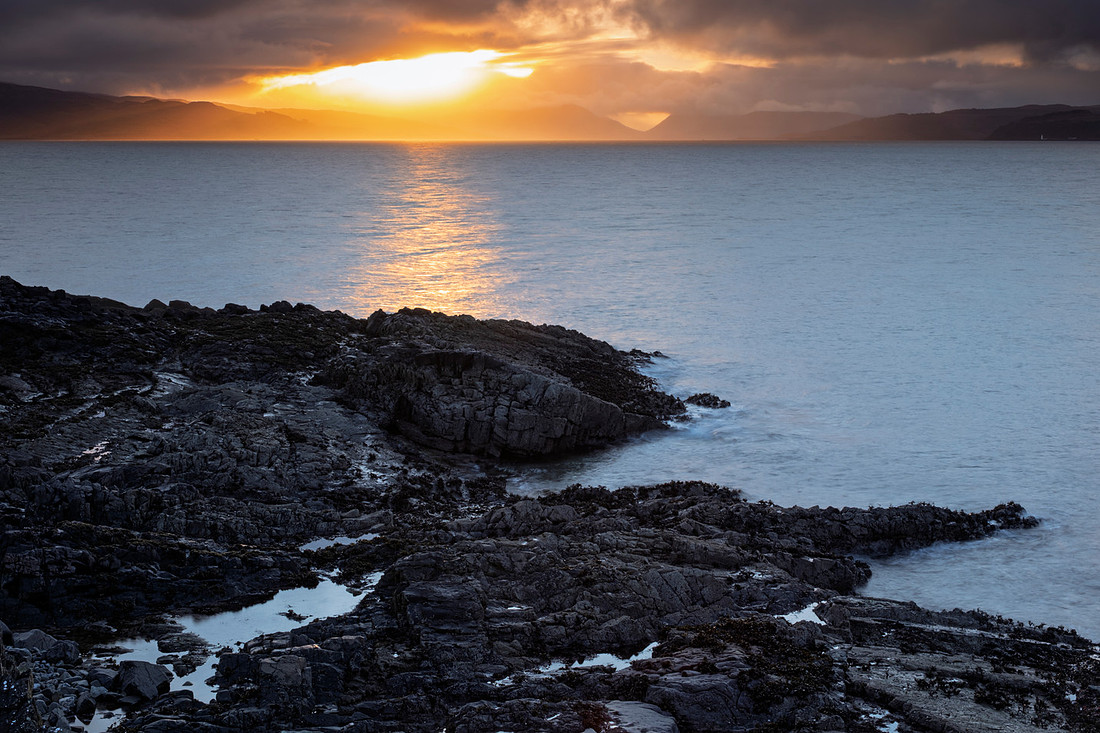

From Quiet Formation to First Light
In Part 28, we spent time within the stillness of Incubation, recognising it as a phase where very little appears to happen on the surface, yet something essential is quietly forming beneath awareness. It is a stage that resists measurement or clear articulation, defined not through outward action, but through patience, attentiveness and an acceptance that the creative process often moves beyond what we can consciously direct.
From within that stillness, illumination begins to emerge.
It does not arrive with force or interruption, nor does it announce itself with clarity from the outset. Instead, it becomes perceptible in a gradual way, as something long held just beyond immediate awareness begins to take shape. Graham Wallas described this as the stage of insight, the moment where a new idea comes into consciousness following a period of incubation, yet even this framing can suggest a suddenness that does not entirely reflect lived experience.
Here, in Ardnamurchan, illumination more often feels like a change in atmosphere than a moment of arrival.
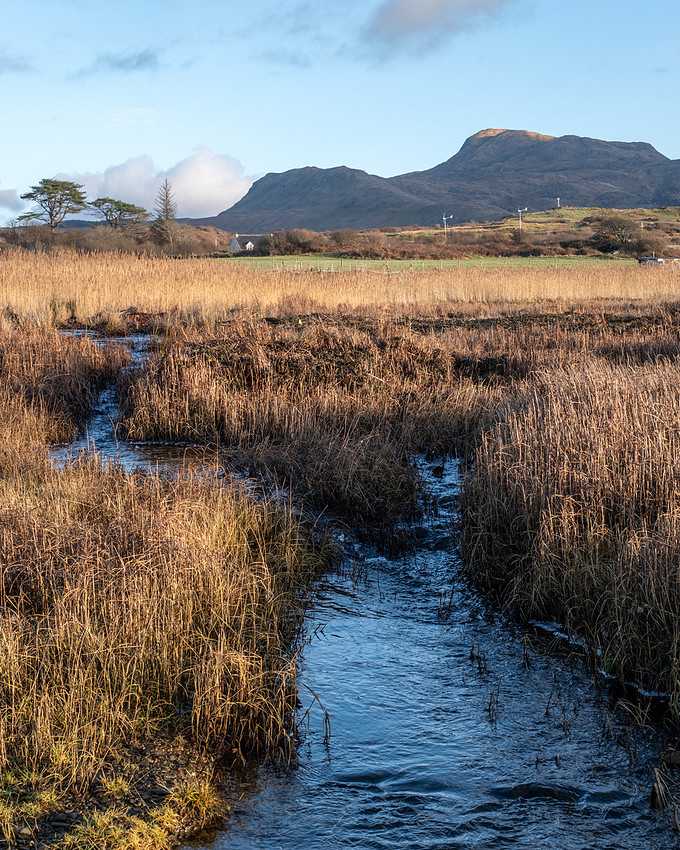
There are mornings when the peninsula holds a dense, low ceiling of cloud, the kind that settles quietly over the land and seems to absorb distance, softening the separation between sea, rock and sky. You walk within it without urgency, your steps slowed slightly by the dampness in the air, the peat underfoot holding the weight of recent rain, the faint salt of the Atlantic carrying across from beyond the headland. Over time, almost imperceptibly, that density begins to lift. Not all at once, but in small openings, where light presses through thin sections of cloud and begins to settle across the land in uneven, shifting bands.
Nothing dramatic has happened, and yet everything has begun to change.
Edges reappear. Colour returns, but not uniformly. Patches of grass begin to hold a different tone against the darker lines of rock. Pools that had been dull and flat start to reflect a brighter sky above them, even while the surrounding land remains subdued. It becomes possible to see further, but also to see more closely, as detail emerges where there was previously only suggestion.
There are afternoons when the tide appears to hesitate before it turns, where the surface of the water maintains its direction even as something deeper has already begun to shift. There are familiar paths that feel unchanged until, on one particular return, something within them settles into alignment, and the place that you have walked many times begins to feel newly perceptible.
Illumination sits within this kind of movement, where what emerges does so in its own time, shaped by conditions that cannot be hurried, and carrying with it a quiet sense that it could not have arrived any sooner.
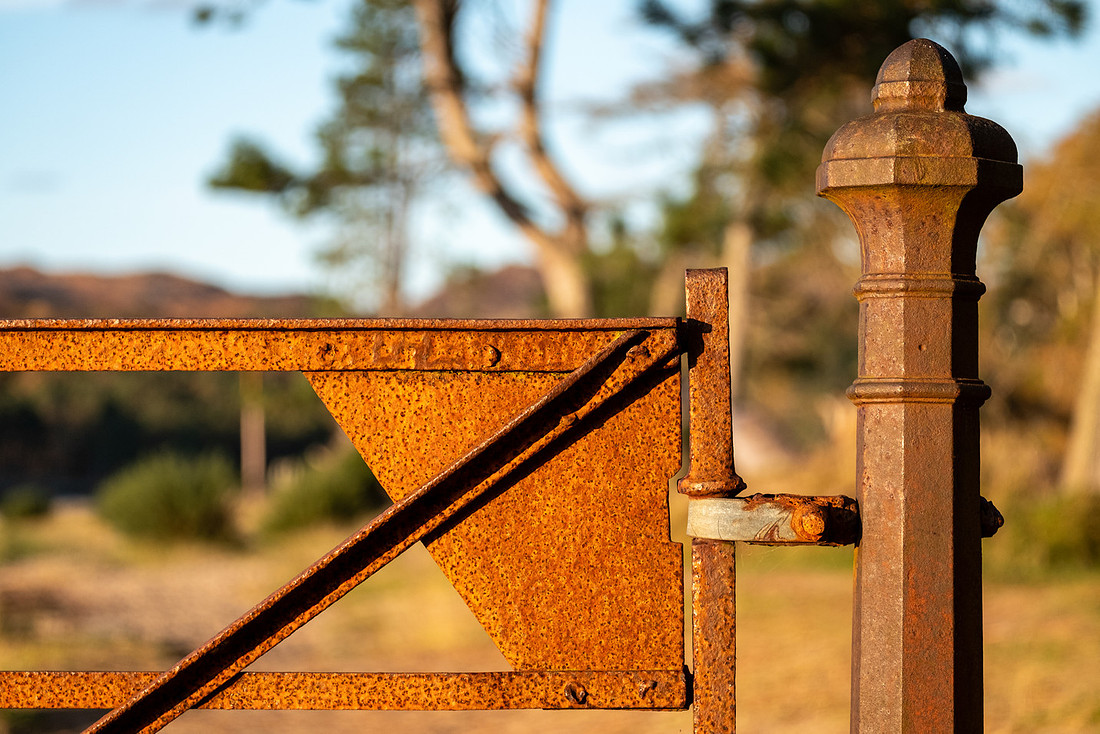
What Is Illumination in the Creative Process?
It is easy to fall back on familiar language when describing this stage, particularly the idea of the lightbulb moment, which has become shorthand for creative insight. The phrase suggests clarity appearing suddenly and in isolation, as if a solution arrives complete and detached from everything that came before.
However, this understanding oversimplifies what illumination actually holds.
In practice, illumination is rarely separate from the longer process that precedes it. It does not arise in isolation, nor does it exist without context. Instead, it gathers weight through everything that has been carried into incubation, including experiences, observations, uncertainties and unresolved questions. When something becomes clear, it does so because these elements have begun to align in a way that allows recognition to take place.
Wallas positioned illumination as part of a broader sequence, following both preparation and incubation, and before any formal stage of testing or development. Research since then continues to reinforce the idea that insight emerges from connections formed beneath conscious awareness, often during periods of rest or apparent distraction.
This shifts the emphasis away from invention.
Illumination does not feel like something being constructed in the moment. It feels like something becoming visible, as though it had been present in an incomplete or unarticulated state and has now reached a point where it can be recognised.
It is also important to understand that illumination is not the finished work. It is not the resolution of the process. Rather, it marks a point of clarity, a sense of direction or coherence that allows the work to begin to take form in a more intentional way.
Without time, and without the depth that incubation provides, illumination remains shallow. It may still occur, but it lacks the grounding that allows it to carry substance.
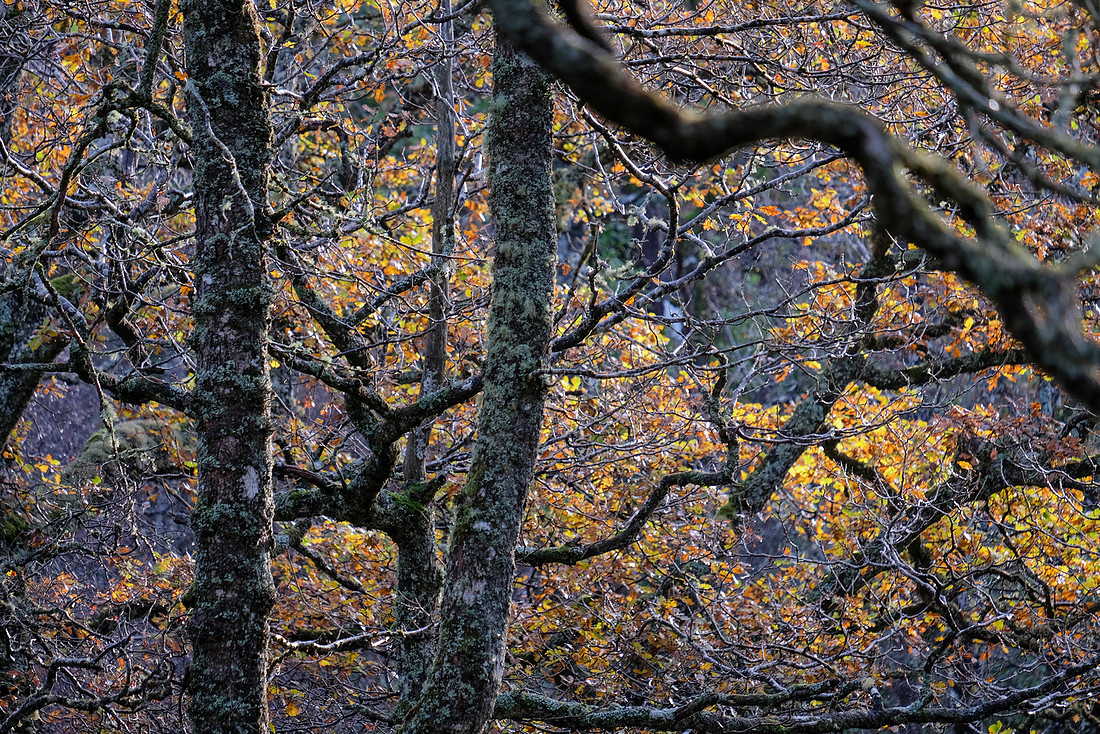
Illumination as Recognition, Not Creation
There is something in Yi-Fu Tuan’s writing that helps to hold this idea in place, particularly his observation that to experience is to learn, and that learning involves acting on what is given while also shaping something from it.
Illumination can be understood as the point where experience begins to organise itself into something that can be held and recognised. It does not emerge as an entirely new idea, detached from what has come before, but as the moment where prior experience begins to settle into a form that makes sense.
To experience something fully often requires time, not only in the moment of encounter, but in the period that follows, where what has been felt and observed continues to move beneath the surface. Illumination is closely tied to this process, as a form of realisation that depends on what has already been lived through.
Tim Ingold’s perspective on landscape adds further depth to this understanding. His suggestion that landscape should be understood as a process of becoming rather than a fixed or static object invites a way of thinking in which perception is always evolving. When applied to creative work, this means that what we see, and what we understand, is never separate from the movement of time.
In practical terms, this becomes particularly apparent when returning to the same location over extended periods. A composition that once felt unresolved may, at some point, begin to reveal itself with clarity. The arrangement of elements has not changed, yet your relationship to them has shifted, allowing something new to become visible within what was already there.
Illumination, in this sense, is not about constructing meaning, but about recognising it.
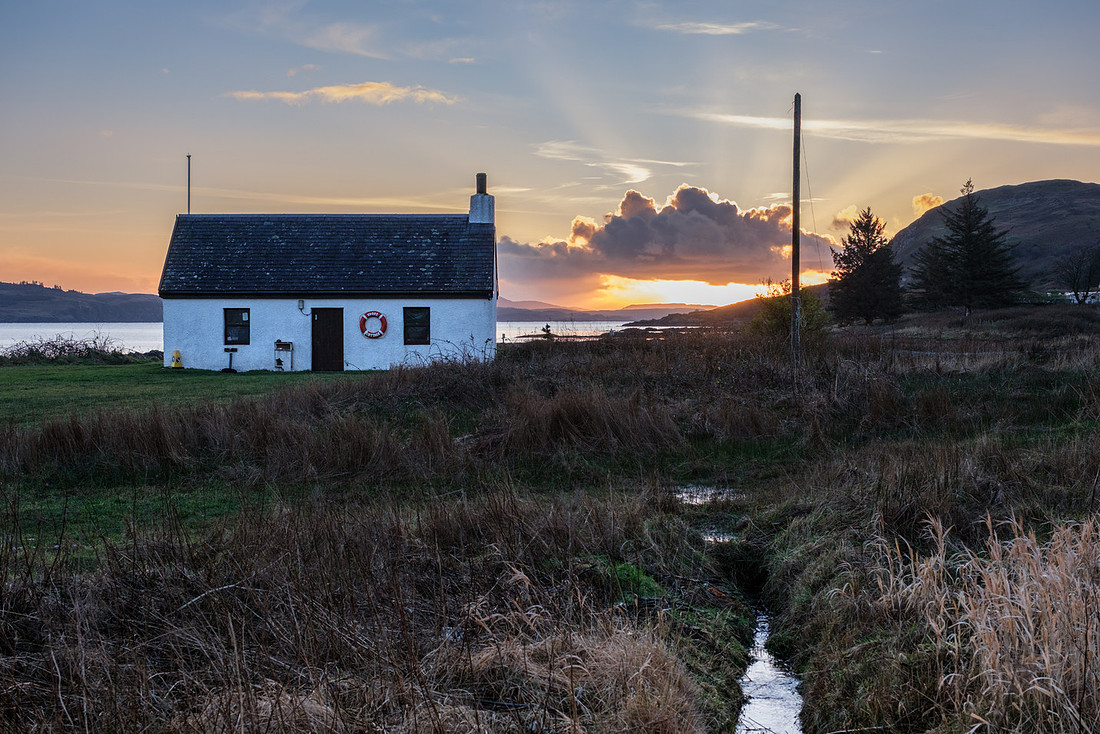
Illumination and the Role of Place
Within a place-based practice, illumination rarely originates from within the individual alone. Instead, it arises through an ongoing relationship with the environment, where attention, movement and presence contribute to a gradual deepening of understanding.
It becomes evident over time that ideas are not simply imposed onto the landscape. Rather, the landscape offers moments, alignments and conditions that invite response. There is a subtle but significant difference in direction here, where meaning is not projected outward, but encountered through sustained engagement.
There are instances where light aligns across the horizon in a way that could not have been anticipated. There are periods when the wind subsides and the atmosphere settles into a kind of stillness that allows previously obscured details to emerge. There are soundscapes that shift from fragmented to coherent as the elements within them fall into relationship with one another.
All of this happens beyond direct control.
Illumination, therefore, is relational. It is dependent on time spent, on returning, on remaining attentive even when nothing appears to be happening. It is shaped by the dialogue between what is present in the environment and what is carried within your own experience.
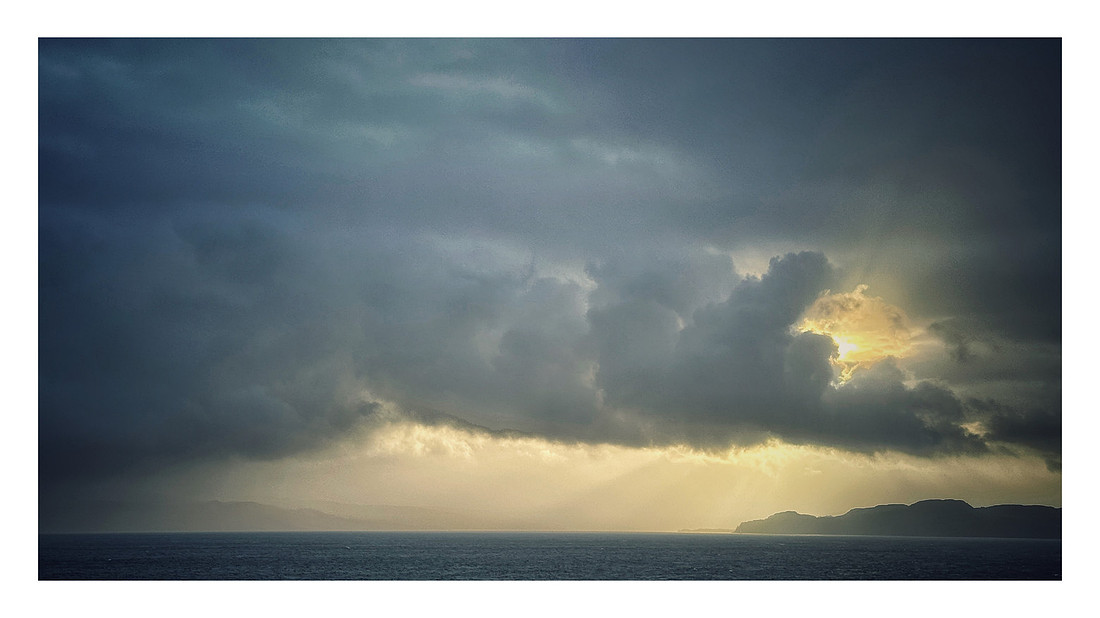
Illumination, Light, and the Photographic Moment
Within photography, illumination carries an additional layer of meaning, one that is grounded in the literal presence of light.
Light is not only the medium through which the image is made, but the condition that allows perception to occur. Yet even here, the deeper experience of illumination extends beyond the technical qualities of light itself.
There is often an assumption that significant light is dramatic or immediately striking, yet over time this expectation begins to soften. Illumination becomes less about intensity and more about alignment, where the relationship between light, land and time begins to feel resolved in a particular moment.
There are occasions when you find yourself stopping without clear explanation. Something within the scene has shifted sufficiently that continuing to walk feels inappropriate. You remain where you are, allowing the moment to unfold rather than moving to capture it prematurely.
It is not always necessary to raise the camera immediately.
The recognition has already taken place.
What follows, if anything, comes from having allowed that moment to settle.
In this way, illumination within photography is not confined to the act of making the image. It exists beforehand, as a perceptual clarity that shapes how the image, if made, will come into being.
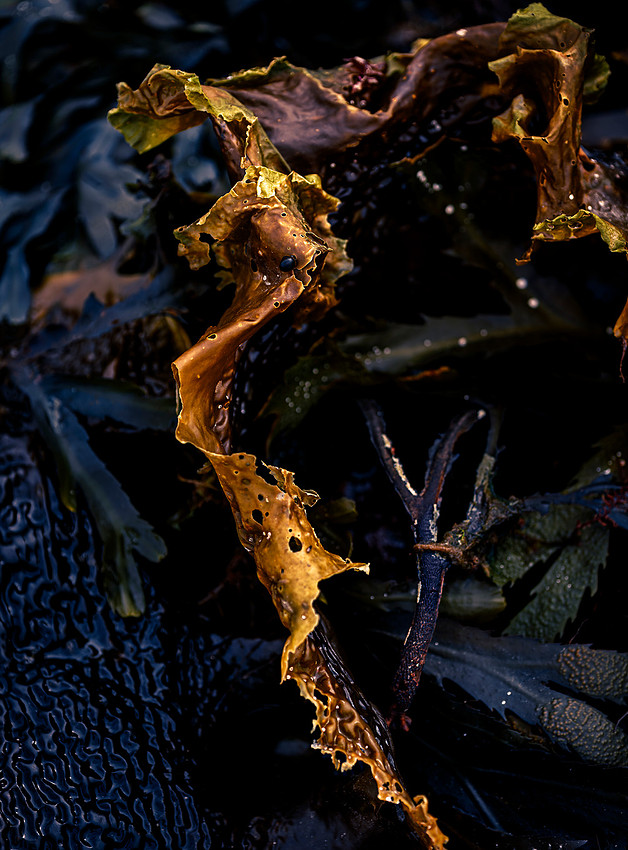
Illumination, Gaelic Language, and the Naming of Place
Within Ardnamurchan, there is another layer of illumination that exists through language, particularly within the Gaelic names that continue to define the landscape.
These names are not arbitrary. They are descriptive, rooted in observation, and often reveal characteristics of place that may not be immediately evident. The study of Gaelic toponymy suggests that many place names were formed through close engagement with the land, reflecting features such as height, water, form or usage.
The name Àird nam Murchan itself, commonly translated as the height of the seals or the headland of the sea, points toward both elevation and relationship with the surrounding water. Within this, there is already a form of seeing embedded in the language, a recognition of what defines the place.
Across the peninsula, similar structures appear. Words such as àird, gleann, and inbhir describe aspects of the landscape that become more apparent once understood. In this way, language begins to function as a guide, offering a means of perceiving the land that is grounded in long-standing observation.
Illumination, then, does not only occur within the individual. It also exists within the land as it has been named and understood over time. Engaging with this language allows a different kind of recognition to take place, where the act of seeing becomes intertwined with the act of understanding.
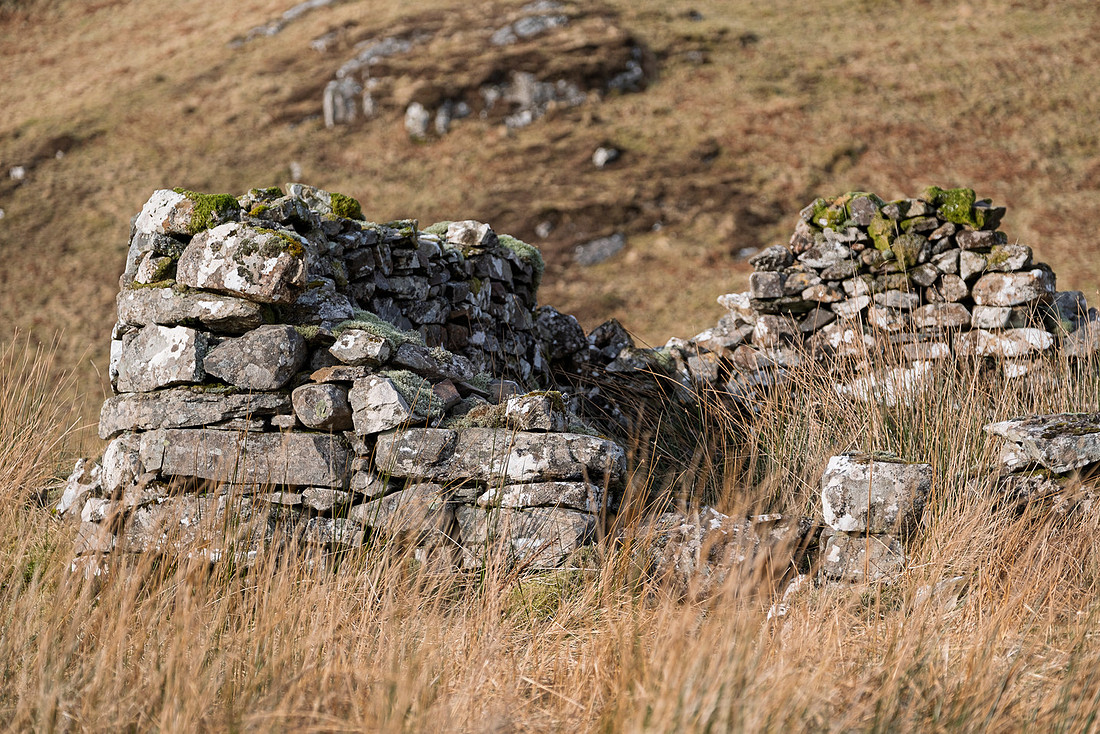
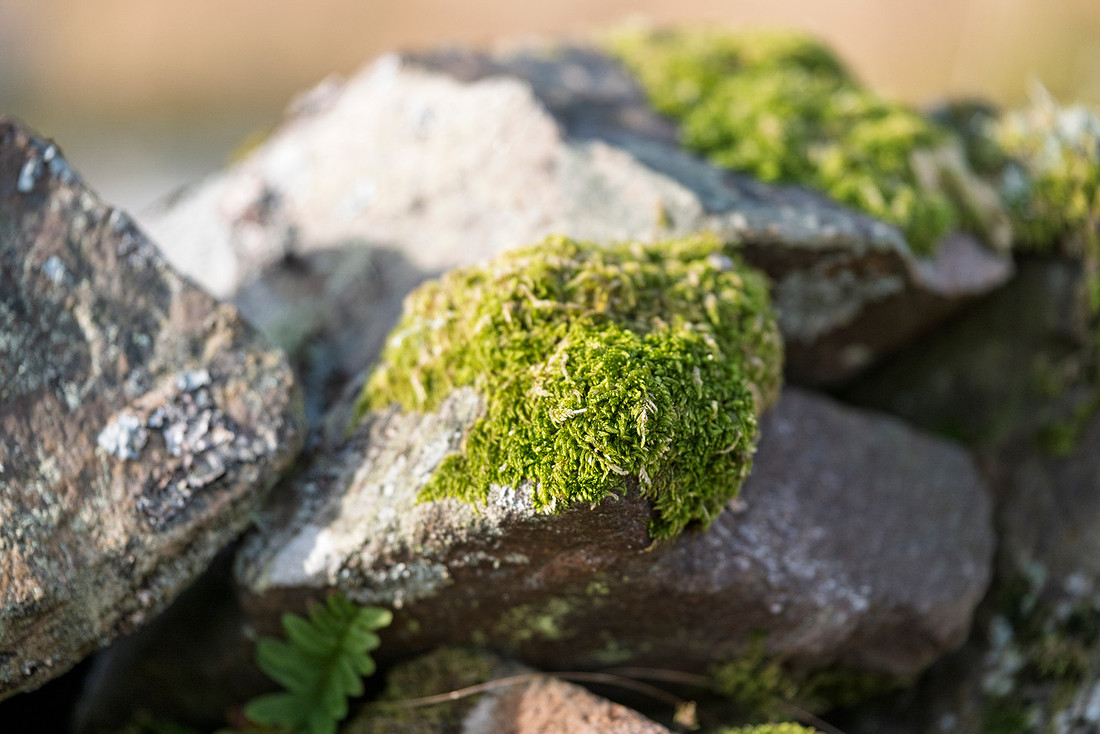
Illumination and the Body, Senses, and Intuition
Illumination often announces itself in subtle ways that are not immediately intellectual.
There can be a physical pause, a sense of stillness that interrupts movement, or a quiet awareness that something has come into alignment. These responses occur before any clear articulation of why they are happening.
You may find yourself standing longer than expected, or returning your attention to something that was momentarily overlooked. There is a sense of recognition, even if it has not yet been fully expressed in thought.
This points toward the role of intuition within the creative process, not as something separate from experience, but as something that arises from it. Intuition can be understood as the body’s response to patterns that have been absorbed over time, allowing a form of knowing that does not rely on immediate reasoning.
At the same time, illumination remains fragile.
It can be easily overlooked if attention is divided or if the desire to act overrides the willingness to remain present. There is often value in allowing these moments to develop without interruption, rather than moving quickly to translate them into action.
Illumination in Long-Term Practice
Within a long-term practice, illumination becomes less about isolated moments and more about accumulation.
Each instance of clarity builds upon previous experience, extending rather than concluding the process. What becomes visible at one stage often leads to further questions, creating a continuous movement rather than a defined endpoint.
Over time, returning to the same locations reveals this in a very tangible way. Scenes that once felt unresolved may begin to hold a different kind of presence, as earlier experiences begin to inform how they are perceived.
In this context, illumination is not a final stage.
It functions more as a threshold, opening into further exploration.
The Relationship Between Illumination and Making
When clarity begins to emerge, there can be a natural inclination to move quickly towards making.
The sense of having reached understanding can create urgency, as though the next step must follow immediately. However, there is value in allowing a period of pause between recognition and action.
Illumination provides direction, but it does not provide completion.
Holding the moment, remaining within it, and allowing it to settle can deepen the work that follows. The transition into making becomes more considered, rather than reactive.
The process of shaping an idea into form belongs elsewhere, within a different phase of the work.

Where the Light Begins to Lift
Illumination is neither constant nor predictable.
It cannot be summoned directly, nor can it be sustained indefinitely. It appears when the conditions allow it to surface, shaped by time, attention and experience, and often recognised only when it is already beginning to pass.
Without incubation, it lacks depth.
Without patience, it may pass unnoticed.
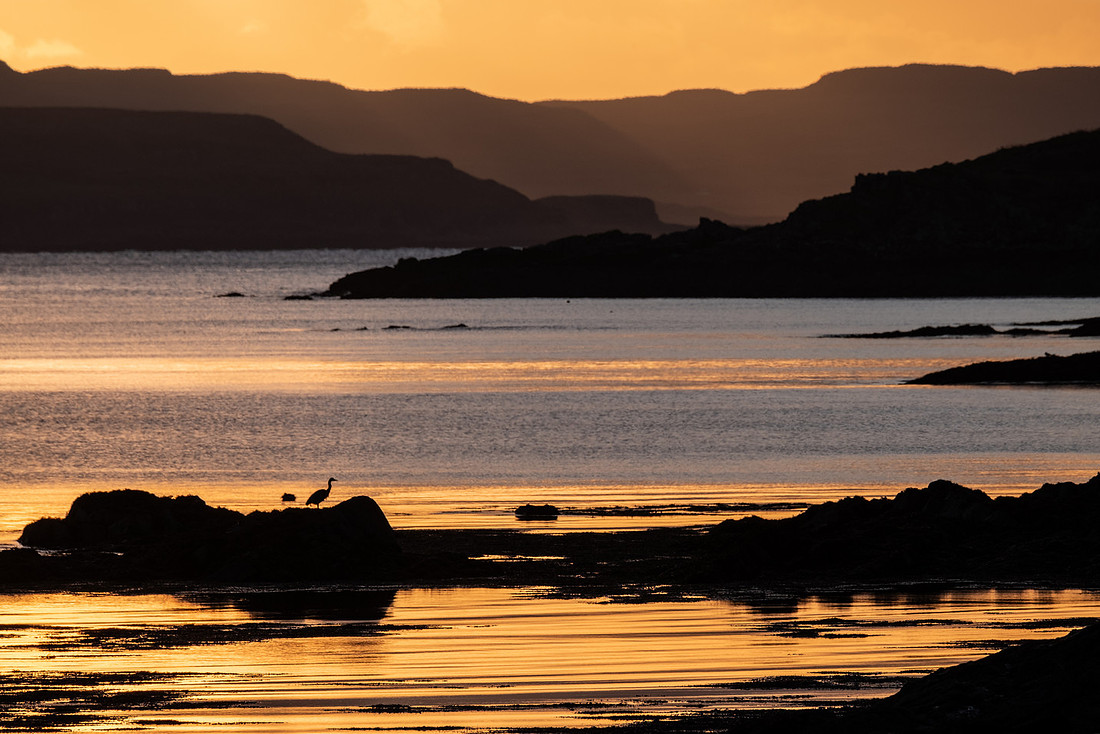
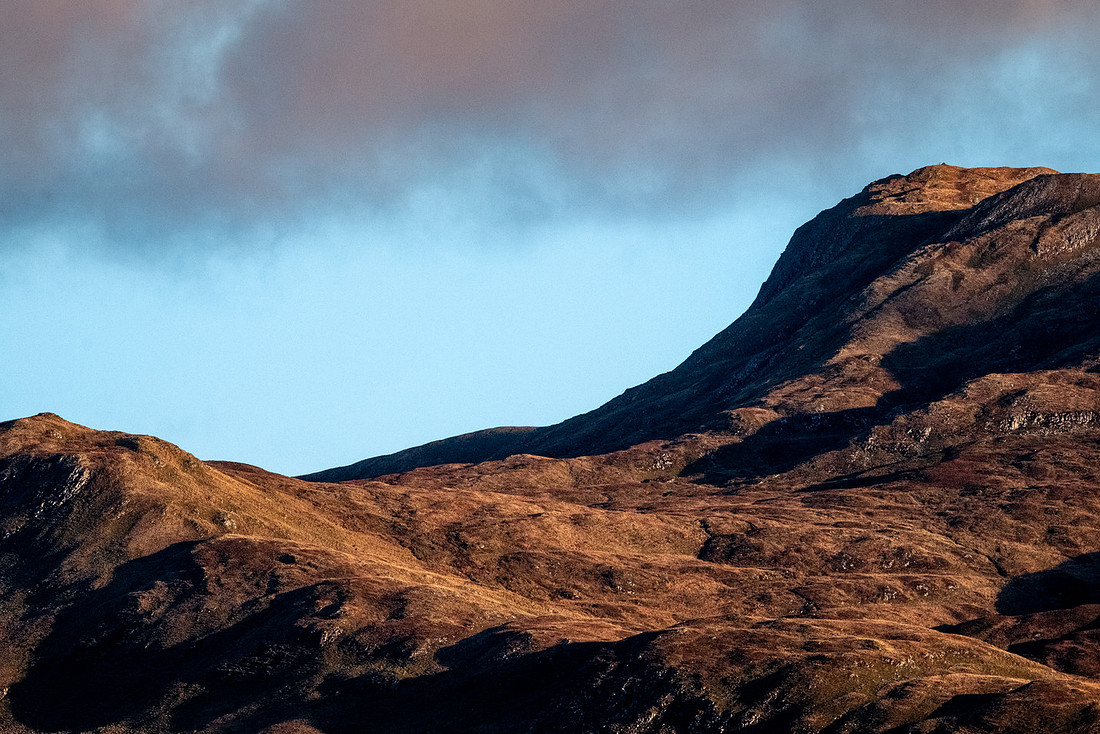
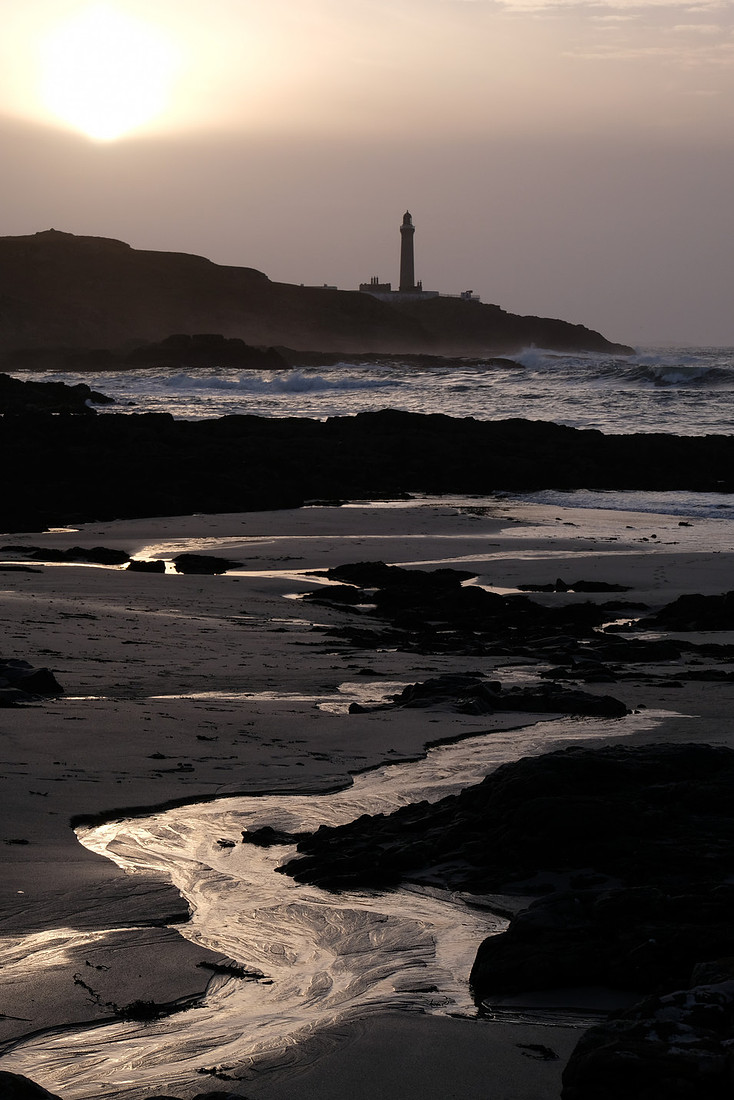
Across Ardnamurchan, this is carried most clearly in the moments where the light begins to lift across the peninsula. There are evenings when the last of the sun draws slowly across the land, not as a defined edge of brightness, but as a gradual shift in tone that moves across rock, grass and water with a quiet and almost imperceptible progression. The western horizon softens first, the sea holding a pale reflection that seems to extend inward, while the inland slopes remain in shadow, their form held more by memory than by sight.
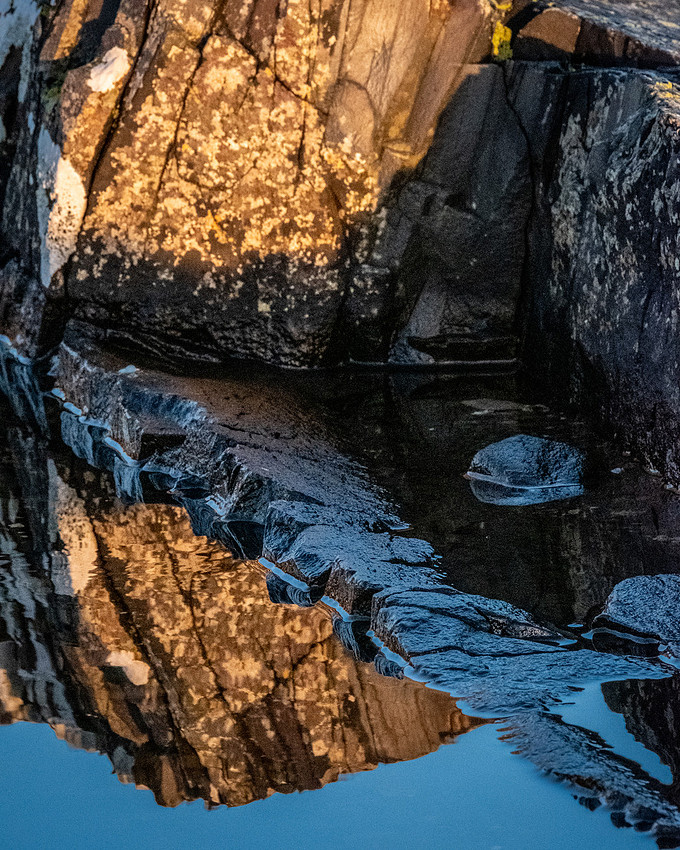
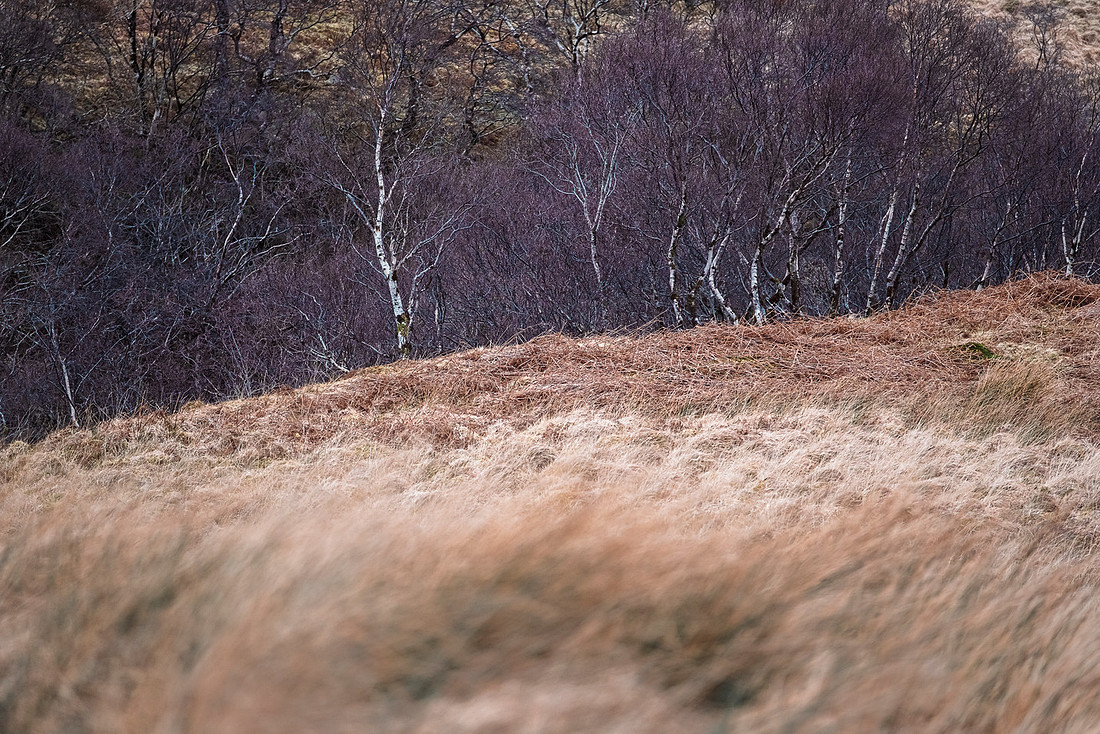
As the light continues to settle and change, small details begin to separate themselves from the whole. The curve of a shoreline becomes more distinct. Wet stone catches a faint brightness that holds only briefly before fading again. A stand of grasses, barely noticeable throughout the day, begins to carry a softness that moves in the lightest trace of wind, before being absorbed once more into the wider texture of the land.
Nothing in these moments insists on being seen.
They are offered quietly, requiring a kind of presence that is willing to remain without urgency, to allow what is already there to come into view in its own time. It is possible to stand within this shifting light and not register its movement, just as it is possible to return to the same place and find that something within it has aligned in a way that was not previously visible.
Illumination moves in much the same way.
It is fleeting, yet deeply rooted in what has come before. It does not stay, but it leaves something behind, a trace of clarity that begins to shape what follows. It cannot be relied upon, and yet it returns, not through searching, but through staying, through returning, through allowing time to do its work.
Here, more than anything, the peninsula continues to offer this reminder, that light is never fixed, never guaranteed, and yet always capable of revealing something that has been present all along, waiting for the moment when it can be seen.
Over to You
You may find, in reading this, that moments begin to come back to you.
Not as fully formed ideas, but as traces of something that once felt clear, or quietly certain, without needing to be explained. A place you returned to without quite knowing why, or a photograph that came not from searching, but from recognising something that had been waiting.
Illumination often carries this quality, where the moment itself is difficult to hold onto, and yet the sense of it remains, shaping how you continue.
It may be worth spending some time with that.
You might consider when clarity has arrived in your own work, not as something you constructed, but as something you recognised in a way that felt already present. You might reflect on how often you allow ideas to remain unresolved for long enough to take on their full depth, and whether there are moments where a little more time, or a little more patience, might have allowed something to emerge more fully.
There is also the question of trust, which sits quietly beneath all of this.
What might begin to change if you allowed insight to arrive in its own time, rather than trying to locate it directly, or bring it forward before it is ready?
If you feel drawn to respond, you are very welcome to do so in your own way.
It might take the form of writing, of images, or of something quieter that you choose to share. A reflection on a place that has revealed itself over time, or a moment where something came into alignment in a way that you did not expect.
There is no fixed way to approach this.
Only the possibility of noticing where, and how, illumination has already begun to take place within your own practice.
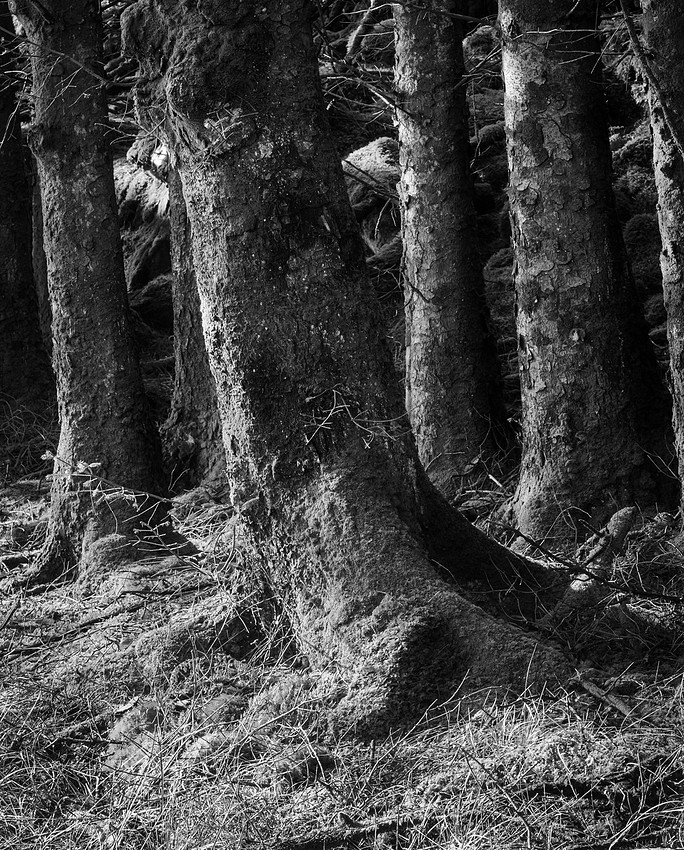
There are places along this coastline where the land feels as though it has been held in the same breath for centuries, where rock, sea and sky seem to meet without urgency, each in its own quiet rhythm. I have stood in those places in all conditions, in wind that strips away thought, in rain that flattens sound, and in long stretches of stillness where even the smallest movement draws your attention. Over time, the familiarity of returning has given way to something deeper, where the act of being there is no longer about finding, but about recognising.
It is not always clear when that shift takes place.
Perhaps it happens somewhere between one visit and the next, or perhaps it has been there all along, waiting for enough time, enough walking, enough looking without expectation. The land does not change for you, and yet it begins to reveal something that feels newly present each time you arrive. Light moves across it differently, or perhaps you begin to notice how it has always moved. Forms settle into relation with one another, not as a composition you construct, but as something you come to understand.
In those moments, there is very little to hold onto.
Only a quiet sense that something has become visible, not in the landscape alone, but within your connection to it. And even as it begins to fade, as it always does, it leaves behind just enough to shape how you return, how you look again, and how you continue.
And so you go back.
Not to repeat what has already been seen, but to stand once more within the possibility that, at some point, the light will begin to lift again.
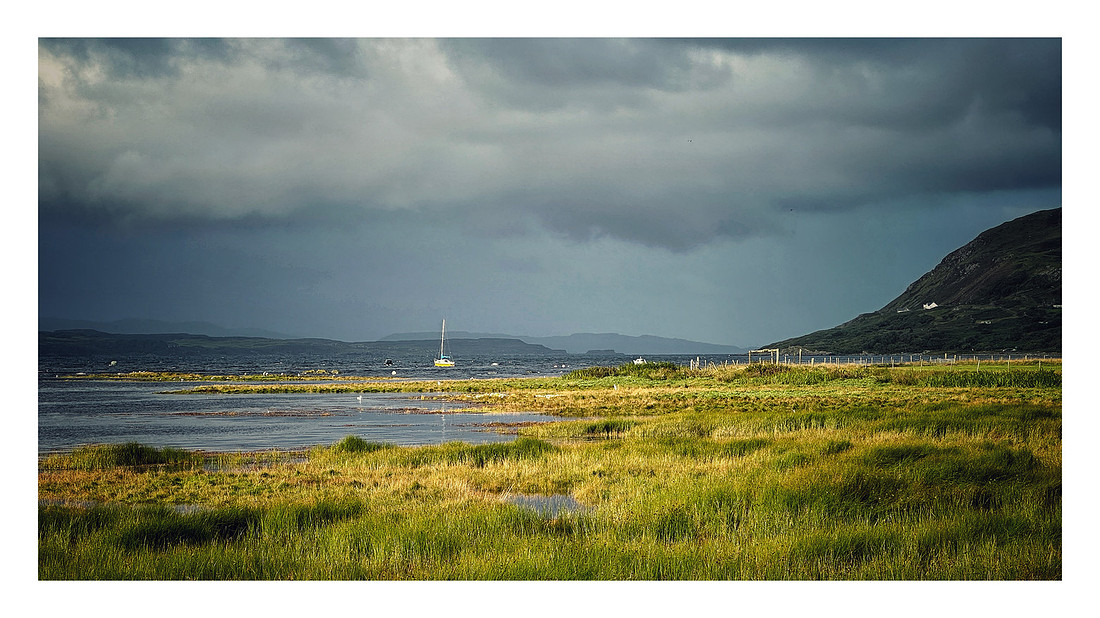
Soilleireachadh
Where the light becomes known
The light does not come
as something new.
It gathers,
slowly,
through water and air,
through stone that has held it before.
You do not see its beginning.
Only that, in time,
it rises through the place
and finds you standing within it.
A shift,
barely felt,
as if the land itself
has breathed differently
and in that breath
something has shown itself.
Nothing altered,
nothing arranged,
only the quiet sense
that what was there
has come close enough
to be seen.
You remain a moment longer,
held between what has been
and what has not yet formed,
until the light moves on
as it always does,
leaving behind
just enough
to bring you back again.
agus an solas a’ togail
(and the light lifting)
Bibliography
Ingold, T. (1993) The Temporality of the Landscape. World Archaeology.
Ingold, T. (2013) Imagining Landscapes: Past, Present and Future. (Quote referenced).
Sadler-Smith, E. (2016) ‘Wallas’ four-stage model of the creative process’. Creativity Research Journal.
Tuan, Y.-F. (1977) Space and Place: The Perspective of Experience. University of Minnesota Press.
Wallas, G. (1926) The Art of Thought.
Benedek, M. & Jauk, E. (2019) in Kaufman & Sternberg (eds.) The Cambridge Handbook of Creativity.
Historic Environment Scotland (2017) ‘Early Gaelic names in Scotland’.
Continue the Exploration…
A few places to linger a little longer with these ideas of light, place, language and the creative process.
1. Landscape, Dwelling, and Perception
Watch
- Tim Ingold | Keynote lecture – Symposium Under the Landscape
A rich and reflective lecture exploring how landscape is not a backdrop, but something lived within and continually formed through practice.
Read
- Tim Ingold, The Perception of the Environment
- Tim Ingold, Being Alive: Essays on Movement, Knowledge and Description
- Tim Ingold, The Life of Lines
Ingold’s work repositions landscape as something we inhabit and come to understand through time, movement and attention. His writing invites a way of seeing in which perception is never separate from experience.
You may also find value in returning specifically to his writing on the temporality of landscape, where perception, memory and lived experience are closely intertwined.
2. Creative Process, Incubation, and Illumination
Watch
- The Creative Process (Five Stages)
A clear overview of preparation, incubation, insight and development, offering a useful structure beneath this current sequence. - The 4 Stages of Creative Genius – Incubation to Illumination
A longer reflection on how ideas form gradually, often becoming visible only after a period of quiet internal movement.
Listen
- Hidden Brain – Unleashing Your Creativity
A thoughtful exploration of how insight often emerges when attention softens, during walking, rest or moments away from focused work.
These perspectives sit closely alongside the idea that illumination is not something forced into being, but something that becomes perceptible over time.
3. Light, Perception, and Landscape Photography
Watch
- A Decade of Landscape Photography Taught Me This About Light
A reflective approach to understanding light as something that shapes perception, not only the image itself. - An Easy Guide to Landscape Photography Light
An exploration of how light transforms the same landscape through subtle changes in direction, quality and atmosphere.
These observations resonate with the idea that illumination is less about intensity and more about alignment, where land, light and awareness begin to settle into relationship.
4. Gaelic Language and the Naming of Place
Watch
- Landscape and Indigenous Language – Gaelic Place Names (Roddy McLean)
A detailed exploration of how Gaelic place names describe landscape through lived observation and long-term familiarity. - Ancient Navigation Secrets in Gaelic Place Names
A conversation on how language becomes a way of reading and moving through the land.
Explore
A rich and evolving resource for understanding the meanings and structures embedded within place names across Scotland.
Here, illumination is carried not only through sight, but through language itself, where naming becomes a form of seeing.
5. Further Reading, Place and Experience
Alongside Ingold, you may wish to spend time with:
- Yi-Fu Tuan, Space and Place and Romantic Geography
- Barry Lopez, Horizon
- Robert Macfarlane, Landmarks
- Nan Shepherd, The Living Mountain
Each offers, in a different way, a sense of place as something experienced gradually through attention, movement and return, rather than something held at a distance.
6. From My Own Work
You may wish to continue within the series:
- Spiorad Àird nam Murchan – Part 27, Spark
- Spiorad Àird nam Murchan – Part 28, Incubation
- Composed by the Quiet: Listening to Ardnamurchan’s Far West
For those who feel drawn to spend time within this landscape more directly, there are also opportunities to come and work in Ardnamurchan itself with us:
- The Ardnamurchan Creative Retreat (group residential)
- The Ardnamurchan Creative Residency (1to1 bespoke residential)
These are not extensions of the article in any direct sense, yet they hold something of the same intention.
They are spaces shaped around time, attention and return, where the landscape is not approached as a series of viewpoints or subjects, but as something to be walked within, listened to, and gradually understood. Days are not structured around constant activity, but around a quieter rhythm, where time in the field is held alongside reflection, conversation, and periods of stillness that allow ideas to begin to shift and settle.
For some, the draw lies in stepping away from familiar ways of working, and allowing space for something different to emerge. For others, it is about returning more deeply to their own practice, moving beyond the surface of technique and into a more sustained relationship with place, light and perception.
Ardnamurchan itself plays a central role in this. It is not simply a location, but an environment that continually changes in light, weather and atmosphere, offering conditions in which attention can deepen and the act of seeing can begin to slow. Over time, as you return to the same paths, the same edges of land and water, something begins to shift. Not only in what is visible, but in how you recognise it.
In that sense, these experiences are not about producing work in a conventional way. They are about allowing the process that sits beneath the work to unfold more fully, through presence, patience, and a willingness to remain with what is there long enough for it to begin to show itself.
You may find that something connects with you here, or you may simply carry these ideas forward in your own way.
There is no need to move through all of this at once.
You may find yourself returning to one or two threads only, and that is enough.
Like the light itself, these things tend to gather gradually.
Keeping Ardnamurchan’s Spirit Alive, Together
There is a quiet presence in Ardnamurchan, held in the way light moves across the moor, in the salt air that carries the trace of the Atlantic, and in the land itself, which seems to hold stories that extend far beyond memory. This sits at the heart of my work, a commitment to listen carefully, to translate what is often wordless into image and text, and to share something of this place with others who feel drawn to it.
Each photograph and each piece of writing takes time. Time spent walking, waiting, returning. Time spent recognising when something has come into view, even if only briefly. This is a slow practice, one that resists urgency, and one that continues to shape how I work.
If this resonates with you, and if you wish to support this ongoing work, you are welcome to do so. Your support allows more time in the field, more time in reflection, and a continued ability to work closely with, and respectfully within, a community that means a great deal to me.
You can support this work here:
Thank you for helping to sustain and carry forward the spirit of this place.
Thank you for walking this path alongside me.
Rob