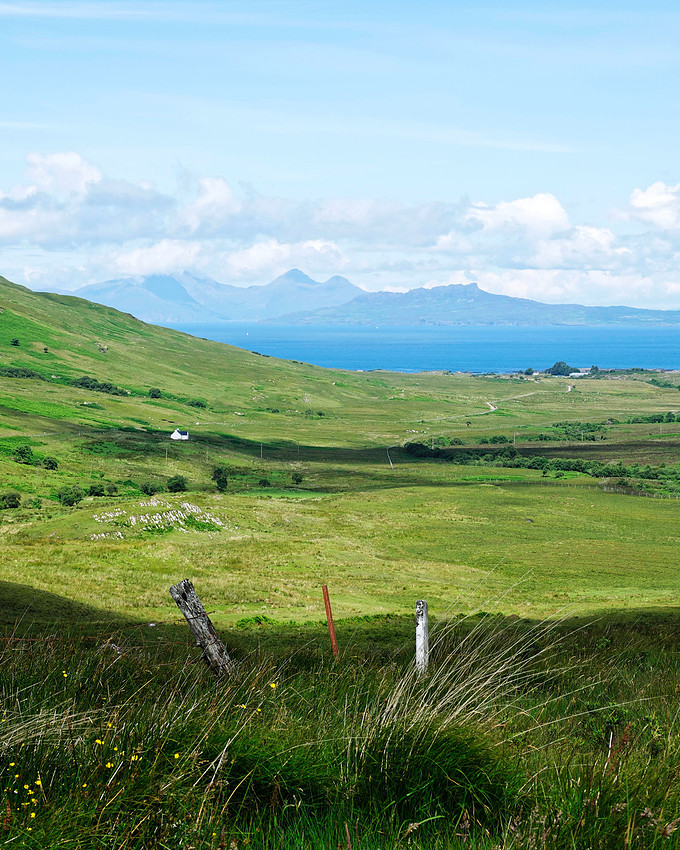
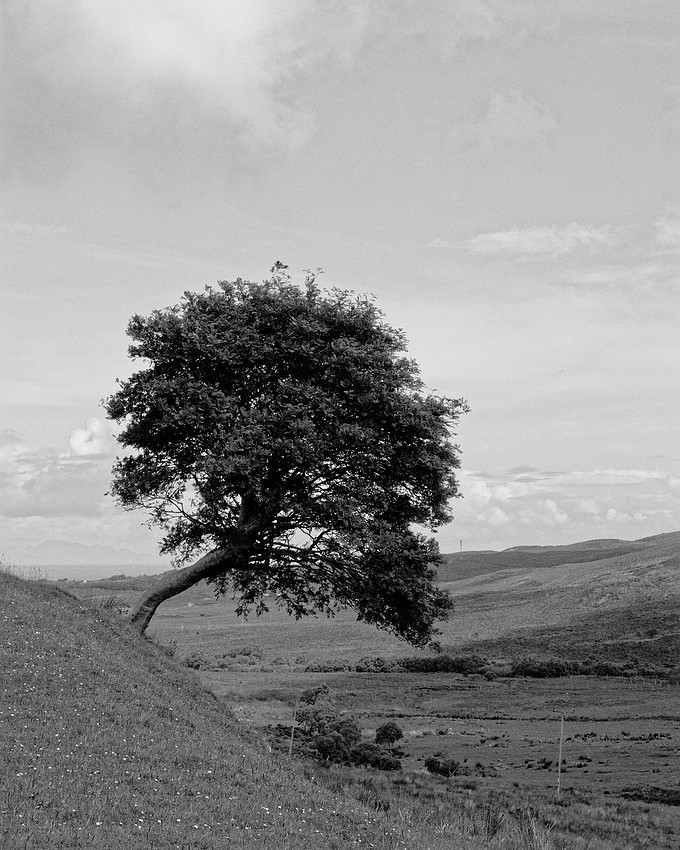
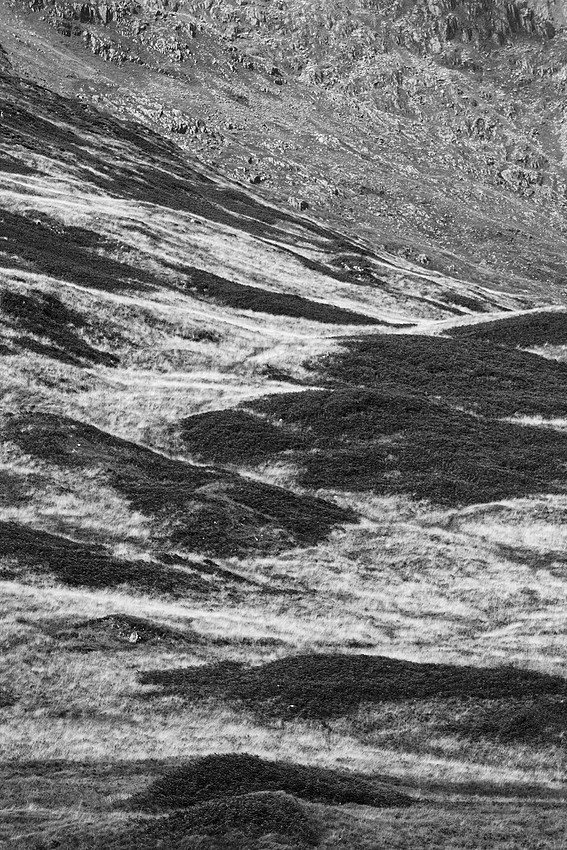
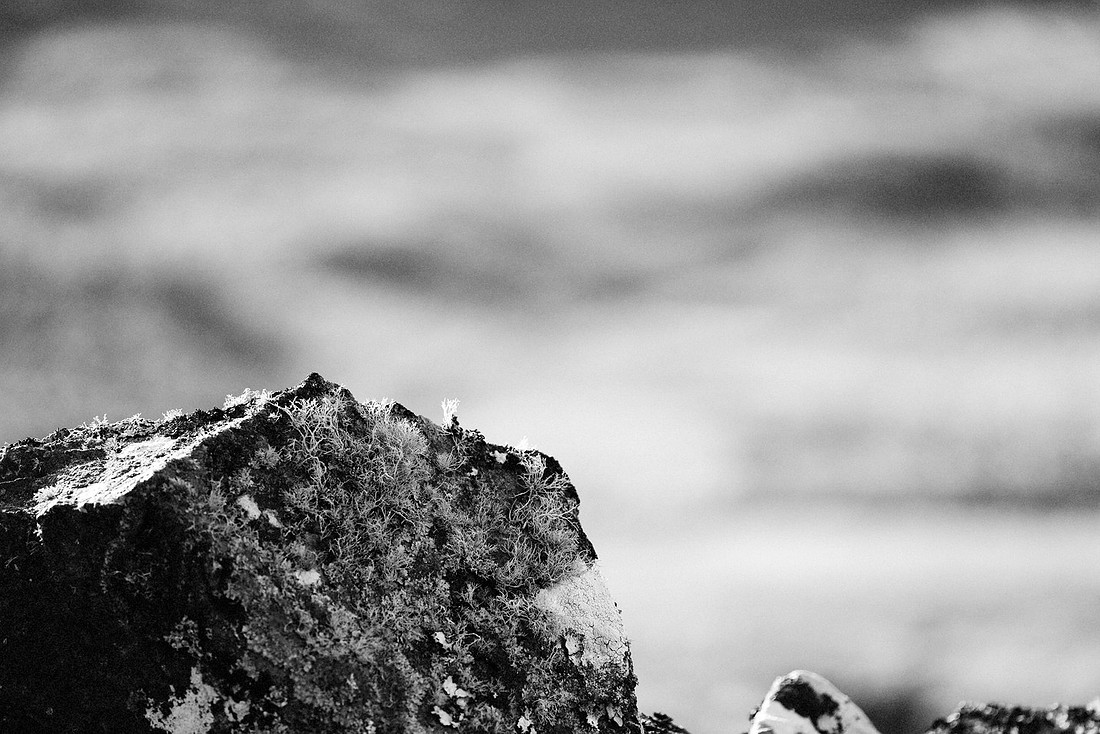
Spiorad aird nam Murchan Pt 32 Inspiration, influence and belonging

Spiorad aird nam Murchan - Part 32
A Pebble on the Beach
Inspiration, Influence and Belonging in Ardnamurchan

Returning to the Thread
Welcome back to Spiorad Àird nam Murchan.
It has been a little longer than I had hoped since the publication of Part 31, and before beginning this next chapter of the journey I would like to offer a sincere thank you to everyone who has continued reading, following, sharing and engaging with the series during that absence. Over the past few months I have been reminded, sometimes forcefully, that recovery is rarely a straightforward path. Since suffering a Deep Vein Thrombosis earlier this year, the process of regaining health and rebuilding energy has unfolded in ways that have not always been predictable. There have been periods where enthusiasm has returned long before physical resilience, moments where ideas were plentiful, yet the energy required to develop them simply was not there, and times when the wisest decision was to step away from the keyboard altogether.
For someone whose life and creative practice are so deeply intertwined, that has not always been easy to accept.
Yet perhaps there is a lesson within that. The recent Creativity Series, spanning Parts 27 to 31, explored themes of curiosity, wonder, observation, illumination and connection. Throughout those essays I found myself repeatedly returning to the importance of attention; the need to slow down sufficiently to notice, to listen, and to allow creativity to emerge rather than attempting to force it into existence. In many ways, the recovery process has required exactly the same qualities. Patience. Observation. Acceptance. A willingness to move at the pace dictated by circumstance rather than ambition.
As I reflected on where the series should travel next, it became increasingly clear that inspiration and influence formed a natural continuation of those conversations. Curiosity may encourage us to look, observation may encourage us to see, and creativity may encourage us to respond, but beneath all of these lies another question entirely. Why are we drawn to certain places, certain artists, certain ideas and certain experiences in the first place? What shapes our creative vision? How does a landscape become part of our thinking? Why do some books remain beside our beds for years whilst others are forgotten within weeks? Why do particular photographs stay with us long after we have turned the page?
These questions have become increasingly important to me as Spiorad Àird nam Murchan has grown. What began nearly a decade ago as a photographic exploration of a remarkable peninsula has gradually evolved into something much broader. Photography remains at its heart, certainly, but the project now encompasses writing, field recording, learning, teaching, creative retreats, friendships, conversations and an ever-deepening engagement with the landscape, history and culture of Ardnamurchan itself.
This essay explores some of the influences that have helped shape that journey. It is about the books, photographs, music and people that have broadened my understanding of place. It is about the distinction between inspiration and influence, and how those forces help shape the way we engage creatively with the world around us. Most of all, however, it is about Ardnamurchan itself and the many ways this extraordinary landscape continues to influence how I see, how I create, and perhaps even how I understand the idea of home.
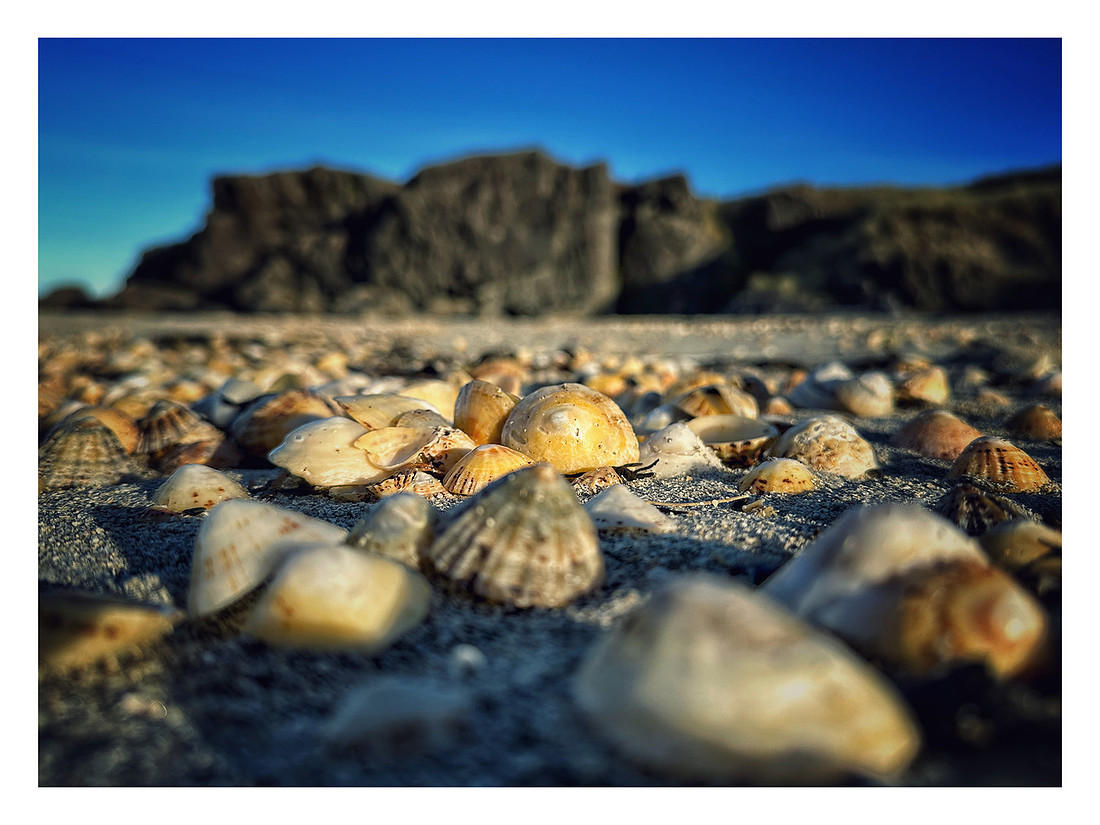
A Pebble on the Beach
There are certain ideas that arrive quietly and then refuse to leave.
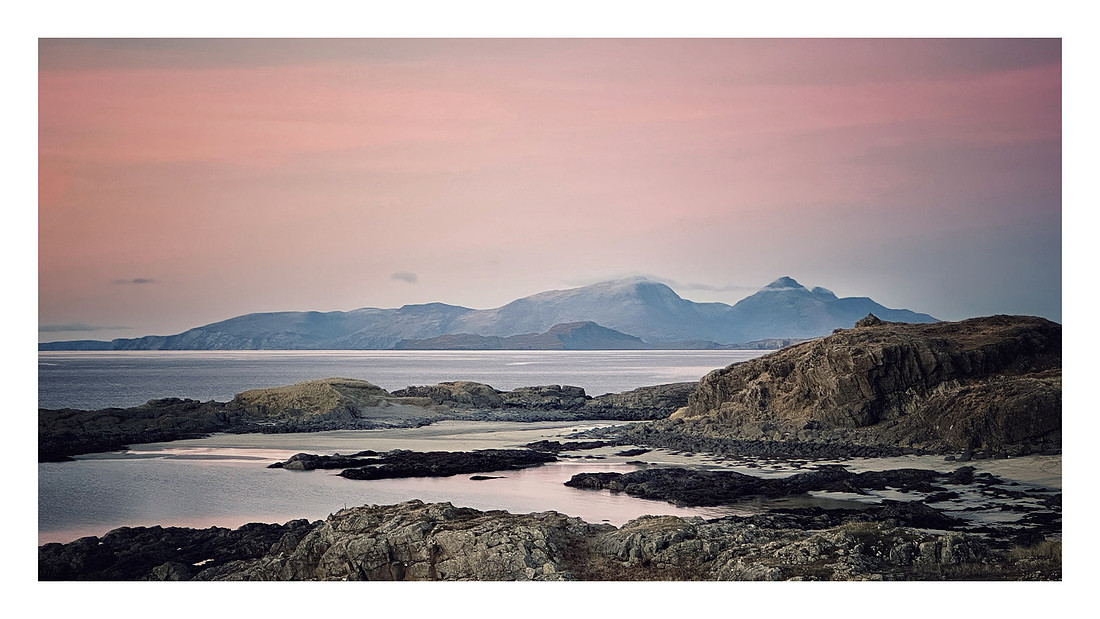
Several years ago I discovered that M.E.M. Donaldson had originally intended to title her autobiography A Pebble on the Beach. The phrase struck me immediately. It was one of those rare moments when a handful of simple words seemed to contain something much larger than their literal meaning. Ever since, the image has remained somewhere in the background of my thoughts, reappearing from time to time as I walked the beaches of Ardnamurchan or sat looking across the shifting Atlantic light at Sanna.
Perhaps the title lingered because it feels so evocative of the human experience itself.
A pebble may appear insignificant when viewed beside the vastness of an ocean, yet every pebble carries evidence of an extraordinary journey. Each has been shaped by pressures, collisions, movement and time. Sharp edges are softened. Rough surfaces become smooth. What appears simple at first glance often reveals remarkable complexity upon closer inspection.
That image returned to me recently through an entirely different source.
For many years one of my favourite songs has been Broken Stones by Paul Weller. It remains, for me at least, one of the most poignant pieces of songwriting to emerge from the 1990s. Whilst listening to it again earlier this year I found myself reflecting upon the remarkable connection between Weller's imagery and Donaldson's original title.
"Like pebbles on a beach
Kicked around, displaced by feet
Oh, like broken stones
They're all trying to get home."
There is something deeply human within those words. They speak of fragility, of displacement, of uncertainty and perhaps most importantly of longing. Weller's pebbles are not simply objects upon a shoreline. They become metaphors for all of us. Broken, weathered, often uncertain of where we belong, yet continually searching for somewhere that feels like home.
That particular theme has resonated increasingly strongly throughout my relationship with Ardnamurchan.
The peninsula is not where I was born. It is not where I currently reside. Yet over almost a decade of returning, exploring, learning and developing friendships within the area, I have come to recognise that it occupies a place within my life that extends beyond photography or even creativity itself. It has become part of my emotional geography.
The feeling is difficult to describe fully. It is not ownership. Certainly not possession. Rather it feels closer to recognition. Like encountering a voice that somehow sounds familiar despite hearing it for the first time. Each return reinforces that connection. The roads become more familiar. The place names become less abstract. Conversations continue where they left off months before. Paths become known companions rather than routes on a map.
And yet the landscape still retains its ability to surprise.
Perhaps that is what makes Ardnamurchan so compelling. It simultaneously feels familiar and endlessly new. It offers a sense of belonging without ever losing its sense of mystery.
Like the pebbles within Weller's song and Donaldson's title, perhaps many of us spend a lifetime being shaped by the places we encounter, searching for landscapes that reflect something back to us that we struggle to articulate ourselves. Not necessarily somewhere we can call home in a practical sense, but somewhere that feels deeply consistent with our inner lives.
Ardnamurchan has increasingly become such a place for me.
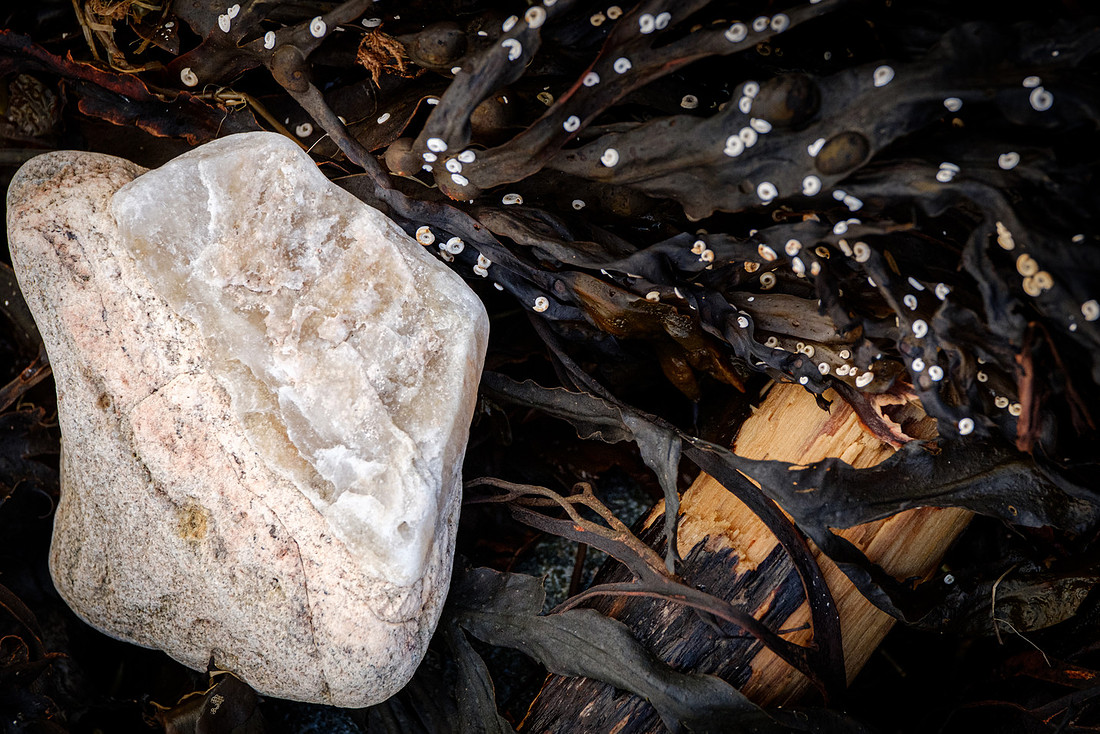
The Nature of Inspiration
Inspiration is often described as though it arrives in moments of dramatic revelation. Popular culture tends to portray it as a flash of insight, a sudden illumination emerging from nowhere, transforming confusion into clarity within an instant. Whilst such moments undoubtedly exist, I suspect that most meaningful inspiration operates rather differently.
More often, inspiration accumulates.
It gathers gradually through countless encounters, conversations and observations that may appear insignificant at the time. A sentence encountered unexpectedly within a book. A melody heard during a long drive home from the Highlands. A photograph viewed in a gallery several decades ago. A conversation over coffee that quietly shifts our perspective. A chance meeting with someone whose enthusiasm for a subject becomes infectious.
Over time these experiences begin to connect.
Looking back across my own creative journey, I can see that many of the ideas I regard as foundational emerged not through singular moments of revelation but through years of gradual accumulation. Photography itself arrived through a growing fascination with seeing. Writing emerged through reading. Curiosity about landscape deepened through geography, history and geology. Interests that initially appeared separate gradually merged and began influencing one another.
The older I become, the more convinced I am that creativity rarely develops in isolation. The photographer is influenced by music. The writer is influenced by visual art. The musician is influenced by landscape. The geographer becomes interested in poetry. The boundaries between disciplines frequently prove far more porous than we imagine.
This interconnectedness lies at the heart of inspiration. The things that influence us most profoundly often arrive from unexpected directions. They may not even be directly related to our chosen medium. Indeed, some of the most important influences in my own work have emerged not from photography books but from conversations with musicians, naturalists, geologists, historians and friends.
Perhaps that is because inspiration is less concerned with technique than perspective. It shapes not simply what we create but the manner in which we engage with the world. It changes what we notice. It alters what feels significant. It broadens our understanding of possibility.
And when viewed in that way, inspiration becomes not a singular event but an ongoing relationship with learning itself.
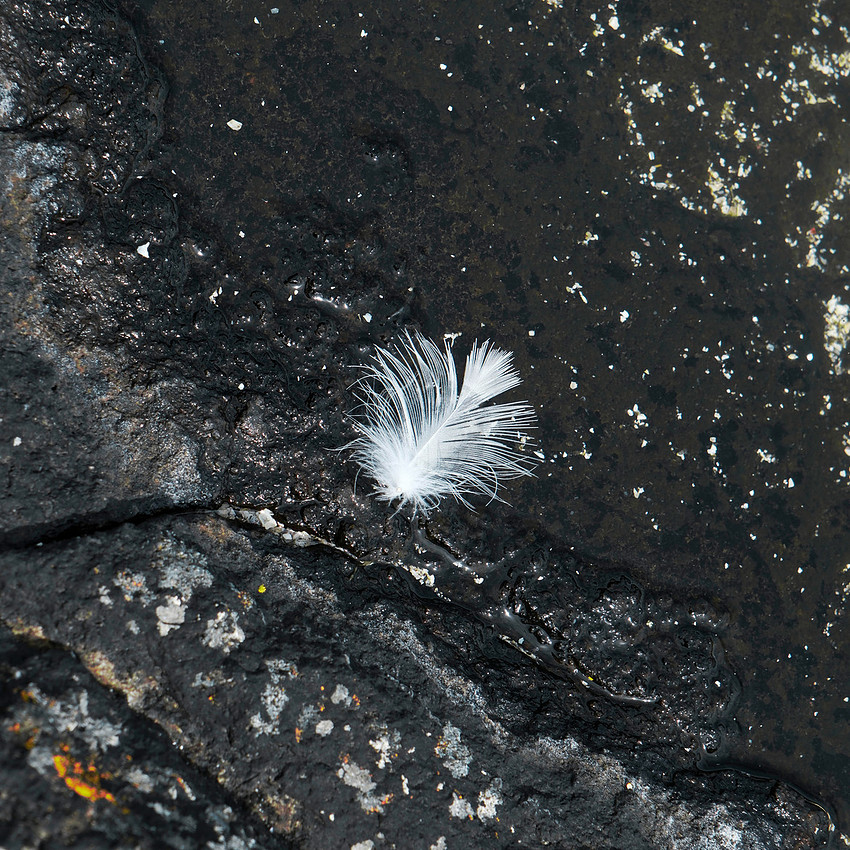
Creative Lineage and Influence
When thinking about inspiration, it is tempting to imagine a single influential figure or a defining moment that changed everything. In reality, creative development is rarely so straightforward. Looking back over my own journey, I see something more akin to a river gathering tributaries along its course. Small influences join larger ones, ideas merge with experiences, and over time a creative identity emerges from countless encounters, conversations, books, photographs, songs and friendships.
Among the most significant of these influences has been M.E.M. Donaldson. Like many people who have become captivated by Ardnamurchan, I first encountered her through her photographs. Here was somebody who had documented places, lives and traditions that might otherwise have been lost to history, yet what struck me most was not merely the documentary value of her work. It was the depth of her engagement. Her photographs were made through participation, observation and trust. They carry a sense of genuine affection for the people and places she encountered, and that quality continues to resonate deeply with me. The longer I have spent working on Spiorad Àird nam Murchan, the more I have come to appreciate that meaningful photography is often rooted in relationship rather than observation alone.
I experienced a similar sense of recognition when I first encountered Paul Strand's Tir a' Mhurain. Although the landscapes and communities documented within that work belong to South Uist rather than Ardnamurchan, the project demonstrated what can emerge when photography becomes part of a wider conversation with place. The images do not stand alone. They are accompanied by stories, language, history and lived experience. The result feels less like a photographic project and more like a collaborative portrait of community and landscape. Its influence can be found throughout my own aspirations for Spiorad Àird nam Murchan, particularly in the desire to allow photography, writing, sound and history to coexist as interconnected ways of exploring place.
Other photographers have contributed in different ways. The work of Herbert Ponting, for example, has long fascinated me, not only because of the extraordinary environments he photographed but because of his ability to communicate the emotional weight of remote landscapes. Closer to home, photographers such as Gus Wylie have demonstrated the value of sustained engagement with the Highlands and Islands. Their work serves as a reminder that truly understanding a place is rarely the result of a single visit. Instead, it emerges through return, through patience and through a willingness to allow a subject to reveal itself gradually over time.
The same pattern runs through the writers who have influenced me. Neil Ansell's reflective explorations of solitude and nature, David Gange's remarkable journeys through Britain's coastal landscapes, Robert Macfarlane's ability to weave together language, geology and memory, Kathleen Jamie's attentiveness to the ordinary and Tim Dee's observations of place have all expanded my understanding of what place writing can achieve. Ruth Allen's explorations of belonging and connection to landscape have also resonated strongly with me, particularly her ability to connect personal experience with wider questions of identity and place. Rebecca Solnit, meanwhile, has often reminded me that walking, thinking and storytelling are deeply entwined practices…..as is creativity.
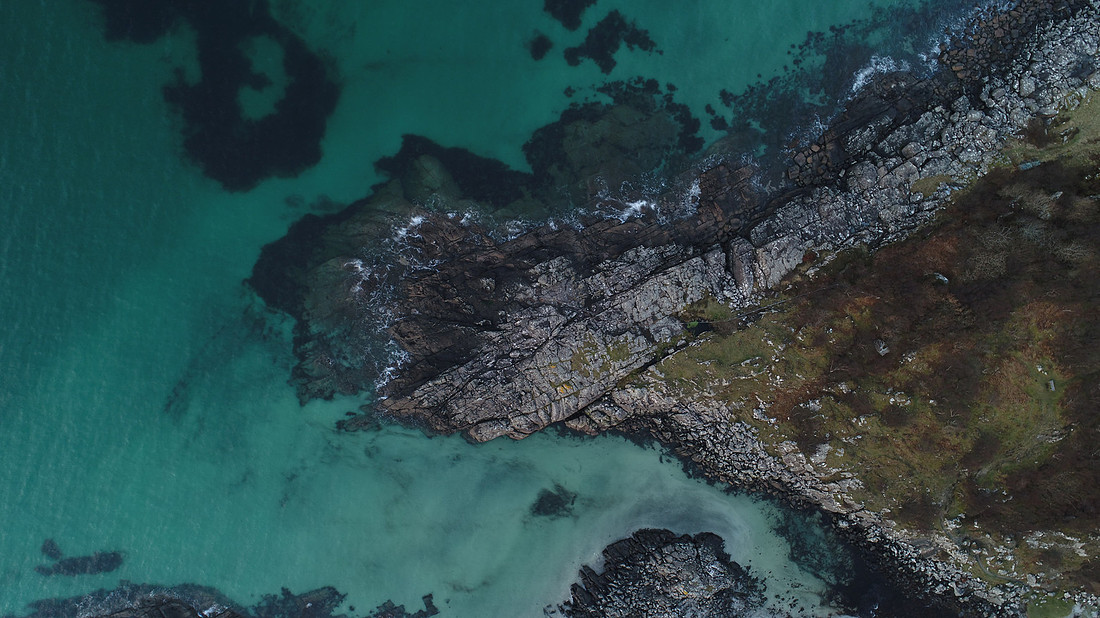
What these writers share is not a particular style but a particular quality of attention. Each demonstrates that landscape is never merely scenery. It is history, culture, language, ecology and emotion layered together across time. Their work encourages readers to look more closely and to recognise that every place contains stories waiting to be heard.
Music has provided another equally important source of influence. Paul Weller remains central for reasons explored earlier, particularly his ability to capture themes of home, belonging and human fragility. Yet my connection to Ardnamurchan has also been shaped by musicians whose work emerges directly from place. Over the years I have been fortunate to become acquainted with Kenneth McKenzie, whose Glendrian project creates music deeply rooted in the landscapes and traditions of the West Highlands. Listening to his compositions often feels analogous to walking through the landscapes themselves. Similarly, Martin Considine's Ardnamurchan-inspired work carries an authenticity born from personal and familial connections to Kilmory and the peninsula.
Alongside these artists sit voices such as Julie Fowlis, Duncan Chisholm, Iain Morrison, Ross Ainslie, Mànran, Skerryvore and FRAS, musicians whose work demonstrates the continuing vitality of Highland culture and creativity. Even artists beyond traditional Scottish folk music, from Erland Cooper to Mull Historical Society and British Sea Power, have reinforced the notion that place can act as a powerful creative catalyst.
Perhaps most importantly, influence is not limited to published artists, photographers or musicians. Some of the most profound influences arrive through friendship. Conversations with people who know a place deeply often leave a more lasting impression than anything encountered within a book. In this regard I find myself thinking of friends such as Stephen Marshall, whose own relationship with Ardnamurchan and understanding of its subtleties has contributed greatly to my own appreciation of the peninsula. Over the years, countless conversations with local residents, fellow creatives, walkers, crofters, historians and friends have quietly shaped how I understand this landscape. Their influence may not appear in bibliographies or exhibition statements, yet it remains woven throughout the work, nonetheless.
This, perhaps, is what creative lineage truly means. It is not about imitation or inheritance in any simple sense. Rather it resembles an ongoing conversation extending across generations, disciplines and communities. We absorb ideas, perspectives and values from those who have come before us, adapting and responding to them through our own experiences. Influence becomes less a matter of copying and more a matter of participation, joining a much larger cultural and creative dialogue that continues unfolding long after we have played our part.
Place as Teacher: Ardnamurchan as Influence
Of all the influences that have shaped my creative life, however, none has been more significant than Ardnamurchan itself.
This realisation emerged gradually rather than suddenly. When I first began visiting the peninsula nearly a decade ago, my primary motivation was photographic. I was drawn by the dramatic landscapes, the quality of light, the remoteness and the opportunity to explore somewhere that felt markedly different from the places I knew more intimately. Like many photographers, I arrived carrying cameras and creative ambitions, eager to respond visually to what I encountered.
Yet over time the relationship changed.
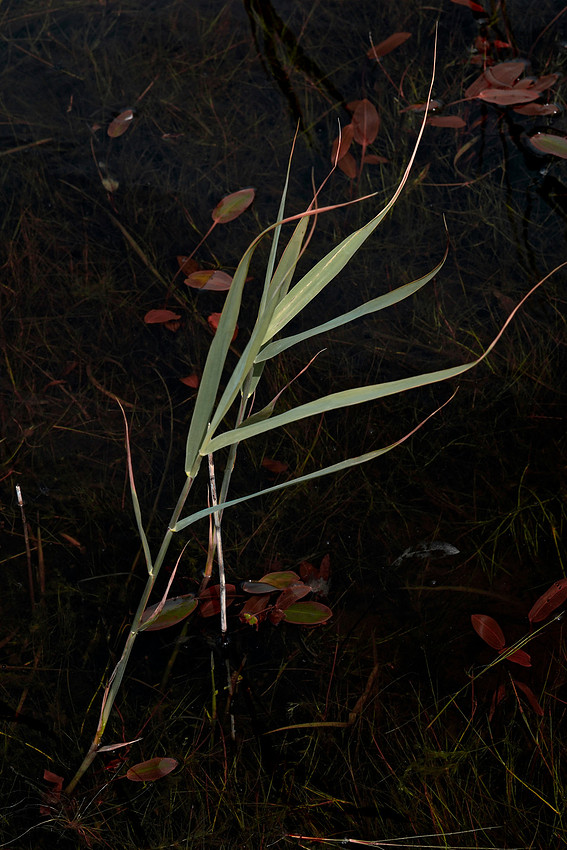
Photography remained important, but the landscape began teaching lessons that extended far beyond image-making. The peninsula encouraged patience. It encouraged observation. It encouraged humility. Most importantly, it encouraged return.
In contemporary culture there is often pressure to seek novelty, to discover somewhere new, to chase the next experience. Ardnamurchan gradually taught me the value of the opposite approach. Returning repeatedly to the same places revealed depths that would have remained invisible during a single visit. Familiarity did not diminish wonder. Instead, it enriched it.
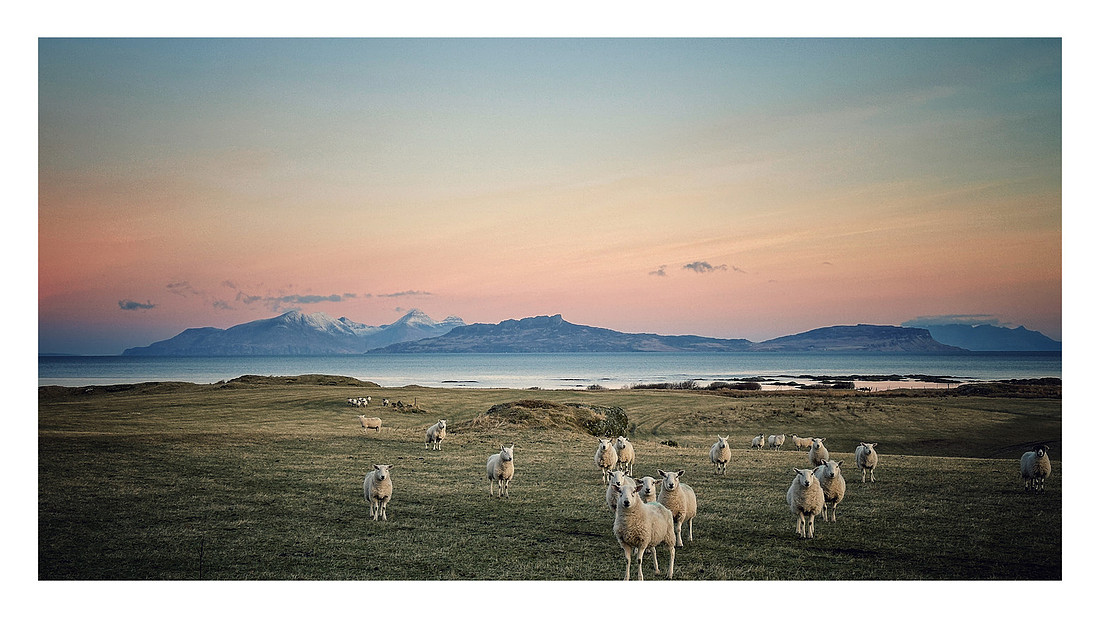
The bay at Sanna looked different beneath winter cloud than beneath midsummer sunlight. The machair revealed new colours with each passing season. Shorelines transformed beneath changing tides. Weather altered mood, atmosphere and perception, often within the space of a few hours. Places that initially seemed straightforward slowly revealed greater complexity with each visit.
The people of Ardnamurchan have also been integral to this process. Throughout this project I have frequently written about landscape, yet landscape cannot be separated from community. Stories, traditions, local knowledge and lived experiences contribute as much to the character of a place as cliffs, beaches or mountains. Every conversation has helped me see Ardnamurchan differently, adding another layer to my understanding of the peninsula.
Over time I came to realise that Ardnamurchan had evolved from a photographic subject into something much deeper. It had become a continuing source of learning, a place whose complexity felt inexhaustible. There was always another story to discover, another path to explore, another aspect of history or geology demanding greater understanding.
In many ways, that is why I have become comfortable describing Spiorad Àird nam Murchan as a life's work. Not because I expect ever to complete it, but because I increasingly understand that completion is not the objective. The value lies in the ongoing relationship. The project continues because the place continues to reveal itself.
And perhaps that is the greatest lesson Ardnamurchan has offered: that meaningful creative practice is not built through mastery but through curiosity, commitment and a willingness to remain open to learning.
Weather, Seasons and Longitudinal Attention
One of the most profound influences Ardnamurchan has had upon my work concerns time.
Photography often encourages us to think in terms of moments. A particular shaft of light breaking through cloud. A fleeting weather event. A brief alignment of elements that produces a compelling image. Whilst these moments remain important, repeated visits to Ardnamurchan have gradually shifted my perspective towards something broader.
I have become increasingly interested in duration.
Landscape is never static. Weather continuously reshapes atmosphere and perception. Seasons alter texture, colour and mood. The same location viewed over months and years begins to reveal patterns that remain invisible during shorter encounters.
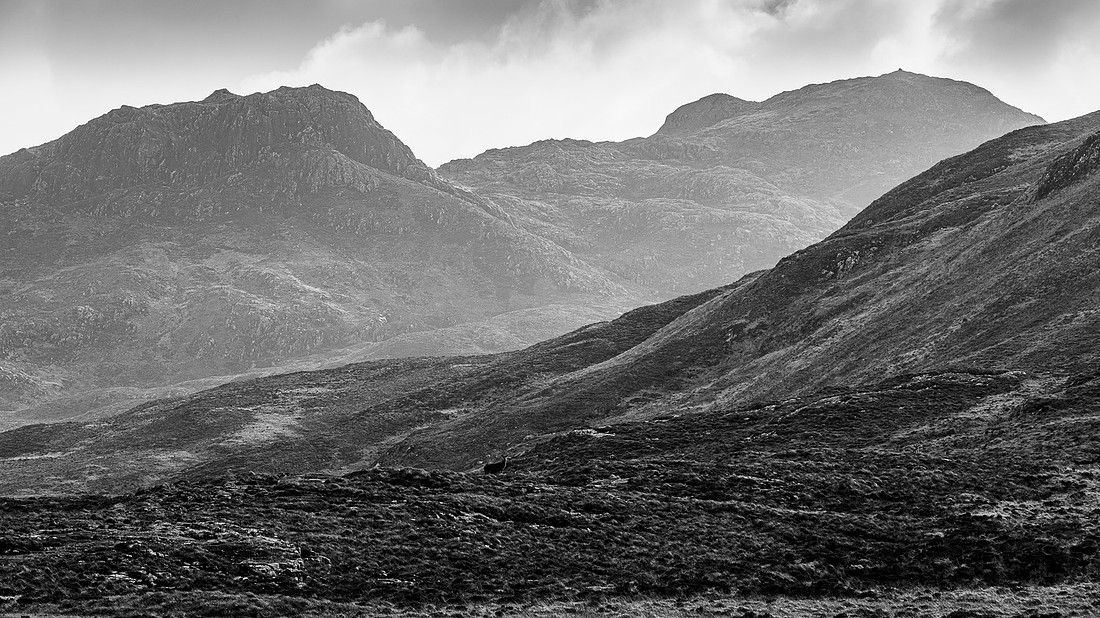
The peninsula is particularly effective at teaching this lesson because of the sheer variability of its conditions. One morning can begin beneath calm blue skies and end amidst driving rain sweeping in from the Atlantic. Sea mist can conceal entire headlands before lifting to reveal distant islands once more. Winter light creates entirely different emotional responses from the extended evenings of summer.
Experiencing these changes repeatedly has influenced not only what I photograph but how I think.
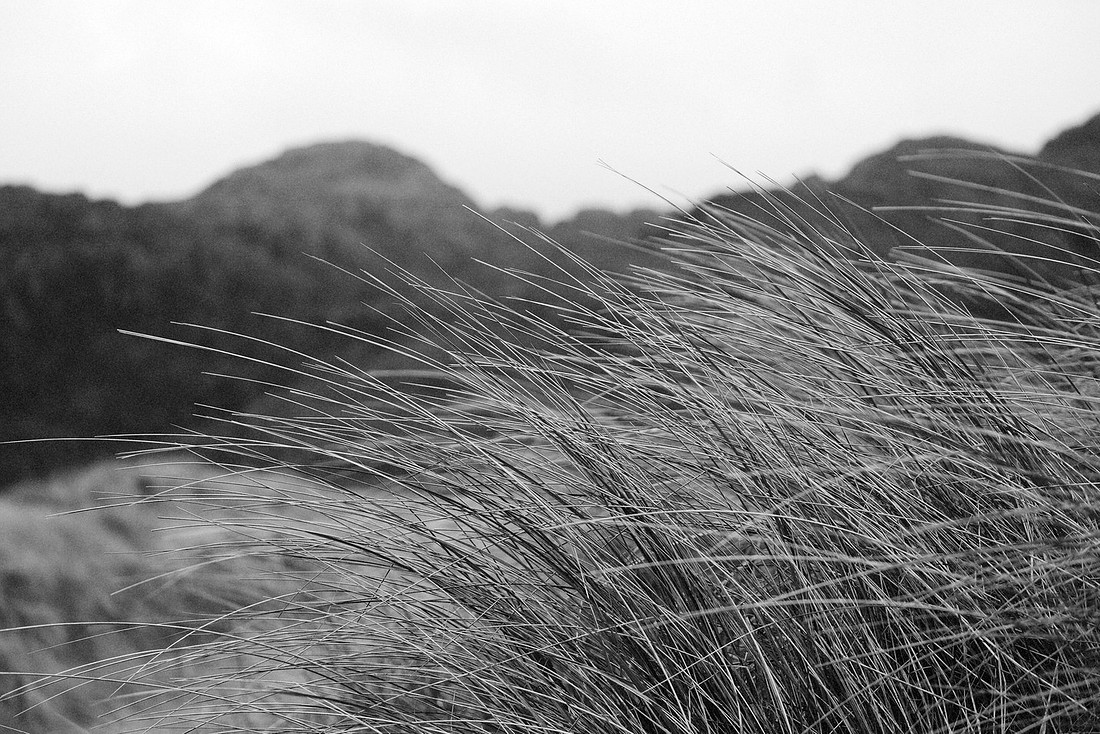
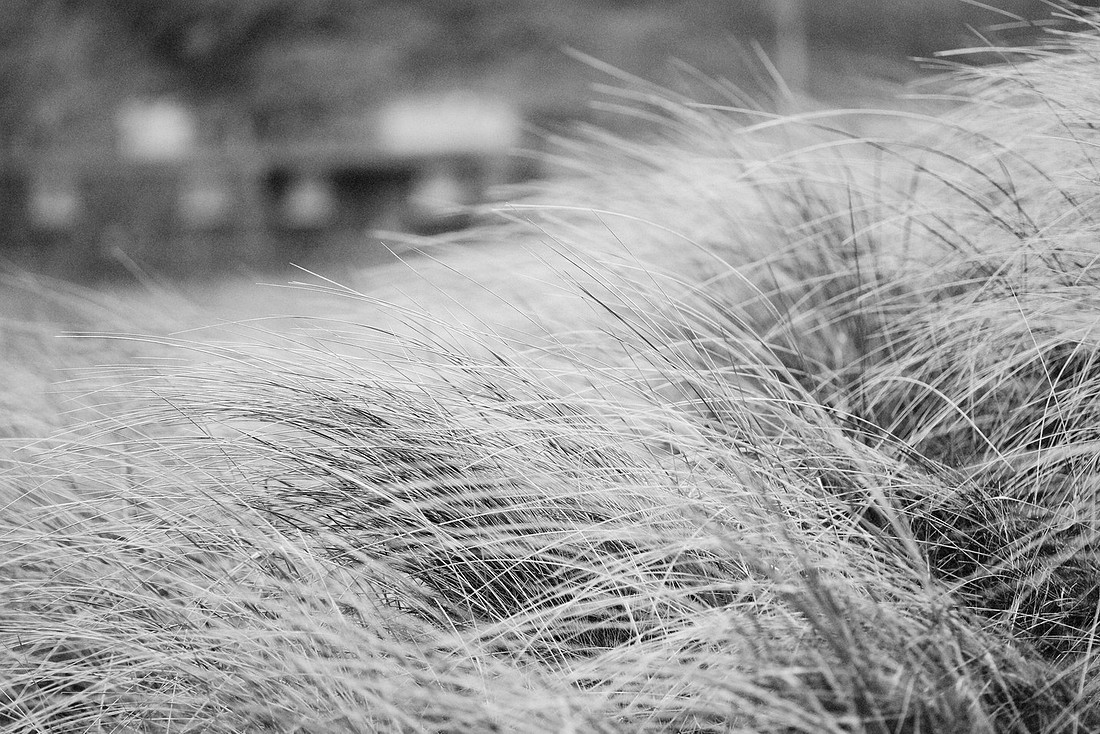
Time in Ardnamurchan is never experienced at one scale alone. It is present in the deep geological memory of the rocks, in volcanic forces and ancient pressures that shaped the peninsula long before human presence, but it is also present in the smallest, briefest movements of the moment itself. Between those immensities and instants lies another kind of awareness: the wind moving through the grasses at Sanna, the grains of sand skimming across the beach at Singing Sands, the flicker of light across water before it disappears. Deep time and micro time sit beside one another here, and learning to notice both has gradually altered my sense of what a landscape contains.
The landscape has encouraged a longitudinal approach to creativity; one based upon return and observation rather than immediate conclusions. Looking becomes an ongoing process. Understanding emerges slowly. Meanings accumulate through repetition.
There is something deeply satisfying about revisiting a place after months or even years away and recognising both what has changed and what has remained constant. Such experiences reinforce the sense that creativity is not merely about production. It is equally about attention, memory and relationship.
Ardnamurchan rewards those willing to stay with it.
And in a world increasingly characterised by speed and distraction, that lesson feels more valuable than ever.
Gaelic Landscape, Geology and Ways of Seeing
One of the most unexpected gifts Ardnamurchan has given me is a renewed appreciation for the relationship between language and landscape. When I first began visiting the peninsula, my understanding of Gaelic place names was limited. Like many visitors to the Highlands, I encountered names on maps, road signs and guidebooks without fully appreciating the depth of meaning they contained. Over time, however, I began to realise that these names were far more than convenient labels attached to geographical features. They were gateways into entirely different ways of understanding the landscape.
Many Gaelic place names describe what is physically present. Others speak of colour, shape, geology, vegetation, wildlife or human activity. Some preserve fragments of historical memory stretching back centuries. Taken together, they form a remarkable record of observation and experience, created not through detached description but through generations of people living closely with the land itself.
As a photographer, this fascinates me because photography is also a practice of observation. Both processes begin with looking carefully. Yet Gaelic toponymy often encourages a deeper form of seeing, one that extends beyond appearance towards understanding. A place name may reveal something about how a hillside was used, how a coastline behaved during storms, where animals gathered, or what characteristics were considered important by those who knew the landscape intimately.
Some local names show this with particular clarity. Àird nam Murchan, now used for the wider peninsula, is explained by Historic Environment Scotland as originally referring to the height or point now associated with the lighthouse, with murchan understood as “sea-dog”, either seal or otter, which immediately places the name within a coastal, animal-haunted world. At Camas nan Geall, Heritage Ardnamurchan records both the long human history of the bay and the disputed meanings of the Gaelic, including bay of the stranger, bay of the pledge, promise or wager, and bay of the churches; the uncertainty itself becomes revealing, reminding us that place names can hold several historical possibilities at once. The geological glossary for Ardnamurchan offers further examples, such as Beinn Bhuidhe, yellow mountain, Beinn na Seilg, mountain of the hunt, Lochan Dóbhrain, little loch of the otter, and Camas nan Clacha Móra, bay of large stones. Each name does more than identify a location. It points towards colour, use, wildlife, texture, memory or encounter, extending the experience of place beyond the visual surface towards the lives and observations that shaped it.
The result is that the landscape begins to feel layered. A bay is no longer simply a bay. A hill is no longer simply a hill. Each feature acquires cultural depth as well as physical form.
This process has profoundly influenced how I engage with Ardnamurchan. The more I learn about the language embedded within the landscape, the more interconnected everything appears. Geography becomes intertwined with culture, culture with history, history with memory. Photography, writing and learning cease to be separate activities and instead become different ways of exploring the same reality.
As someone whose academic background includes geography, this growing appreciation has felt both intellectually stimulating and creatively inspiring. Geography taught me to look at landscapes as systems, shaped by geology, ecology, climate and human interaction. Ardnamurchan has continuously expanded that understanding, revealing how language itself can also become part of the landscape.
This deepening awareness has been further enriched through my friendship and collaboration with Matt Horstwood during our Ardnamurchan Creative Retreats. Spending time with a geologist within a landscape as extraordinary as Ardnamurchan inevitably changes how one sees. The peninsula's volcanic origins are remarkable, yet geology here is not simply an academic subject. It is visible everywhere.
The cliffs, beaches, mountains and coastlines all tell stories that began millions of years before any human observer arrived. Layers of rock reveal episodes of unimaginable violence and transformation. Ancient magma chambers, lava flows and intrusive formations speak of a world radically different from the one we inhabit today. Standing before these features often provokes a profound sense of perspective. Human history, important though it is, occupies only a tiny fraction of the timescales visible within the rocks themselves.
Yet rather than diminishing human experience, this awareness seems to deepen it.
Understanding something of the peninsula's geological history has enhanced my appreciation of its beauty. Knowing how places were formed does not reduce their mystery. If anything, it expands it. Every headland, every beach, every ridge and bay becomes part of a much larger narrative stretching across deep time.
The same is true of cultural history.
Understanding the stories embedded within the landscape, learning about crofting communities, emigration, language, livelihoods and traditions adds further layers of meaning. Suddenly the landscape ceases to be merely scenic. It becomes inhabited, both physically and imaginatively.
I often think that this is one of the reasons Ardnamurchan continues to inspire me after so many years. Every attempt to understand the landscape more fully reveals further depths. There is always another question to ask, another story to discover, another connection waiting to be made.
The place continues to reward curiosity.
Belonging, Attention and the Ethics of Place
As this project has evolved, I have increasingly found myself returning to questions that extend beyond photography, writing or even creativity itself. Among the most persistent of these is a deceptively simple question.
What does it mean to belong to a place?
At first glance the answer appears straightforward. We often associate belonging with birthplace, family history or long-term residence. We speak of belonging somewhere because we were raised there, because our ancestors lived there, or because we have established deep roots within a community.
Yet experience suggests that belonging may be more complicated than that.
Some landscapes feel meaningful despite having no direct connection to our childhoods. Certain places possess an ability to resonate with us in ways that seem difficult to explain rationally. We find ourselves returning repeatedly, drawn back by something that feels simultaneously familiar and elusive.
Ardnamurchan has often generated this feeling in me.
It would be inappropriate to claim belonging in the same way as those whose families have lived and worked here across generations. Their relationship with the peninsula possesses a depth and legitimacy that deserves respect. Yet at the same time I cannot deny the strength of my own connection to the place, a connection that has grown steadily over nearly a decade of visits, friendships, projects and experiences.
Perhaps belonging is not a fixed state but a relationship.
Perhaps it emerges through participation, learning and care.
This idea inevitably leads towards another concept that has become increasingly important within my thinking, namely attention.
The philosopher Simone Weil once described attention as one of the purest forms of generosity. The statement has remained with me because it resonates so strongly with the way I have come to understand landscape.
To pay attention is to acknowledge value.
It is to recognise that something matters.
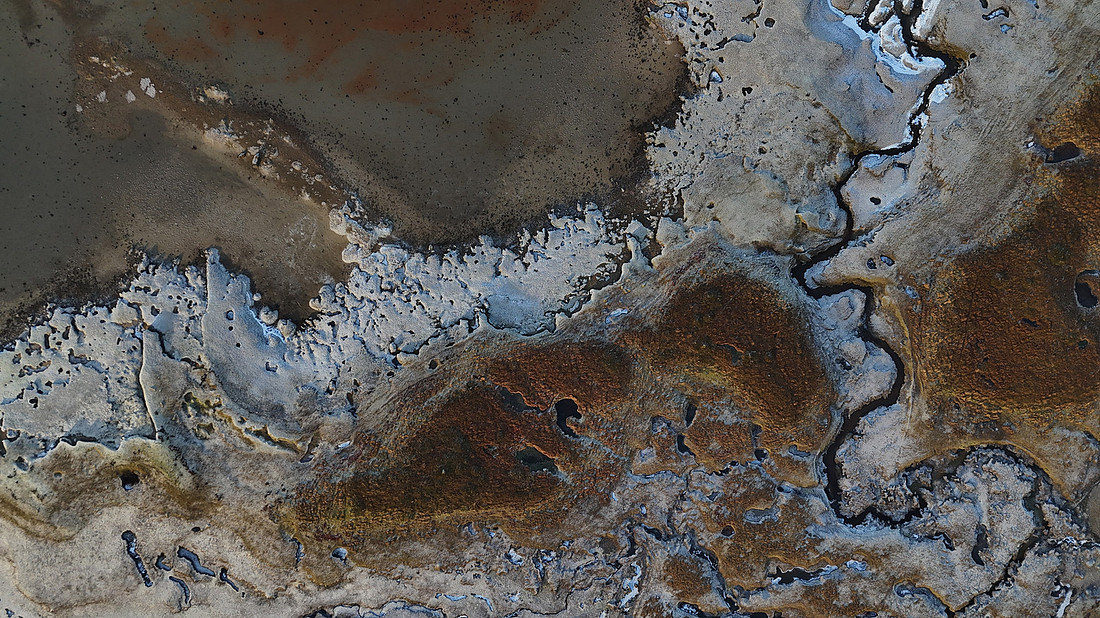
In a culture increasingly characterised by speed, distraction and surface-level engagement, sustained attention has become surprisingly rare. We move quickly between obligations, destinations and devices. Places often become backgrounds rather than destinations in themselves.
Yet landscapes reveal themselves differently when approached with patience.
The longer I spend in Ardnamurchan, the more convinced I become that attention is not merely a creative practice but an ethical one. To notice a landscape carefully is to enter into a form of relationship with it. The birds, weather, geology, communities, stories and histories all become deserving of care because they have ceased to be abstract concepts and become known realities.
Attention creates responsibility.
Once we truly see something, it becomes harder to ignore its vulnerability.
This applies equally to natural environments and human communities. The stories of crofting, migration, linguistic change and social transformation that shape Ardnamurchan's history remind us that landscapes are never entirely separate from human experience. They are places where lives unfold. Places where joys, hardships, hopes and losses become woven into the land itself.
The longer we pay attention, the more these interconnections become visible.
Perhaps this is why landscape can shape identity so profoundly. Certain places encourage us to become more attentive versions of ourselves. They invite reflection. They foster curiosity. They challenge assumptions about what matters.
In this sense, Ardnamurchan has often felt less like a subject and more like a teacher.
The lessons are rarely explicit; instead, they arrive gradually through experience, through a changing tide, an unexpected conversation, a familiar path walked in different weather, a place name whose meaning suddenly becomes clear, or a moment of silence interrupted only by distant waves and wind.
Collectively these experiences have shaped not only my understanding of the peninsula but also my understanding of creativity, belonging and the responsibilities that arise through sustained engagement with place.
Wildness, Home and Return
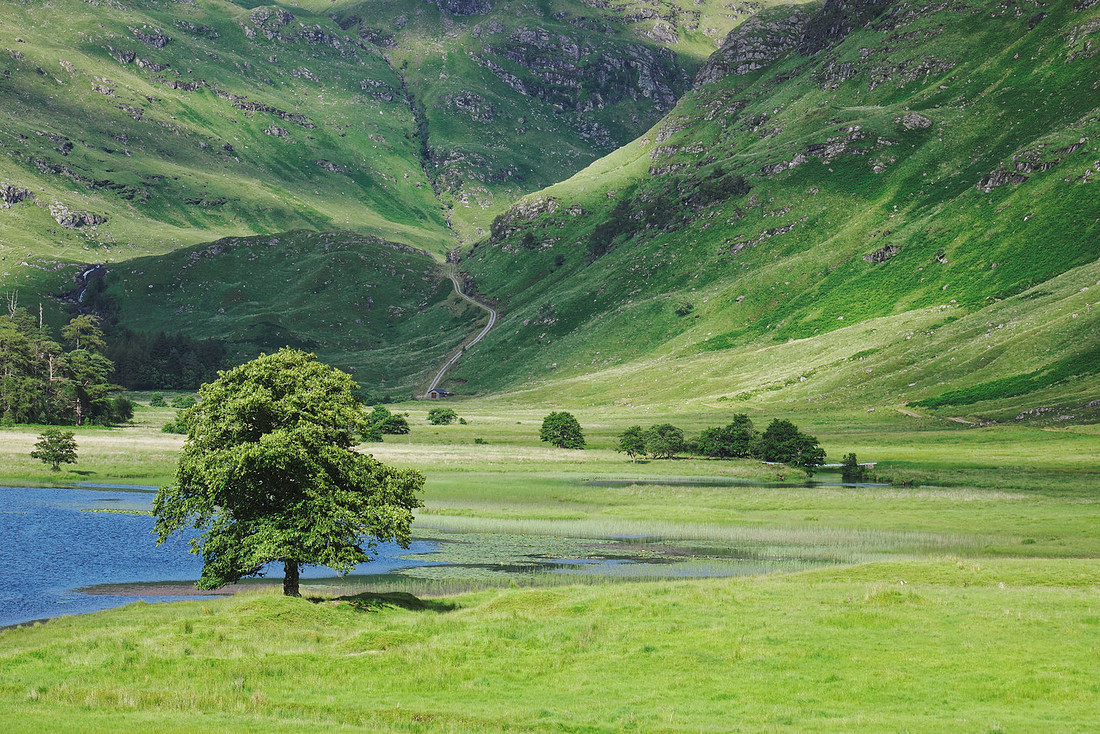
One of the enduring fascinations of Ardnamurchan lies in its ability to embody two seemingly contradictory qualities at the same time.
It feels wild.
And it feels like home.
These ideas might appear mutually exclusive. We often think of wildness as something unfamiliar, untamed and distant from everyday life, whereas home suggests familiarity, comfort and belonging. Yet my experience of Ardnamurchan increasingly suggests that the relationship between these concepts is far more nuanced.
When I first began visiting the peninsula, it was undoubtedly the sense of remoteness that attracted me. There was something exhilarating about travelling westwards, crossing the Corran Ferry, watching the roads narrow and the landscape gradually become more expansive. The journey itself felt significant. Ardnamurchan existed at the edge of maps and beyond many people's awareness. Reaching it required intention.
Even now, after years of returning, that quality remains.
The Atlantic still dominates the horizon. Weather still arrives with remarkable speed and unpredictability. Winter storms continue to remind visitors that nature remains the defining presence here. Despite increasing familiarity, the landscape has never lost its capacity to surprise, challenge and humble.
Yet alongside this sense of wildness another feeling has quietly emerged.
A sense of recognition.
Returning to familiar roads, villages, beaches and viewpoints now carries an emotional significance that extends beyond simple enjoyment. There is comfort in familiarity. Comfort in seeing known faces. Comfort in returning to places that have accompanied important moments within my life and creative journey.
Perhaps this reflects something fundamental about the nature of home itself, because home is not merely a location but a relationship, one built through memory, experience, connection and return. For me, return has become one of the defining themes of Ardnamurchan: I return physically through repeated visits, creatively through photographs, writing and recordings, and mentally through memories and reflections that continue long after each journey ends. Perhaps all meaningful places invite return in one form or another.
We revisit them because they contain unfinished conversations. They continue asking questions. They continue offering insights. They continue helping us understand ourselves.
The ancient stories of Scotland are full of journeys and returns. So too is much of its music and literature. Return often symbolises more than physical movement. It represents renewal, rediscovery and reconnection.
I find myself thinking again of Weller's lyrics and Donaldson's title. Pebbles on a beach. Broken stones trying to find their way home.
After nearly a decade of journeys to Ardnamurchan, those images feel increasingly significant, not because I believe I have arrived at some final destination or reached a definitive understanding of the place, but because the value lies in the continuing journey itself, in the possibility of return, and in the knowledge that there is always more to learn, more to see and more to understand. Perhaps that is the real gift of this peninsula: it does not offer certainty, but relationship, and that relationship continues to deepen with every passing year.
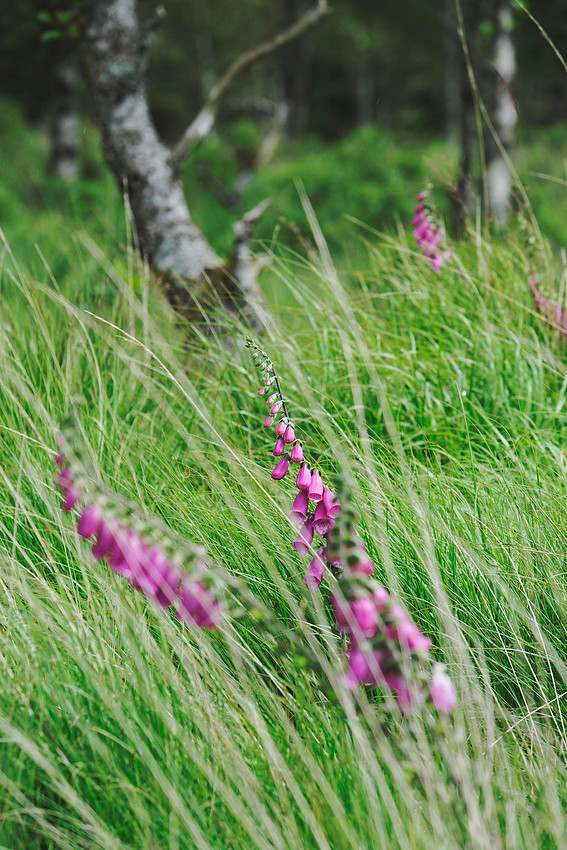
Reflections....
As I reach the end of this essay, I find myself returning once again to the questions that first inspired it. Questions about influence, inspiration, belonging and the landscapes that shape our lives.
Looking back across nearly a decade of work in Ardnamurchan, I can see clearly that no creative journey is undertaken alone. Every photograph contains traces of earlier influences. Every piece of writing echoes conversations, books and experiences that helped shape it. Every way of seeing emerges through a network of connections extending far beyond ourselves.
The photographers, writers, musicians, artists, friends and local voices mentioned throughout this essay have all contributed in different ways to my understanding of Ardnamurchan. Yet perhaps their greatest influence lies not in specific techniques or ideas but in the encouragement they provide to look more closely, listen more carefully and remain open to continual learning.
At the heart of that learning stands Ardnamurchan itself.
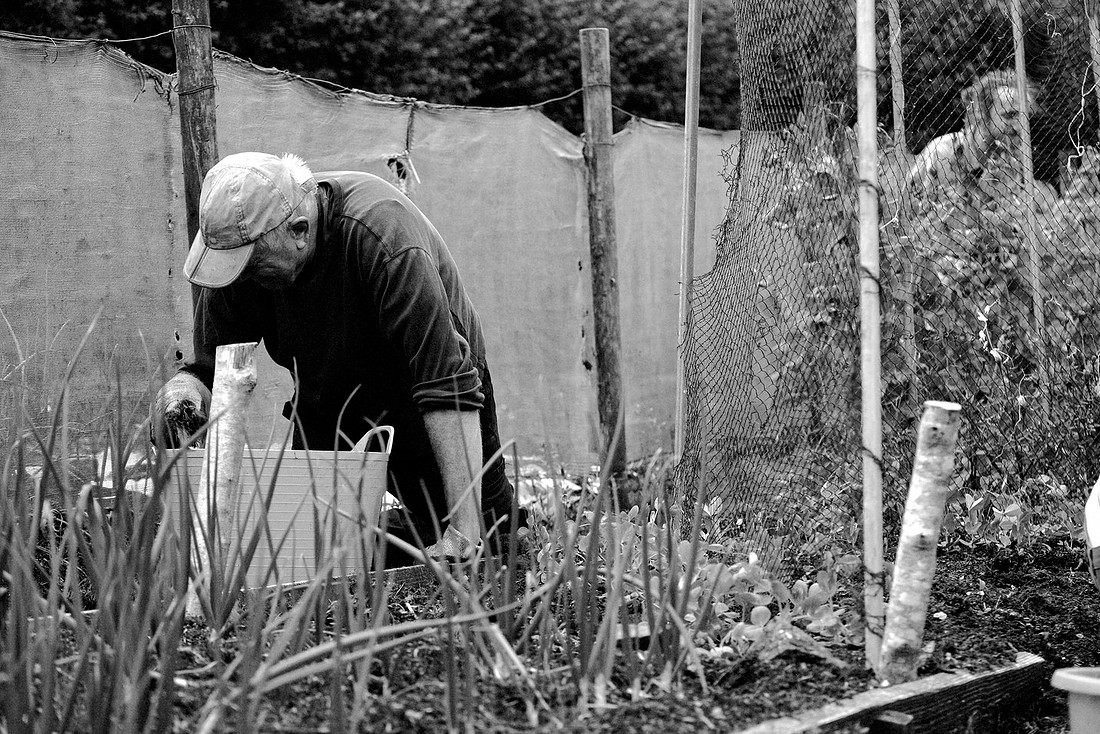
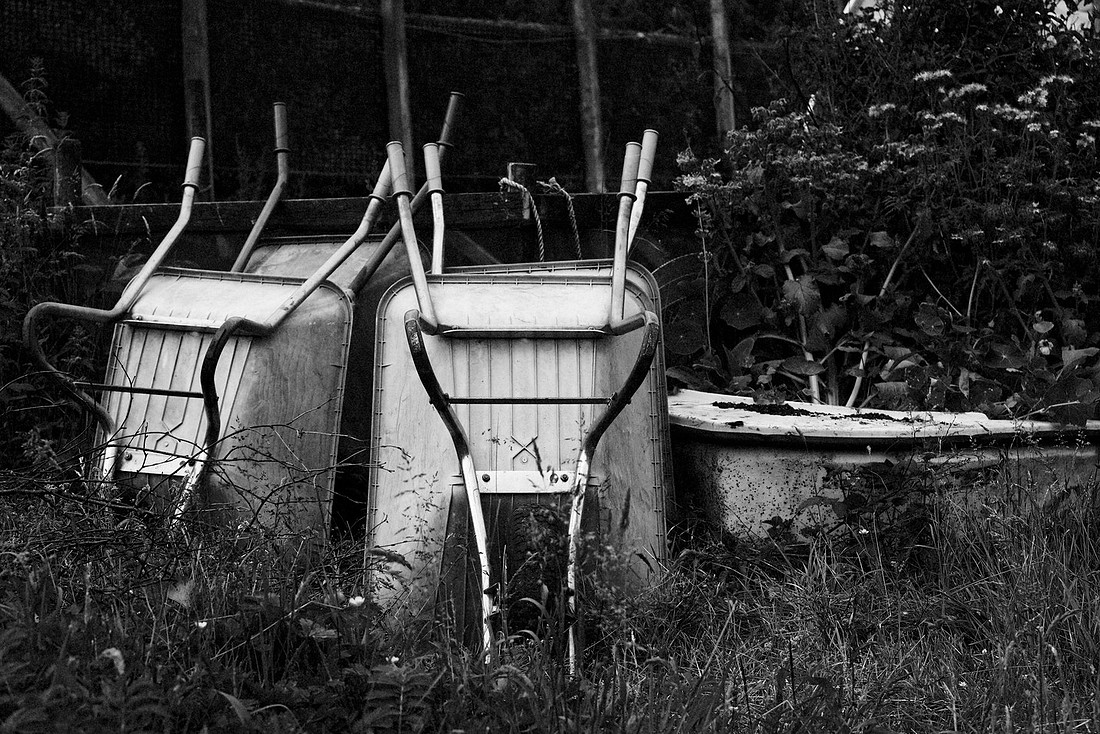
Its geology, language, history, weather, communities and landscapes have influenced me more profoundly than I could have imagined when I first travelled west all those years ago. What began as a photographic project gradually became a wider exploration of place, identity, creativity and belonging. It has become a continuing conversation, one that I hope will continue for many years to come.
As you leave these pages, perhaps your own thoughts drift towards places that have shaped you. Landscapes that influenced how you see the world. Places where you feel recognised in ways that remain difficult to explain. Places you return to repeatedly, whether physically or through memory. Perhaps there are books, songs, artworks and conversations that continue to echo through your life long after first encountering them. Perhaps there are voices, mentors, friends or ancestors whose influence remains quietly present within the person you have become.
And perhaps there are questions worth carrying forward. What landscape has most shaped your way of seeing? Where do you feel most recognised by the land itself? What place do you return to even when far away? Whose ideas continue to influence your thinking and creativity? What does belonging mean to you? How does attention change your relationship with a place? What becomes visible when you slow down enough to truly notice?
And if Ardnamurchan is one of those places, whether through lived experience or imagination, perhaps there is another question worth considering.
What might this remarkable peninsula reveal if given sufficient time, curiosity and care?
It is a question I continue to ask myself.
And one I suspect I will still be asking many years from now.
An Invitation to Gallery Spiorad Àird nam Murchan
If this essay has carried you a little closer to the peninsula, then I would also like to offer a gentle invitation to experience Gallery Spiorad Àird nam Murchan in its own home at the Ardnamurchan Natural History Centre in Glenmore. Within the gallery, you may recognise some of the images that have appeared throughout this essay and others in the wider series, but I hope you may also sense something more intangible: the way Ardnamurchan continues to speak to me creatively through the photographs, writing and responses it has inspired. The gallery has become the spiritual home I had always hoped the work might find, held within the very landscapes and communities that have shaped, influenced and sustained my creative journey, and that continue to do so. If, while there, you feel moved by a particular piece and wish to take something of that connection with you, all of the works are available to own directly from the gallery, including pieces created exclusively for that setting and not available through the website.
Spiorad Àird nam Murchan continues...