Spiorad Àird nam Murchan -Elemental V Spirit

Spiorad Àird nam Murchan
Walking the Edge of Time: Spirit and Place in Ardnamurchan
Part Twenty - Elemental V: Spirit

First Footfall: Arriving at the Edge of the Mainland
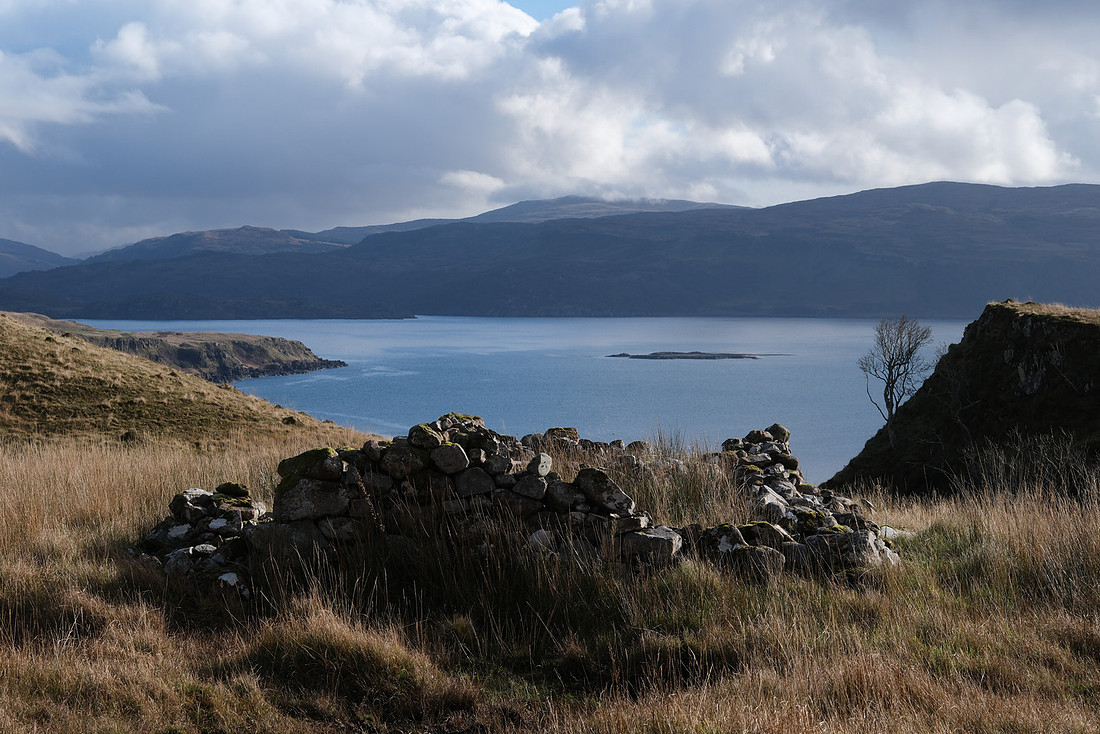
I remember the first time the single-track road gathered me into its narrowing confidence, the way hedges pressed close as if to weigh whether I was worthy of the western end. Almost a decade has passed, yet I can still feel the sudden relief of the sea widening beyond Kilchoan…. the awkward shiver of ferry rigging, a dull bell of wind on mooring lines…… and the steep, paused quiet that led me out toward Sanna and Portuairk. I came as a geographer by education, drawn by the architecture of rock and sea; as a photographer searching for a language of land and light; and, soon enough, as a psychogeographer, walking to know place by the way it rearranged the furniture of my thoughts.
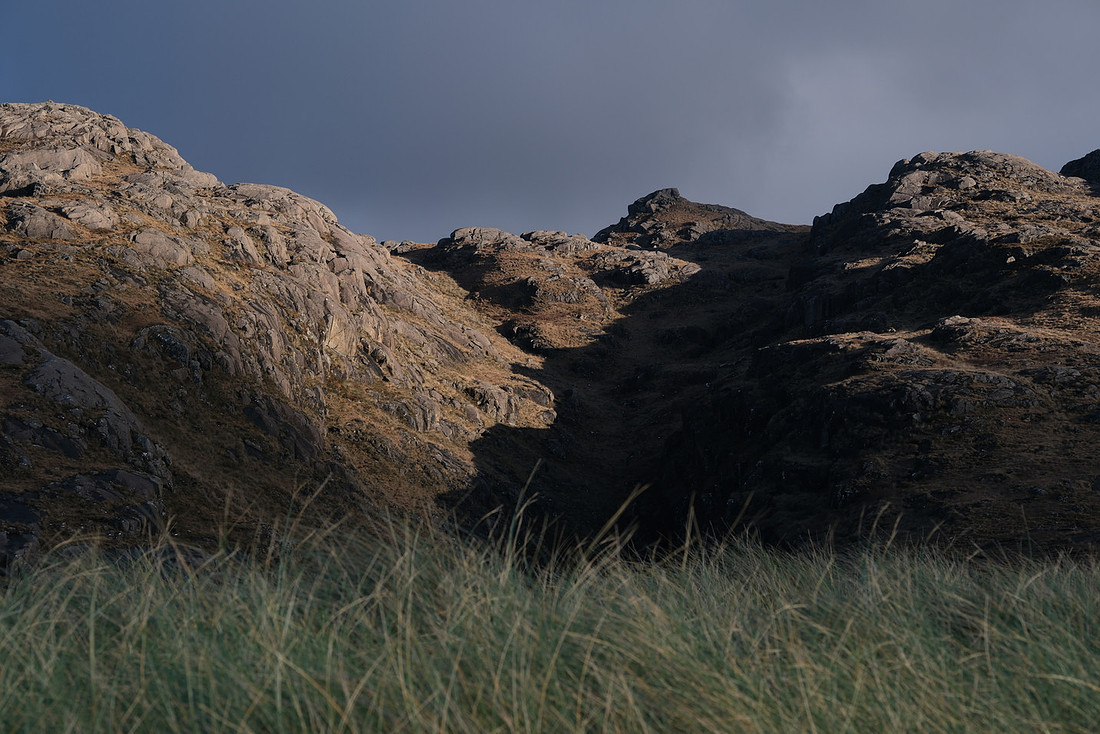
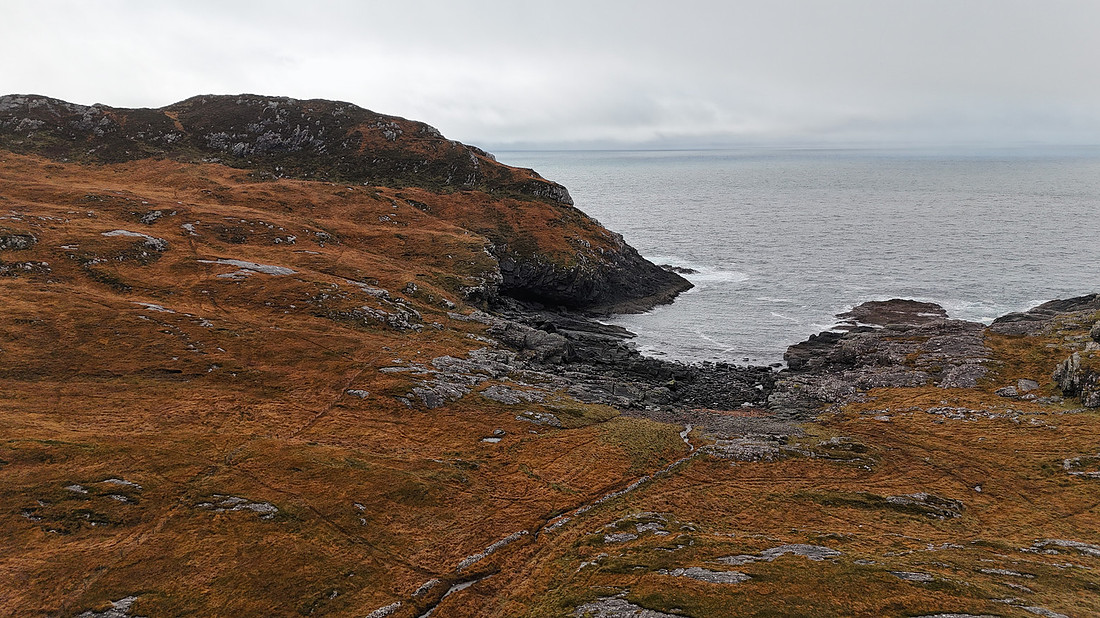
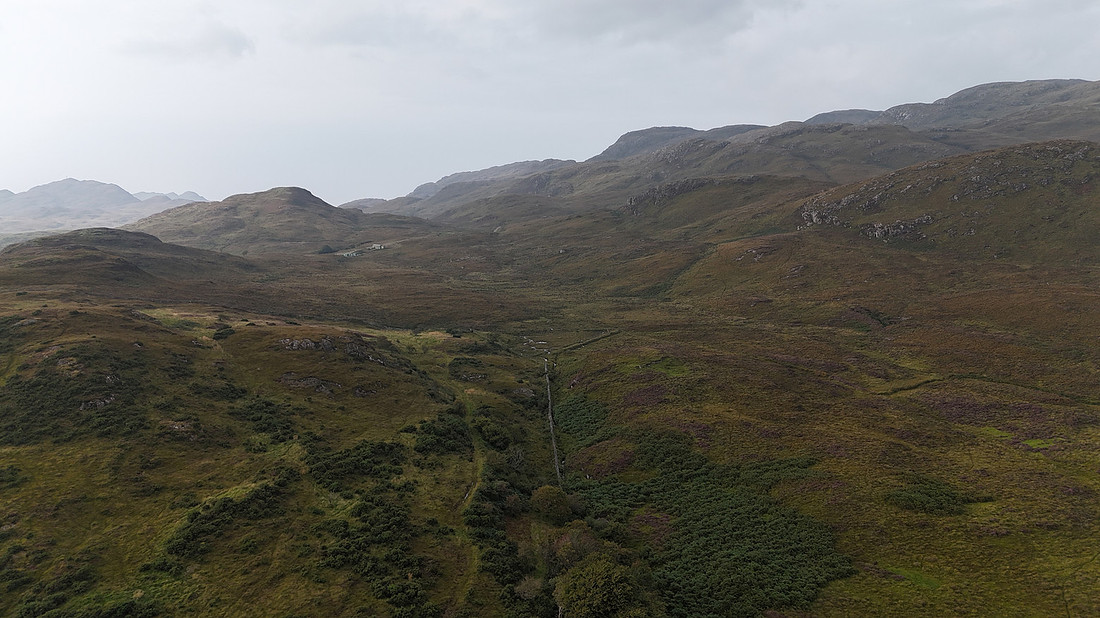
Ardnamurchan’s western spine is not only the most westerly shoulder of mainland Britain; it is also the exposed roof of ancient fire. The ringed arc of eucrite hills, emplaced during the Palaeogene, offers a living syllabus in magma and time. The Great Eucrite, now reinterpreted by recent work as a dish-shaped, lopolithic intrusion rather than a neat ring-dyke, is there in the land like a slow, cooled heartbeat (Richey & Thomas 1930; O’Driscoll et al. 2006; Geological Society, n.d.). To walk toward Glendrian, to crest the grassed ribs and look down over Sanna Bay, is to read a page in Earth’s palimpsest where lava, dolerite, and gabbro taught me patience and proportion.
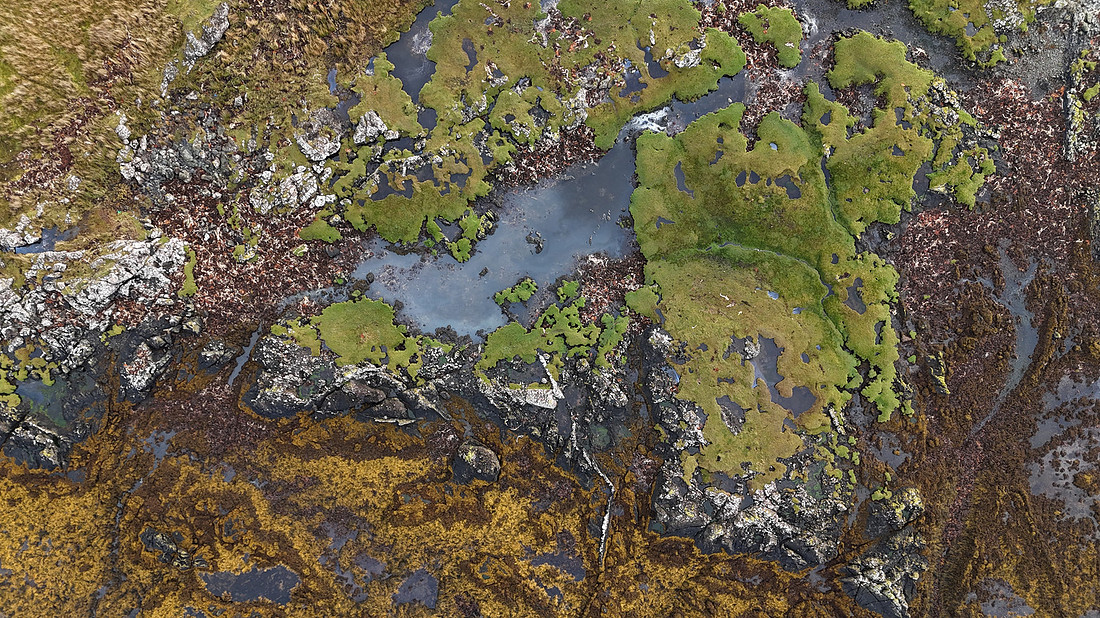
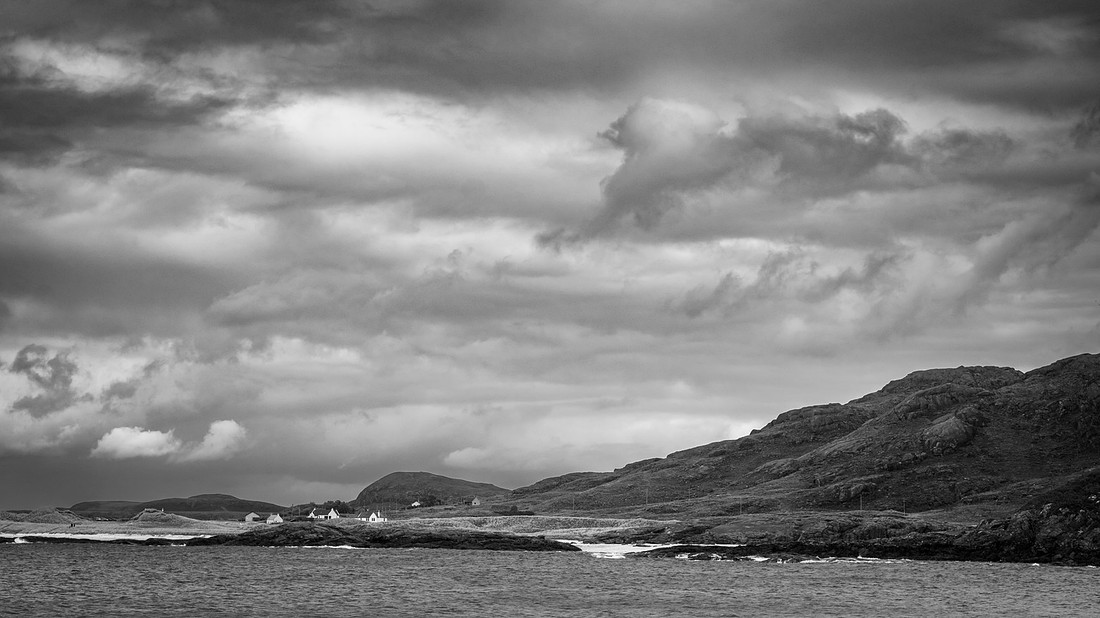
My first photographs; tentative, earnest…… tried to translate this geology into an idiom of stillness: eucrite shadow lines like spillages of ink; basalt seams scoring winter light; ridgelines tapering into the Atlantic as if concluding a sentence with a firm, blue full stop. In those early walks I felt the land begin to write me. In future essays I would call this “composed by the silence” and discover how silence, here, is full of signals. But even then I knew: I had stepped into a place that would be less a destination than a conversation, one that would take years to hear properly.
A Bond Grown in Returning
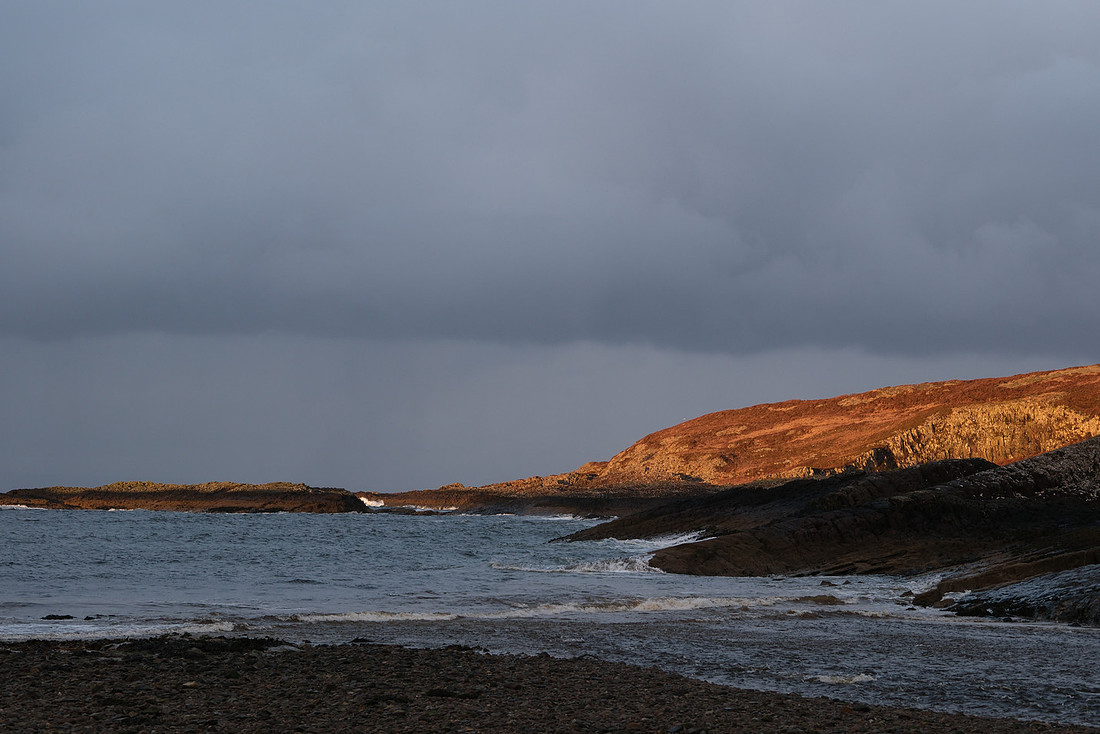
I came for the rocks, stayed for the rhythm. The peninsula achieved a change in me by repetition: returning season upon season, I learned its slow lexicon of weather, veils of rain crossing from Mull and the Small Isles like curtains drawn and undrawn; a day’s light beginning in pewter and resolving toward amber at Portuairk; summer carrying cowparsley in the wind; winter laying iron on the mouth of Sanna Burn. The climate is oceanic here: mild in tone, generous with rain, complex with wind, scarcity of frost at sea level, and a spring that often shines without making a fuss.
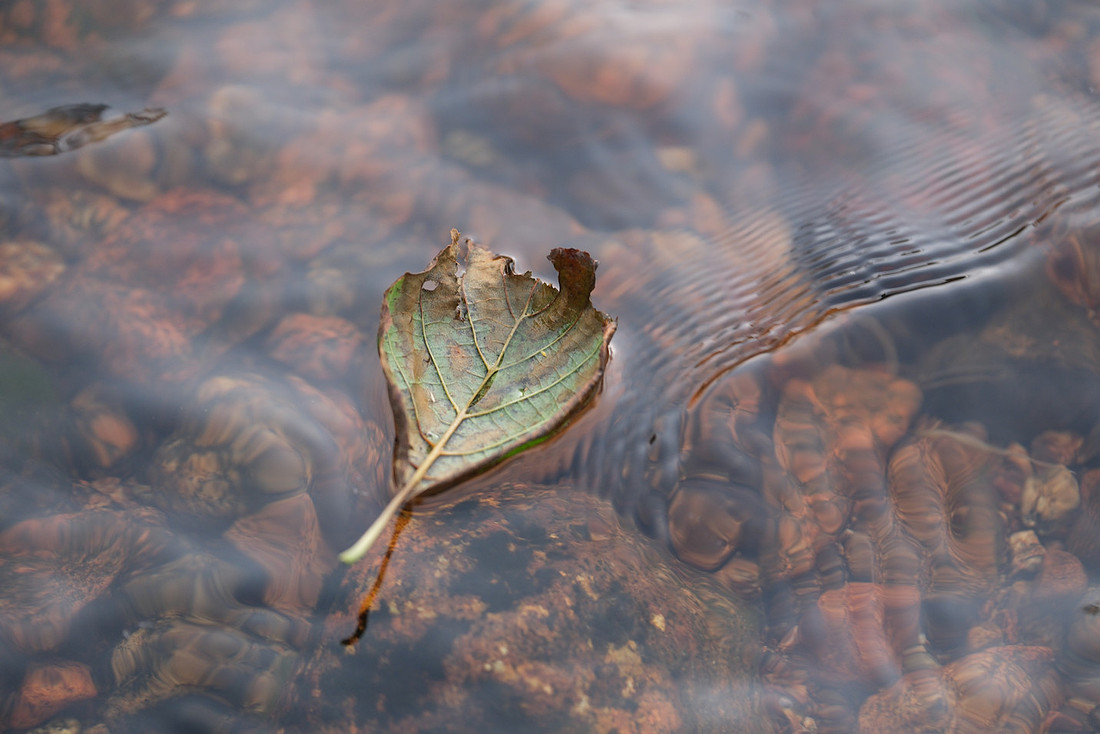
What kept pulling me back was not only the beauty but the sense of correlation: how the form of the land seemed to adjust my inner frequency. The more I returned, the more place poured into me. I formed a lexicon of color: late light on Ben Hiant in old gold; the surgical blue of winter seas; the bottle-green of kelp shining under a retreating wave; machair grass stippled in April with primroses at Portuairk, the little yellow vowels of the year. I formed a lexicon of sound: a chambered repertoire in which quiet was the conductor and every other voice; waders, wind, tide, vehicles few and far between all took their cue. It implored me to keep returning; in return I offered my time and attention, my craft, my listening.
This bond, once begun, matured from enthusiasm into fidelity. Time and place negotiated a truce inside me: I would come often, stay long, walk far, photograph less but truer, and listen more than I spoke. This peninsula dissolved the busy noise of elsewhere, leaving a residue of purpose. I learned to let photographs occur as if they were a response rather than a capture.
Spirit as Atmosphere: Landform, Weather, Colour, and Sound
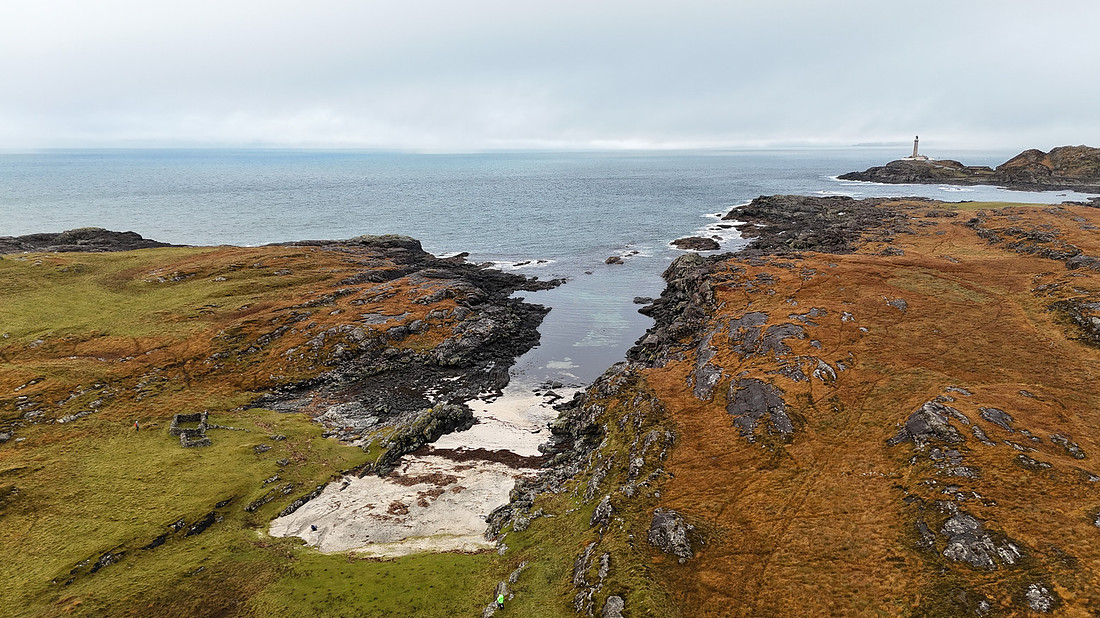
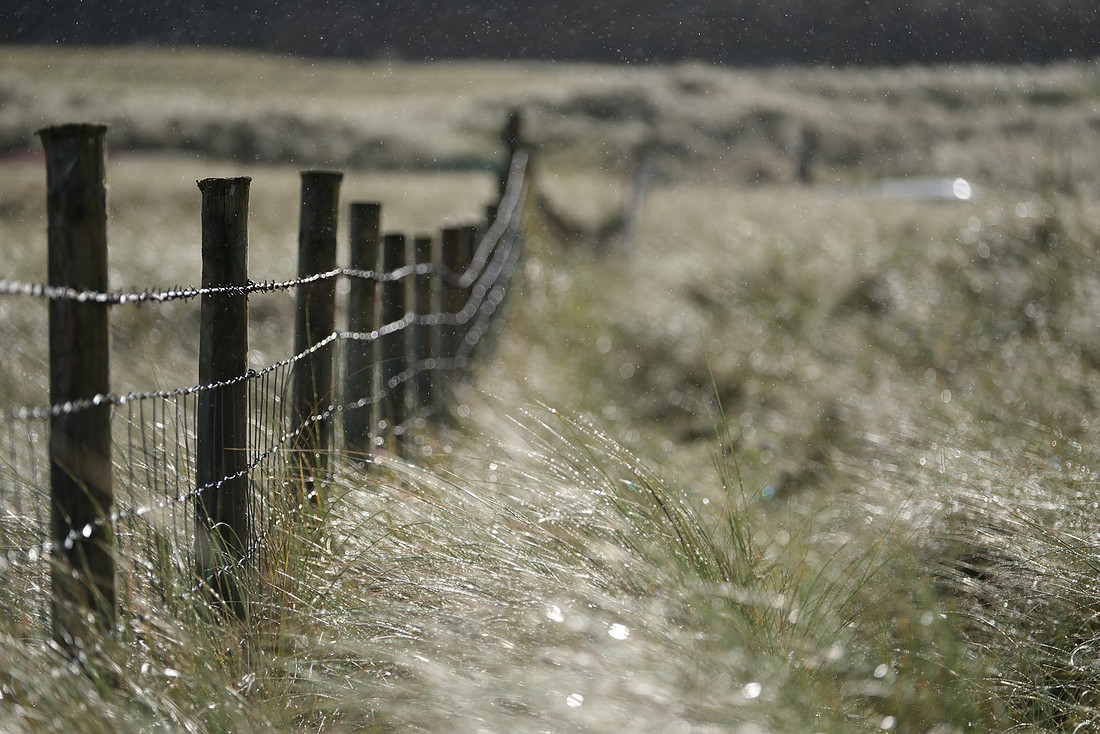
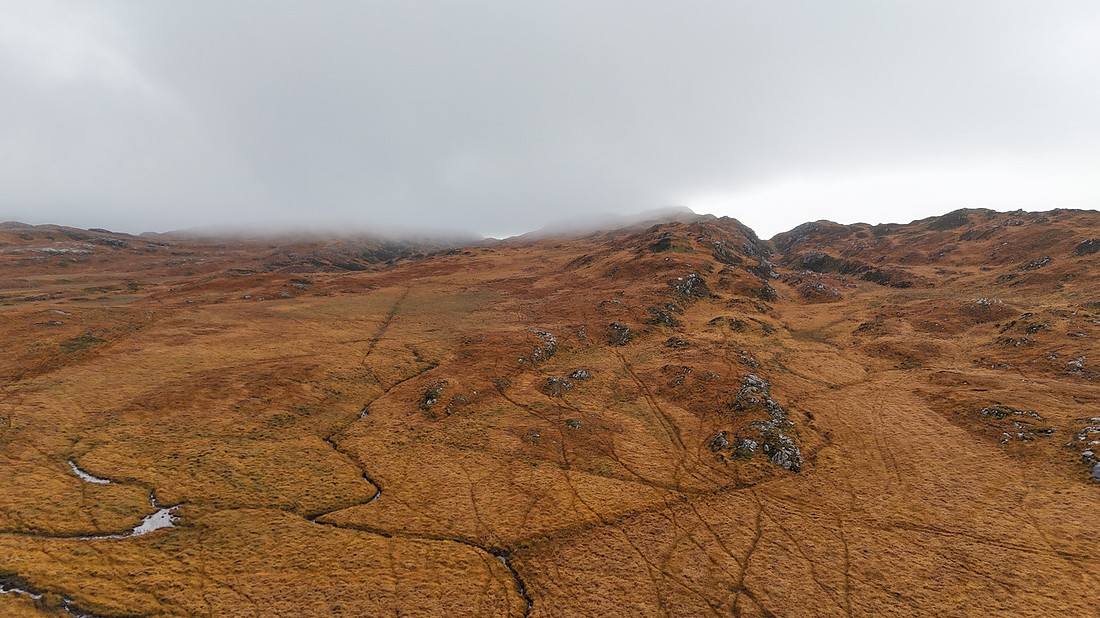
Spirit, in the west Ardnamurchan sense, is a composite of conditions: geology, coastal form, ocean weather, light regimes, and, crucially, quiet. The land’s foundation is volcanic: three centres recognized in the central complex, intrusive arcs of gabbro, granophyre, dolerite, and cone-sheets that shape topography and influence the style of coastlines and vantage points (BGS Earthwise; BGS Memoir Ch.15). The result is a geography of edges and holds: headlands that speak in calls and responses with small islands, Muck, Eigg, Rùm, and a sequence of bays whose sand and rock articulate mood.
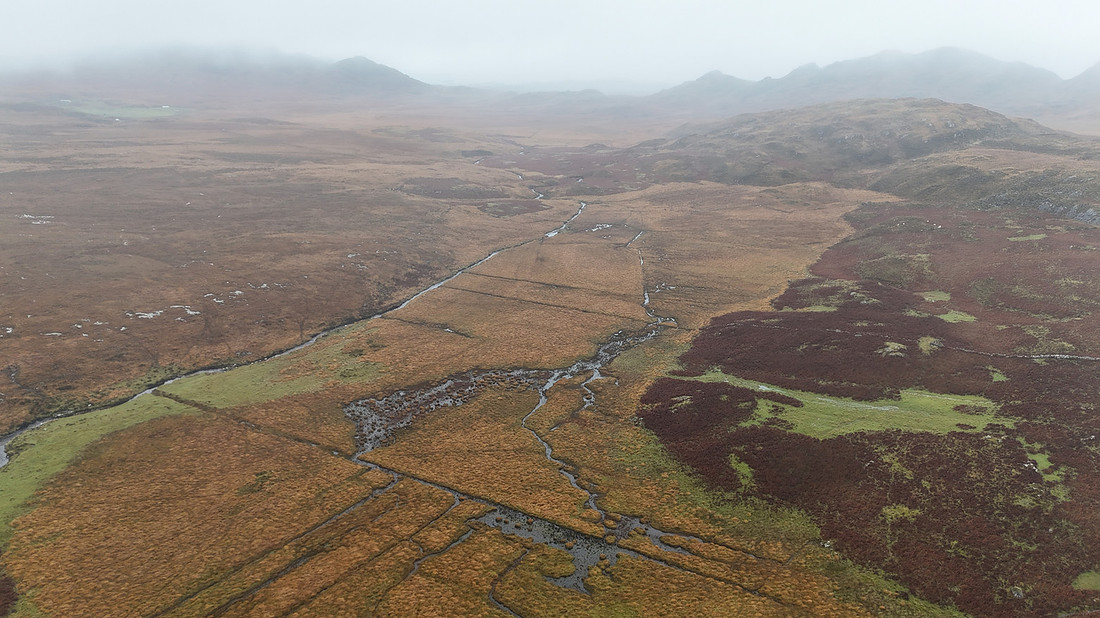
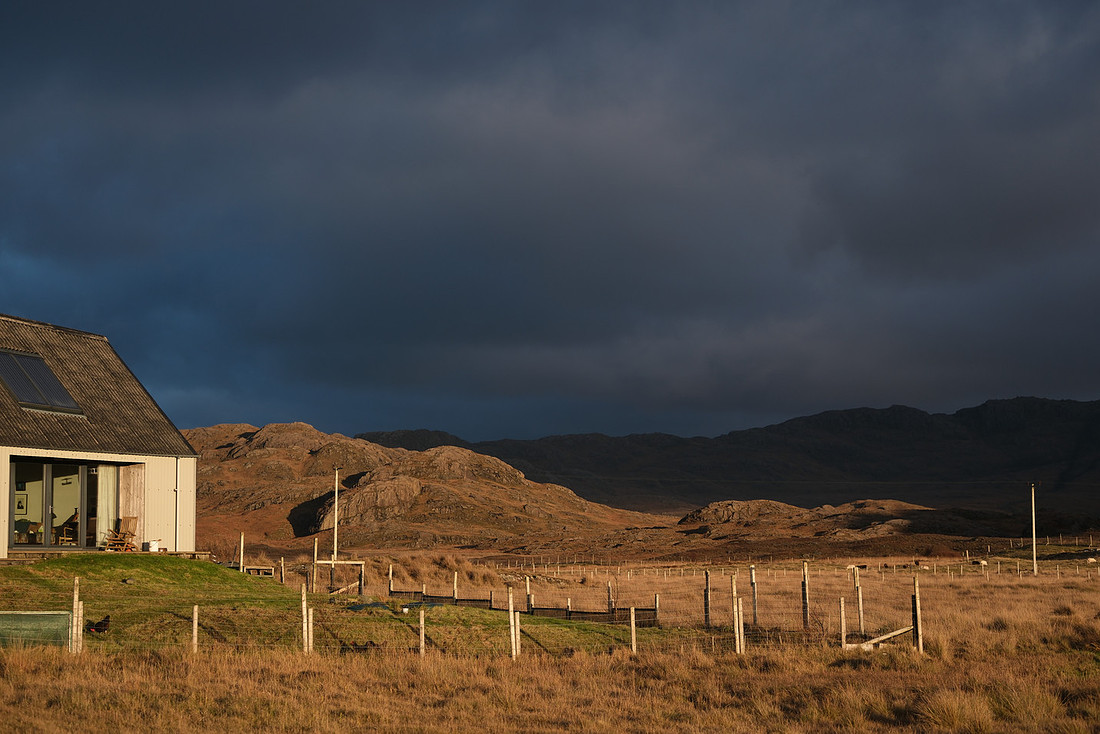
Weather is the peninsula’s dramaturge. Westerlies hurry in with marine breath; the Gulf Stream moderates; ceilings of stratus hang, then lift; showers drag their skirts over lighthouse glass. Statistical claims can be made for windiness and rain, for mild summers and cold-wet winters, but local experience is the proof of nuance. Spirit emerges in that nuance: the day one expects to cancel a walk then finds a corridor of sun along Sanna’s dunes; the evening when a storm’s tail leaves a rare magenta seam at the horizon. Colour is not simply optical, it’s relational, a conversation between cloud, sea, and stone.
Sound completes the composition. I have written elsewhere in this series — Composed by the Silence: Listening to Ardnamurchan’s Far West, that quiet here is not absence but architecture. It is the structure that holds and amplifies other voices: curlew notes curved like punctuation marks; the rough sibilance of surf at Port Mackie; wind harmonics combed through marram; boat engines, brief as footnotes; distant cattle expressing the weather a second time in low vowels. Field recordings and Ambisonic work translated my walking attention into spatial sound portraits; I learned to let microphones participate in the stillness and take away less “content” than contour. The peninsula’s quiet invites the listener to become tuned, softened, enlarged…. an audiology of place that enlivens feeling.
Community as Spirit’s Compass
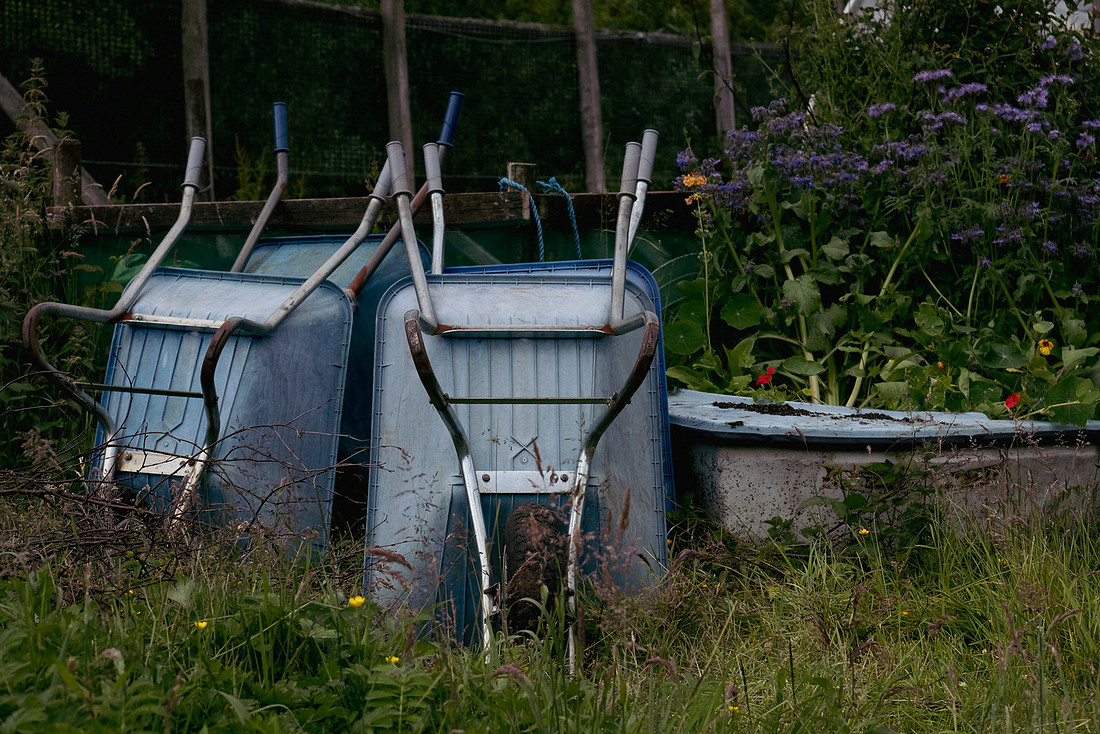
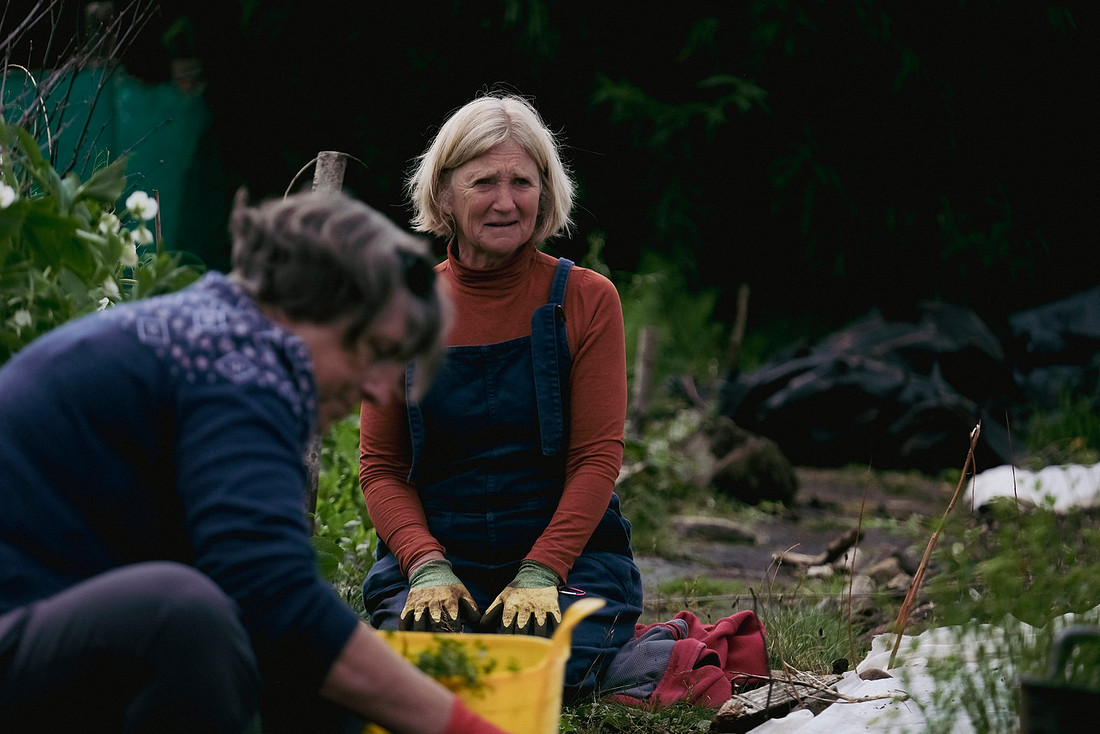
No account of “spirit” here would be complete without people. West Ardnamurchan’s communities; Kilchoan, Sanna, Portuairk, Achosnich - have been hospitable in both the old and newer senses: welcome offered, stories shared, practical knowledge given freely. The island-like feel of the peninsula, bounded by Loch Sunart, the Corran Narrows and ferries, small roads and distances measured in hours not miles….. shapes bonds of mutual regard. Challenges; logistics, storms, work, visitors, the economy of croft and craft are also ligatures, fastening neighbours closer, strengthening identity. The welcome I found weakened the distance between “visitor” and “participating witness.” It influenced my ethics: to give back, to contribute, to be of use, to share work locally, to listen before representing.
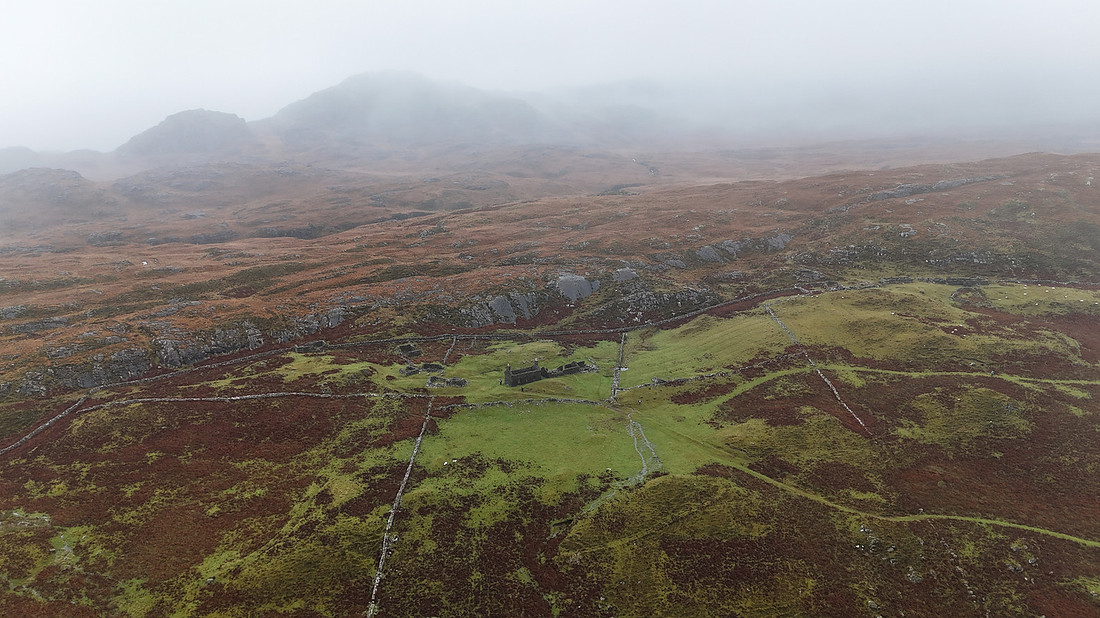
Kilchoan’s history, its church of St Comghan and the ancient layering of settlement across time, taught me how communities are palimpsests; Mingary Castle’s long story of clans, crowns and storm-worn stone reminded me that this coast has always been a place of arrivals and reckonings (Kilchoan – Heritage Ardnamurchan; Kilchoan Wikipedia; Mingary Castle – Heritage Ardnamurchan). Portuairk’s crofting pattern, the primrose fields above sheltered water, the path to Sanna: here community is a map drawn in feet and chores, in shared views and weathered thresholds.
To say “spirit” is to say “we,” even when walking alone.
Toponymy as Invocation: Scottish Gaelic Names of Place
Scottish Gaelic place-names give the landscape its audible identity. Pronounced and printed forms are more than labels; they are lenses. The standardised Gaelic forms curated by Ainmean-Àite na h-Alba (AÀA) are a rigorous, living corpus and, when learned and spoken, they augment one’s felt sense of geography (AÀA Database; SMO/UHI – Gaelic Place-Names). In west Ardnamurchan, examples are not scarce; each one declares a combined natural and cultural inheritance.
- Àird nam Murchan: the Gaelic for Ardnamurchan, often glossed “height/headland of the seals or seas,” is recorded early in Vita Columbae and later forms; modern scholarship highlights complexities in the early forms (Artda Muirchol) and notes potential semantic shifts.
- Cille Chòmhghain (Kilchoan): “Comgán’s church,” a name whose ecclesiastical root situates settlement around devotion and community (AÀA Database entry “Kilchoan”; Kilchoan – Heritage Ardnamurchan).
- Sanna (Sanna): often regarded as a Norse-derived name (from sand + ey), but in the Gaelic mouth it is also simply Sanna: an example of Norse and Gaelic threads in one weave (Heritage Ardnamurchan).
- Port Uairce (Portuairk): a name with debated derivations, including Gaelic readings such as port shobhrag (“bay of little primroses”), or forms influenced by personal names; its contested etymology is itself part of place’s story (Heritage Ardnamurchan – Portuairk).
- Beinn Hiant (Ben Hiant): sometimes glossed “blessed mountain,” the high point leaning over Kilchoan, a vantage that re-situates the walker in a larger arrangement.
- Greadal Fhinn: the chambered cairn near Kilchoan, a name that announces archaeology and myth in shared breath.
The principles for reading these names…. attending to local pronunciation, historical forms, Gaelic orthographic conventions, and the layered mixture of Gaelic, Norse, Pictish/Brythonic and Scots, are well-articulated by Watson’s canonical study and subsequent scholarship (Watson 1926/1993; Scottish Place-Name Society resources; Nicolaisen 1977). Speaking the names aloud; particular vowels, lenition, cadence…. is a way of entering the landscape. Toponymy becomes ekphrasis: language painting geography’s portrait.
Spirit as Bedrock of Creativity
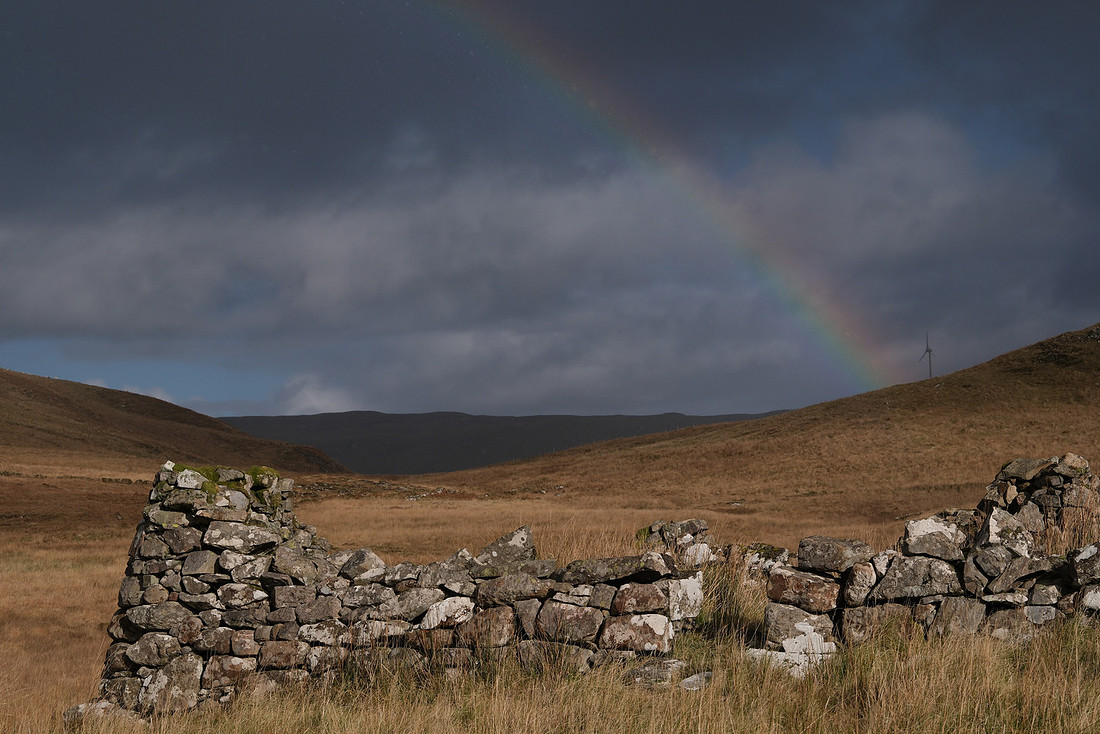
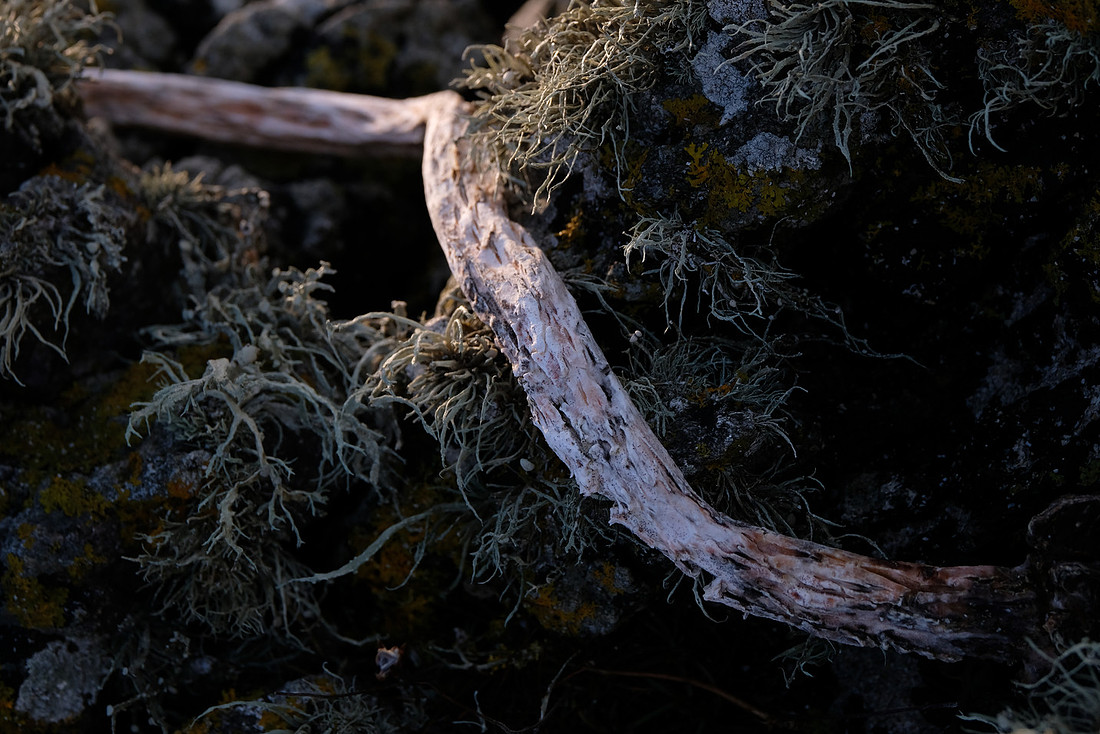
Spirit is motive and method. Ardnamurchan has turned my practice from a portfolio into a pilgrimage, from projects into a life’s work. Photography remains the first instrument, but it now walks in company: oils laid down in slow glazes to echo winter seas; essays that listen for thought’s own tides; field recordings that sketch three-dimensional quiet; video studies where time is a medium rather than a constraint. The long-term project Ardnamurchan Spirit / Spiorad Àird nam Murchan has become an ethics as much as an aesthetics: discussion with place; respect for community; response rather than extraction; inspiration paired with the discipline of staying; and challenge…. to be authentic, careful, and true.
This bedrock is not new to the Highlands. Gaelic cultural concepts such as dùthchas (heritable sense of belonging to place) and dualchas (heritage/tradition) articulate communal bonds between land, people, and practice…. ideas that guide responsibility as much as identity (Bateman & Mac a’ Phersain, via Làmhan article, 2025). Folklore on an dà shealladh (second sight) speaks to a kind of attending that is both a blessing and a burden: seeing more than the surface, reading futures and warnings in everyday textures; an old language of intuition now often softened into contemporary “gut feeling” (Martin 1695/2017 via The Herald; Stiùbhart 2020; Scottish Beacon feature 2024).
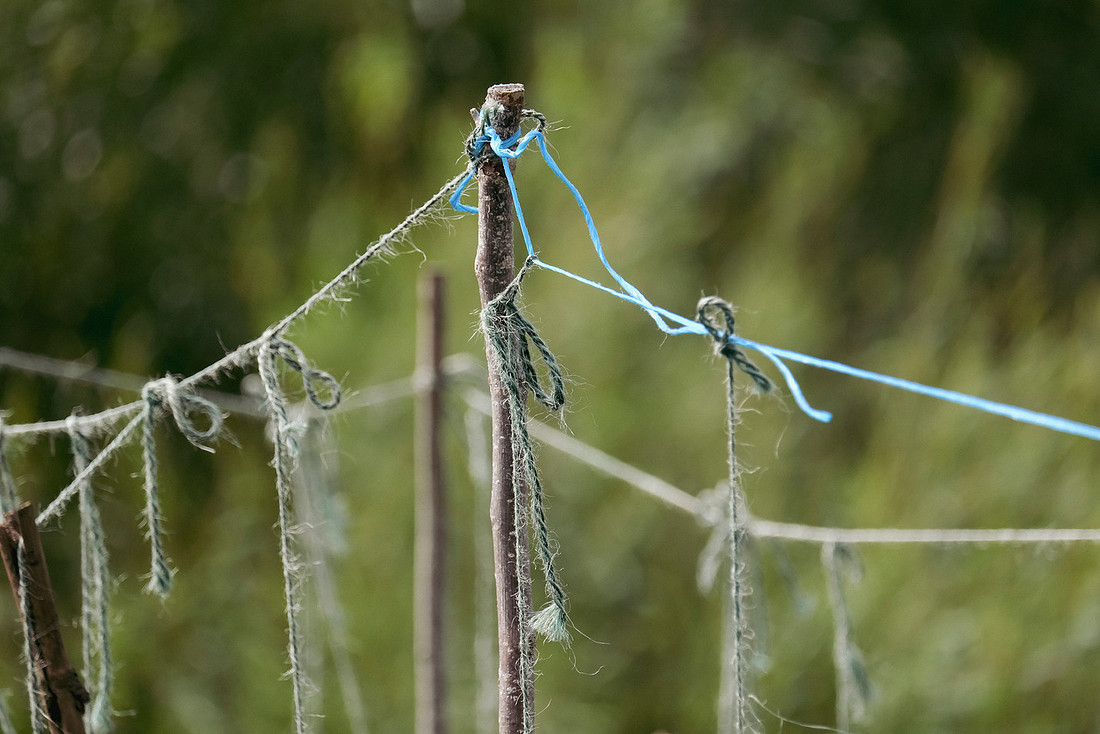
In artistic response, lineage matters. The west has been represented by poets, painters, musicians across centuries. Locally, the autobiographical work Night Falls on Ardnamurchan by Alasdair Maclean tracks the twilight of a crofting family and teaches the gravity of belonging. My own series has followed this tradition of serious witness, extending earlier instalments: The Latches of Ardnamurchan, Ardnamurchan Croft Fences, Composed by the Silence, Elemental I–IV, toward an integrated practice where photographs are accompanied by writing and sound. Spirit is the organising principle, the field in which every medium finds its resonance.
Toward Home: Resolve and Reciprocity
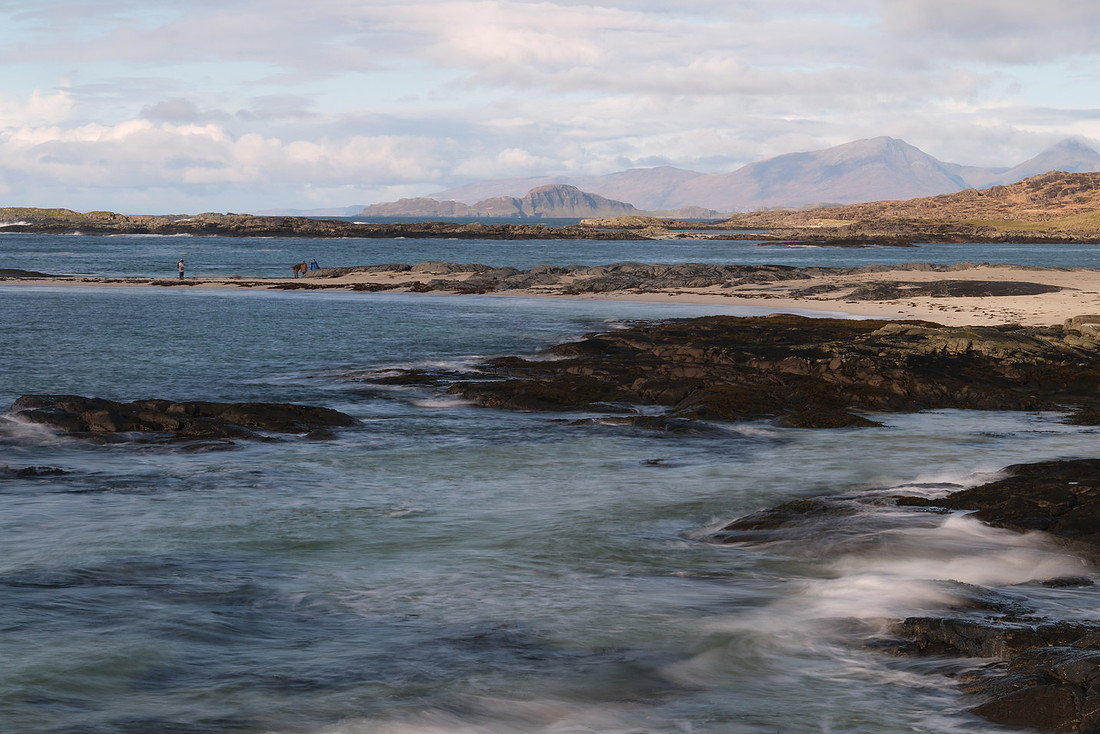
All of this has strengthened my resolve to make west Ardnamurchan home: not as a declaration but as a task. “Home” here must be offered, not assumed; earned in participation and maintained in reciprocity. The work’s future now includes publishing books born of the long-term project, exhibiting locally as well as farther afield, teaching listening…. in sound and in ethics, to those who come to walk and see on our Creative Retreat. Equally, it includes volunteering, contributing skills, and honouring local knowledge.
Community challenges; transport, weather, changing economies, the care of croft land and heritage, are an invitation to usefulness. Giving back is as important as giving art. If this place has shaped me, then anything I make should return some portion of that shaping: to help articulate identity; to document and celebrate; to advocate for the land’s and community’s health; and to welcome others into the kind of attentive, careful visiting that strengthens bonds rather than weakens them.
Closing: What Spirit Means
Spirit, for me, is the felt continuity between geology, weather, light, sound, language, and people; a composite tenderness that makes a place more than coordinates and a life more than schedule. It has evolved from initial awe to shared responsibility, from fascination to fidelity. It is now intrinsic to both my creative method and personal bearing: the day’s walk sets the aperture for the camera and widens the aperture of the heart.
For readers, I offer an invitation: think of your own spiorad-àite, your spirit-of-place. Where does your quiet conduct the orchestra? Which landform teaches you patience? Which weather makes you honest? Try listening first: learn the names; let colour have its way with you; attend to the sounds that only arise when you slow down. Let your creativity be a conversation, not a conquest. Ask what you can offer back. If we make with and for place, we make more truly.
Spirit, then, is not mystical decoration but daily practice: walking humbly, seeing precisely, and returning often. Out here, where the land remembers fire and the sea remembers everything, spirit is the way the west holds you…. and the way you hold it in return.
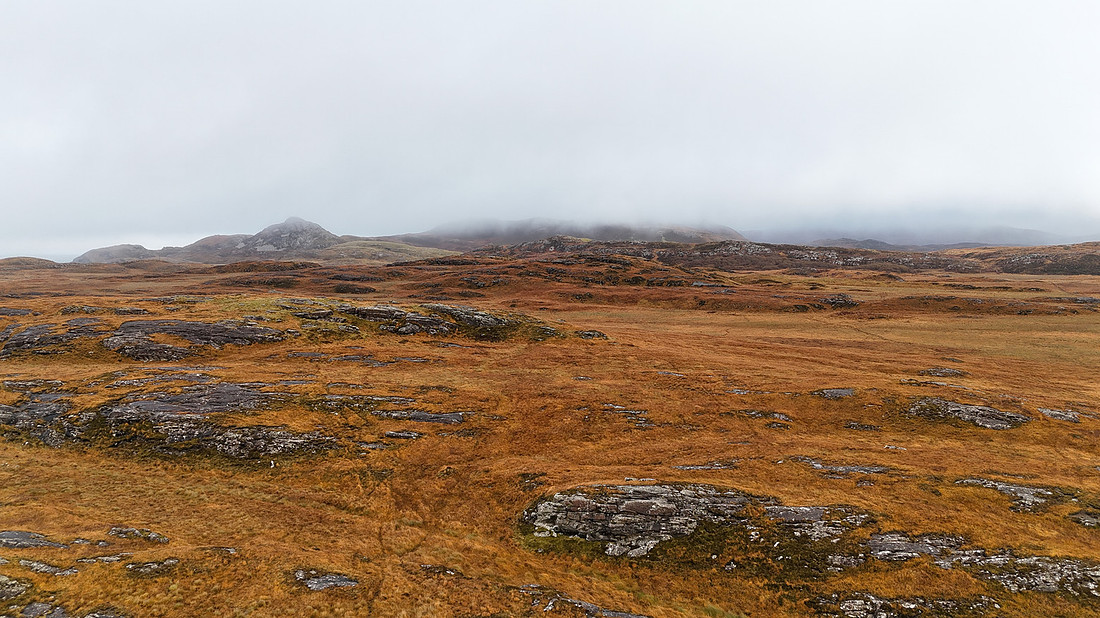
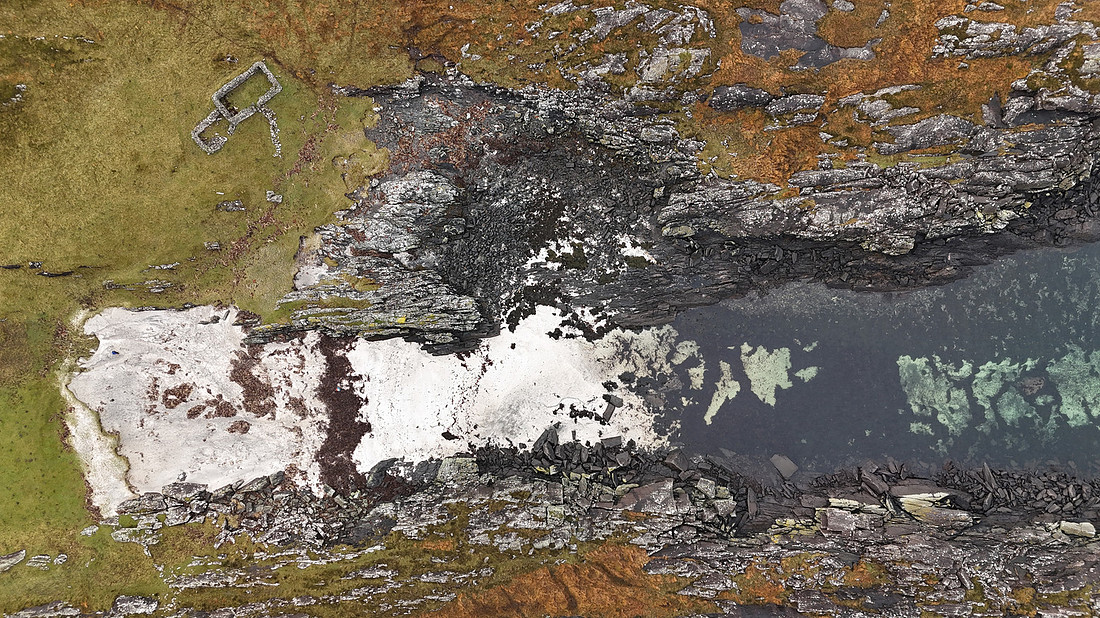
Spirit
The west does not speak; it hums…. a low, tidal chord beneath basalt hills, a pulse braided with wind and salt. I stand where machair loosens into sand, and the Atlantic writes its endless sentence in silver ink. Silence here is not absence but grammar: the syntax that binds curlew calls, marram whispers, the soft consonants of Gaelic names.
Spirit is not a thought but a texture…. gneiss cold under my hand, light bruising Ben Hiant in amber, indigo pooling in the Sound. It does not decorate me; it remakes me. My compass now is elemental, its needle drawn always west, toward the quiet that composes me.
Bibliography
- Ainmean-Àite na h-Alba (AÀA) (n.d.) Gaelic Place-Names of Scotland – Database and Map. Available at: https://www.ainmean-aite.scot/ (Accessed: 23 November 2025).
- Anderson, E.M. (1936) ‘The dynamics of the formation of cone-sheets, ring-dykes, and cauldron-subsidence’, Proceedings of the Royal Society of Edinburgh, 56, pp.128–156.
- Bateman, M. & Mac a’ Phersain, I. (discussed) in Làmhan (2025) ‘On dùthchas and dualchas: two key Scottish Gaelic concepts’. Available at: https://lamhan.scot/2025/05/06/on-duthchas-and-dualchas-two-key-scottish-gaelic-concepts/ (Accessed: 23 November 2025).
- Beach-Weather (n.d.) ‘Annual average weather for Ardnamurchan Peninsula, United Kingdom’. Available at: https://beach-weather.com/Northern-Europe/United-Kingdom/Scotland/Ardnamurchan-Penninsula/averages/ (Accessed: 29 November 2025).
- British Geological Survey (BGS) Earthwise (n.d.) ‘Ardnamurchan Central Complex, Hebridean Igneous Province’. Available at: https://earthwise.bgs.ac.uk/index.php/Ardnamurchan_Central_Complex,_Hebridean_Igneous_Province (Accessed: 26 November 2025).
- British Geological Survey GeoGuide (n.d.) ‘Chapter 15: Tertiary ring-dykes of Ardnamurchan – introduction’. Available at: https://geoguide.scottishgeologytrust.org/p/bgs/ardnamurchanmemoir/bgs_ard_15chap15tertringintro (Accessed: 21 November 2025).
- British Geological Survey Memoir (n.d.) ‘Chapter 7: Tertiary igneous rocks, Ardnamurchan and North-west Mull, time sequence’. Available at: https://geoguide.scottishgeologytrust.org/p/ardnamurchanmemoir/bgs_ard_07chap7tertigneous (Accessed: 29 November 2025).
- Geological Society of London (n.d.) ‘Ardnamurchan ring complex – 100 Great Geosites’. Available at: https://www.geolsoc.org.uk/science-and-policy/100-great-geosites/landscape/ardnamurchan-ring-complex/ (Accessed: 29 November 2025).
- Heritage Ardnamurchan (n.d.) ‘Kilchoan’. Available at: https://heritageardnamurchan.co.uk/kilchoan/ (Accessed: 27 November 2025).
- Heritage Ardnamurchan (n.d.) ‘Sanna’. Available at: https://heritageardnamurchan.co.uk/sanna/ (Accessed: 29 November 2025).
- Heritage Ardnamurchan (n.d.) ‘Portuairk’. Available at: https://heritageardnamurchan.co.uk/portuairk/ (Accessed: 28 November 2025).
- Heritage Ardnamurchan (n.d.) ‘Mingary Castle & Clan MacIain’. Available at: https://heritageardnamurchan.co.uk/history/maciains-mingary/ (Accessed: 29 November 2025).
- Historic Environment Scotland Blog (2017) ‘Early Gaelic names in Scotland’. Available at: https://blog.historicenvironment.scot/2017/03/early-gaelic-names-scotland-ainmean-aite-na-h-alba/ (Accessed: 28 November 2025).
- Kilchoan Wikipedia (n.d.) ‘Kilchoan’. Available at: https://en.wikipedia.org/wiki/Kilchoan (Accessed: 27 November 2025).
- Maclean, A. (1993) Night Falls on Ardnamurchan: The Twilight of a Crofting Family. Edinburgh: Birlinn.
- Martin, M. (1695/2017) A Description of the Western Islands of Scotland, modern discussion via The Herald feature: Dick, S. (2023) ‘‘Second sight’ and folklore in the Scottish Highlands and islands’, The Herald. Available at: https://www.heraldscotland.com/news/23640933.second-sight-folklore-scottish-highlands-islands/ (Accessed: 24 November 2025).
- Met Office (n.d.) ‘Factsheets: Climate of the British Isles’. Available at: https://www.metoffice.gov.uk/research/library-and-archive/publications/factsheets (Accessed: 29 November 2025).
- Mingary Castle Trust (n.d.) ‘Mingary Castle, the MacIans and the Lordship of Ardnamurchan’. Available at: https://www.mingarycastletrust.co.uk/mingarycastletrust/history/archaeological-reports/ (Accessed: 29 November 2025).
- Nicolaisen, W.F.H. (1977) ‘Celtic Toponymics in Scotland’, Names, 25(2), pp.117–135. (Taylor & Francis Online PDF).
- O’Driscoll, B., Troll, V., Reavy, J. & Turner, P. (2006) ‘The Great Eucrite intrusion of Ardnamurchan, Scotland: Re-evaluating the ring-dike concept’, Geology, 34, pp.189–193.
- Omniglot (Pentecost, L.A.) (2021) ‘Gaelic, and ancient language on Ardnamurchan and Rùm’. Available at: https://www.omniglot.com/language/articles/ardnamurchan.htm (Accessed: 25 November 2025).
- Portuairk Wikipedia (n.d.) ‘Portuairk’. Available at: https://en.wikipedia.org/wiki/Portuairk (Accessed: 29 November 2025).
- Sabhal Mòr Ostaig / University of the Highlands and Islands (n.d.) ‘Gaelic Place-Names of Scotland (AÀA overview)’. Available at: https://www.smo.uhi.ac.uk/gaelic-place-names-of-scotland/?lang=en (Accessed: 26 November 2025).
- Scottish Place-Name Society (n.d.) ‘Index of Celtic and Other Elements (resources)’. Available at: https://spns.org.uk/resources/index-celtic-elements (Accessed: 25 November 2025).
- Stiùbhart, D.U. (2020) ‘The Invention of Highland Second Sight’, in Goodare, J. & McGill, M. (eds) The Supernatural in Early Modern Scotland. Manchester: Manchester University Press.
- timeanddate.com (n.d.) ‘Climate & Weather Averages in Ardnamurchan, Scotland’. Available at: https://www.timeanddate.com/weather/@2657142/climate (Accessed: 29 November 2025).
- Watson, W.J. (1926/1993) The History of the Celtic Place-Names of Scotland. Edinburgh: Birlinn.
- Wild Ardnamurchan (n.d.) ‘The Ardnamurchan Volcanoes’. Available at: https://www.wildardnamurchan.com/ardnamurchan-rocks/the-ardnamurchan-volcanoes (Accessed: 27 November 2025).
Notes on Continuity with the Series
This essay follows on from earlier instalments in Spiorad Àird nam Murchan, including The Latches of Ardnamurchan, Ardnamurchan Croft Fences, Composed by the Silence: Listening to Ardnamurchan’s Far West, and Elemental I–IV. Its focus on spirit as the integrated field of geology, weather, language, sound and community is the culminating arc of the Elementan sub-series, preparing the ground for the forthcoming book-length work.