Spiorad Àird nam Murchan Pt 22 - Response Freagairt

Spiorad Àird nam Murchan, Part 22 - Response (Freagairt)
“To experience is to learn; it means acting on the given and creating out of the given.” — Yi‑Fu Tuan, Space and Place [1977]

Setting the Scene: Returning, Conversation, and the Grounding Principle of Response
This essay emerged out of an online discussion about my previous piece on “Returning” and a shared academic touchstone: the human geographer Yi‑Fu Tuan. His experiential view of space and place was foundational in my undergraduate studies and now quietly undergirds my practice in Ardnamurchan. Tuan’s insistence that experience is “all the modes by which a person knows and constructs reality” and that to experience is to learn strikes at the heart of what I attempt each time I step into Ardnamurchan’s weather, light and silence with a camera.
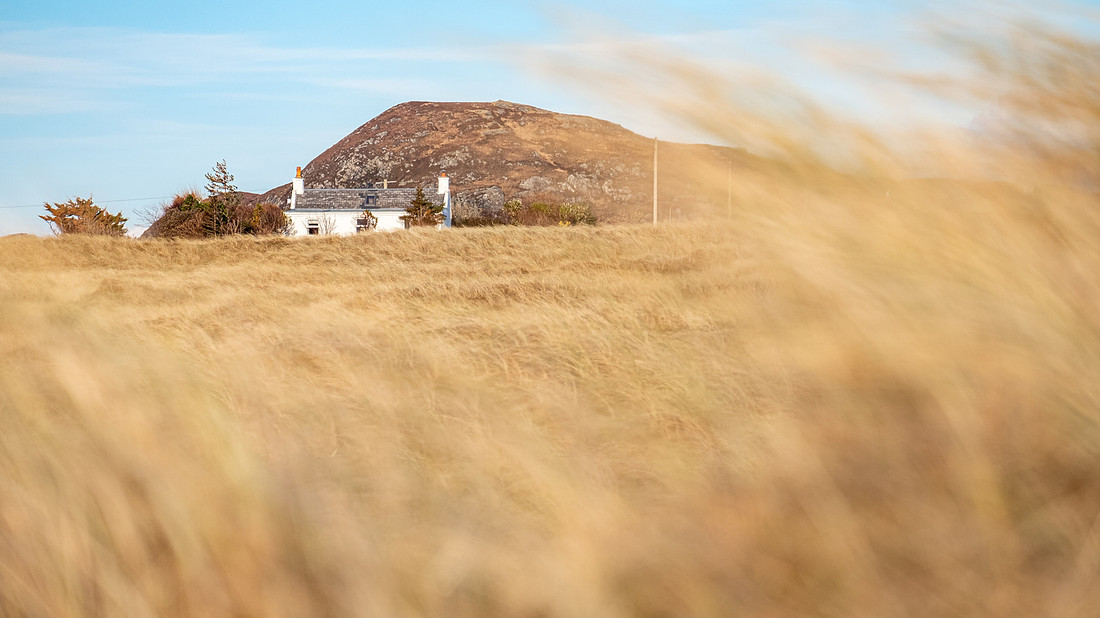
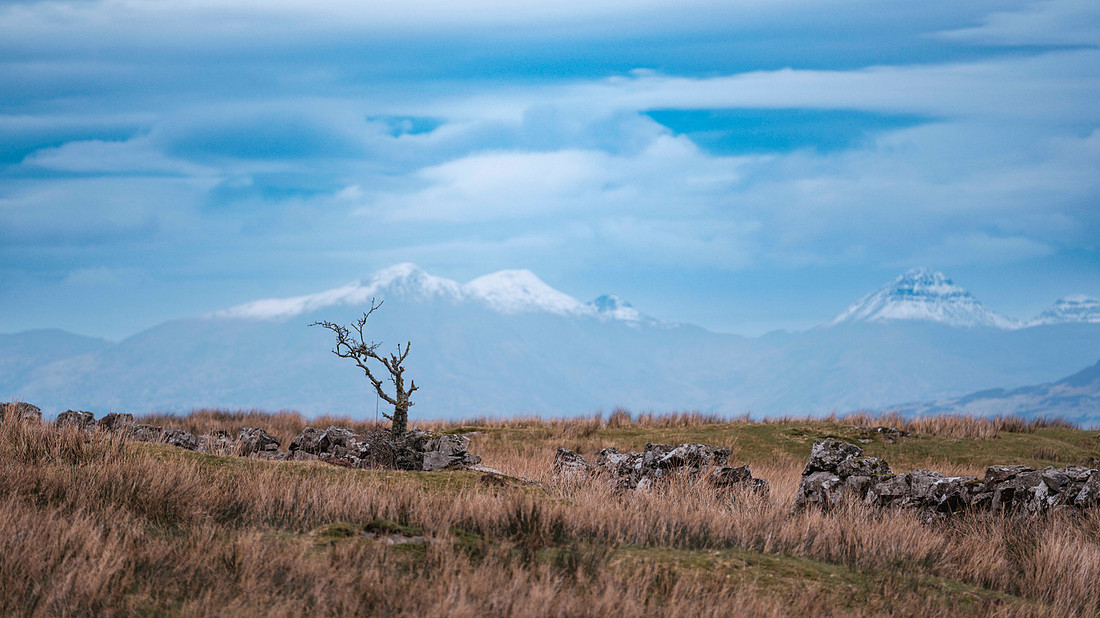
When a researcher‑writer and walking tour leader commented on “Returning,” our conversation turned quickly to Yi-Fu Tuan which sparked thoughts to how response; emotional, psychological, physiological, sensual; can be not simply an outcome but a grounding principle for creative practice. In the far west of Ardnamurchan, response is not an abstract idea: it is wind, salt, peat, quartz, and tide; it is Sanna’s machair whispering, Ben Hiant’s sudden silhouette, the basalt ribs of an ancient crater wrapping the road like memory. It is community; the crofting stories, the Gaelic names, the folklore infusing the work. My photographs and writings here are, fundamentally, acts of response: they mark a relationship with place that is lived first and made later.
Tuan’s concise provocation; acting on the given and creating out of the given; is precisely what happens for me in Ardnamurchan: the given is weather, geology, language, people, and histories; the creating is a conversation held in images and words.
Defining Response: Experiential Geography and Psychogeography
Experiential Geography (Yi‑Fu Tuan).
Tuan’s work frames place as a “concretion of value,” known through our bodily movement and the feelings and thoughts that bind meaning to location. Experience, in his terms, is not mere sensation; it is the dynamic interplay of feeling and thought, a process of learning that transforms the given into meaning. In Space and Place and earlier essays like “Place: An Experiential Perspective,” he explores how attachment, memory, and the senses compose our sense of place and direct our action within it. My practice recognises that the image is never just light on a sensor; it is a crystallisation of movement, pause, and attention in the landscape; the concretion of a lived moment in Ardnamurchan. My response.
Psychogeography.
Running alongside experiential geography is psychogeography, the study of “the specific effects of the geographical environment, whether consciously organised or not, on the emotions and behaviour of individuals” (Guy Debord, 1955). While often associated with urban dérive, the core idea; places elicit distinct emotional and behavioural responses translates powerfully to remote landscapes. Contemporary summaries emphasise embodied drifting, sensory mapping, and creative cartographies that surface subjective and social contours of place. In Ardnamurchan, my response is guided by deliberate wandering and listening: the dérive becomes slow walking along Sanna, dwelling at Camas nan Geall, feeling the wind-direction across the machair, and letting those embodied cues steer both composition and thematic focus.
Together, Tuan’s experiential frame and Debord’s psychogeographic lens explain how Ardnamurchan “gets into” the work: the geography is not backdrop; it is agent and interlocutor.
The photograph is therefore the trace of an exchange.
From Technique to “Un‑Learning”: Letting Emotional Response Lead
Every photographer learns the scaffolds: composition, vantage, aperture for depth, shutter for motion, focal length for compression. Technique matters. But much of my Ardnamurchan work involves moving these frameworks into the quiet of muscle memory so that response can lead. It’s an “un‑learning” that does not discard craft but subordinates it to feeling. This is akin to entering what Mihaly Csikszentmihalyi calls flow; a balance of skill and challenge, clear goals in the moment, effortless attention, and the merging of action and awareness. In flow, technical decision-making becomes intuitive: the camera responds to breath, heartbeat, and the way light slides across basalt.
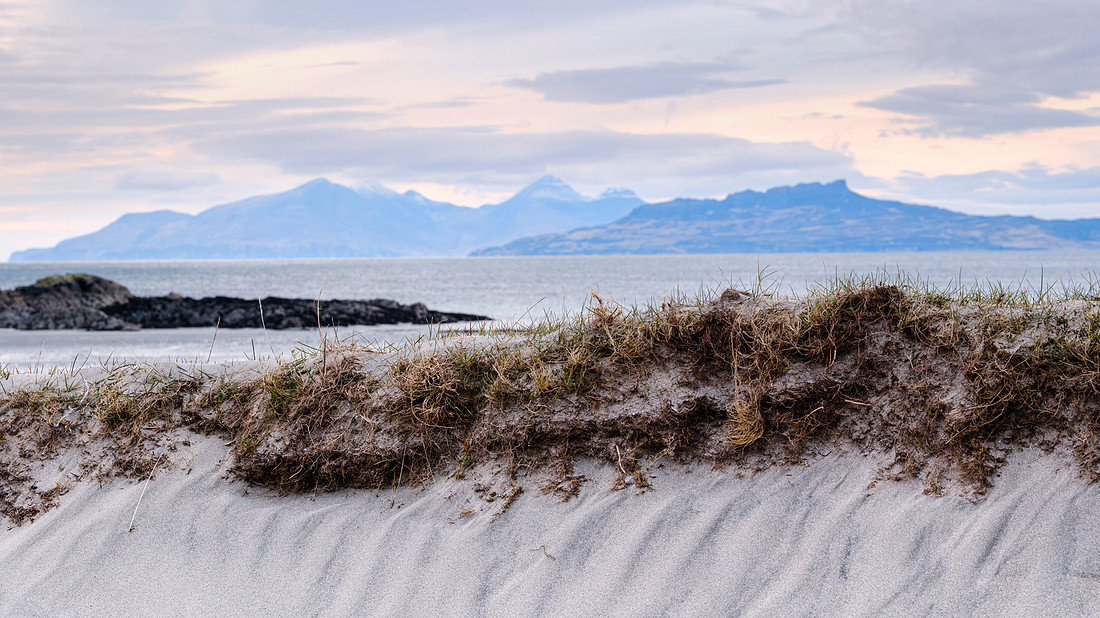
Critics like Susan Sontag remind us that photographing is always an act of selection, disclosure, and sometimes complicity; images invite interpretation and feeling but also create distance. Yet in Ardnamurchan, my attempt is to let response draw me closer…. to make the photograph a conduit of communion rather than mere possession. Roland Barthes’ distinction between studium (cultural reading) and punctum (the detail that “pricks” the viewer) is instructive: I want to leave room for the punctum…. the salt-white seam in a dune, the glint of quartz, a weathered latch to do its quiet work in the viewer.
Finding “The Place”: Ardnamurchan as Life’s Work
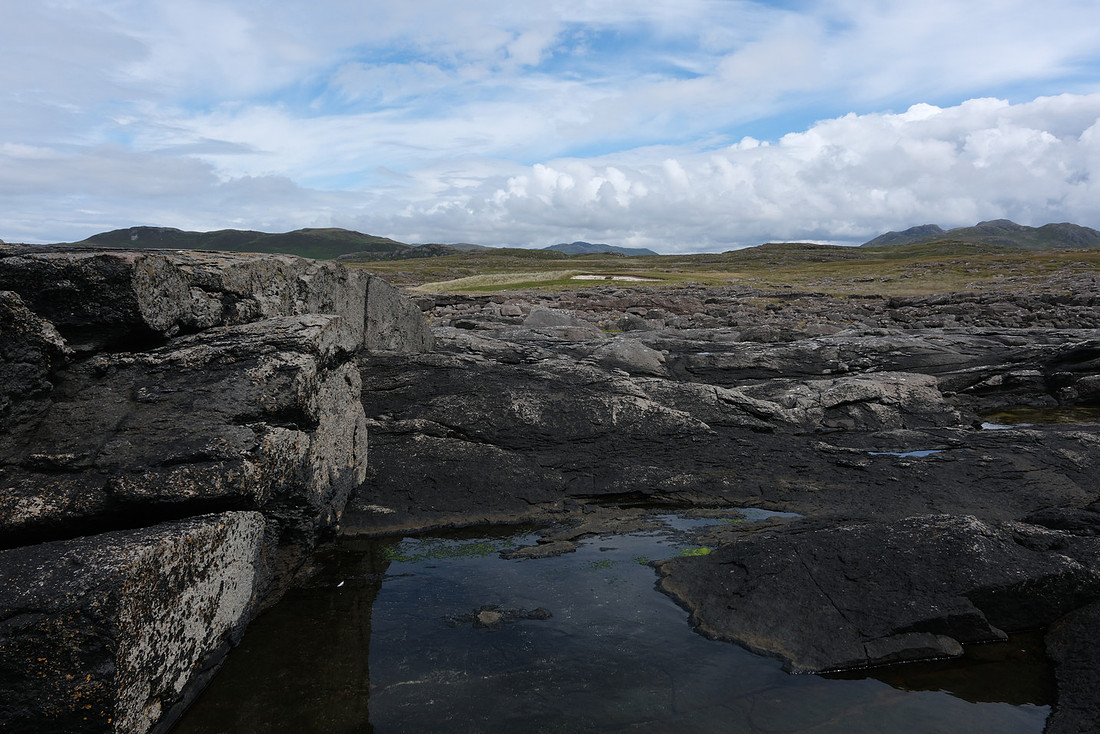
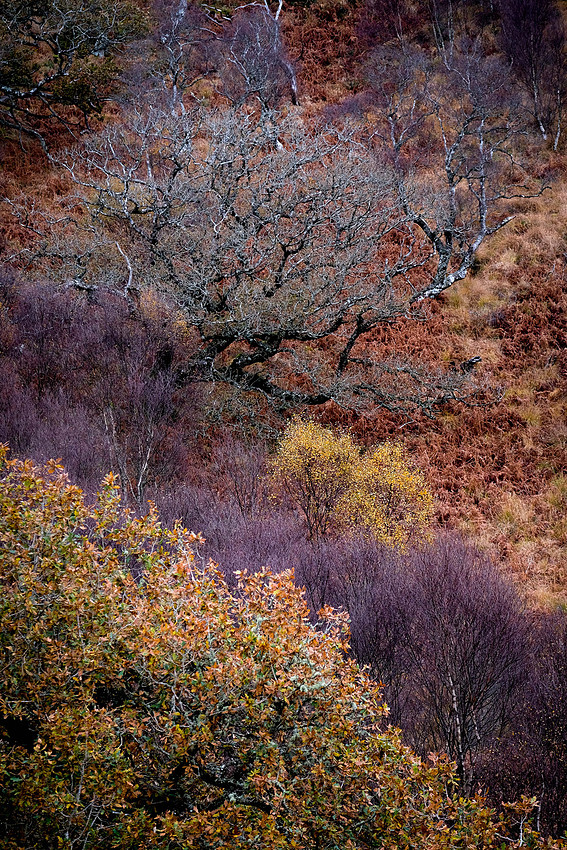
It is rare to find the place; a landscape that so entrances and moves that one’s creative journey roots there. Ardnamurchan is that for me. The peninsula’s geology—the revealed volcanic ring, the lopolith arcs, the austere thisness of basalt against Atlantic is not just subject; it is a collaborator. The northern coast from Sanna to Ardtoe is designated National Scenic Area; its remoteness is literal and psychic, a long, single-track invitation to slow down. The way the light mesmerically weaves its magic across the tonal landscapes across the year are a chorus to serenade my creative expression.
This rootedness has a personal and communal dimension. The Gaelic toponymy (more below), croft histories, community gardens and conversations with local practitioners form the social ecology that sustains creativity. MEM Donaldson’s presence at Sanna Bheag—her ethnographic eye and photographic sensitivity feels like a historical anchor, a reminder that response to place can be both intimate and documentary, and that living with a place deepens one’s seeing.
My long-term series, Spiorad Àird nam Murchan, grows from that need to respond; to mark, in images and words, how this place keeps remaking me.

Soaking, Walking, Being: Response Beyond Production
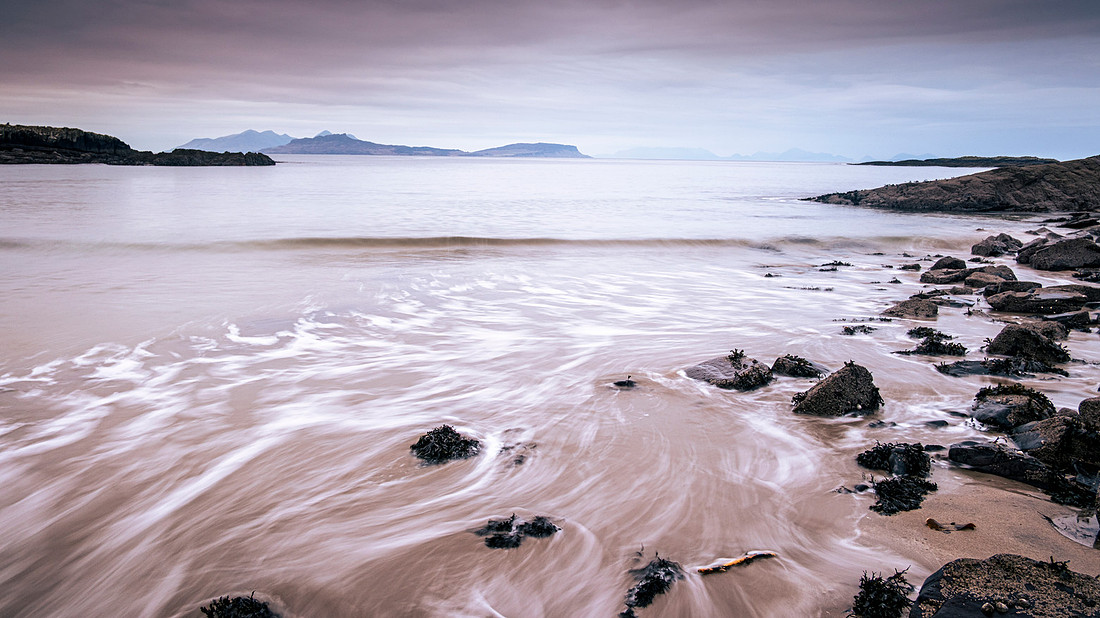
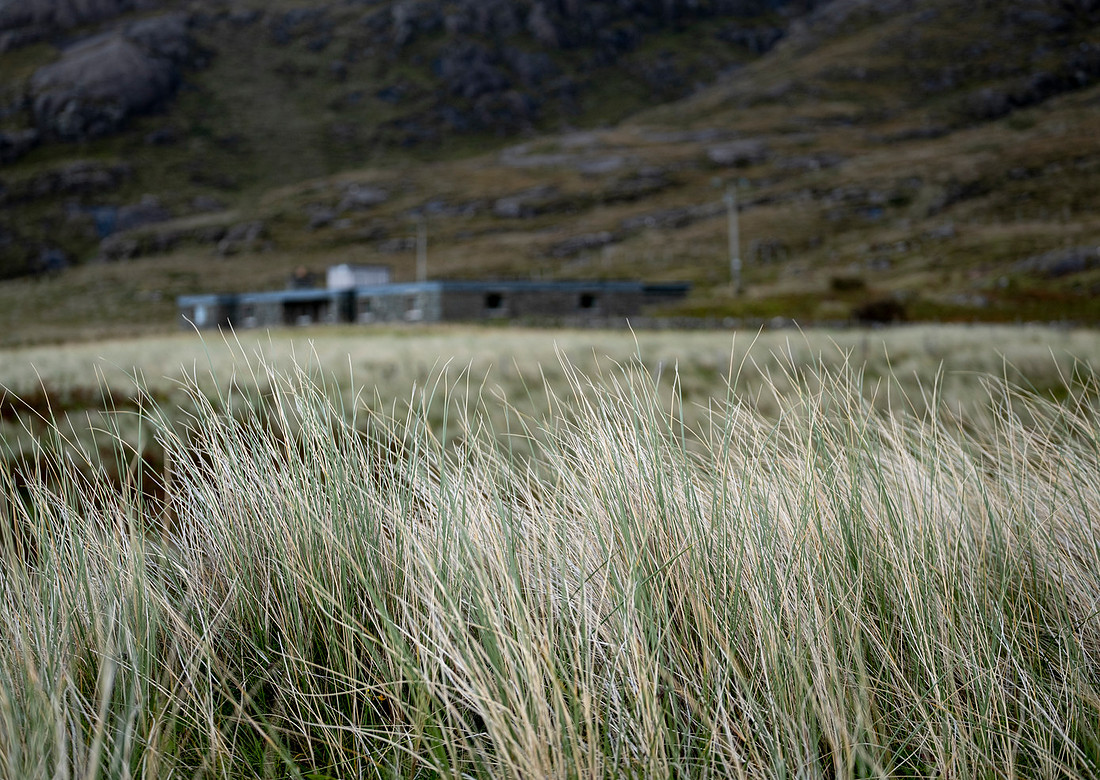
Response isn’t always more frames or more paragraphs. Often it is soaking up the place until thinking is inflected by it; quiet walking, sitting, listening, letting wind-lines on the water teach rhythm. Psychogeographic methods valorise dérive and subsequent mapping precisely because creative understanding arises from embodied lingering. In Ardnamurchan, the slow practice…. being rather than producing has recalibrated my attention: my “notes” may be the pattern of marram under a westerly, the colour of peat-water in winter light, or the hush at low tide. Later, these impressions shape images and sentences in ways I could not plan.
Sontag observes that photographs can anesthetise if over-consumed; my antidote is pauses without the camera, letting place act on me without mediation. The intentional alternation between fieldwork and field-being keeps response alive and authentic.

Time and Response: The Long Patience
Deep response requires time. Tuan repeatedly ties place-attachment to temporality; how feelings of security, memory, and pause transform location into place. In practice, this means resisting the pressure to move on to “the next location” and choosing instead to return across seasons and years. Neil Ansell’s The Last Wilderness models this beautifully in the Rough Bounds; repeated walks across seasons produce understanding that a single visit cannot. Annie Worsley’s Windswept, structured by elemental cycles, shows how crofting life and deep time infuse creative response to the North‑West Highlands.
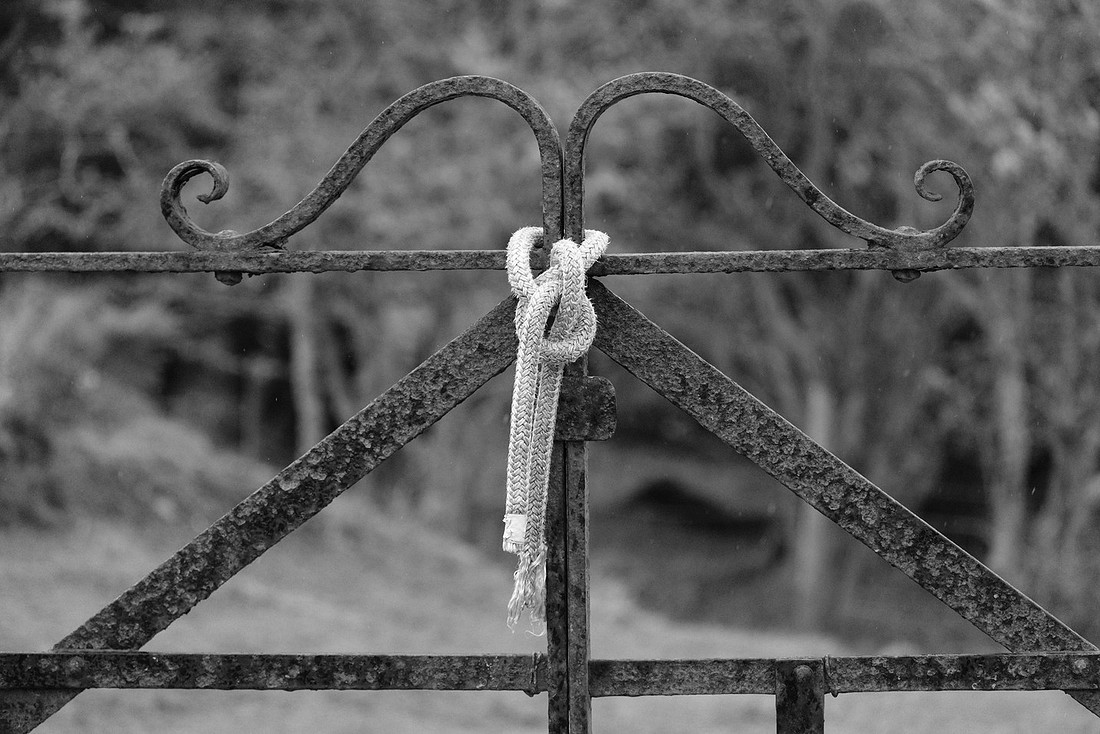
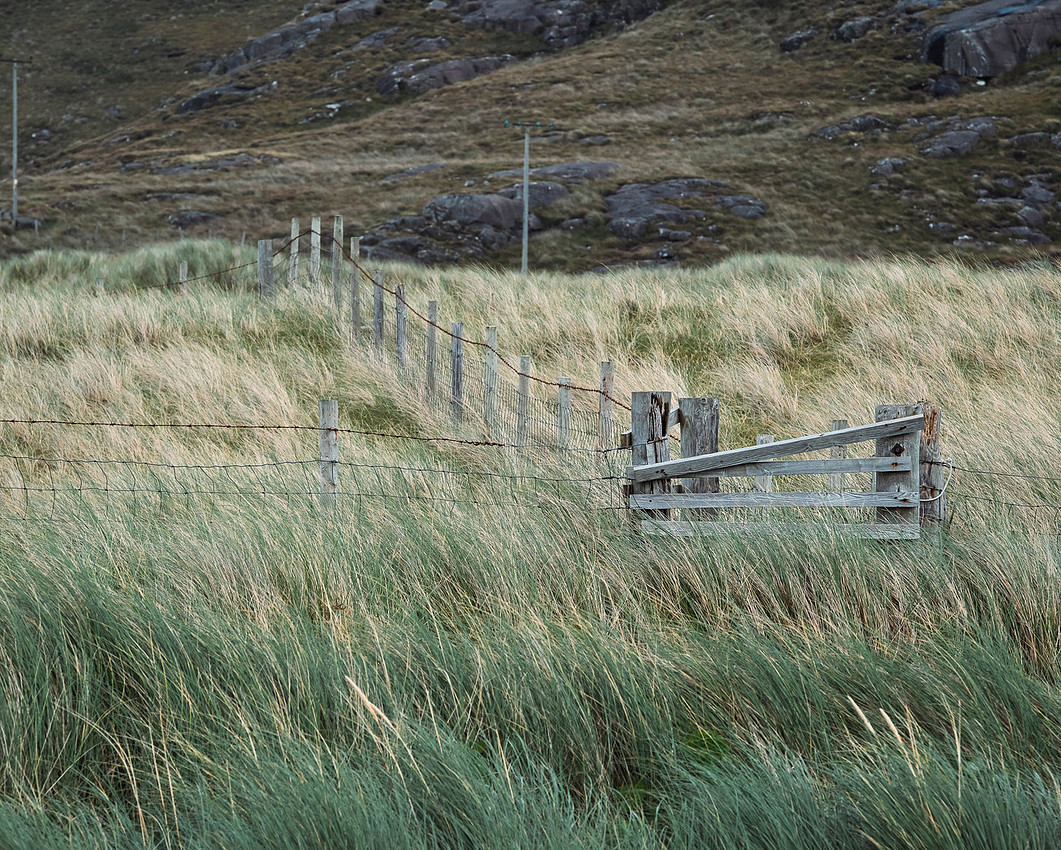
My own pacing in Ardnamurchan has been a near-decade of returns: the basalt forms at Sanna in summer, the grey Atlantic light in winter, the hush at Camas nan Geall under low cloud. Community conversations layer over time…. stories about croft fences, latches, and names…. so that each new image carries sediment from those exchanges. Time allows response to ripen.
Response and Creative Evolution
Creative pathways meander. Long engagements with place change our concepts and focus. Csikszentmihalyi’s systems model of creativity reminds us that personal creativity evolves within domains (photography, nature writing) and fields (communities, critics, collaborators) over time. My Ardnamurchan work began with elemental textures and has widened to include language (Gaelic toponymy), folklore, and ethnographic threads; each evolution prompted by response to what the place “asked” of me next.
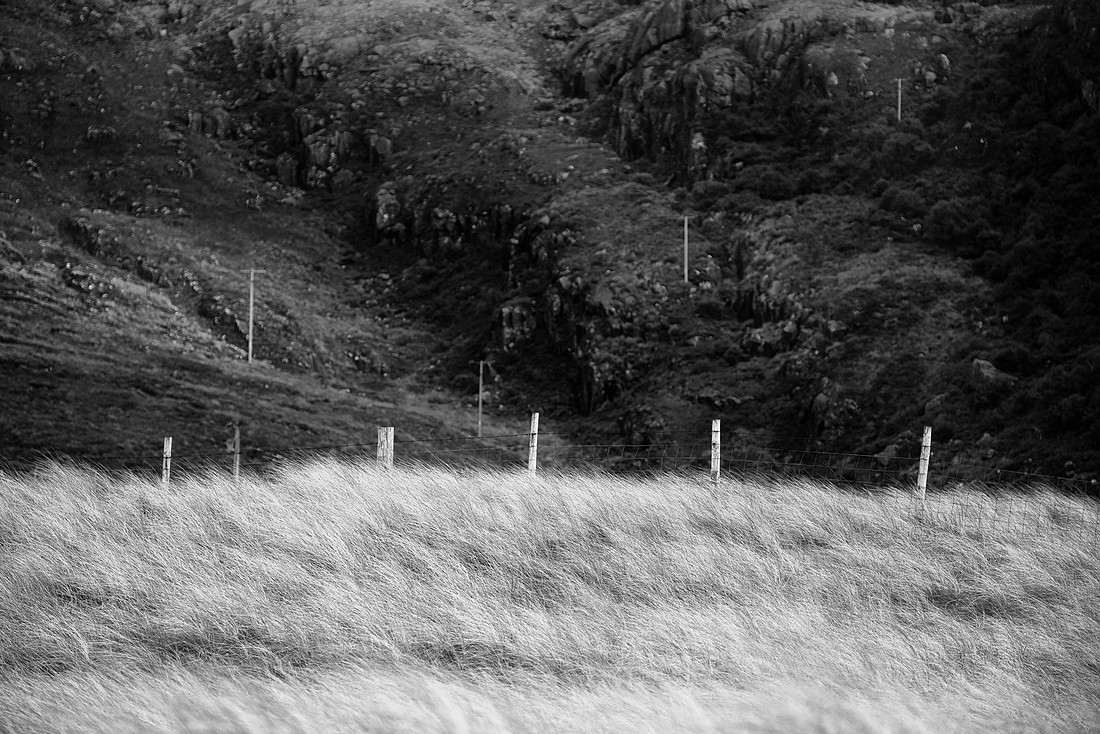
Barthes’ idea that the photograph’s punctum shifts with the viewer cautions me that my own sensitivities will change: what “pricks” me now—a weathered hinge, the line of a fence across machair—may give way, a year hence, to the way fog moves in across Ardnamurchan Point. Allowing response to direct evolution keeps the work honest.
The Value of Long‑Term Personal Projects: Spiorad Àird nam Murchan as Keystone
Long-term personal projects are laboratories for response. They generate continuity and cumulative understanding while protecting creative autonomy. Paul Strand’s Tìr a’Mhurain - months in South Uist producing a classic portrait of a Gaelic place shows how sustained attention yields images that feel lived-in rather than extracted. Fay Godwin’s Land and later Our Forbidden Land demonstrate how returning and widening scope reveal not only aesthetic richness but social and environmental stakes in the British landscape.
Spiorad Àird nam Murchan has become such a keystone for me: the sub-series on latches and croft fences, the ekphrastic essays, the ambisonic recordings…. all threads woven because the place keeps offering, and asking, more. It is in the accretion that response becomes visible as a practice: not a one-off reaction but an evolving relationship.
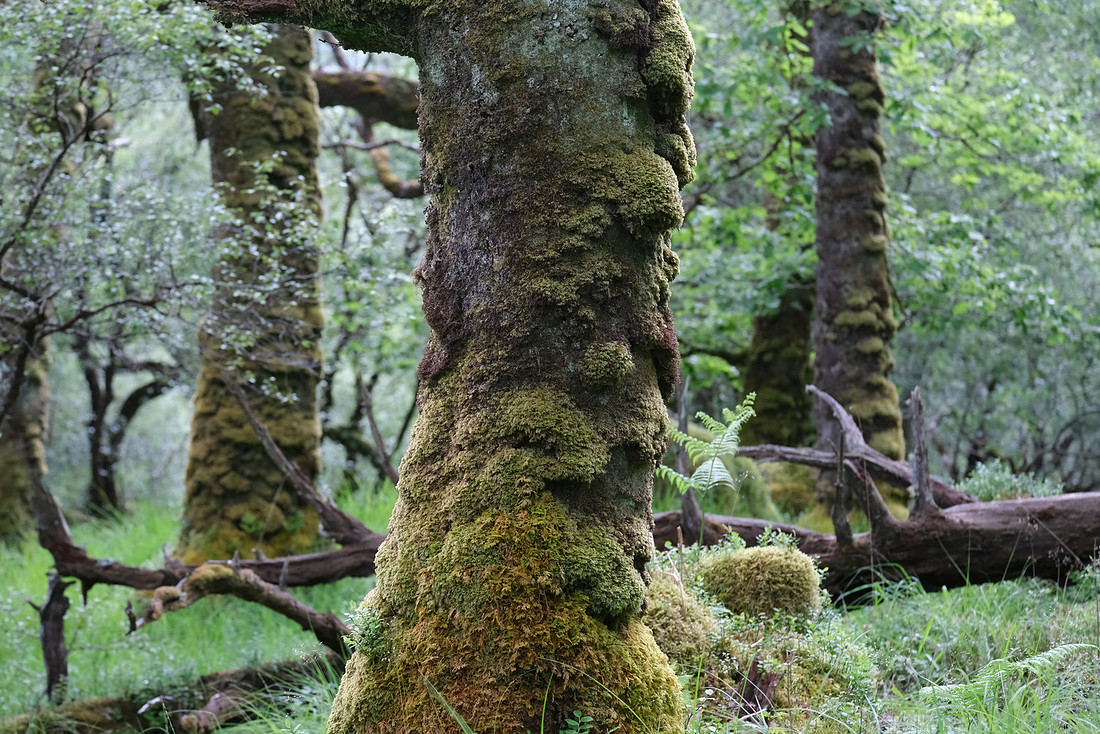
Response and Creative Culture: Others Who Responded to Place
Across photographic and arts history, many practitioners have worked as respondent interlocutors with place:
- Paul Strand, Tìr a’Mhurain (1962): a sober, respectful weaving of people and landscape in South Uist, attentive to Gaelic culture and everyday life.
- Fay Godwin, Land (1985) & Our Forbidden Land (1990): combining poetic landscape with activist concerns about access and environmental degradation…. seeing land as lived and contested.
- Neil Ansell, The Last Wilderness (2018): seasonal returns to the Rough Bounds; solitude and sensory change (hearing loss) reframing how place is known.
- Annie Worsley, Windswept (2023/2024): crofting life as deep-time response…. placing observation within glacial and elemental narratives of the Highlands.
These works exemplify response grown through time, ethics, and intimacy with a place; models and companions for my own Ardnamurchan practice.
Response and Scottish Gaelic Place‑Name Toponymy
Gaelic place-names in Ardnamurchan are conveyors of response: tactile, descriptive, often visceral, encoding landforms, histories, and use. Authoritative resources like Ainmean‑Àite na h‑Alba (AÀA) and regional glossaries confirm meanings and orthography. In West Ardnamurchan, examples include:
- Àird nam Murchan — often glossed as “headland of the [great] seas” in local narrative, though the etymology has been debated.
- Camas nan Geall / Camas nan Ceall — “Bay of pledges” / “Bay of (monastic) cells”; glossaries note both readings.
- Achnaha (Achadh na h‑àtha?) — rendered variously; one gloss suggests “Field of the kiln,” another “field of the ford,” reflecting local linguistic nuance.
- Kilchoan (Cille Chomhghain) — “Congan’s Church,” anchoring ecclesiastical history in the toponym.
- Beinn Hiant (Beinn Shiant) — often translated “Blessed Mountain,” a name whose presence shapes feeling as one rounds Loch Sunart.
- Ormsaigbeg — Norse‑Gaelic layering: “serpent bay,” with the diminutive “beg” marking a nuanced local distinction.
The very act of naming is a historical response to landscape features: faces (aodann), rough points (garbh rubha), anchorages (an acairseid). Consulting AÀA’s database and toponymic societies reveals how names preserve an embodied phenomenology of place. For a photographer, attending to names is a way of attending to the land’s meanings and to the people who speak them.

Response and Scottish Gaelic Folklore
Highland folklore often responds to landscape by explaining, warning, or sanctifying. On Loch Sunart, tales like “The Swan of Salen” (linked to Dùn Ghallain / “Fort of the Storm”) narrate love, transformation, and tragedy to account for the absence of swans…. an example of story as landscape interpretation. Nearby Lochan nan Dunaich (“Little Loch of Sadness”) bears kelpie warnings…. a cautionary response to water’s danger.
While folklore is wide and varied, curated collections (e.g., National Library of Scotland’s myths features) show how motifs; fairy flags, selkies, shapeshifting waters reflect a longstanding psychogeography: landscapes as agents of feeling and fate. Such stories remain present in Ardnamurchan’s atmosphere; for me, they shift how I see and compose…. adding narrative resonance to geographical features.
Response and Highland Literature: MEM Donaldson and Contemporary Voices
Mary Ethel Muir Donaldson (MEM Donaldson).
Donaldson (1876–1958) lived at Sanna Bheag and recorded Highland life in both words and photographs. Her book Wanderings in the Western Highlands and Islands (1920s editions) documents clan histories, ecclesiology, folklore, and everyday textures; her ethnographic eye and technical practice were devoted to response; dwelling, listening, and photographing with sensitivity. Her house at Sanna Bheag (little Sanna), with a built‑in darkroom, symbolised living from place rather than merely visiting.
Neil Ansell and Annie Worsley represent contemporary prose grounded in response. Ansell’s The Last Wilderness tracks seasonal returns and the recalibration of sensing due to hearing loss; an honest exploration of how bodily change alters place-relation. Worsley’s Windswept blends scientific training with lyrical observation and deep-time narrative, exemplifying an integrated response to land, weather, and cultural memory.
These writers, alongside photographers Strand and Godwin, sketch a lineage: creative workers who let places shape their craft, ethics, and forms.
Response, Self, and Wellbeing
There is a quiet but powerful thread: using photography (and walking and writing) as self-care…. externalising thought, cultivating presence, and supporting mental wellbeing. Psychogeographic practice invites embodied connection; recent overviews highlight dérive and mapping as tools for understanding how sensory data and movement shape experience. Csikszentmihalyi’s flow research; across domains including sports and arts, shows how absorbed, skillful activity correlates with enjoyment, meaning, and resilience.
For me, Ardnamurchan offers space to hold complexity: images and field notes become containers for feeling; slow walking becomes regulation; attentive seeing becomes gratitude. The field becomes a compassionate interlocutor. While Sontag cautions against image-saturation that numbs conscience, a mindful, paced practice…. alternating being and making helps keep the work restorative.
Conclusion: Response as Ongoing Practice — and a Call to Action
Tuan’s line: acting on the given, creating out of the given, remains the cornerstone of Spiorad Àird nam Murchan. My Ardnamurchan practice is ongoing response: to basalt and wind, to Gaelic names and local voices, to folklore, to time, to self. It will evolve with experience and layer new meanings. The peninsula asks for patience, ethics, and attentiveness; it rewards with intimacy and surprise.
A Call to Action / Challenge to the Reader
Consider your own practice. Where is your place? the landscape (or city, or community) that entrances you? How do you respond? emotionally, physiologically, psychologically? when you are there?
Maybe, this month:
- Drift / Dwell: Take a derive, urban or rural, and do not make images for an hour. Walk, listen, map feelings.
- Name / Learn: Research local place-names (Gaelic, Scots, Norse, Brittonic) and their meanings; let names reshape your seeing.
- Make / Reflect: Create one photograph or paragraph that tries to respond rather than represent. Note what you felt first; decide technical choices second.
- Return / Repeat: Go back in a different season; compare your response; let time do its work.
Let “response” become your grounding principle. Allow place to be your interlocutor and your teacher.
Bibliography
Ardnamurchan: Geography & Context
- West Highland Peninsulas (n.d.) Ardnamurchan (Gaelic: Àird nam Murchan: headland of the great seas). Available at: https://www.westhighlandpeninsulas.com/about-the-peninsulas/ardnamurchan (Accessed: 28 December 2025).
Yi‑Fu Tuan: Experiential Geography
- Tuan, Y.-F. (1975) ‘Place: An Experiential Perspective’, Geographical Review, 65(2), pp. 151–165. (JSTOR overview / reprint) Available at: https://www.csun.edu/~rdavids/301fall08/301readings/Tuan_Place_an_Experiential_perspective.pdf (Accessed: 28 December 2025).
- Tuan, Y.-F. (1977/2001) Space and Place: The Perspective of Experience. Minneapolis: University of Minnesota Press. Publisher page: https://www.upress.umn.edu/9780816638772/space-and-place/ (Accessed: 28 December 2025).
- Joe’s Prelim Notes (2016) ‘Tuan, Space and Place’. Available at: https://joesprelimnotes.wordpress.com/2016/10/22/tuan-space-and-place/ (Accessed: 28 December 2025).
Psychogeography: Definitions & Method
- Debord, G. (1955) ‘Introduction to a Critique of Urban Geography’ (summarized), Tate Glossary: Psychogeography. Available at: https://www.tate.org.uk/art/art-terms/p/psychogeography (Accessed: 28 December 2025).
- Wikipedia (n.d.) Psychogeography. Available at: https://en.wikipedia.org/wiki/Psychogeography (Accessed: 28 December 2025).
- Oxford Reference (n.d.) ‘Psychogeography’. Available at: https://www.oxfordreference.com/display/10.1093/oi/authority.20110803100352694 (Accessed: 28 December 2025).
- AMA Journal of Ethics (2025) Kriegler‑Wenk, Z.R. and Green, J.C., ‘Psychogeography as Embodied Connection to Place’, AMA J Ethics, 27(6), E402–408. Available at: https://journalofethics.ama-assn.org/article/psychogeography-embodied-connection-place/2025-06 (Accessed: 28 December 2025).
- Wood, D. (2009) ‘Lynch/Debord: About Two Psychogeographies’, Cartographic Perspectives, 45(3). PDF: https://krygier.owu.edu/krygier_html/geog_222/geog_222_lo/Lynch_Debord_Carto.45.3.003.pdf (Accessed: 28 December 2025).
Sontag & Barthes: Photographic Response
- Sontag, S. (1977) On Photography. (Quotes and summaries) SuperSummary: https://www.supersummary.com/on-photography/important-quotes/ (Accessed: 28 December 2025); Wikiquote: https://en.wikiquote.org/wiki/On_Photography (Accessed: 28 December 2025).
- Barthes, R. (1981/1993) Camera Lucida: Reflections on Photography. (Overview and PDF excerpts) Wikipedia: https://en.wikipedia.org/wiki/Camera_Lucida_%28book%29 (Accessed: 28 December 2025); Monoskop PDF: https://monoskop.org/images/c/c5/Barthes_Roland_Camera_Lucida_Reflections_on_Photography.pdf (Accessed: 28 December 2025).
Flow & Creativity (Wellbeing)
- Csikszentmihalyi, M. (1990) Flow: The Psychology of Optimal Experience. (Author overview) Wikipedia: https://en.wikipedia.org/wiki/Mihaly_Csikszentmihalyi (Accessed: 28 December 2025).
- Csikszentmihalyi, M. (2014) The Systems Model of Creativity: The Collected Works. Springer. Overview: https://link.springer.com/book/10.1007/978-94-017-9085-7 (Accessed: 28 December 2025).
- Doyle, C.L. (2017) ‘Creative Flow as a Unique Cognitive Process’, Frontiers in Psychology, 8:1348. Available at: https://www.frontiersin.org/journals/psychology/articles/10.3389/fpsyg.2017.01348/full (Accessed: 28 December 2025).
Gaelic Toponymy (Ardnamurchan)
- Ainmean‑Àite na h‑Alba (AÀA) (n.d.) Gaelic Place‑Names of Scotland: Database & Map. Available at: https://www.ainmean-aite.scot/ (Accessed: 28 December 2025).
- GeoGuide (Scottish Geology Trust) (n.d.) ‘Appendix—Glossary of Ardnamurchan place names (trans. K. MacDonald)’. Available at: https://geoguide.scottishgeologytrust.org/p/egs_ardnamurchan/egs_ard_xappendix (Accessed: 28 December 2025).
- Scottish Place‑Name Society (SPNS) (n.d.) Resources. Available at: https://spns.org.uk/ (Accessed: 28 December 2025).
Folklore (Highlands / Local)
- Steven Marshall Photography (2022) ‘Legends in the Landscape: Dùn Ghallain & Loch Sunart; Lochan nan Dunaich’. Available at: https://www.smarshall-photography.com/blog-frames-of-mind/legends-in-the-landscape (Accessed: 28 December 2025).
- National Library of Scotland (n.d.) ‘Myths and Legends from the Scottish Highlands’ (Google Arts & Culture). Available at: https://artsandculture.google.com/story/myths-and-legends-from-the-scottish-highlands-national-library-of-scotland/2QUhbWNBoR7zew?hl=en (Accessed: 28 December 2025).
Highland Literature & Photography
- Donaldson, M.E.M. (1923) Wanderings in the Western Highlands and Islands. Paisley: Alexander Gardner. Internet Archive: https://archive.org/details/wanderingsinwestdona (Accessed: 28 December 2025).
- Wikipedia (n.d.) ‘Mary Ethel Muir Donaldson’. Available at: https://en.wikipedia.org/wiki/Mary_Ethel_Muir_Donaldson (Accessed: 28 December 2025).
- Strand, P. (1962/2002/2005) Tìr a’Mhurain: Outer Hebrides. MacGibbon & Kee; Aperture editions. Publisher pages: https://aperture.org/books/tir-a-mhurain-the-outer-hebrides-of-scotland/; Amazon: https://www.amazon.com/Tir-aMhurain-Hebrides-Basil-Davidson/dp/089381993X (Accessed: 28 December 2025).
- Godwin, F. (1985) Land; (1990) Our Forbidden Land. Artist overviews: National Galleries of Scotland: https://www.nationalgalleries.org/art-and-artists/artists/fay-godwin; Women’s Art Collection: https://www.murrayedwards.cam.ac.uk/womens-art-collection/artist/fay-godwin (Accessed: 28 December 2025).
- Ansell, N. (2018/2022) The Last Wilderness: A Journey into Silence. Publisher & reviews: Google Books: https://books.google.com/books/about/The_Last_Wilderness.html?id=fQQ_EAAAQBAJ; Books from Scotland: https://booksfromscotland.com/book/the-last-wilderness-a-journey-into-silence/ (Accessed: 28 December 2025).
- Worsley, A. (2023/2024) Windswept: Life, Nature and Deep Time in the Scottish Highlands. Author site & reviews: https://www.annieworsley.co.uk/windswept; TGO Magazine review: https://www.thegreatoutdoorsmag.com/outdoor-book-reviews/book-review-windswept-life-nature-and-deep-time-in-the-scottish-highlands-by-annie-worsley/ (Accessed: 28 December 2025)
A wee nod also to researcher, writer and walking tour leader, Rachael Unsworth whom a conversation with online sparked discussion of Yi-Fu Tuan and response to place, which helped add to my thoughts and reflections for this essay.