
Spiorad Àird nam Murchan Pt 23 - Reflect Smaoineachadh

Spiorad Àird nam Murchan – Part 23: Reflection (Smaoineachadh)
Return – Response – Reflect – Return … a living creative cycle

Listen to this essay:
1) Introduction - from “Return” and “Response” to “Reflection”
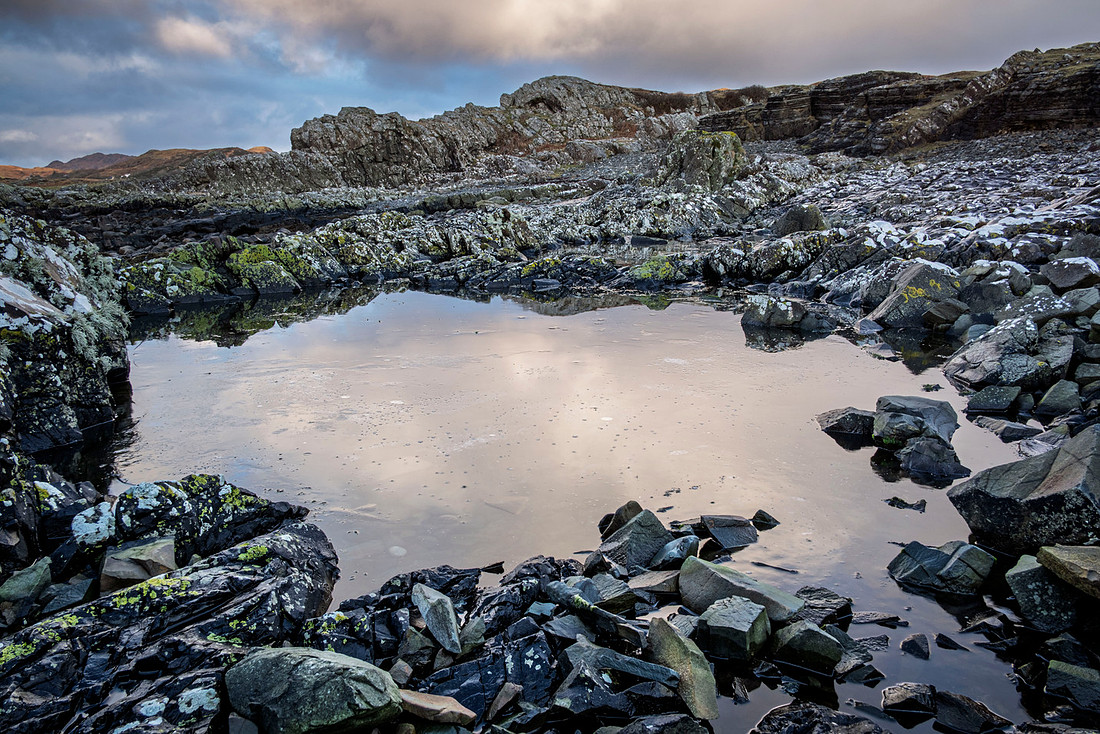
In Parts 21 (Return) and 22 (Response) of Spiorad Àird nam Murchan, I explored how going back, physically and imaginatively, to places that hold meaning sparks a renewed answering in images and words. “Return” was about the act of going back; “Response” examined the ways the land, sea and community draw an answer from us. This new chapter; Reflection (Smaoineachadh)—completes and recommences that cycle. Reflection is the quiet hinge between returning and responding: the deliberate pause in which we look at what has been made and lived, understand it more deeply, and allow that understanding to feed forward into new questions, directions and forms.
While many rightly use the year’s turning as a vantage point for reflection, I’ve come to see it as continual and iterative: a practice embedded in the daily and seasonal rhythms of working on long-form projects. In Spiorad Àird nam Murchan, the western edge of the peninsula has taught me to slow down, to breathe, to let the work ripen, and to trust that the cycle is not linear but circular: return → respond → reflect → return. That circularity is geological and cultural here; it is inscribed in ring-dykes and sea-loops, in crofting seasons and community memory. It is, too, a creative method. (For the geological backdrop to this “ring,” see the Ardnamurchan ring complex / Great Eucrite discussions: Geological Society; JNCC site account.)
2) What do we mean by “Reflection”? A working definition for photographers & writers
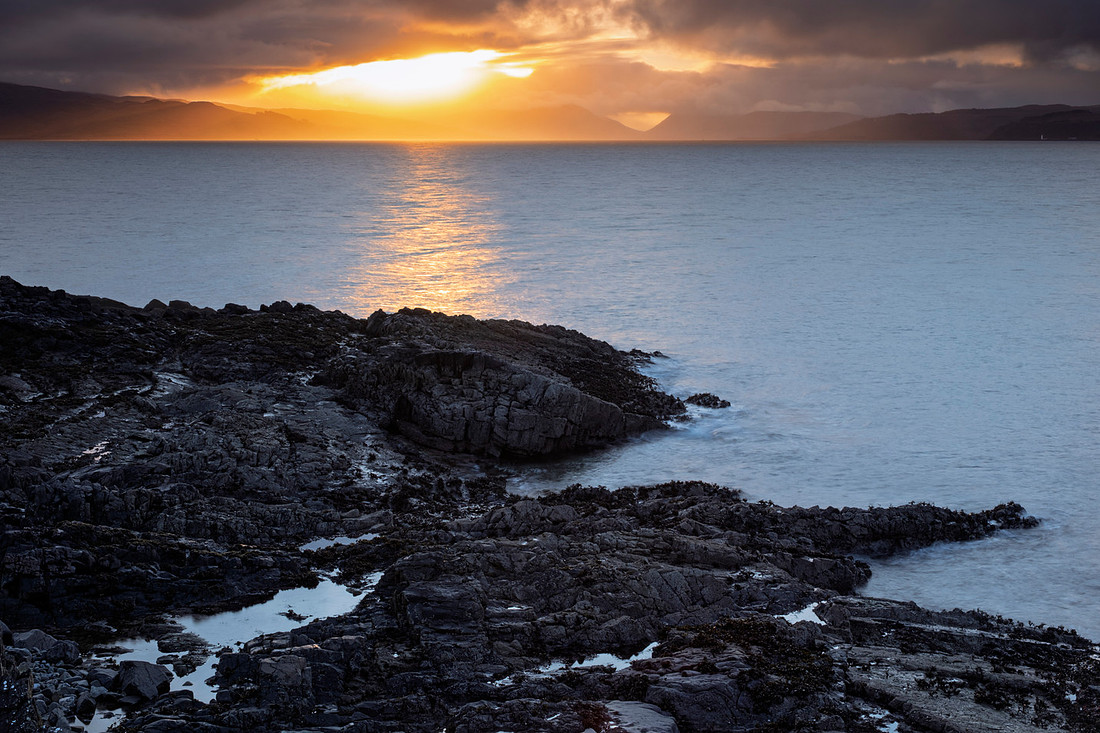
By reflection I mean an intentional pause to look back at work made (and the circumstances of making), to synthesise patterns and tensions, and to discern what to carry forward. It is more than editing; it is a form of situated thinking that integrates process notes, contact sheets, field recordings, sequences, reader/viewer feedback, and lived experience in the place itself.
From a linguistic angle, smaoineachadh (Scottish Gaelic) captures “thinking, reflecting, considering.” The verb smaoinich (“think/reflect”) derives from Old Irish smúainid, and its verbal noun smaoineachadh names the practice I’m describing: inquiring attentively, then proceeding (or pausing) with care.
Reflection is integral to any creative life because it:
- Reveals themes that recur beneath stylistic shifts.
- Prevents drift by clarifying intention and audience.
- Deepens craft by linking choices (lens, exposure, sequencing, syntax) to meaning.
- Protects attention in an economy that rewards velocity, not depth.
3) Why Ardnamurchan fosters reflection: place, geology, community
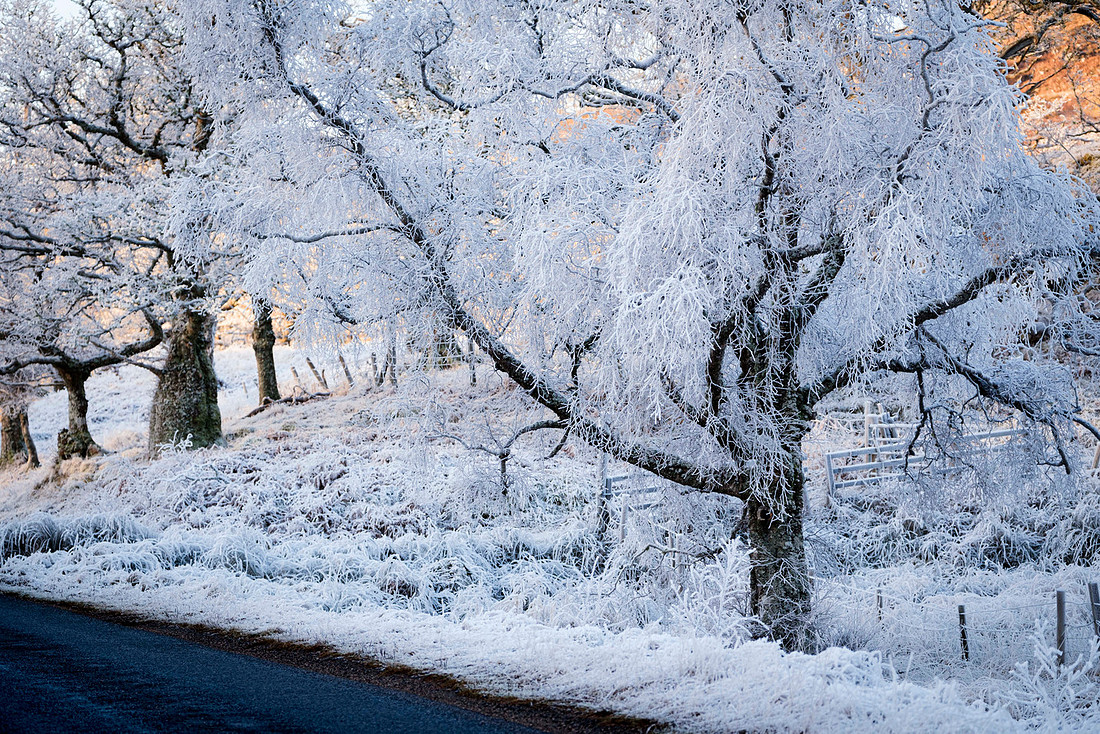
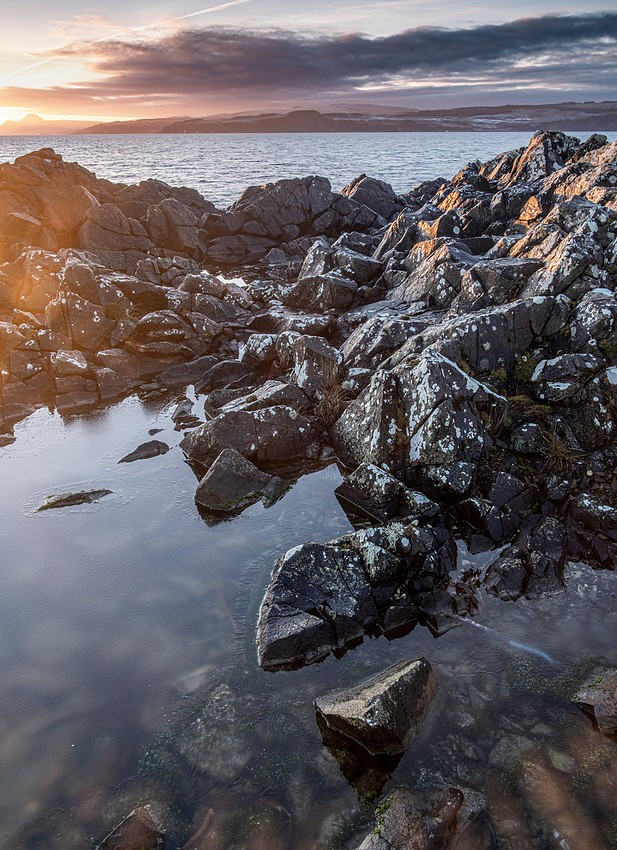
My practice is rooted in the far west of Ardnamurchan; Sanna sands, Achosnich, Portuairk, the road past Kilchoan and out to the Lighthouse. The land’s volcanic architecture…. the famous Paleocene complex and the debated “ring-dyke”/lopolith form of the Great Eucrite is literally circular, reading like a natural amphitheatre around Glendrian and Achnaha. Standing there, you inhabit a ring of time. That morphology has influenced more than a few of my editorial choices: sequences that orbit, motifs that recur, pauses that feel tectonic rather than incidental.
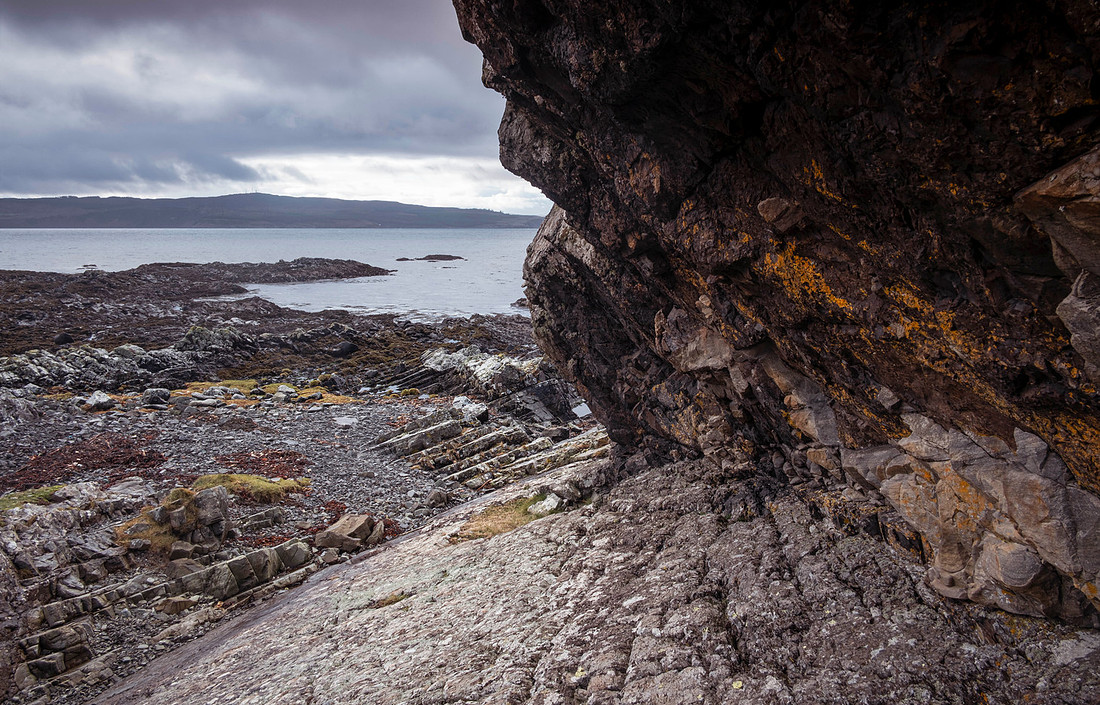
For a succinct geologist’s walk-through, Lochaber Geopark and BGS/Earthwise guides situate the viewer within Centre 3’s concentric intrusions; the JNCC’s site account describes how the topography “accurately reflects” the intrusive arcs…. topography as trace of interior processes. Reflection, in that sense, is the reading of traces…. a practice that place itself models.
Culturally, Ardnamurchan holds an exceptionally long, layered human story; from Mesolithic shorelines and Neolithic cairns to Viking landfalls, the MacIains’ lordship, crofting, and the clearances. Resources like Heritage Ardnamurchan and the Ardnamurchan Transitions Project document that continuum and its sites (Greadal Fhinn, Swordle, Bourblaige). The archive of lived continuity and rupture encourages a slower relationship to time and therefore a reflective stance: you sense yourself as the latest custodian in a chain. For a living voice within that chain, Alasdair Maclean’s Night Falls on Ardnamurchan remains a touchstone…. intimate, attentive to crofting temporalities, and honest about return as both solace and struggle.
In short: the geology gives you circles; the history gives you cycles; the community gives you cadence. That triad makes reflection feel not like a luxury but like the only appropriate tempo.
4) Reflection, self-understanding, and sense of place
Reflection tunes the work to the self and the self to the place. In practice:
- Mapping motifs: Over nearly a decade I’ve logged recurring motifs; weathered latchwork, croft fences, salt-stained gneiss, fresh kelp lines, thin rain over the Sound. Seeing them plotted across years reveals a personal lexicon.
- Noticing absences: Reflection surfaces what I’ve not been making. Aerials? Portraits? Certain seasons? This helps resist the comfort of a single register and invites collaboration or new tools….. it invites me to feed forward to new avenues for the work in years to come.
- Aligning ethics and method: Reviewing how I work with people, with access, and with the land clarifies boundaries (when not to photograph, when to record, when to simply listen). Here, local histories and interpretive work by community groups are a continual reminder to move responsibly.
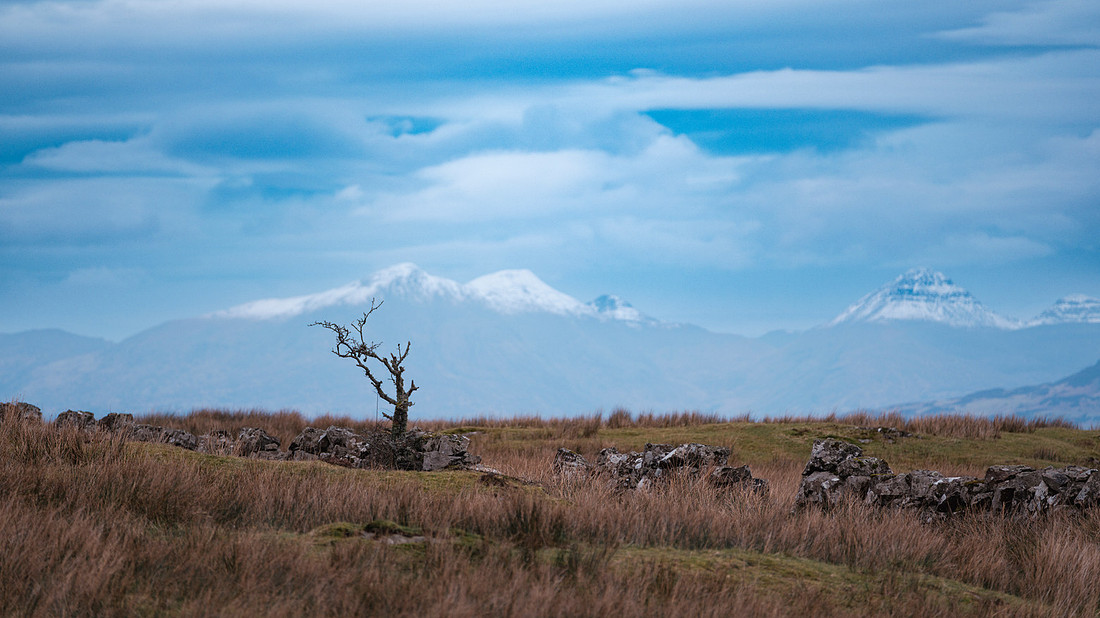
The upshot is a more embodied sense of place…. not as backdrop, but as dialogic partner. Reflection is where that relationship is re-negotiated.
5) Reflection in the creative literature: Robinson, Kleon, Godin
Plenty of thoughtful voices emphasise reflection as process, not postscript:
- Sir Ken Robinson insists creativity is cultivated by environments and habits that enable people to see differently. His oft-cited maxims: “Creativity is the process of having original ideas that have value,” and “The real role of leadership is climate control” are arguments for building reflective conditions, not waiting for lightning.
- Austin Kleon’s Show Your Work! reframes reflection as daily documentation: think process, not just product; share small bits often; build “scenius” (creative community) through honest ongoing notes. That practice externalises reflection and compounds it over time.
- Seth Godin’s The Practice is a manifesto for showing up regularly, decoupling from outcomes, and shipping work generously. Reflection here is the feedback loop that stabilises a practice and refines what we make next.
Taken together, they advocate iterative reflection; small, frequent passes that keep direction true and craft evolving.
6) Reflection and long-form work: Spiorad Àird nam Murchan and Dark Visions
Sustaining a long-form body of work hinges on reflection. In Spiorad Àird nam Murchan, reflection has:
- Shaped sub-series (e.g., The Latches of Ardnamurchan; Croft Fences), carving out cohesive strands from a larger mesh of field days and texts…. an approach echoed in my blog’s project notes and essays across the years as well as the work I create.
- Informed cross-media decisions: When to couple an image sequence with field audio; when a text demands the quiet of print rather than a short-form post; when a static image wants an ambisonic partner (these choices benefit from looking back at viewer responses and my own notes).
Looking back to my earlier project “Dark Visions, I can see how reflective writing around each photograph, its making, its near-misses, its ethical questions….. expanded the project beyond aesthetic atmosphere into a pedagogy of process. Writing those pieces clarified themes and technical trajectories that I carry into Ardnamurchan work now (www.rkphotographic.com | Dark Visions Exhibition Introduction).
- Part 1: https://www.rkphotographic.com/dark-visions-behind-the-images-pt1
- Part 2: https://www.rkphotographic.com/dark-visions-behind-the-images-pt2
Reflection keeps long-form work honest. It asks: What belongs? What repeats without adding? What must be left for another time…. or another artist?
7) Precedents: reflection in the history (and present) of photography
A canonical case for conceptual reflection is Alfred Stieglitz’s Equivalents (1920s–30s), the first sustained series to sever the photograph’s meaning from literal subject and to use the sky and clouds as emotional/metaphysical stand-ins. Stieglitz described them as “my philosophy of life”; photographs that are equivalent to inner states, not descriptions of cloud-shapes. The Art Institute of Chicago’s archive and The Met’s notes provide accessible context, and a technical history explains how orthochromatic emulsions once made skies difficult to render, increasing the deliberateness of his results.
Stieglitz’s habit of re-sequencing sets over time is itself a reflective practice; returning to earlier material to discover new alignments as his thinking shifted. Contemporary scholarship has even reframed the Equivalents against the era’s meteorology and aviation cultures, reminding us that reflection also sits in dialogue with science and technology.
Beyond Stieglitz, reflection operates as subject and method in many practices:
- Saul Leiter’s windowed, rain-streaked New Yorks fold inner/outer worlds; reflection here is optic and emotional.
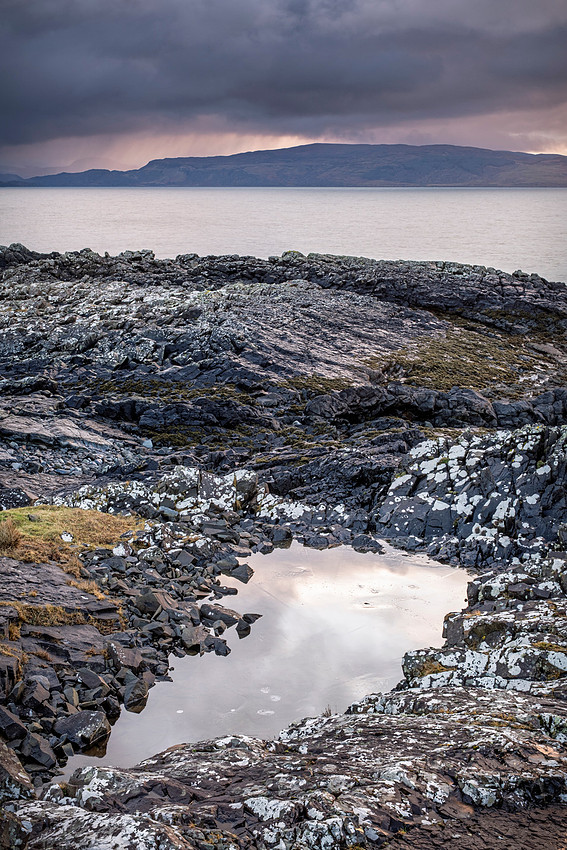
- Contemporary examples from The Phoblographer highlight how artists use reflective surfaces to layer narratives (Emre Çakmak’s streetscapes; Andreas Theologitis’s moody portraits), turning urban glass and puddles into thinking devices. Embodying reflection physically in the picture making process.
- Teaching resources (Digital Photography School) show how reflections orchestrate depth and pattern, encouraging compositional reflection-in-practice.
Reflection, then, is baked into both how photographs are made and what they can mean. Reflection is often a visual representation but importantly is as we discuss a practice to ground and feed into our work.
8) Reflection during “fallow” seasons
All long projects encounter lulls. Reflection converts those stretches from anxiety to incubation:
- Audit the archive: Revisit contact sheets, RAW folders, notebooks. Tag emergent motifs. Start “ghost sequences” you might complete later.
- Context reading: Time in geology, archaeology, crofting history, Gaelic sources rewires how you see when you return (e.g., reading the Geological Society’s summary of the ring complex or the University of Leicester’s Transitions Project papers often leads me to stand differently among those gabbro ridges). Returning with new knowledge or context allows me to challenge myself and think and respond with added layers of imbued meaning.
- Confidence through continuity: Seeing the arc reminds you you’re already building something substantial…. momentum you might miss if you only measure by this week’s frames.
Seth Godin’s reminder that “the magic of the creative process is that there is no magic” frees these seasons from superstition; practice and thoughtful review are what carry you forward.
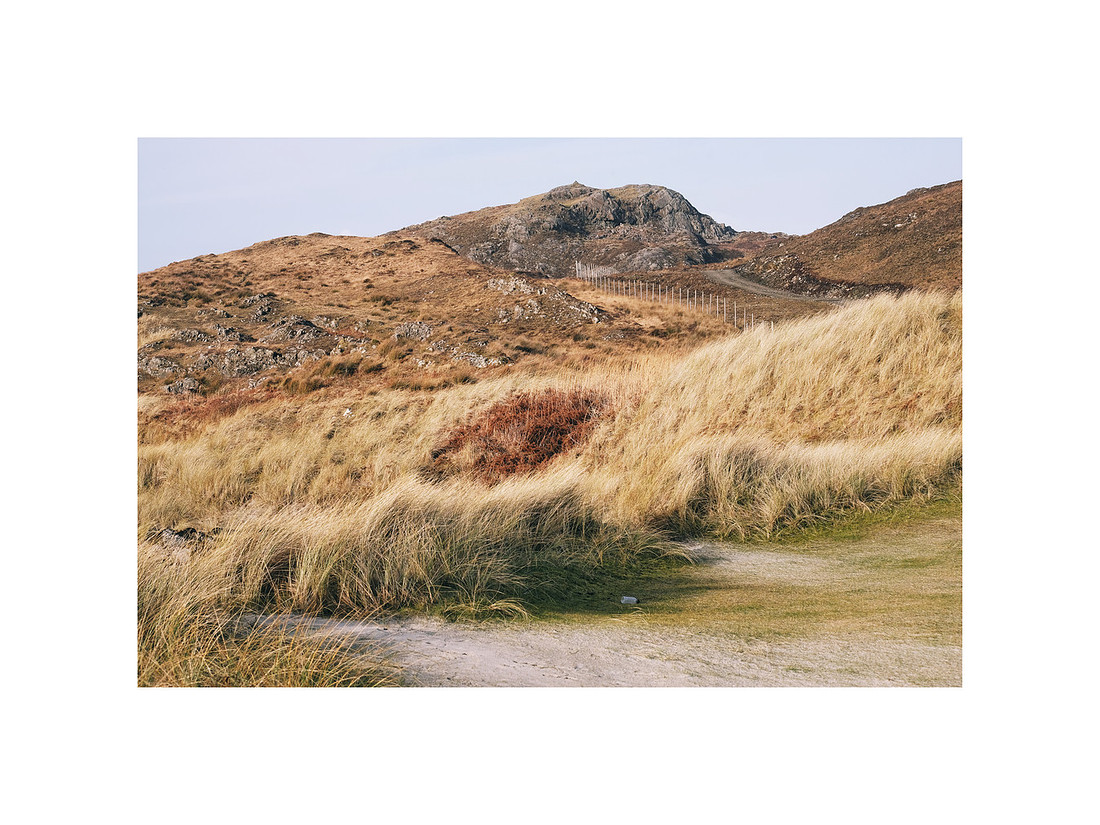
9) Practical reflective strategies for photographers & other creatives
a) Journaling / field books
Keep a single, dated notebook for field days: weather, tide, lens choices, conversations, metaphors that surfaced. Short entries suffice; the aim is continuity. (Echoing Kleon: share small, share often…. privately first, publicly as appropriate.
b) Contact-sheet reviews
Print small thumbnails; mark instinctive “Yes/No/Maybe.” At sequence level, ask: What is this set about? Where does the eye rest? What repeats or jars?
c) Scrapbooks / digital pinboards
Pair own work with influences: croft fence beside a Stieglitz sky; latch beside archival crofting image; a line of Gaelic beside a geological diagram. Reflection thrives on adjacency.
d) Slow sequencing
Lay 30–40 6×4 prints on a table. Build three different sequences: (1) by time; (2) by motif; (3) by mood. Note what changes.
e) “Return lists”
After each review, capture 3–5 concrete “returns”: specific place + light + tide + season. This turns reflection into itinerary.
f) Community “scenius”
Trade works-in-progress with a small, trusted circle. Offer questions not prescriptions, and cite at least one strength and one opening. (Kleon’s scenius model is useful here.)
g) Ethical checkpoints
Keep a recurring checklist on consent, access, land care, and representation. Reflection isn’t only aesthetic; it’s relational and ethical.
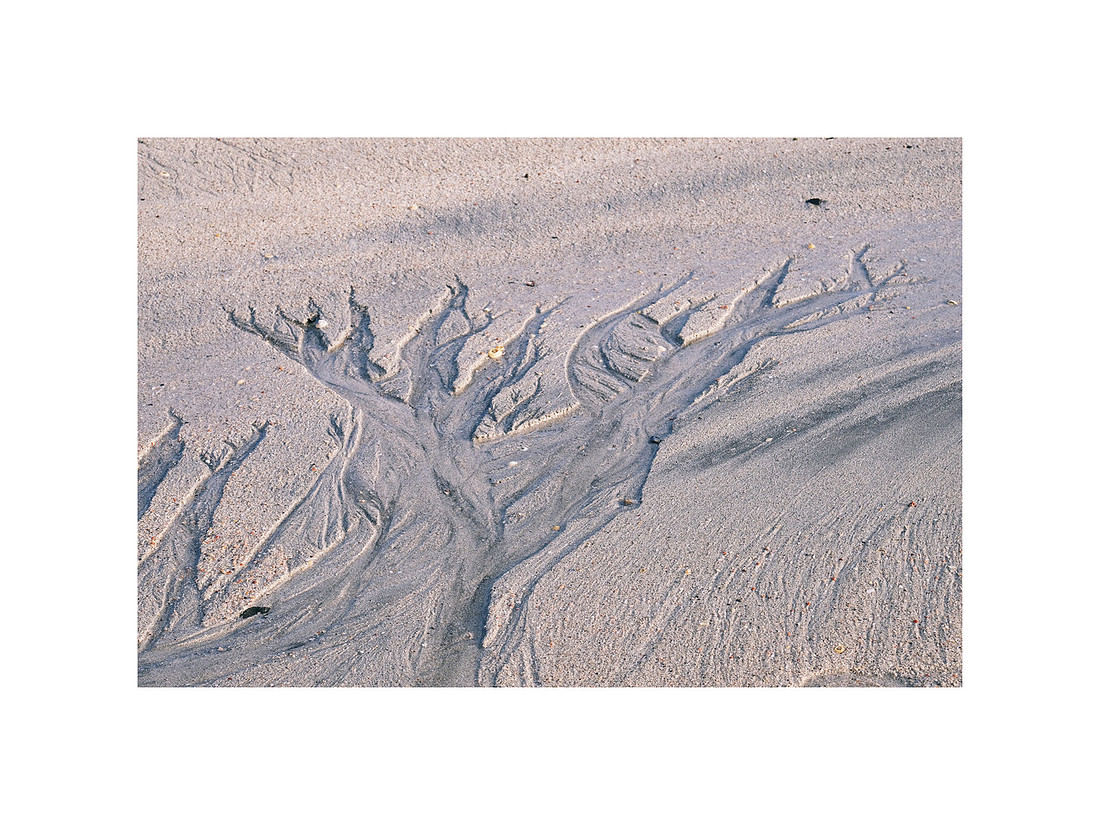
10) Gaelic toponymy & hydronymy—terms that echo thinking and reflection
Toponymy in the Gàidhealtachd skews strongly toward landform, water, colour, use and ecology. Elements explicitly meaning “to think/reflect” are rare in formal names; nonetheless, there are productive ways to connect Gaelic naming with reflection:
- Toponymic practice as reflective culture: W. F. H. Nicolaisen’s classic work on Scottish hydronymy emphasises how naming interprets landscape features…. semantics as lived reflection on place. In Gaelic areas, generic elements like gleann (valley), srath (broad valley), inbhir (river mouth) or hydronyms encode close observation over time.
- Research frameworks: The Scottish Toponymy in Transition (STIT) project and Ainmean-Àite na h-Alba provide rigorous methodologies and publications for parsing meanings and historical layers in names—vital when we’re tempted by folk etymology.
Within Lochaber/Ardnamurchan, the broader Gaelic lexicon around calm water / mirror-like surfaces can be suggestive in reading the land photographically:
- Names containing “Lochán” / “Loch” paired with qualifiers like dubh (dark), fada (long), ìosal (low) often point to waters whose surface character is locally notable; sources listed below offer methods, maps and glossaries rather than a single “reflection” morpheme.
- The Earthwise guide includes a glossary of Ardnamurchan place names that, while primarily geological, helps align Gaelic forms with on-the-ground features, a practical aid when building image-text pairings responsibly to accompany ones work.
Caveat & commitment: Where a direct semantic link to “thinking/reflecting” is not attested, I avoid forced etymologies. Instead, I use authoritative references (AÀA/STIT; Nicolaisen) and local signage/archives, cross-checked in LearnGaelic for lexical sense, to ensure interpretive captions remain accurate.
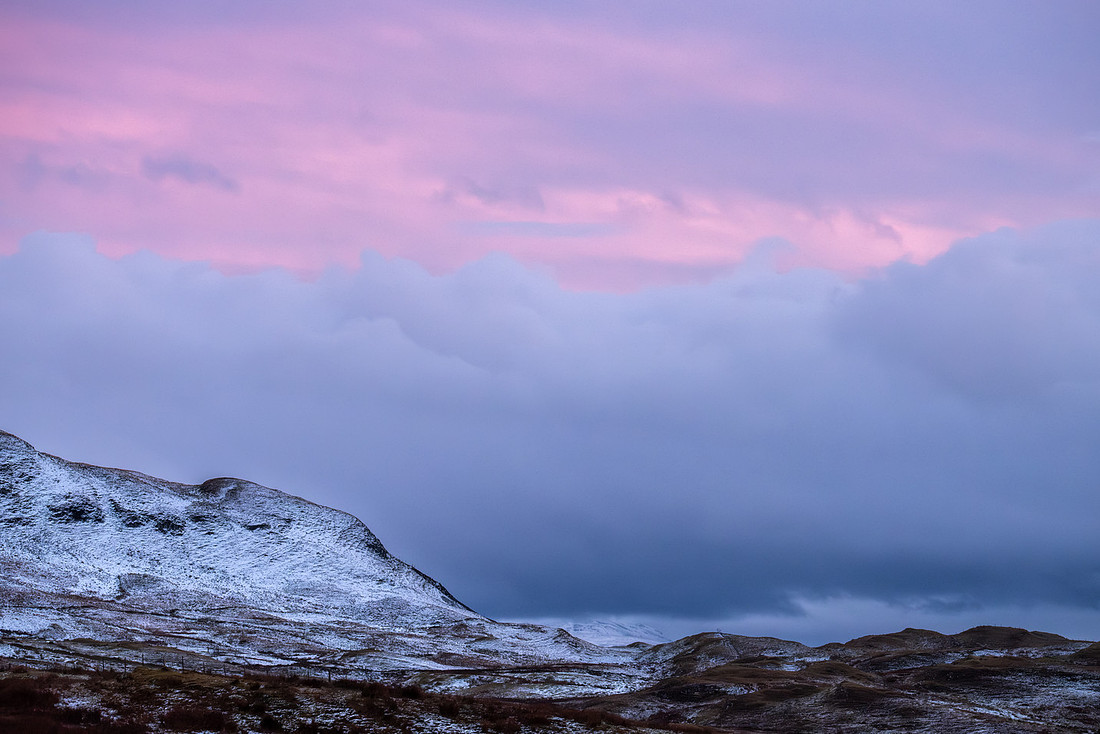
11) Reflection in Gaelic lore & literature: contextual touchpoints
Rather than over-claiming specific “reflection” place-name elements, I look to Gaelic cultural practice; seanchas (oral tradition), proverbial wisdom, and narrative patience, as engines of reflective life. Scholarly overviews remind us that Insular Celtic traditions preserved by oral practice and later manuscript culture foregrounded deep time, seasonal cycles and the Otherworld…. structures that encourage reflective, non-linear storytelling.
Studies of folklore’s collection history (even if Ireland-focused) sharpen our awareness of the move from oral to written, and how reflection changes when stories are fixed on the page; that lens is useful when I decide what belongs in blog posts versus live readings as part of an exhibition or recorded soundwalks.
For local resonances, Maclean’s Night Falls on Ardnamurchan again stands out: it braids crofting journals with memoir; a reflective intergenerational dialogue grounded in this peninsula’s weather and work, not abstract theorising.
Sources and caution: I draw on general Celtic-Studies overviews to frame motifs, but remain careful not to flatten distinct Irish/Scottish contexts. Where Scottish Gaelic sources are thin in a given motif, I mark that explicitly and prioritise local testimony and archives over sweeping claims.
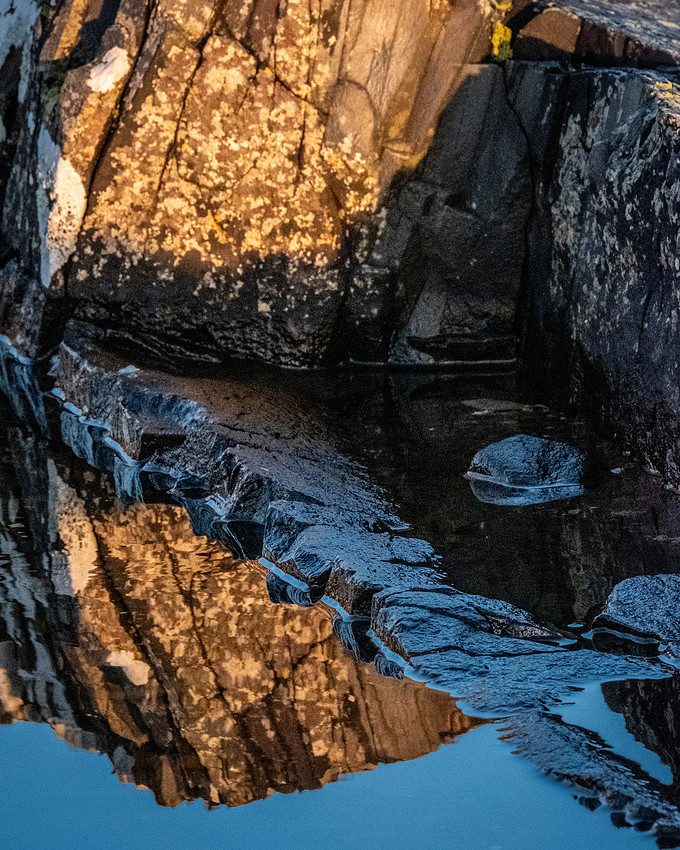
12) What reflection has done for my work—personally
Reflecting across nine-ish years in Ardnamurchan has:
- Lengthened my attention: I now plan in seasons, not days; in cycles (storm-rows, kelp-bloom, lambing, heather), not single sunsets.
- Changed my kit: Reflection persuaded me to add longer focal lengths for compressed hill-lines; to carry audio more often than filters; and to print small proof sets after each visit for tactile review.
- Sharpened my language: Bilingual titling (Smaoineachadh, An Talamh, An t-Sàmhchair) isn’t decorative; it’s a way to think with the place’s first language…. always cross-checked with reliable dictionaries and local usage to keep my phrasing honest.
- Right-sized ambition: Reflection reminds me I’m collaborating with a peninsula that outlasts me. The work’s job is not to “cover” Ardnamurchan, but to listen closely and contribute one coherent strand. It is, geologically, a place long before I walk here, time is both deep and dynamic, instant and long.
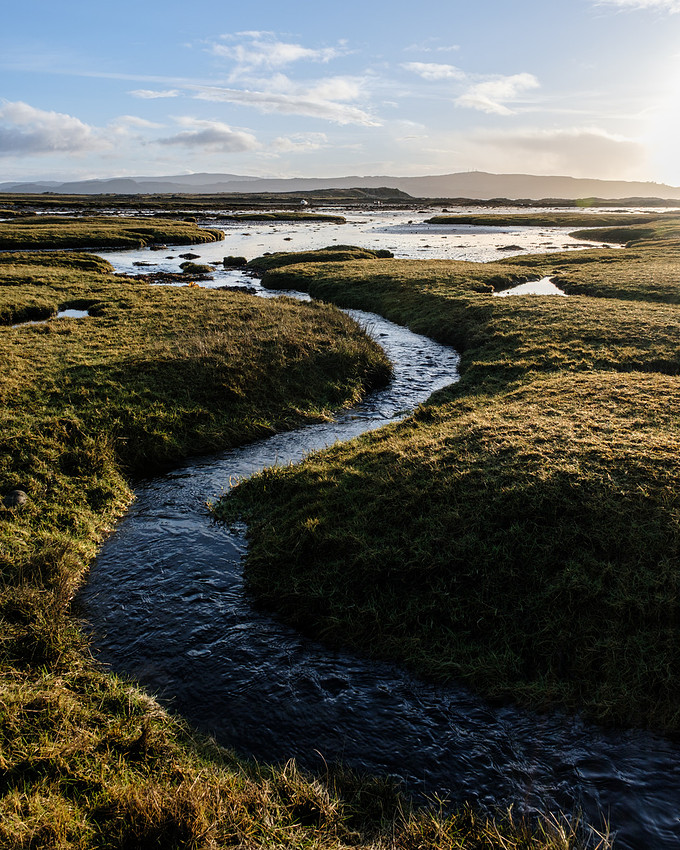
13) Re-sighting the framework: Return – Respond – Reflect
- Return keeps the relational contract alive: you show up, again.
- Respond is the lived, crafted answer: frame, sentence, sequence.
- Reflect is where you gather, sort, weigh and understand—so the next return is truer, leaner, more alive.
The geology offers a metaphor: intrusive rings that appear, are reinterpreted, and are returned to by each generation’s geologists. Even the Great Eucrite has been re-read from classic ring-dyke to a lopolithic, funnel-shaped body, an instructive example of scientific reflection revising earlier certainties. Our creative frameworks should be no less revisable.
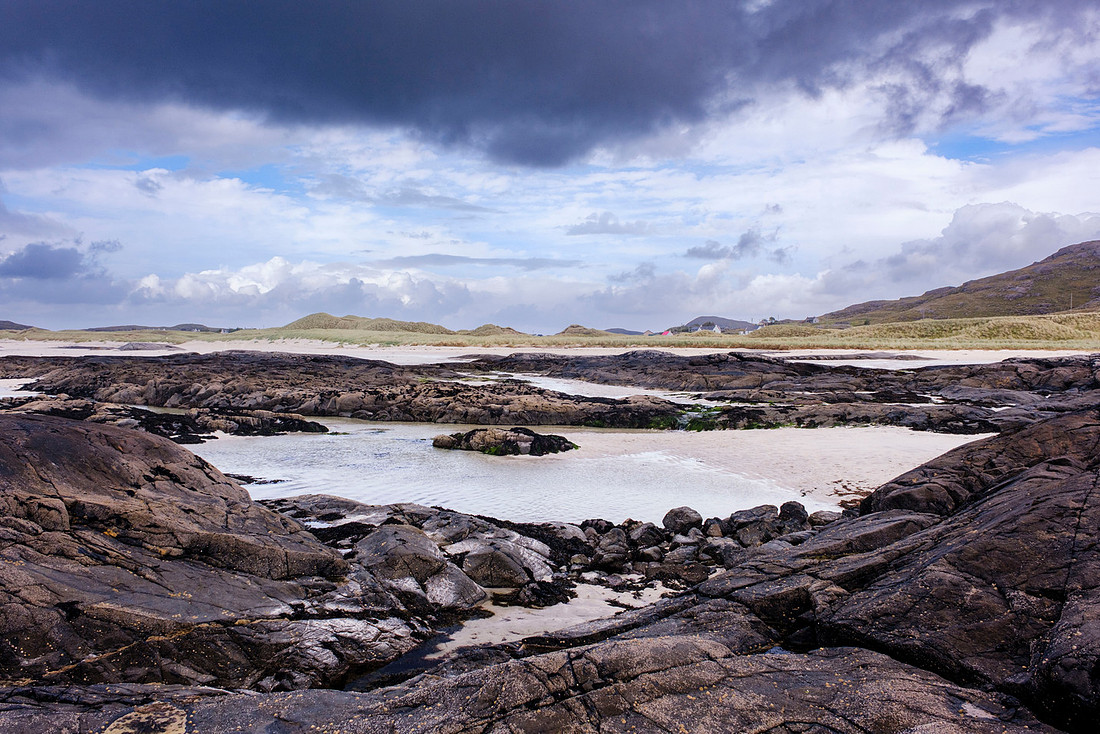
14) An invitation (Gairm): how does reflection help you?
I’d like to hear from other photographers, writers, painters, crofters, and walkers:
- Where, and how, do you pause?
- What have your returns taught you to do differently?
- If reflection doesn’t work for you, why? What alternatives help you grow?
Consider experimenting this month with one reflective practice: a simple field journal; a weekly pinboard; a small table of 30 work prints you keep shuffling; or a three-person scenius who meet for one hour on Zoom to ask each other “What is this really about?” (Kleon).
If you prefer momentum to pausing, try Godin’s counsel: show up, ship something small, learn from it, then show up again…. reflection as the smallest meaningful loop.
I’ll continue to fold these reflections back into Spiorad Àird nam Murchan; to return, respond, and reflect within Ardnamurchan’s ring of stone, sea and story.
Acknowledgements & further reading (selected)
Geology & landscape
- Geological Society of London. “Ardnamurchan Ring Complex (100 Great Geosites).” Geological Society (n.d.). Available at: https://www.geolsoc.org.uk/science-and-policy/100-great-geosites/landscape/ardnamurchan-ring-complex/
- Joint Nature Conservation Committee (JNCC). GCR Site Account 15: Centre 3, Ardnamurchan (PDF). (n.d.). Available at: https://jncc.gov.uk/jncc-assets/GCR/gcr-site-account-15.pdf
- Earthwise (BGS). “Ardnamurchan – a guide to geological excursions.” British Geological Survey / Edinburgh Geological Society (1996 reprint). Available at: https://earthwise.bgs.ac.uk/index.php/Ardnamurchan_%E2%80%93_a_guide_to_geological_excursions
- O’Driscoll, B., Troll, V. R., Reavy, R. J., & Turner, P. (2006). “The Great Eucrite intrusion of Ardnamurchan, Scotland: Reevaluating the ring-dike concept.” Geology, 34, 189–193. PDF at https://vrtroll.com/onewebmedia/The%20Great%20Eucrite%20intrusion%202006.pdf
- Wild Ardnamurchan. “Ardnamurchan Rocks | The Ardnamurchan Volcanoes.” (n.d.). https://www.wildardnamurchan.com/ardnamurchan-rocks/the-ardnamurchan-volcanoes
History, culture, community
- Heritage Ardnamurchan. “History.” (n.d.). https://heritageardnamurchan.co.uk/history
- University of Leicester. “Ardnamurchan Transitions Project.” (n.d.). https://le.ac.uk/archaeology/research/people-and-places/ardnamurchan-transitions
- Maclean, A. (1984; 2022 reprint). Night Falls on Ardnamurchan: The Twilight of a Crofting Family. Origin, 2022 (Google Books entry). https://books.google.com/books/about/Night_Falls_on_Ardnamurchan.html?id=oC24EAAAQBAJ
Gaelic language, toponymy, hydronymy
- LearnGaelic. Online dictionary and reference (A1–C2). https://learngaelic.scot/dictionary/; Reference gate: https://www.learngaelic.net/reference/
- “smaoinich.” Wiktionary. (n.d.). https://en.wiktionary.org/wiki/smaoinich
- Nicolaisen, W. F. H. “The Semantic Structure of Scottish Hydronymy.” Scottish Studies (PDF reprint). University of Edinburgh Open Journals. https://open.journals.ed.ac.uk/ScottishStudies/article/download/182/208/237
- Ainmean-Àite na h-Alba (AÀA). Research & publications index. https://www.ainmean-aite.scot/academic-papers/
- University of Glasgow. “Scottish Toponymy in Transition (STIT).” (n.d.). https://www.gla.ac.uk/schools/humanities/research/celticgaelicresearch/researchprojects/stit/
Folklore & broader Celtic context (contextual)
- “Celtic mythology.” Wikipedia (overview; for orientation, not primary). https://en.wikipedia.org/wiki/Celtic_mythology
- Markey, A. “The Discovery of Irish Folklore.” New Hibernia Review 10:4 (2006) JSTOR stable link. https://www.jstor.org/stable/20558106
Creative practice & reflection
- Sir Ken Robinson, selected quotations and sources:
- AZQuotes curated page (with primary references). https://www.azquotes.com/author/22116-Ken_Robinson
- BrainyQuote curated page. https://www.brainyquote.com/authors/ken-robinson-quotes
- Austin Kleon, Show Your Work! (secondary summaries):
- ThriveOps Labs summary. https://www.thriveopslabs.com/knowledge/show-your-work-austin-kleon
- LinkedIn summary piece. https://www.linkedin.com/pulse/show-your-work-10-ways-share-creativity-get-discovered-anant-goel-zlgtc
- Seth Godin, The Practice (primary portal and interviews):
- Seth’s blog resource page. https://seths.blog/thepractice/
- Brustein, D. “Why Having a Consistent Practice Is the Birthplace of Creativity.” https://www.darrah.co/blog/birthplace-of-creativity
Photography precedents—reflection as subject and method
- Stieglitz – Equivalents:
- Art Institute of Chicago archive introduction. https://archive.artic.edu/stieglitz/equivalents/
- The Metropolitan Museum of Art object record. https://www.metmuseum.org/art/collection/search/267451
- “Equivalents.” Wikipedia (technical and historical overview with sources). https://en.wikipedia.org/wiki/Equivalents
- LiquiSearch set overview (derivative of “Key Set” cataloging). https://www.liquisearch.com/equivalents/series_and_sets
- Russo, C. Alfred Stieglitz’s Equivalents: Landscape in the Aviation Age (American University thesis). https://aura.american.edu/articles/thesis/ALFRED_STIEGLITZ_S_EQUIVALENTS_LANDSCAPE_IN_THE_AVIATION_AGE/23856519
- Teaching & inspiration on reflections:
- Digital Photography School. “10 Ways to Use … Reflections.” https://digital-photography-school.com/ways-to-use-reflections-in-photography/
- The Phoblographer. “6 Photographers Get Creative with Reflections …” https://www.thephoblographer.com/2021/09/10/6-photographers-get-creative-with-reflections-for-mind-blowing-results/
- LIoP. “Photographers using reflection and portraits.” https://liop.co.uk/content-hub/photographers-using-reflection-and-portraits/
Bibliography
Ainmean-Àite na h-Alba (AÀA) (2019–2024) Academic Papers [online]. Available at: https://www.ainmean-aite.scot/academic-papers/ (Accessed 3 January 2026).
Art Institute of Chicago (n.d.) The Alfred Stieglitz Collection: Equivalents [online]. Available at: https://archive.artic.edu/stieglitz/equivalents/ (Accessed 3 January 2026).
BGS / Earthwise (1996 reprint) Ardnamurchan – a guide to geological excursions [online]. Edinburgh Geological Society. Available at: https://earthwise.bgs.ac.uk/index.php/Ardnamurchan_%E2%80%93_a_guide_to_geological_excursions (Accessed 1 January 2026).
Brustein, D. (2020) ‘Seth Godin On Why Having A Consistent Practice Is The Birthplace Of Creativity’, darrah.co [online]. Available at: https://www.darrah.co/blog/birthplace-of-creativity (Accessed 2 January 2026).
Digital Photography School (n.d.) ‘10 Ways to Use the Beauty and Complexity of Reflections in Photography’ [online]. Available at: https://digital-photography-school.com/ways-to-use-reflections-in-photography/ (Accessed 3 January 2026).
Geological Society of London (n.d.) ‘Ardnamurchan Ring Complex’ [online]. Available at: https://www.geolsoc.org.uk/science-and-policy/100-great-geosites/landscape/ardnamurchan-ring-complex/ (Accessed 1 January 2026).
Heritage Ardnamurchan (n.d.) ‘History’ [online]. Available at: https://heritageardnamurchan.co.uk/history/ (Accessed 1 January 2026).
JNCC (n.d.) GCR site account 15: Centre 3, Ardnamurchan [PDF]. Available at: https://jncc.gov.uk/jncc-assets/GCR/gcr-site-account-15.pdf (Accessed 2 January 2026).
Kleon, A. (2014) Show Your Work! (secondary summaries cited: ThriveOps Labs; LinkedIn articles).
ThriveOps Labs (2024) ‘Show Your Work! by Austin Kleon’ [online]. Available at: https://www.thriveopslabs.com/knowledge/show-your-work-austin-kleon (Accessed 2 January 2026).
LinkedIn / Goel, A. (2024) ‘Key Takeaways from Show Your Work!’ [online]. Available at: https://www.linkedin.com/pulse/show-your-work-10-ways-share-creativity-get-discovered-anant-goel-zlgtc (Accessed 2 January 2026).
LearnGaelic (2021–2026) Dictionary and Reference [online]. Available at: https://learngaelic.scot/dictionary/ and https://www.learngaelic.net/reference/
LIoP (London Institute of Photography) (n.d.) ‘Photographers using reflection and portraits’ [online]. Available at: https://liop.co.uk/content-hub/photographers-using-reflection-and-portraits/ (Accessed 3 January 2026).
Maclean, A. (1984; 2022 reprint) Night Falls on Ardnamurchan: The Twilight of a Crofting Family. Edinburgh: Origin. Google Books entry: https://books.google.com/books/about/Night_Falls_on_Ardnamurchan.html?id=oC24EAAAQBAJ (Accessed 1 January 2026).
Markey, A. (2006) ‘The Discovery of Irish Folklore’, New Hibernia Review, 10(4), pp. 21–43. JSTOR: https://www.jstor.org/stable/20558106 (Accessed 3 January 2026).
Metropolitan Museum of Art (1927) ‘Alfred Stieglitz – Equivalent’ [object record online]. Available at: https://www.metmuseum.org/art/collection/search/267451 (Accessed 1 January 2026).
Nicolaisen, W. F. H. (1960s; reprint) ‘The Semantic Structure of Scottish Hydronymy’, Scottish Studies [online PDF]. University of Edinburgh Open Journals: https://open.journals.ed.ac.uk/ScottishStudies/article/download/182/208/237 (Accessed 2 January 2026).
O’Driscoll, B., Troll, V. R., Reavy, R. J., & Turner, P. (2006) ‘The Great Eucrite intrusion of Ardnamurchan, Scotland: Reevaluating the ring-dike concept’, Geology, 34, 189–193. PDF: https://vrtroll.com/onewebmedia/The%20Great%20Eucrite%20intrusion%202006.pdf (Accessed 1 January 2026).
Robinson, K. (2009; 2015) (quotations as curated) The Element; Creative Schools.
— AZQuotes (curation) https://www.azquotes.com/author/22116-Ken_Robinson (Accessed 3 January 2026).
— BrainyQuote https://www.brainyquote.com/authors/ken-robinson-quotes (Accessed 3 January 2026).
Seth Godin (2020) The Practice: Shipping Creative Work.
— Seth’s Blog (resource page): https://seths.blog/thepractice/ (Accessed 3 January 2026).
— Brustein, D. (2020) Interview article cited above.
The Phoblographer (2021) ‘6 Photographers Get Creative with Reflections…’ [online]. Available at: https://www.thephoblographer.com/2021/09/10/6-photographers-get-creative-with-reflections-for-mind-blowing-results/ (Accessed 3 January 2026).
University of Leicester (n.d.) ‘Ardnamurchan Transitions Project’ [online]. Available at: https://le.ac.uk/archaeology/research/people-and-places/ardnamurchan-transitions (Accessed 1 January 2026).
Wild Ardnamurchan (n.d.) ‘Ardnamurchan Rocks | The Ardnamurchan Volcanoes’ [online]. Available at: https://www.wildardnamurchan.com/ardnamurchan-rocks/the-ardnamurchan-volcanoes (Accessed 2 January 2026).
Wiktionary (n.d.) ‘smaoinich’ [online]. Available at: https://en.wiktionary.org/wiki/smaoinich (Accessed 3 January 2026).
Wikipedia (overview) (n.d.) ‘Celtic mythology’ [online]. Available at: https://en.wikipedia.org/wiki/Celtic_mythology (Accessed 3 January 2026).