Spiorad aird nam Murchan: Croft Posts

The Croft Fences of Ardnamurchan: Sentinels of a Vanished Order
|
|
|
Na Feansaichean na Croitean ann an Àird nam Murchan
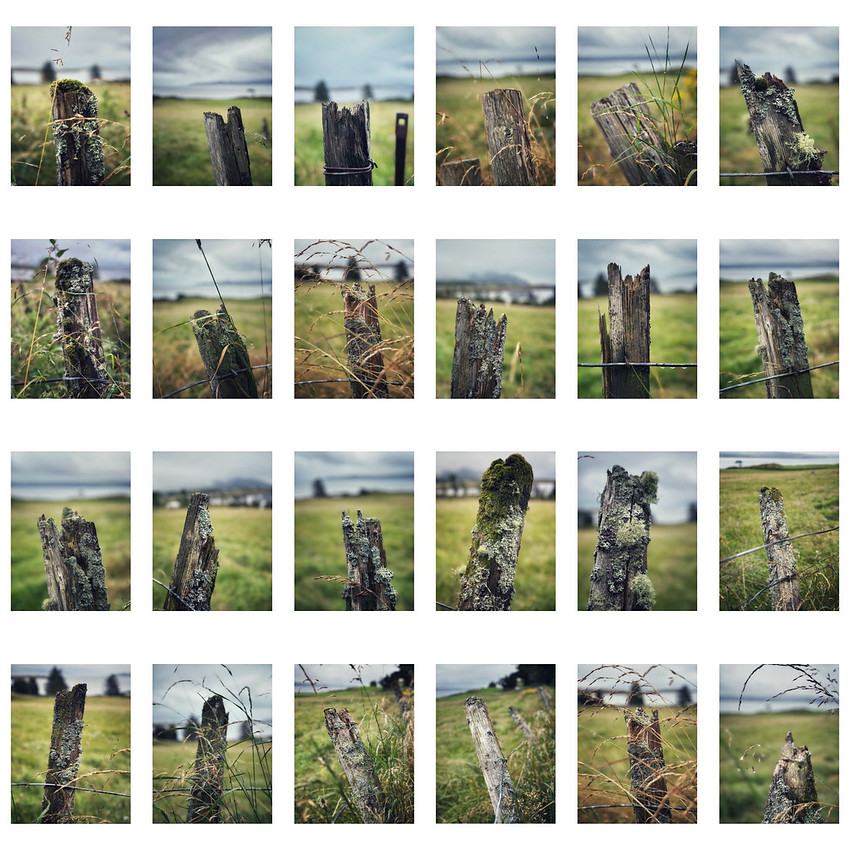
In the westernmost reaches of mainland Britain, where the land meets the restless Atlantic and the skies hang low with the weight of centuries, the croft fences of Ormsaigbeg stand like weathered sentinels. They are not merely posts and wire—they are the skeletal remains of a social order, the quiet witnesses to a way of life carved from stone, soil, and survival.
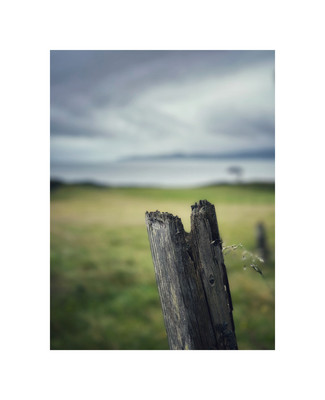
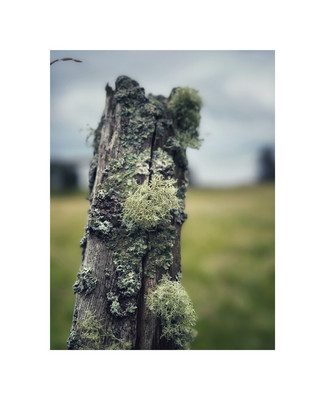
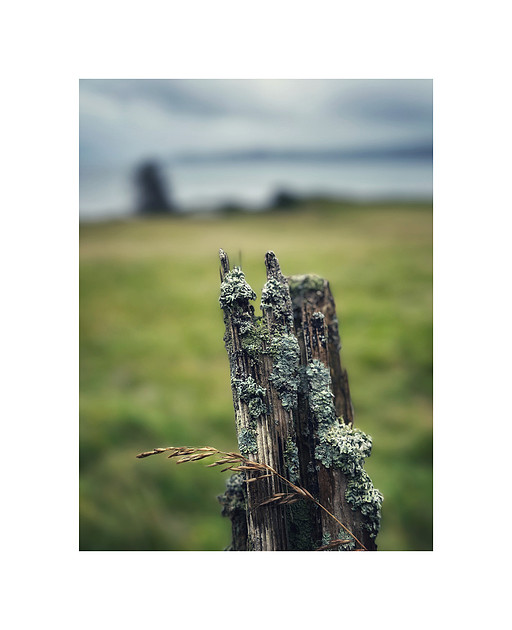
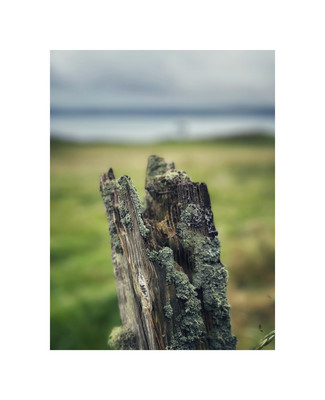
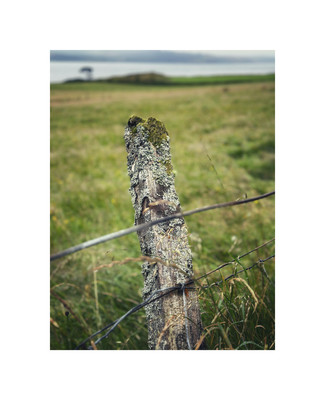
Each fence, leaning into the wind, is a monument to endurance. Splintered and moss-laced, they rise from the earth like old men with stories to tell. Their surfaces are etched with the passage of time: the grain of the wood raised by rain, the rust of barbed wire curling like forgotten memories. These are not new constructions—they are relics, remnants of the crofting system that reshaped Ormsaigbeg in the wake of the Highland Clearances.
Before the crofts, Ormsaigbeg was a clachan—a clustered settlement of kin and community. In the 18th century, maps like Bruce’s 1733 estate plan and Roy’s military survey of 1750 show a nucleated village, its people living communally, farming collectively, and sharing the burdens of Highland life. But by the early 19th century, the estate landlords, driven by economic pressures and changing agricultural ideologies, dismantled this world. The clachan was razed, and in its place rose the crofting township: a linear arrangement of small, rented plots, each with its own house, its own strip of inbye land, and its own claim to the surrounding common grazings.
The fences mark these boundaries—not just of land, but of identity. They delineate the shift from communal to individual, from shared hardship to isolated resilience. Crofting was never easy. The plots were deliberately small, insufficient for subsistence. Families were forced to supplement their meagre yields with seasonal labour: men joined the merchant navy, women entered domestic service, and children grew up knowing that survival meant leaving. Yet the crofts endured, and with them, the fences.
|
|
|
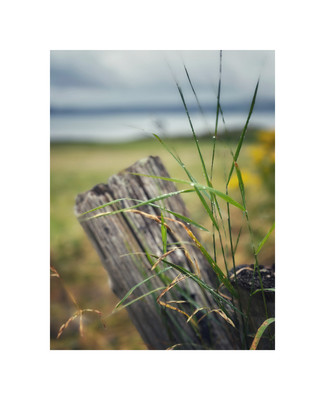
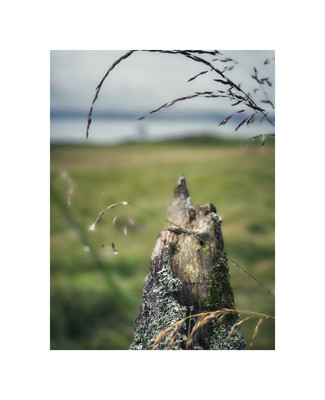
These fences are more than functional. They are symbolic. The barbed wire, rusted and twisted, speaks of protection and pain—of livestock kept in and wildness kept out, but also of the constraints placed upon the crofters themselves. The posts, some split and hollowed by time, evoke the fragility of the system, the vulnerability of those who lived within it. And yet, there is beauty here. The moss and lichen that cling to the wood are nature’s embroidery, a quiet reclaiming of the human imprint. The grasses that sway around them whisper of continuity, of life persisting in the margins.
In Ormsaigbeg, the landscape itself is a palimpsest. Beneath the croft fields lie the traces of older systems—lazy beds, stone boundaries, and the ghost lines of vanished dwellings. The 1872 Ordnance Survey map reveals the transformation: the clachan gone, the crofts aligned like ribs along the coastal road. But the land remembers. And in the quiet presence of these fences, we are invited to remember too.
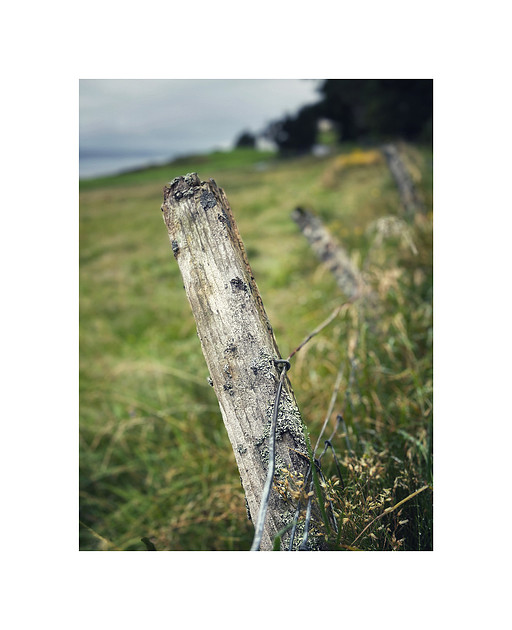 "The Croft Fences of Ardnamurchan" is not just a meditation on structure—it is an elegy. It mourns the loss of a communal past, honours the resilience of those who adapted and still continue to honour the crofting tradition, and celebrates the enduring presence of the land itself. Each weathered post is a stanza in a poem written by wind and weather, by labour and longing. Together, they form a chorus of place—a song of Ormsaigbeg, sung not in words but in wood and wire.
And in this song, we hear the spirit of Ardnamurchan—Spiorad Àird nam Murchan—not as a romantic echo, but as a living force. It is in the grain of the fence posts, in the rust of the wire, in the lichen that blooms like memory. It is in the act of witnessing, of remembering. It is in the quiet dignity of a landscape that has endured, and in the stories it still tells to those who listen. Importantly, it is in the traditions that endure and are very much alive.
Sources and Citations
- National Library of Scotland Maps Collection: Estate Maps of Argyllshire (https://maps.nls.uk/estates/argyllshire.html)
- Ordnance Survey, 1st Edition, 6-inch maps of Scotland (1872)
- Bruce’s Estate Map of Ardnamurchan (1733)
- Roy’s Military Survey of Scotland (1747–1755)
- Bald’s Map of Ardnamurchan (1806)
- Devine, T.M. The Scottish Clearances: A History of the Dispossessed, 1600–1900. Allen Lane, 2018.
- Hunter, James. The Making of the Crofting Community. John Donald Publishers, 1976.