Spiorad Àird nam Murchan -Elemental I - Earth

Spiorad aird nam Murchan: Elemental I – Earth (An Talamh)
Part XVI
Earth: The Quiet Resilience of Ardnamurchan
An Talamh – The Ground Beneath Memory

Beneath the Heather
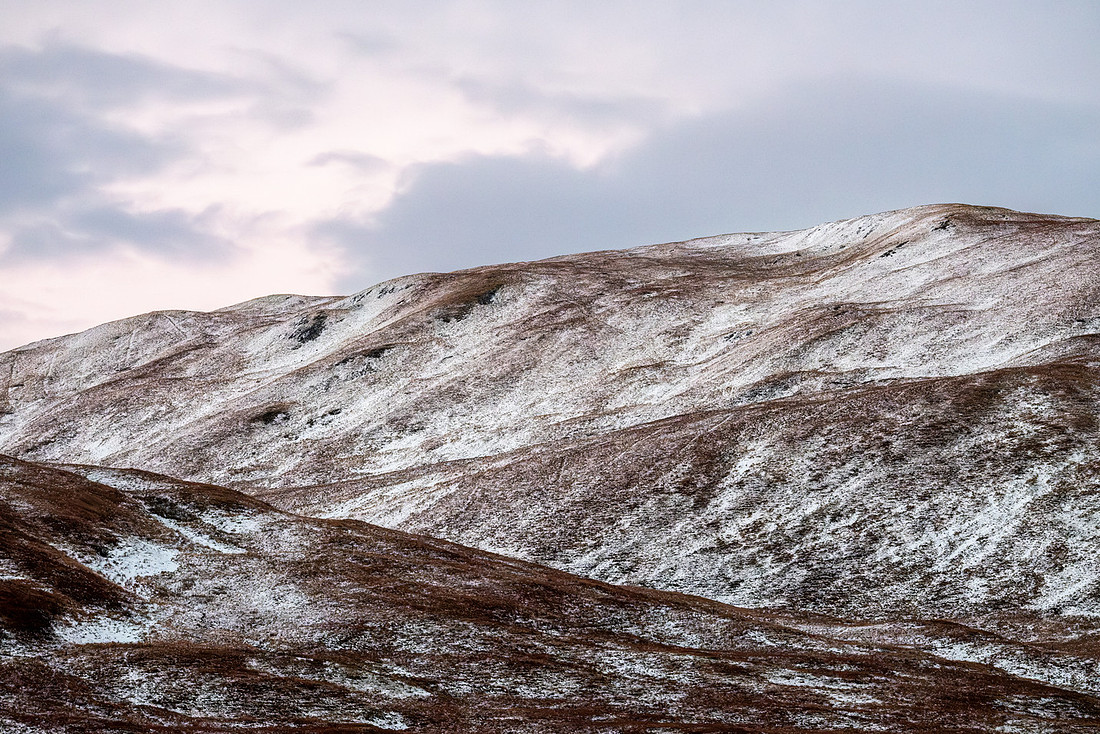
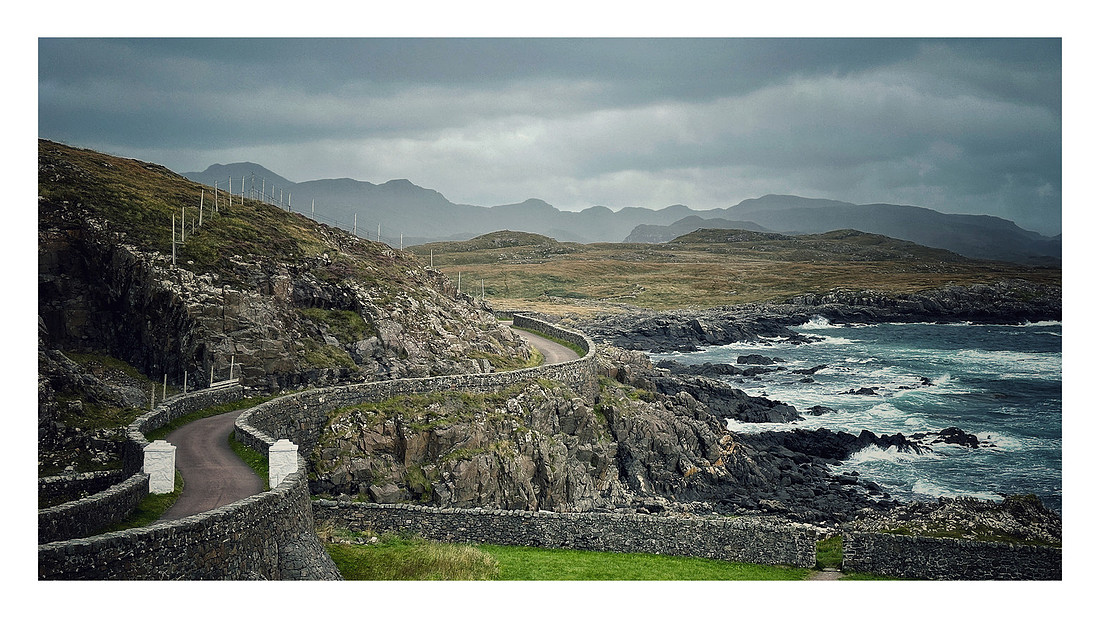
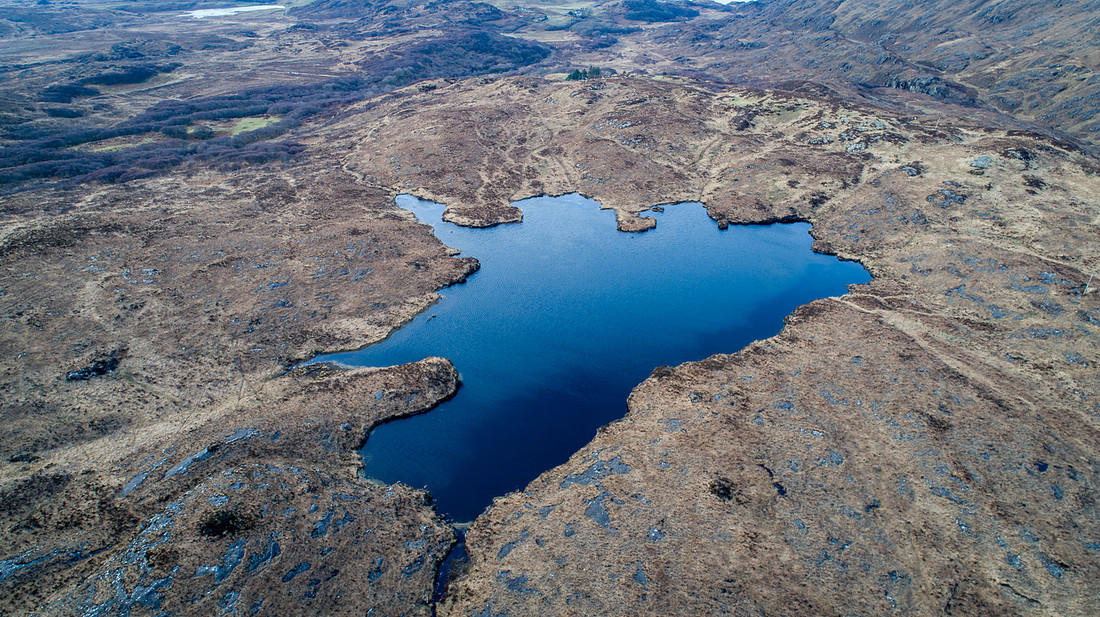
Beneath the heather, the land breathes in silence. Lazy beds ripple like forgotten staves of music, their contours softened by moss and time. The soil here is not mute; it speaks in the green persistence of moss, in the black syllables of peat, in the granite consonants of stone.
In Ardnamurchan, the earth is not merely a substrate—it is a voice. Achnaha, Achadh na h-Àtha, “field of the kiln,” holds the warmth of ancient fire in its name. Garbh Dhail, “rough meadow,” whispers of untamed growth and the stubbornness of bracken. Achateny, Achadh an Teine, “field of the fire,” burns quietly in memory, its name a flicker of resilience. Branault, Braigh nan Allt, “head of the streams,” speaks of water’s origin in the land’s embrace.
These names are not mere labels—they are interpretive keys, each unlocking a story embedded in the terrain. The Point of Ardnamurchan itself, Àird nam Murchan, may mean “height of the sea-dogs,” referring to seals or otters, or perhaps “height of sea-sins,” a poetic echo of piracy and wreckage. The land is a palimpsest of meaning, layered with language, memory, and myth.
Earth as Memory: Crofting and the Clearances
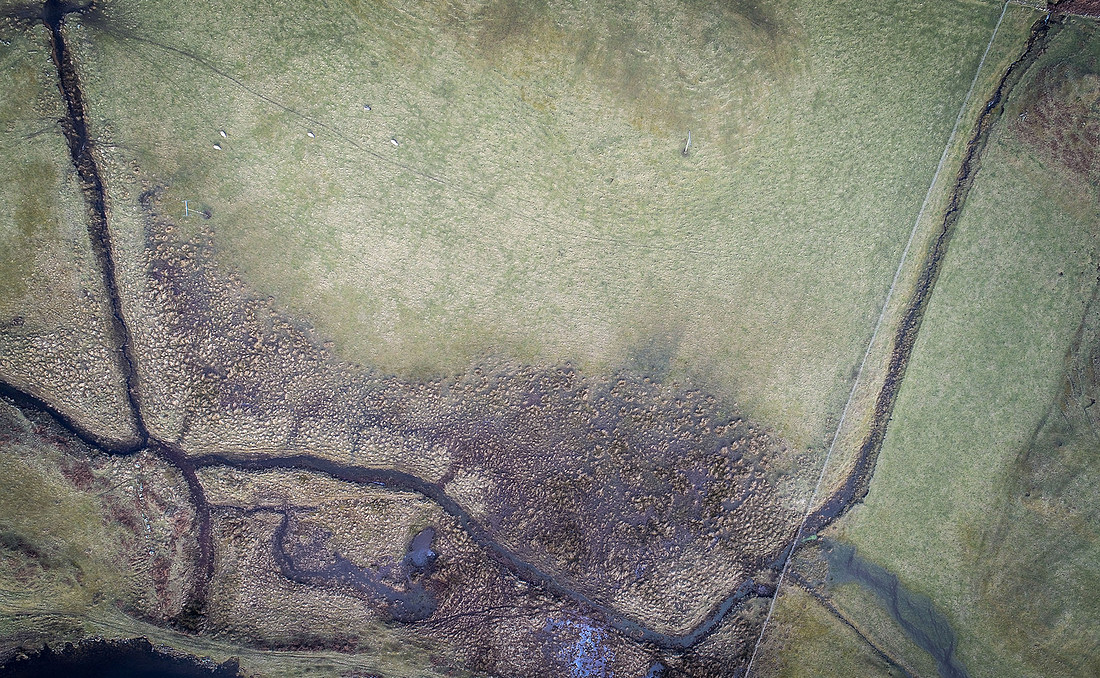
The feannagan—lazy beds—are not idle. They are lines of verse etched into the land, each furrow a stanza of survival. Crofting heritage is written here, in the raised ridges and the hollowed troughs, in the way the earth was coaxed into nourishment.
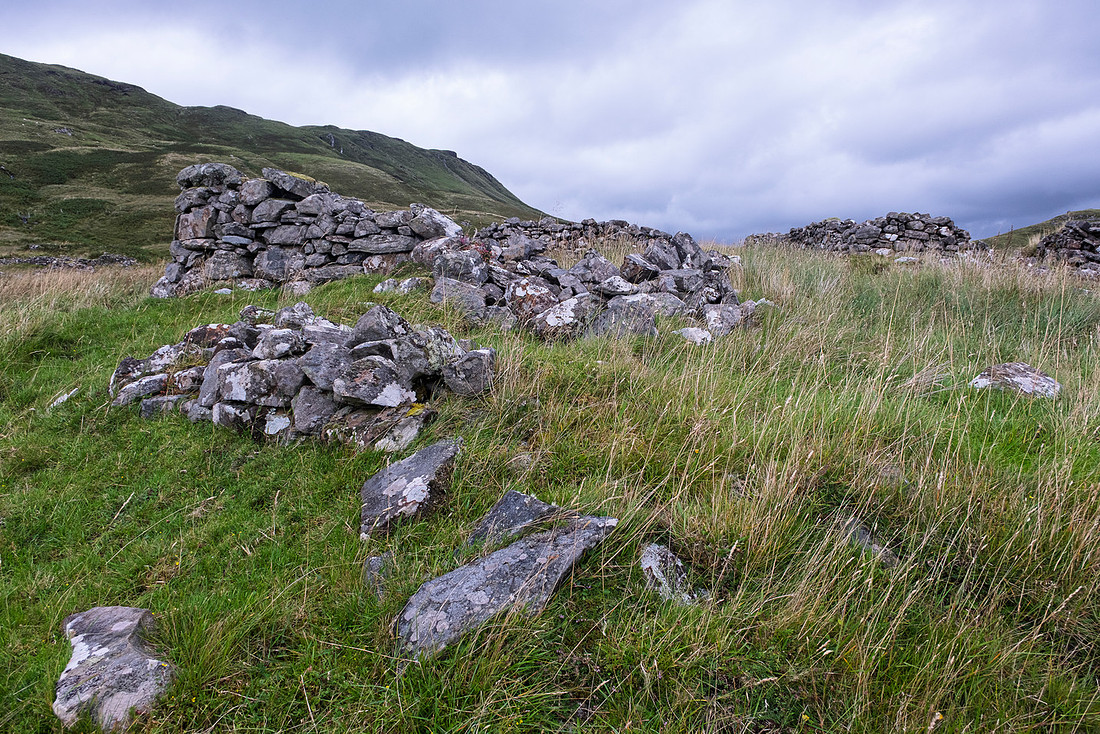
These beds are archaeological text, a script of subsistence and sorrow. They speak of the Highland Clearances, of abandonment and return. In 1828, James Milles Riddell began clearing settlements like Camas nan Geall and Bourblaige, reorganising the land into crofts—small, often poor plots that forced tenants into seasonal labour elsewhere. The crofting townships retained common grazings, each croft with a souming, a right to graze a fixed number of animals.
The soil remembers the weight of footsteps that no longer fall, the hush of voices that once named each stone. At Glendrian, a depopulated settlement now silent, the remains of twenty houses and a head-dyke still mark the contours of a community lost.
To touch this earth is to read a text written in centuries, a script that resists erasure. Each furrow is a line of verse, each stone a punctuation mark in the long poem of land.
Living Landscapes
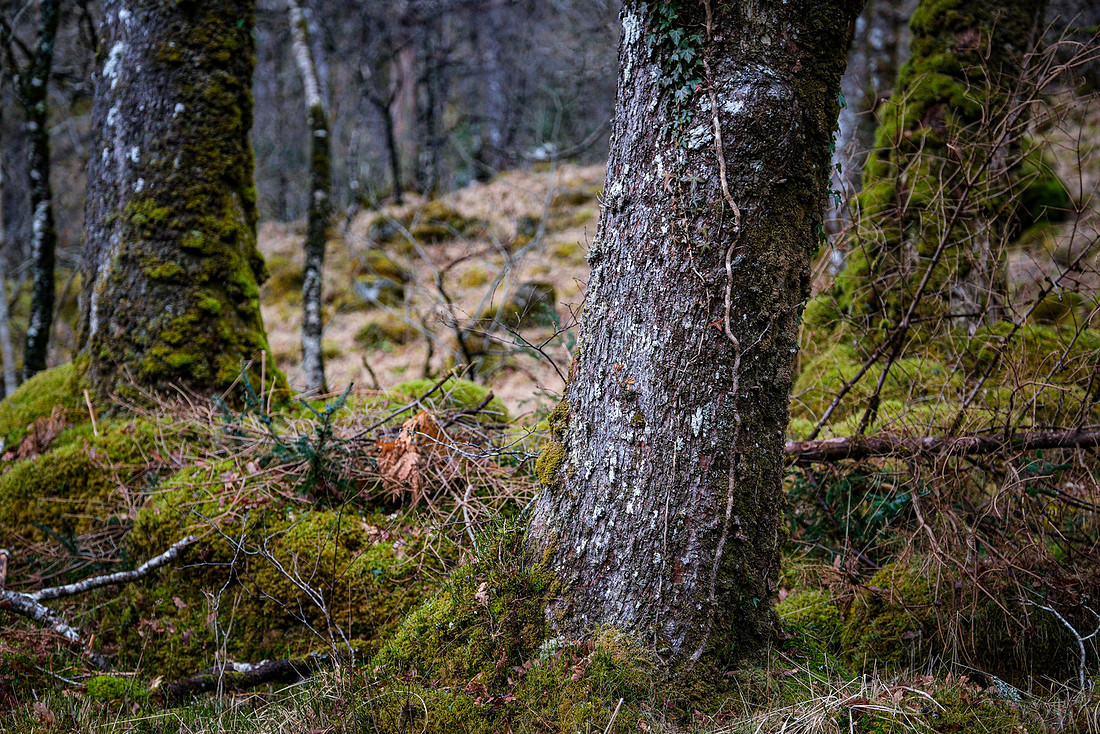
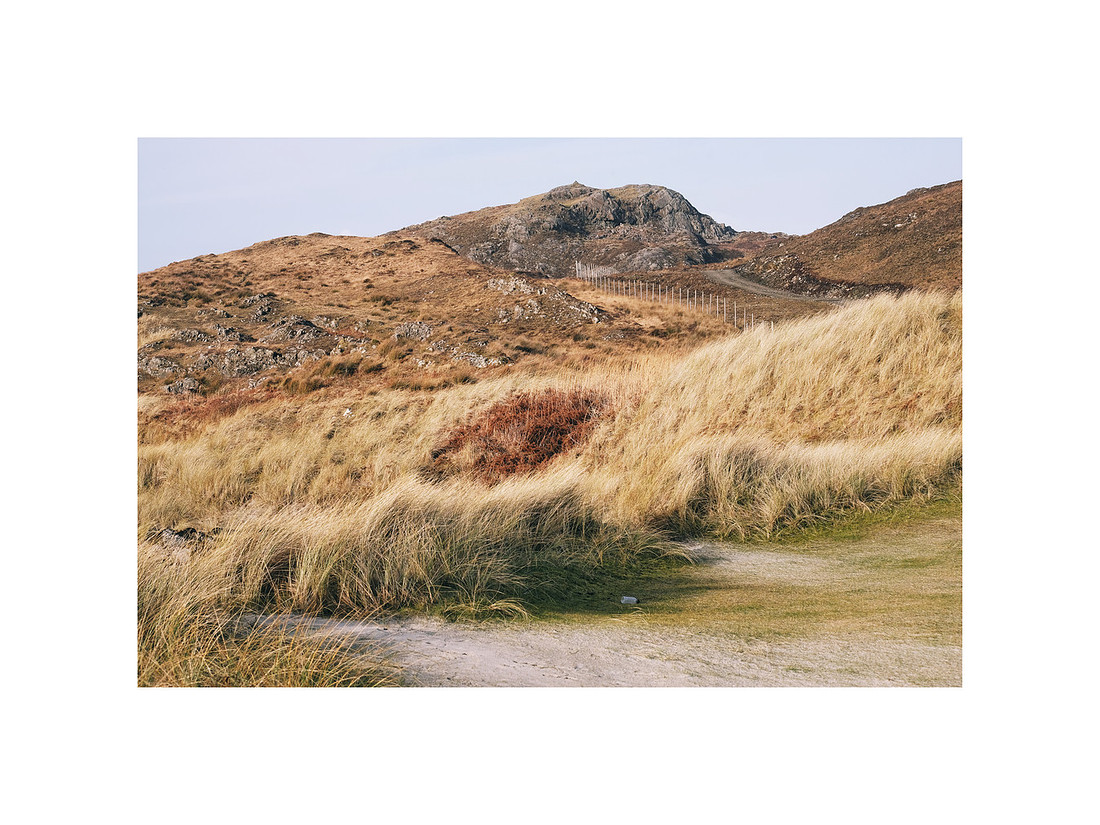
After rain, the moss glows with a quiet intensity, as if the land has drawn breath and exhaled green. Bracken rusts in autumn, curling like old parchment. The machair blooms in summer, a riot of colour on the edge of sea and soil.
Machair is one of Scotland’s rarest habitats—a blend of shell-rich sand, coastal winds, and traditional crofting. Found in parts of Ardnamurchan, it is a mosaic of beach, dune, marsh, and loch, supporting rye, black oat, and wildflowers fertilised with seaweed. Its biodiversity is shaped by human stewardship: grazing animals, rotational planting, and communal land management.
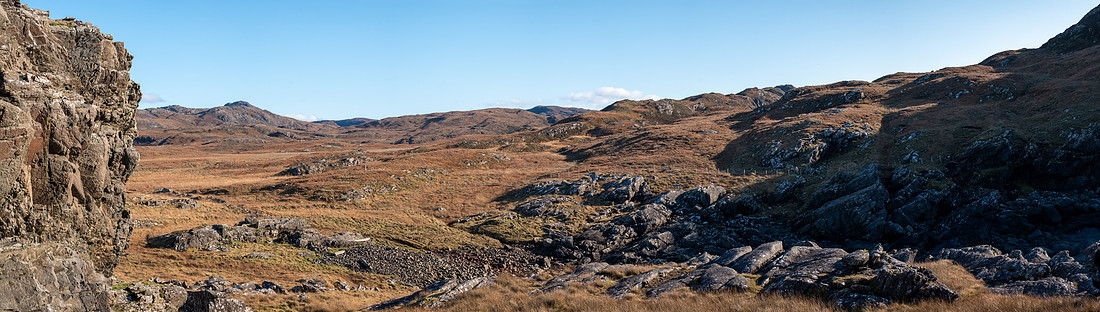
Peat layers tell stories in strata: fire, flood, frost. Lichen clings to stone like memory to place—slow-growing, persistent. The soil is not static; it is a living archive.
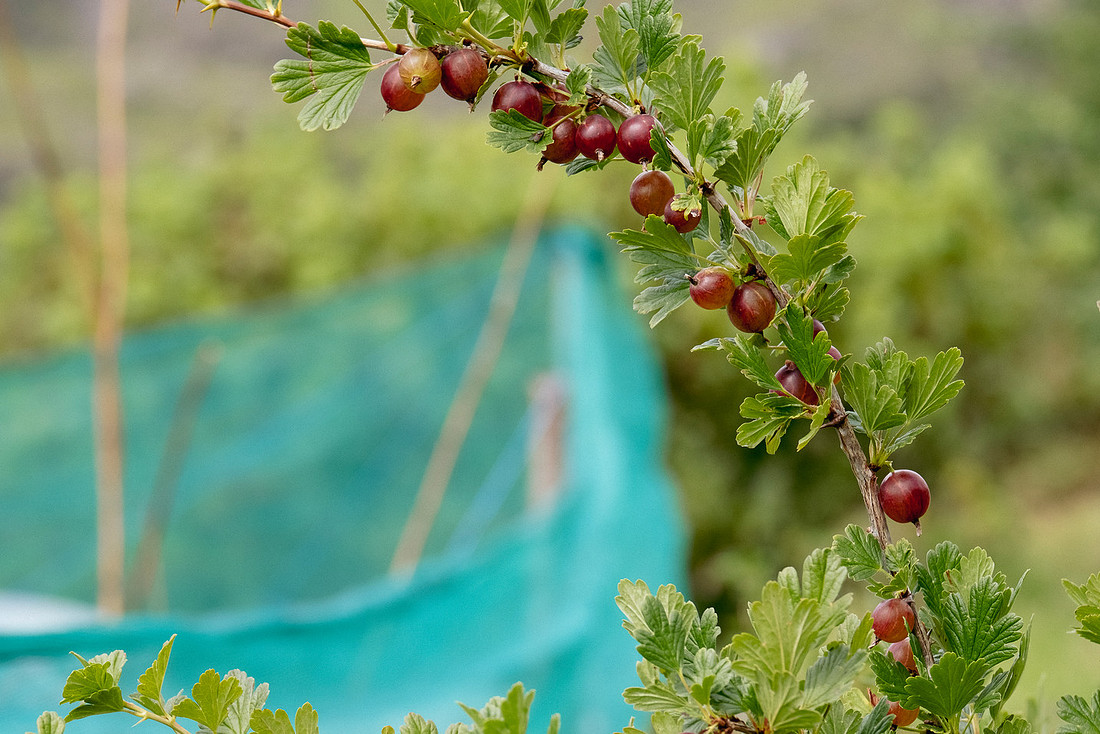
In the West Highland Community Gardens, this earth is tended with care. Compost returns to root. Seeds find their way. Sustainability begins here, in the humility of soil health and the generosity of growth.
My Work in the Landscape
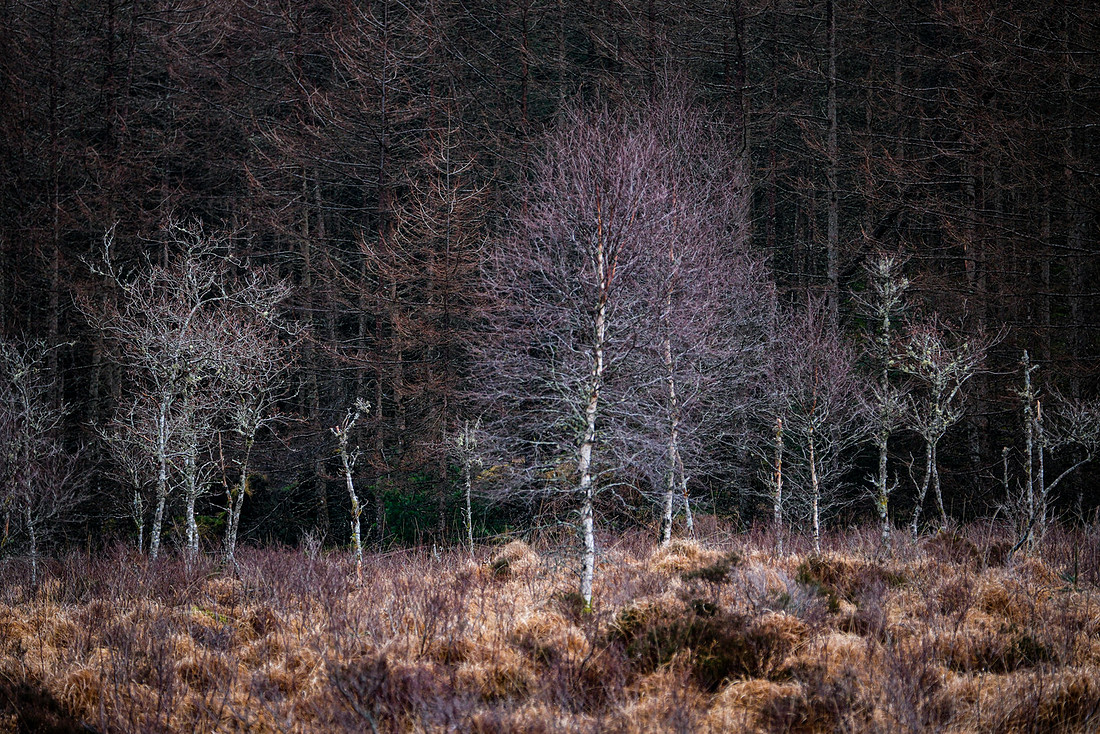
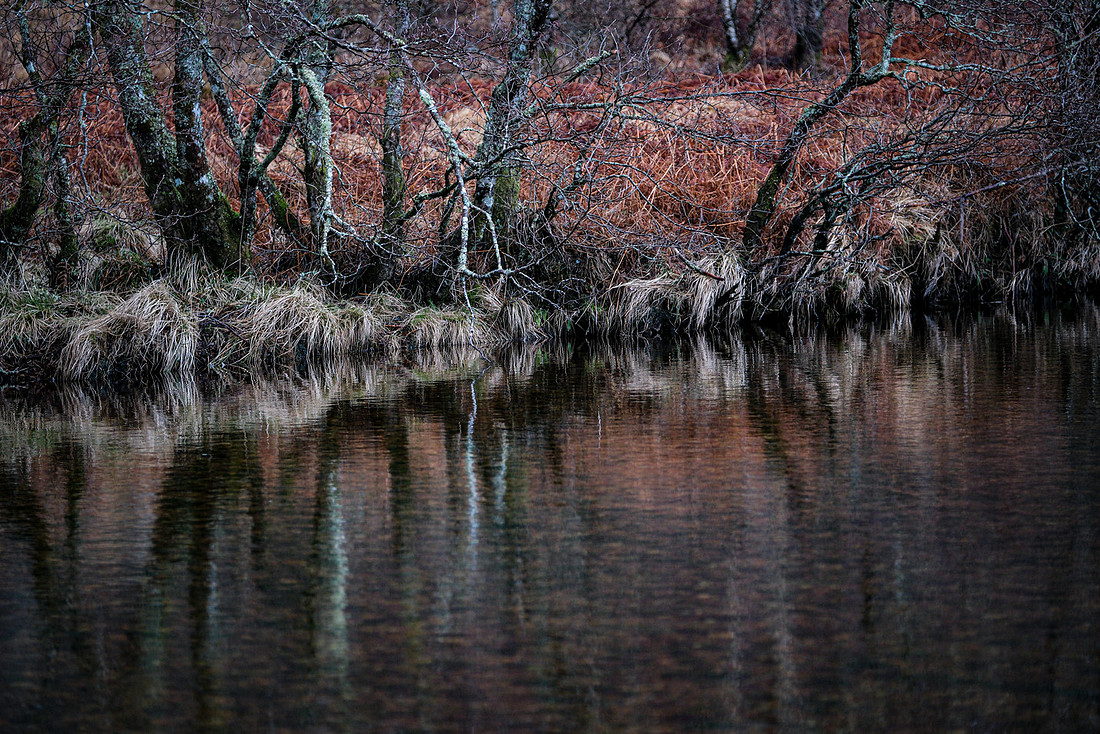
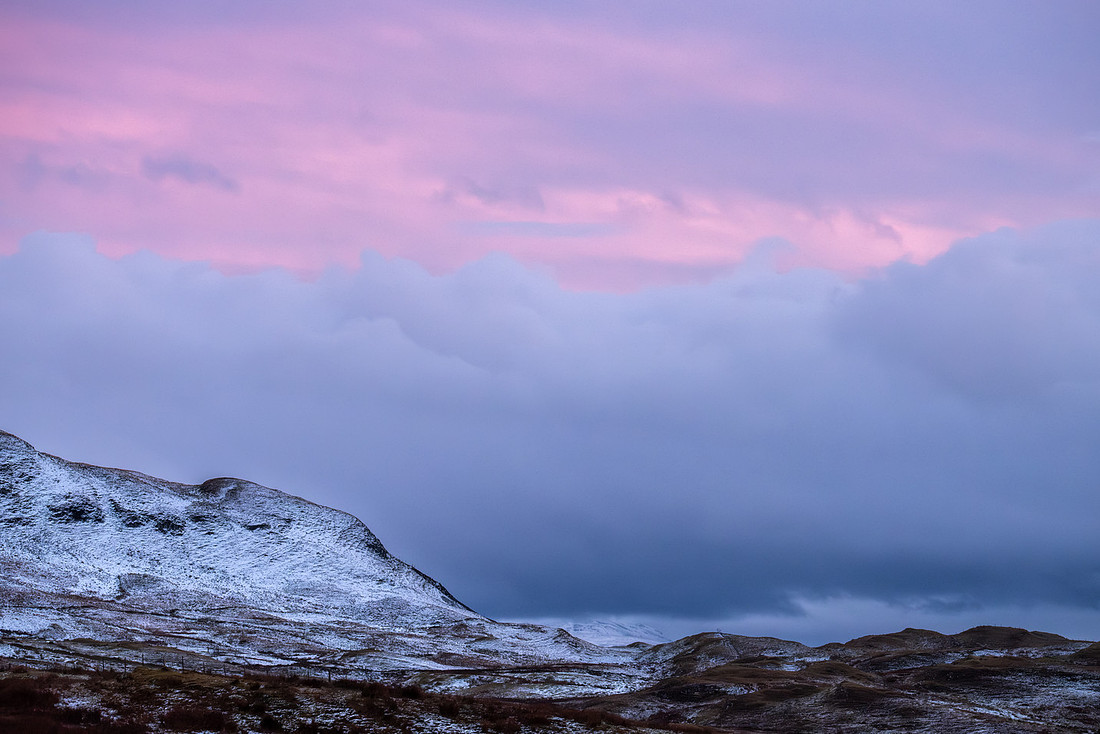
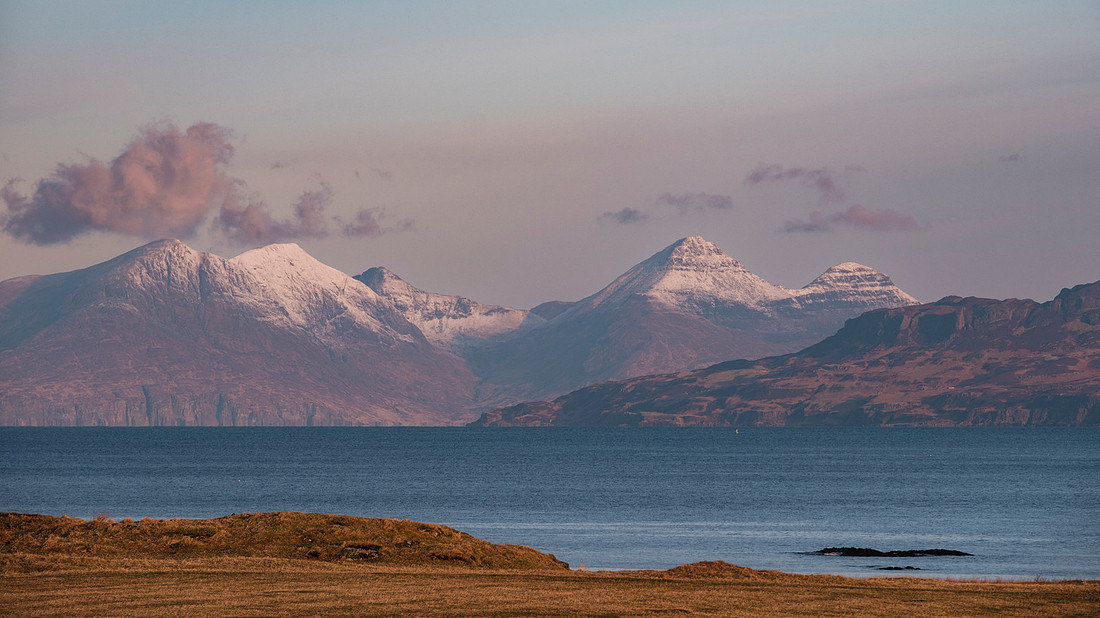
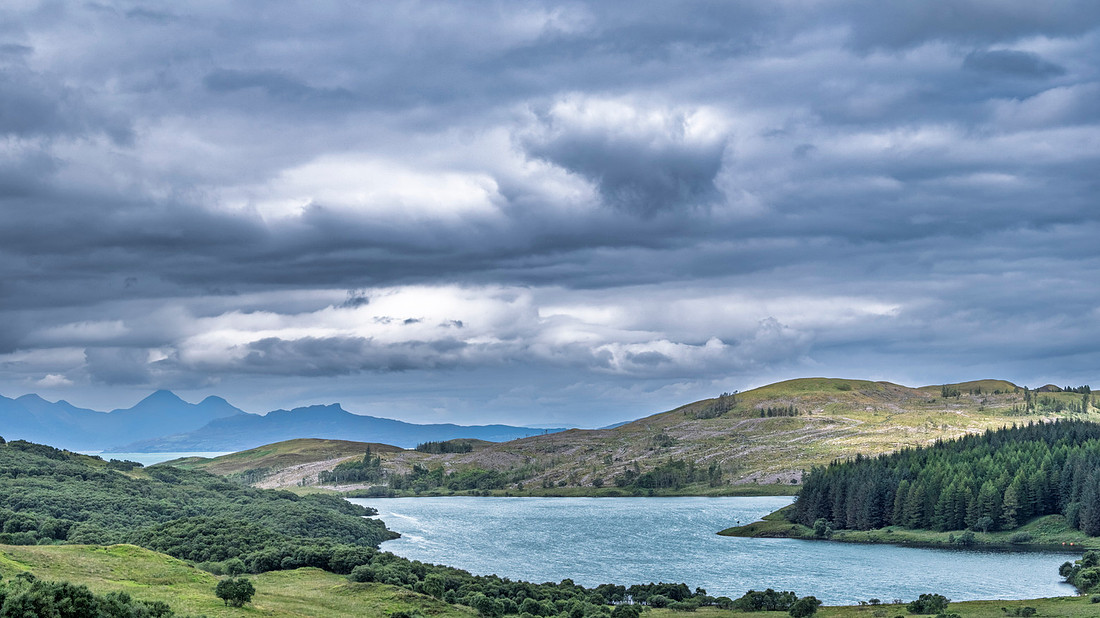
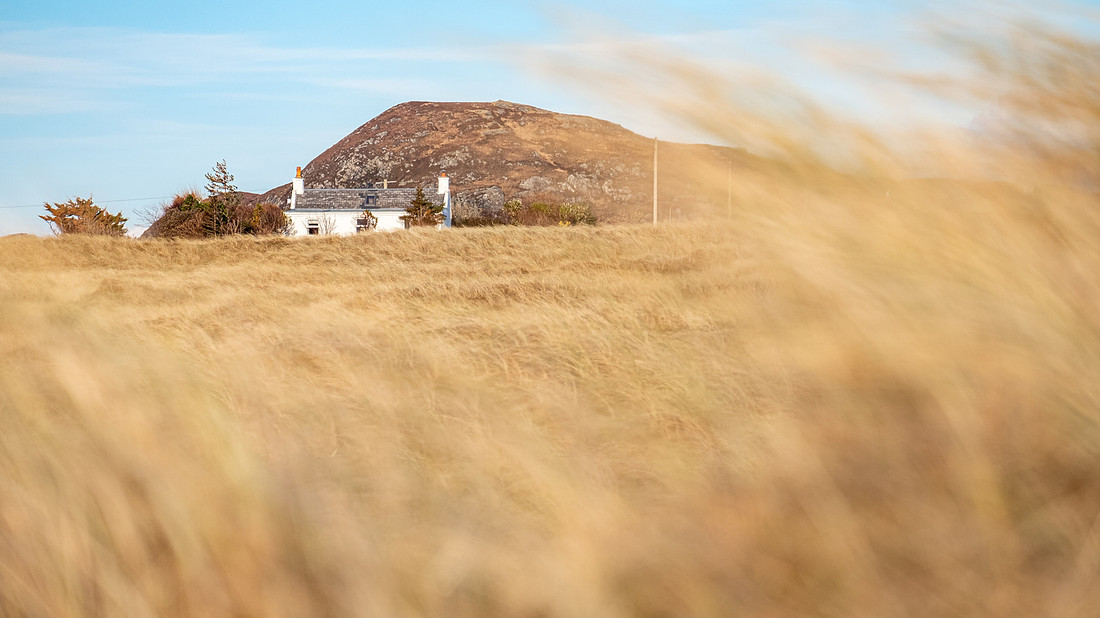
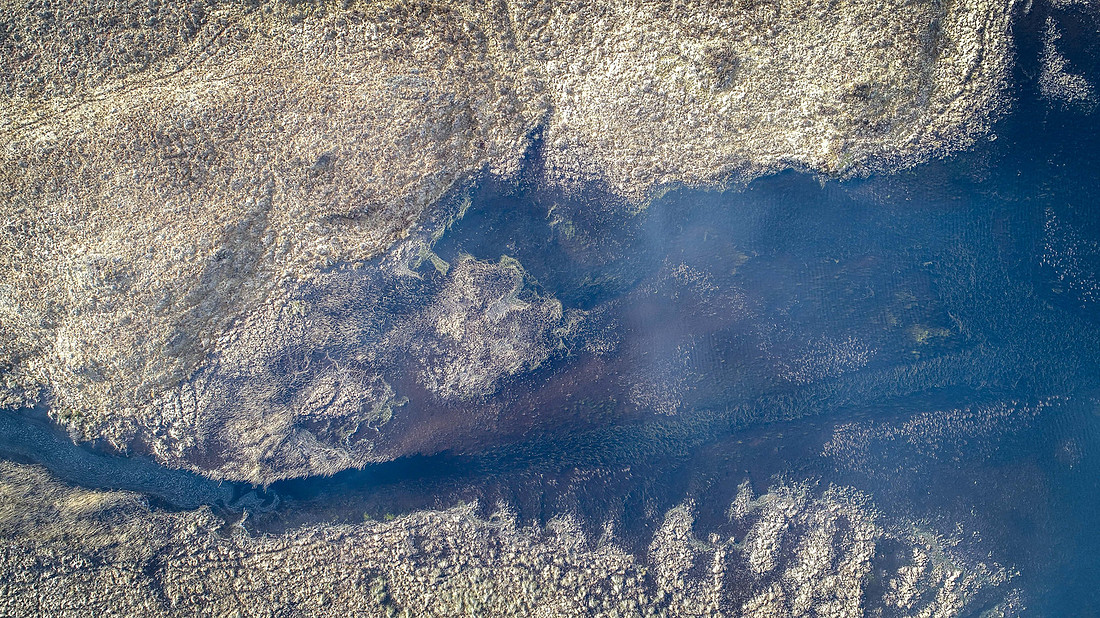
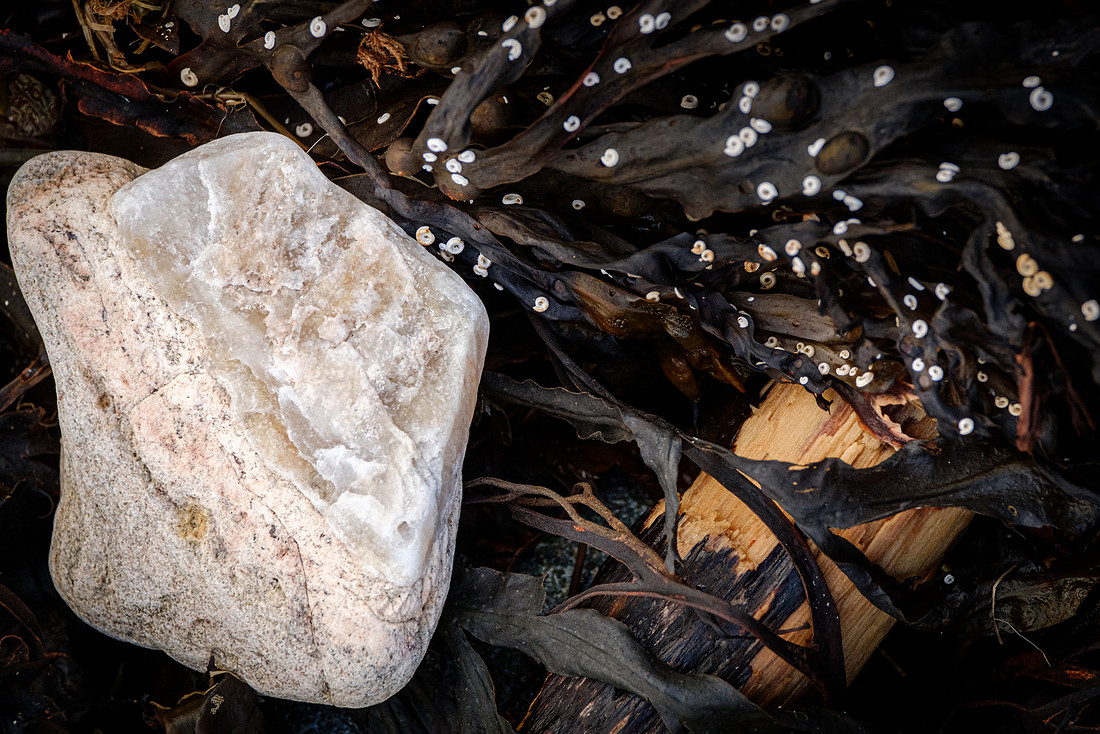
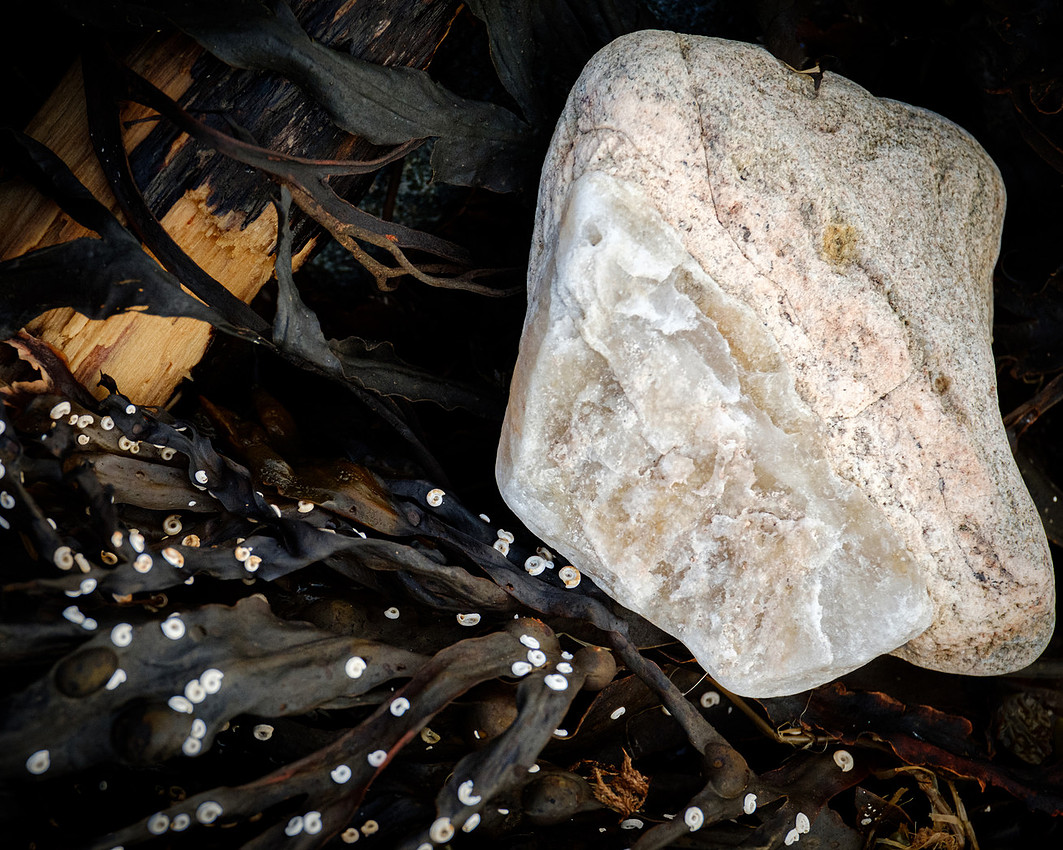
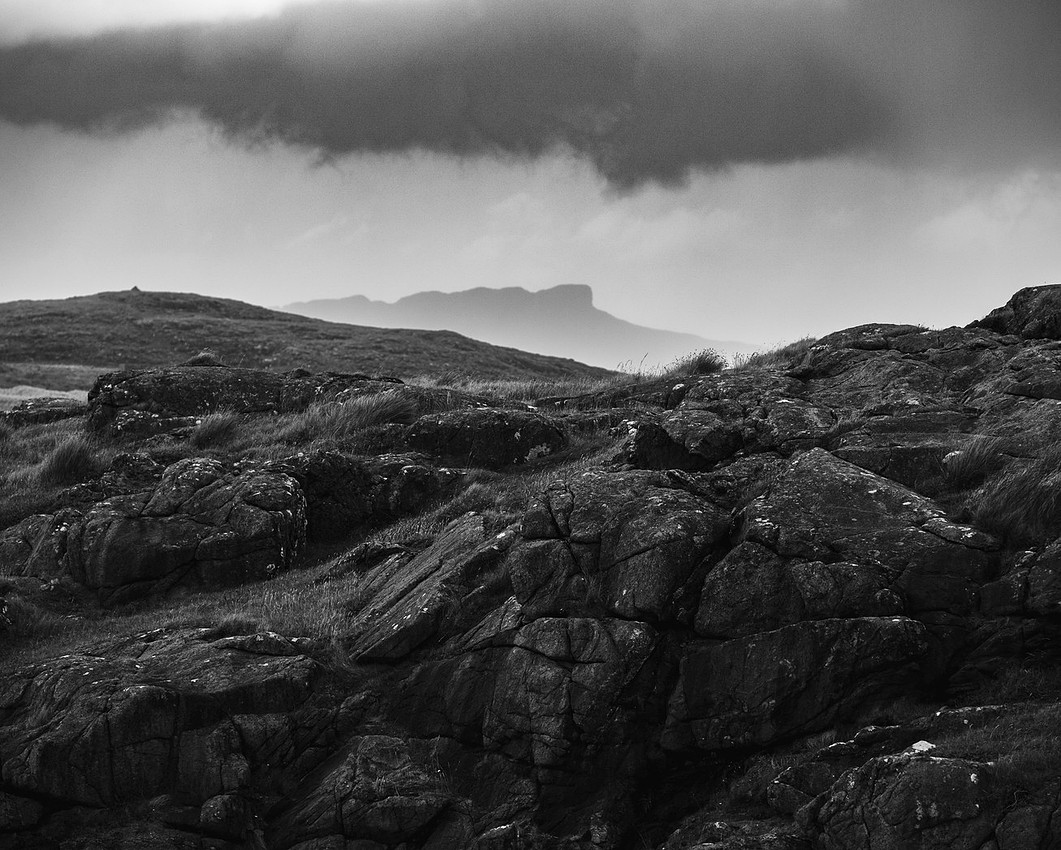
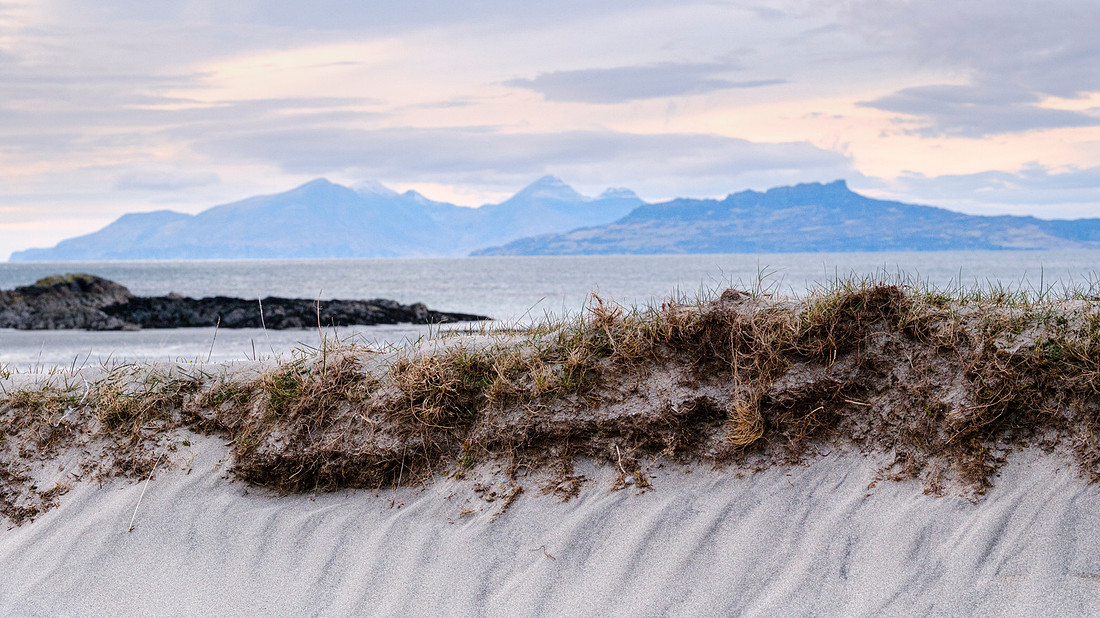
In my photographic work, the earth is not background—it is subject. I seek the tactile language of Ardnamurchan’s terrain: the ridges of feannagan, the furrows of time, the stone walls that hold silence between them. Each image is a translation of texture—a way of listening with the eyes.
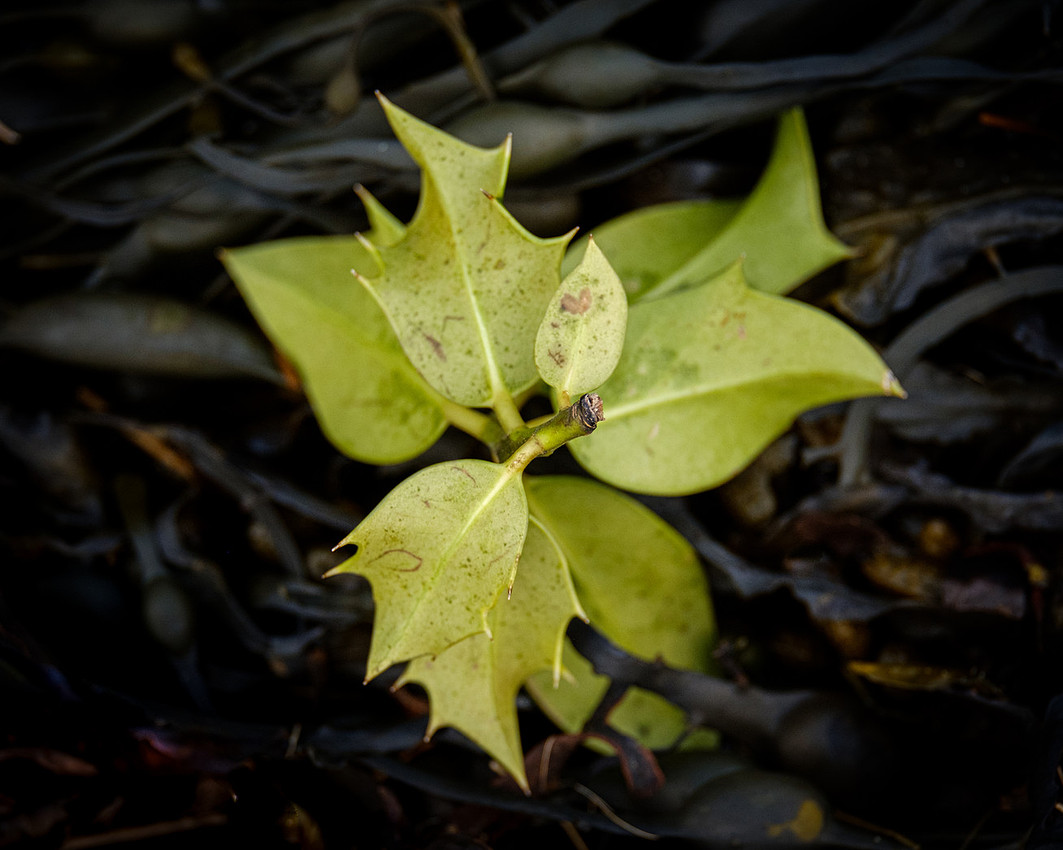
I’ve found that macro photography reveals the granular truth of moss and peat, while wide landscapes expose the rhythm of crofting fields. The camera becomes a tool of translation—earth into image, silence into story.
The soil here is not mute; it speaks in the green persistence of moss, in the black syllables of peat, in the granite consonants of stone.
In mixed media, I’ve experimented with earth pigments—ochres, umbers, the muted greens of moss—drawn directly from the land. These tones echo the palette of Ardnamurchan’s geology: gabbro, basalt, and volcanic soils that shape both colour and contour.
The soundscape is equally textured: footsteps on gravel, the rustle of grass, the metallic strike of croft tools meeting soil. These sounds find their way into my field recordings and Ambisonic compositions, where the land’s voice is layered and immersive.
The Land Speaks Gaelic
Gaelic place names are not passive—they are active agents of memory. They encode ecological, spiritual, and historical knowledge. Àird, achadh, gleann, allt—each prefix and suffix is a gesture toward terrain.
Oral traditions tie language to land. Proverbs about weather, lore about planting, stories of stones that move and fields that sing. The language is rooted in the earth, and the earth speaks through it.
The linguistic heritage of Ardnamurchan is layered with Norse and Gaelic, each wave of settlement leaving its imprint. Names like Plocaig and Acarsaig echo Viking origins, while Cladh Chatain—the churchyard of St Catan—anchors the Christian Gaelic tradition.
To speak of Ardnamurchan is to speak in tongues of terrain. The land is not separate from language—it is its cradle.
Earth as Elemental Voice
Earth is permanence and change. It is rooted yet vulnerable, enduring yet shaped by every season, every step. It holds the weight of history and the lightness of bloom.
Earth is the first voice in Ardnamurchan’s elemental chorus—a voice that hums beneath every other sound. It is the ground beneath memory, the texture of time, the quiet resilience that sustains all else.
To touch this earth is to read a text written in centuries, a script that resists erasure.
Next, we will listen to Water—its fluid counterpoint, its echo and erosion, its song beside the soil.
Bibliography
- Historic Environment Scotland. (2017). Early Gaelic names in Scotland. [online] Available at: https://blog.historicenvironment.scot/2017/03/early-gaelic-names-scotland-ainmean-aite-na-h-alba/
- Historic Environment Scotland. (2025). The Highland Clearances. [online] Available at: https://blog.historicenvironment.scot/2025/04/the-highland-clearances/
- Heritage Ardnamurchan. (n.d.). Crofts & Crofting. [online] Available at: https://heritageardnamurchan.co.uk/clearances-crofts/
- Heritage Ardnamurchan. (n.d.). Branault. [online] Available at: https://heritageardnamurchan.co.uk/branault/
- Historic Environment Scotland. (1999). Glendrian, depopulated settlement (SM7867). [online] Available at: https://portal.historicenvironment.scot/apex/f?p=1505:300:::::VIEWTYPE,VIEWREF:designation,SM7867
- NatureScot. (2024). Machair. [online] Available at: https://www.nature.scot/landscapes-and-habitats/habitat-types/coast-and-seas/coastal-habitats/machair
- British Geological Survey. (1996). Ardnamurchan – a guide to geological excursions. [online] Available at: https://earthwise.bgs.ac.uk/index.php/Ardnamurchan_%E2%80%93_a_guide_to_geological_excursions