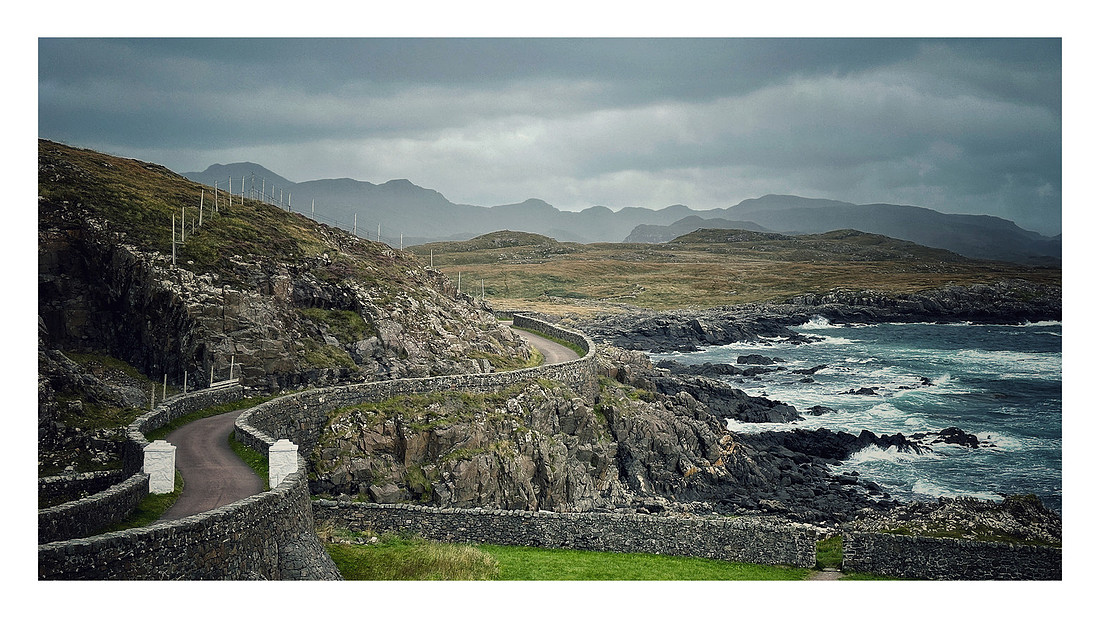
Spiorad Àird nam Murchan -Elemental III Air

Spiorad aird nam Murchan – Part 18
Elemental III – Air (An adhair)
The Breath of Ardnamurchan

Introduction: Breathing Ardnamurchan
Just last week, I stood again on the western edge of Ardnamurchan, running our autumn Creative Retreat beneath skies that never settle. Each day began with the wind’s voice—sometimes a whisper threading through birch leaves, sometimes a roar that bent the moorland grasses flat. I walked the headlands with my guests, our conversations braided with the weather, our thoughts shaped by the shifting light. We spoke of elements, of how air is not emptiness but a living presence, and as the Atlantic breathed across the peninsula, I felt the idea for this essay take root.
For nearly a decade, Ardnamurchan has been my compass, its rawness and beauty shaping every contour of my creative work. Yet this time felt different—more intimate, more urgent. Immersed in the peninsula’s moods, I realised that air is the quiet architect of all I see and feel here: the sculptor of cloud and coast, the unseen thread binding forest to ocean, past to present. This piece is born from that immersion—from the salt on my skin, the rain in my hair, and the conversations that turned weather into story.
The Presence of What Cannot Be Held
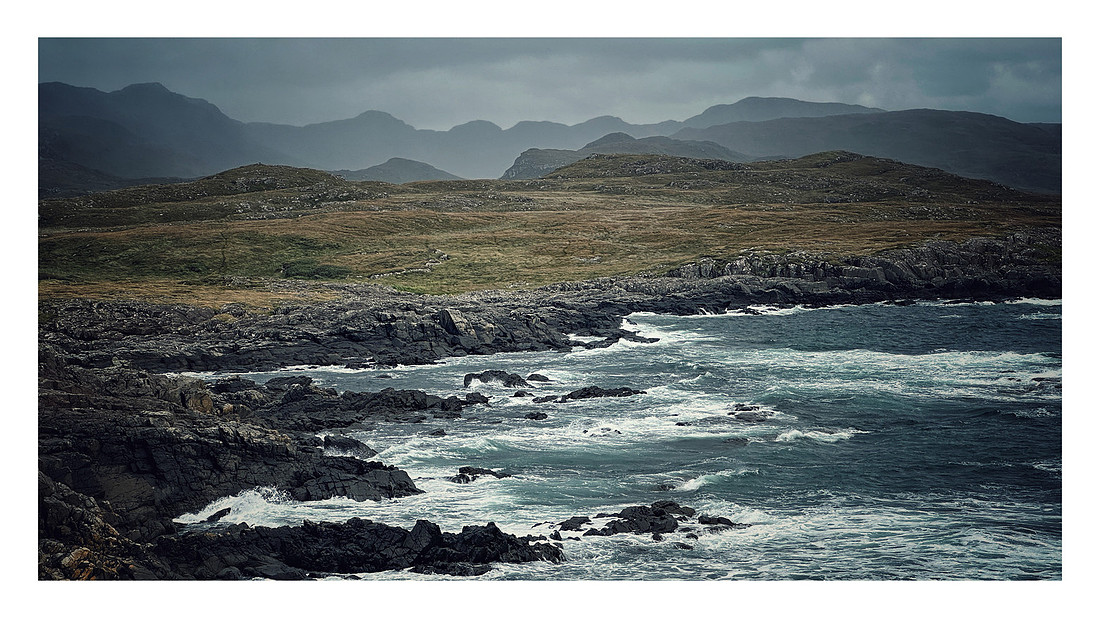
Air is the most elusive of the elements. It cannot be grasped, yet it presses against us with every breath, shaping the way we live and the way the land itself endures. On Ardnamurchan, air is not absence but presence—an invisible architecture that sculpts cloud and coast, forest and moor. Here, at the far western edge of mainland Britain, the peninsula stands like a sentinel, exposed to the Atlantic’s restless lungs. The wind arrives freighted with salt and rain, carrying whispers from Hebridean seas and northern waters. It is a force that defines this place as surely as rock or tide.
The Language of Air
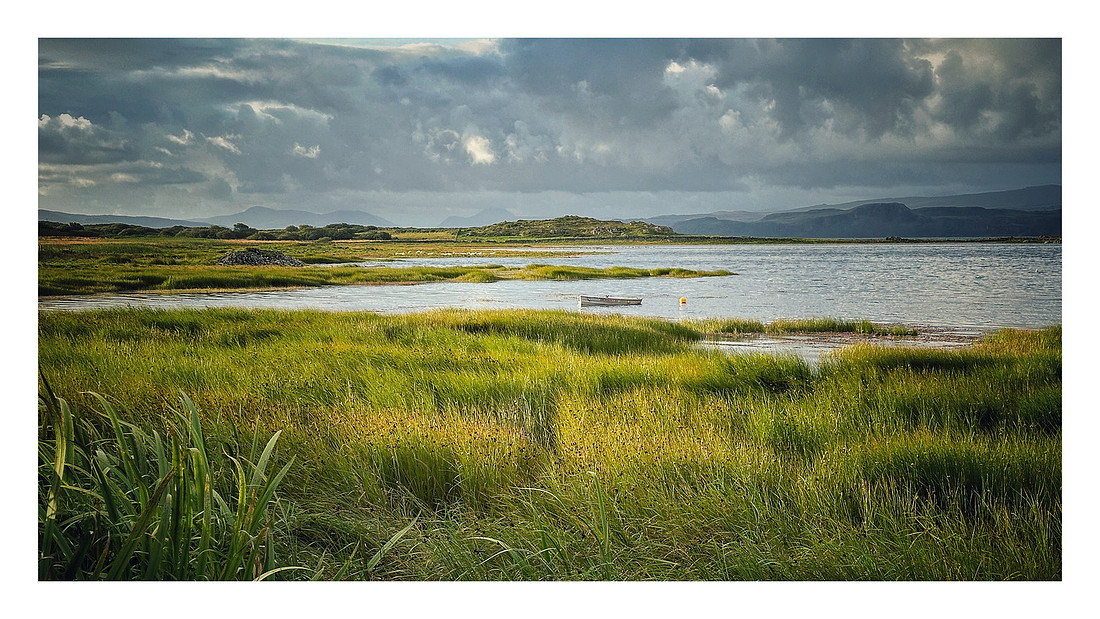
In Gaelic, the word for air is an adhair, and for wind, gaoth. These words are not mere descriptors; they are syllables steeped in experience. The lexicon of weather in the Highlands is rich and precise: sgòthach for cloudy, stoirm for storm, gaoth tuath for a north wind, and the evocative phrase sìde nan seachd sian—“the weather of seven elements,” often glossed as “four seasons in a day” (Dwelly, 1911). Such language encodes a lived intimacy with climate, a recognition that air is never static but a shifting theatre of light and motion.
Toponymy bears this truth. Àird nam Murchan—“the headland of the great seas”—speaks of exposure, of a land leaning into oceanic breath. Place names like Camas nan Gaoth (“Bay of the Winds”) or Bealach nan Sgòthan (“Pass of the Clouds”) are cartographies of air, mapping not only terrain but the moods of sky. To speak these names is to acknowledge that weather is not backdrop but protagonist.
The Dominance of Weather
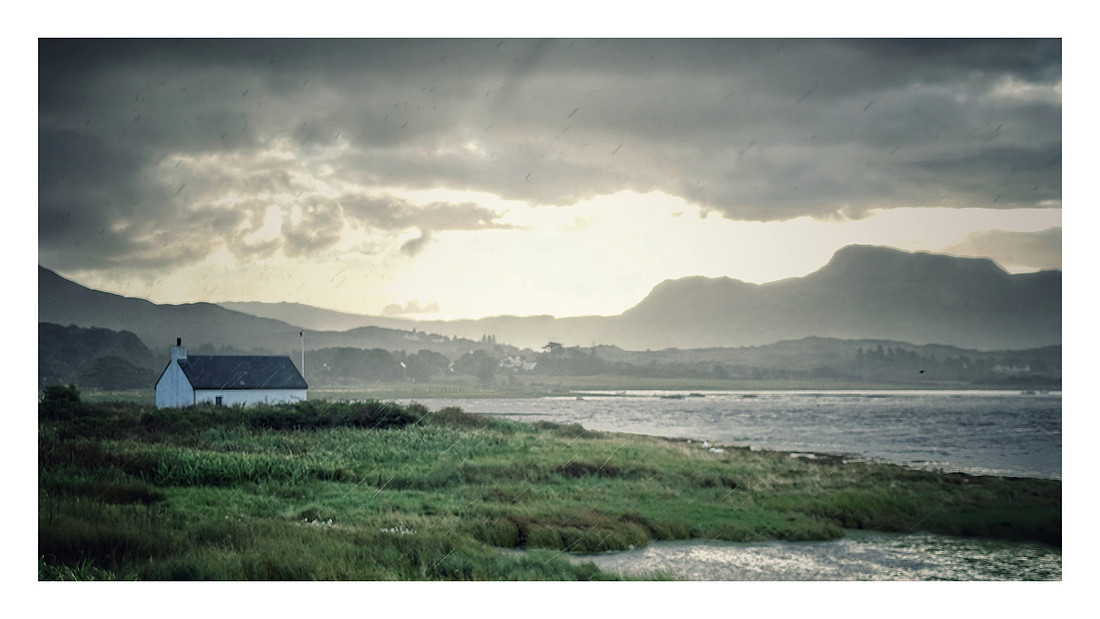
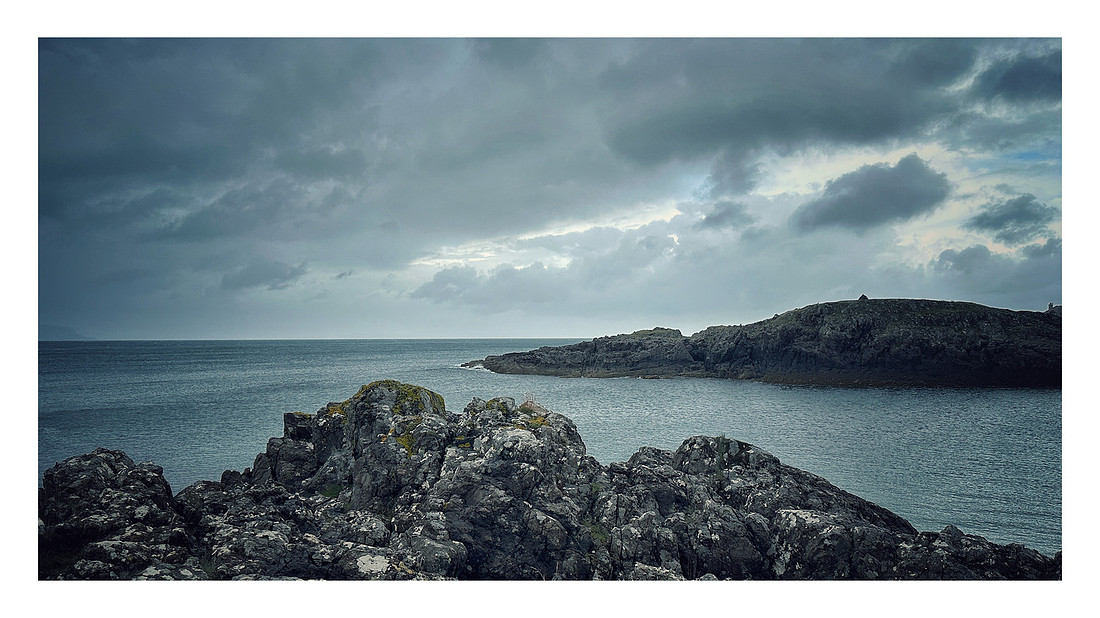
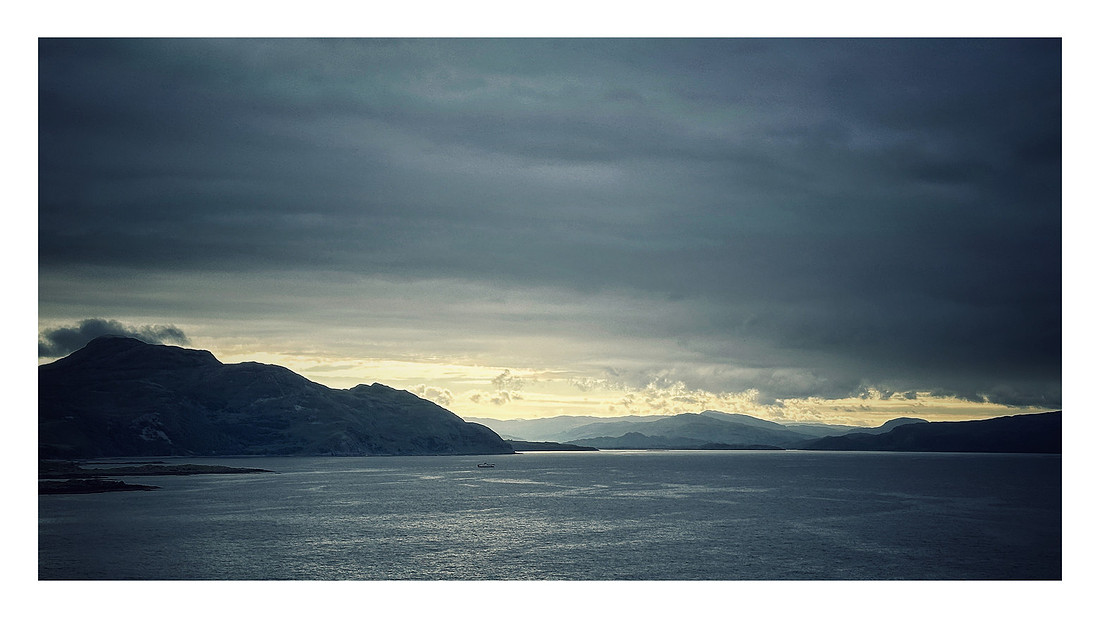
Ardnamurchan’s geography conspires with the atmosphere to create a drama of perpetual change. Surrounded on three sides by water—the Sound of Mull to the south, the Hebridean Sea to the west, and northern waters stretching toward Arisaig—the peninsula is a threshold where oceanic fronts collide (West Highland Peninsulas, 2023). Atlantic depressions roll in unimpeded, their cargo of cloud and rain spilling across the land. Squalls sweep from the Hebrides, and from the north come winds that carry the chill of distant ice.
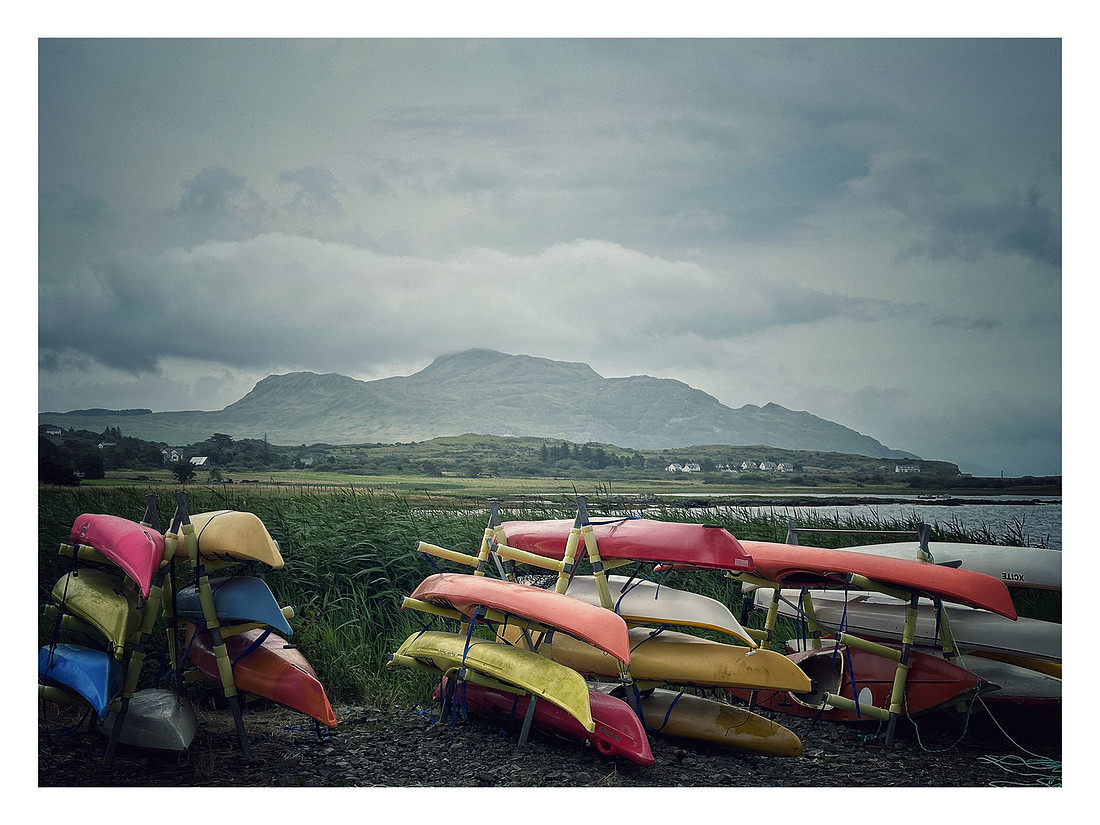
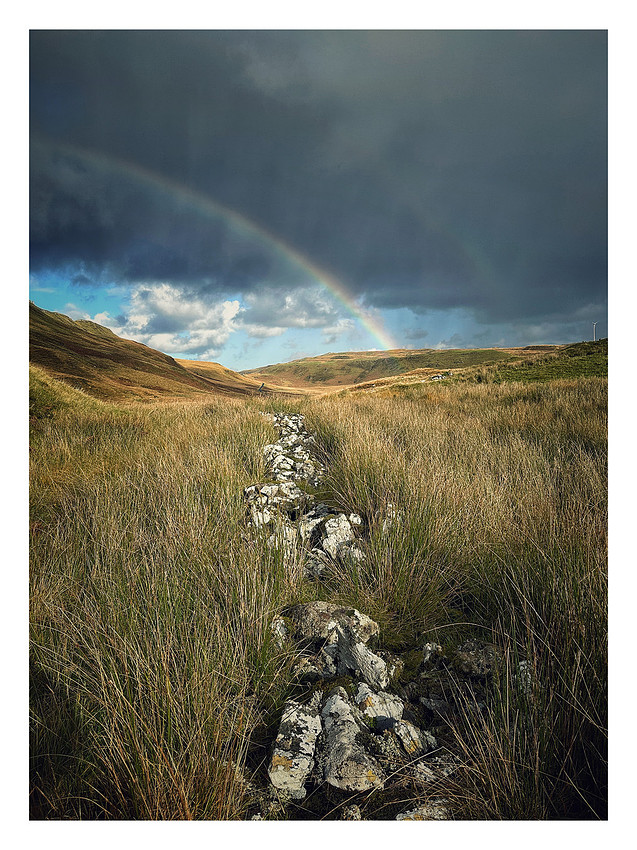
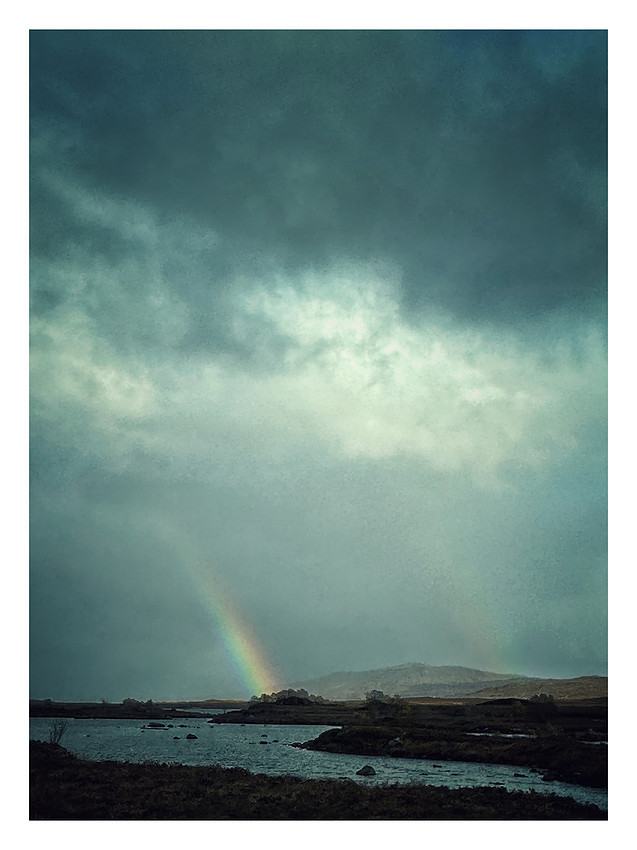
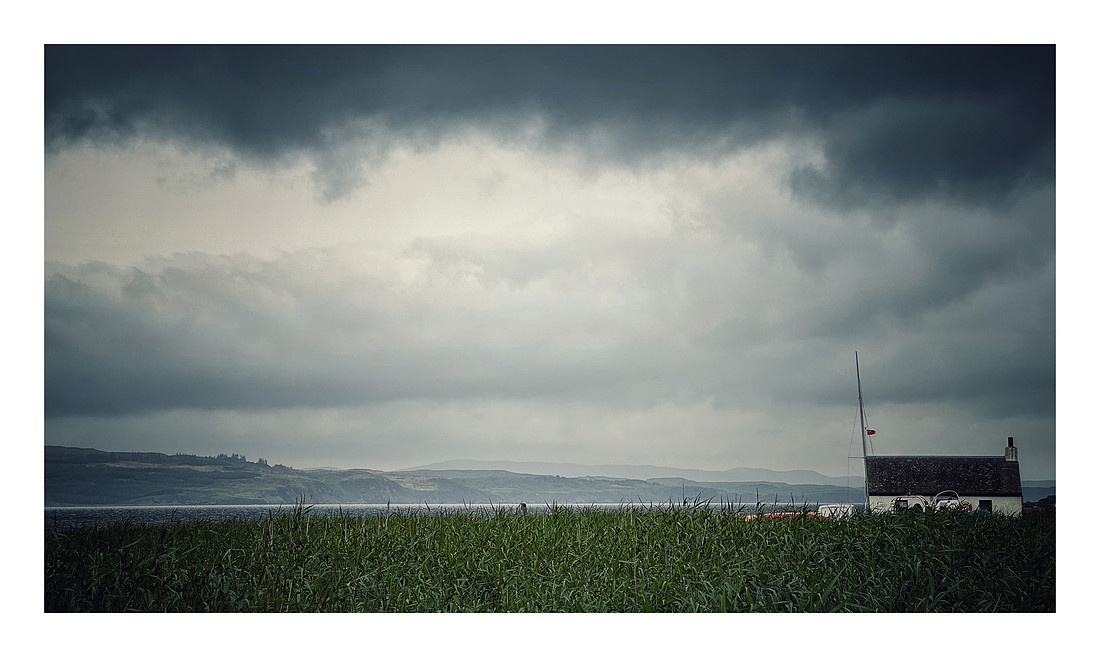
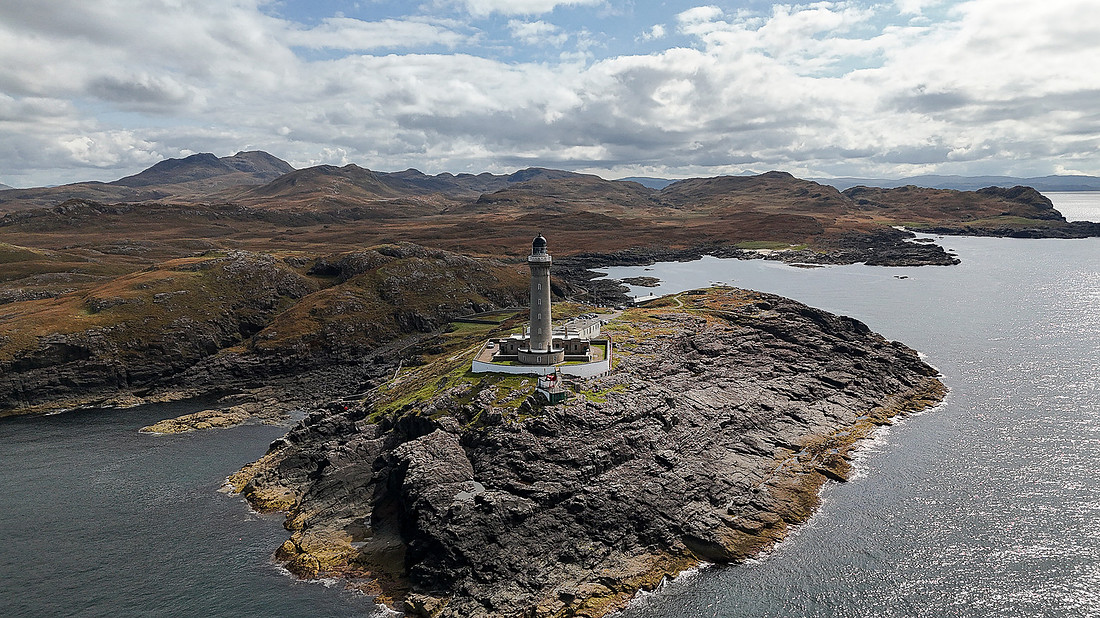
The sky here is a restless canvas. Cumulonimbus towers rise like cathedrals over Sanna Bay, their anvils bruised with storm-light. Veils of mist drift across Ben Hiant, softening its volcanic shoulders. At sunset, cirrus feathers burn gold above the lighthouse at Ardnamurchan Point, while far out to sea, a line of rain marches eastward like a dark army. To live here is to inhabit a perpetual negotiation with air—a choreography of shelter and exposure, of sudden brightness and abrupt deluge.
Air as Sculptor of Land and Life
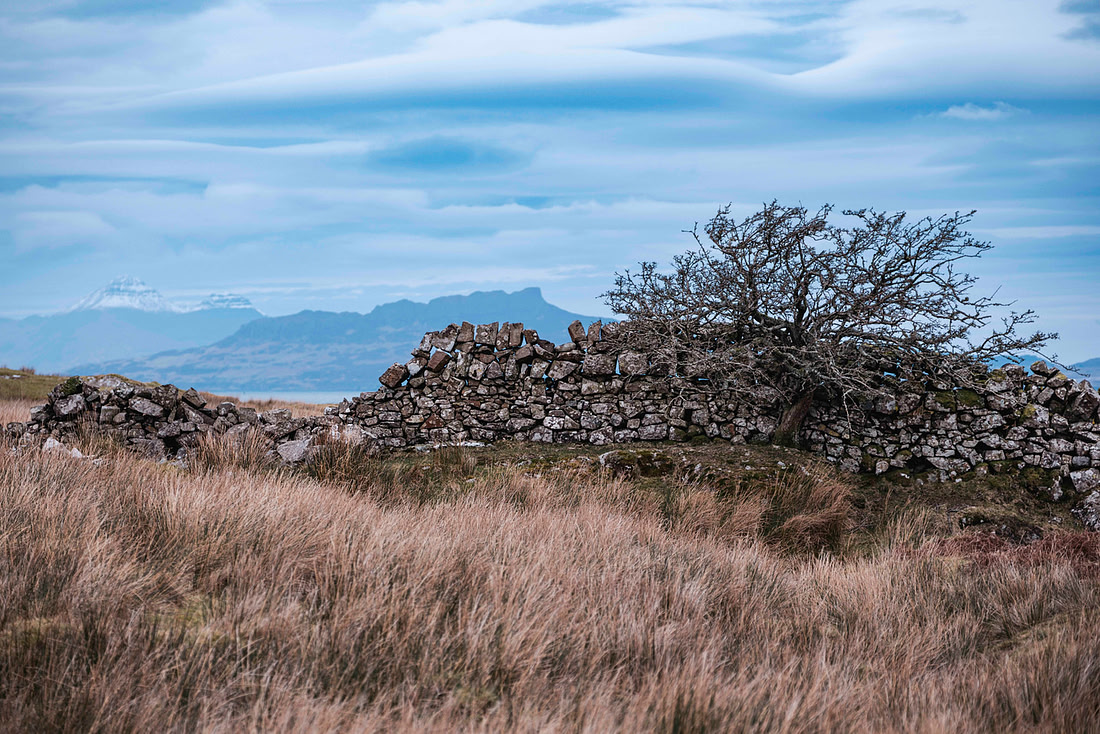
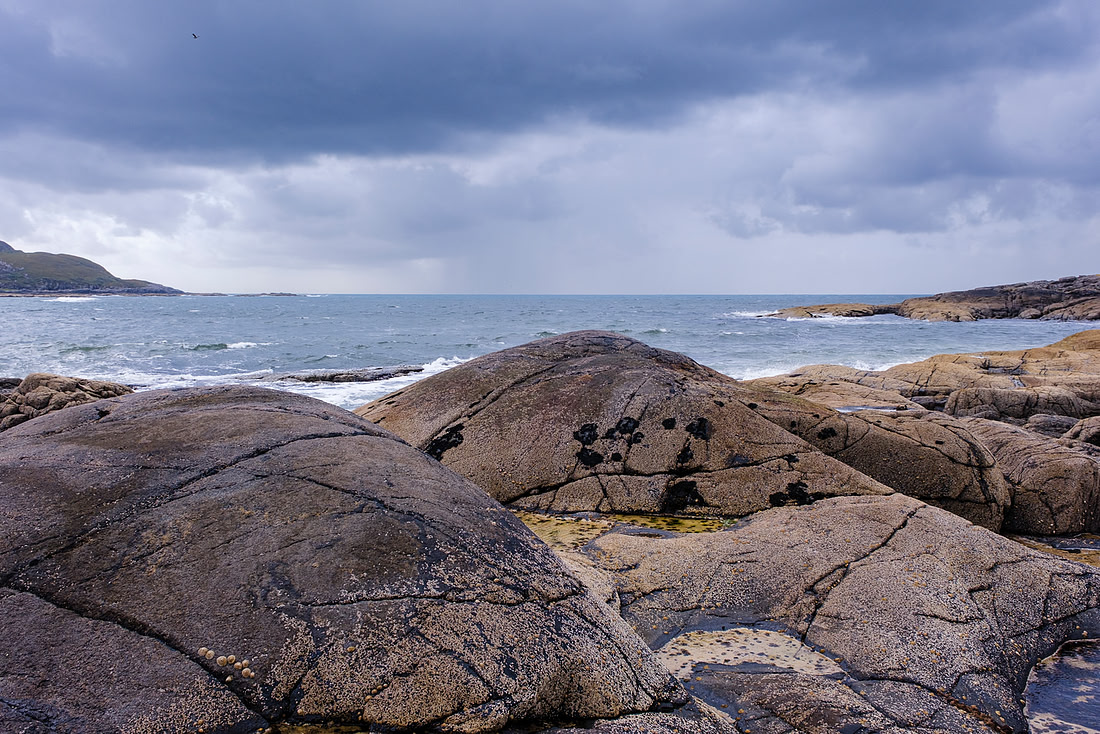
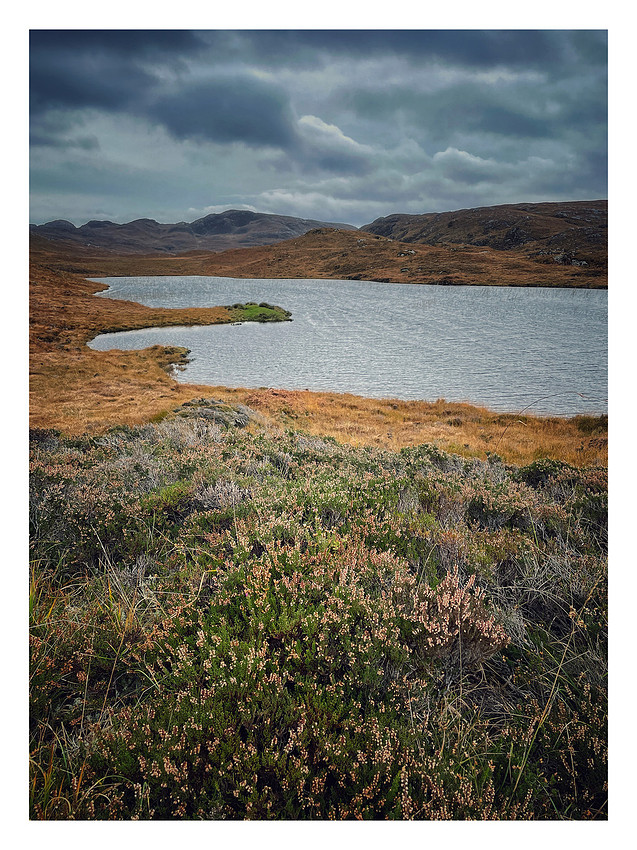
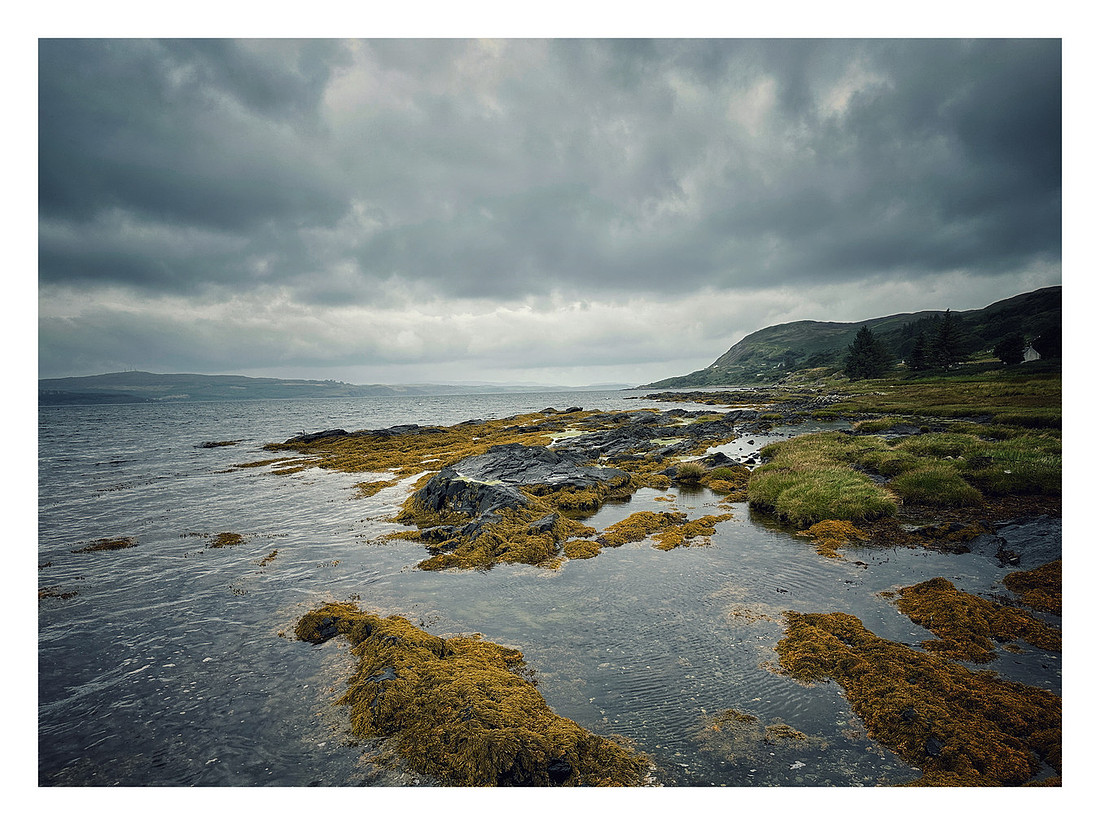
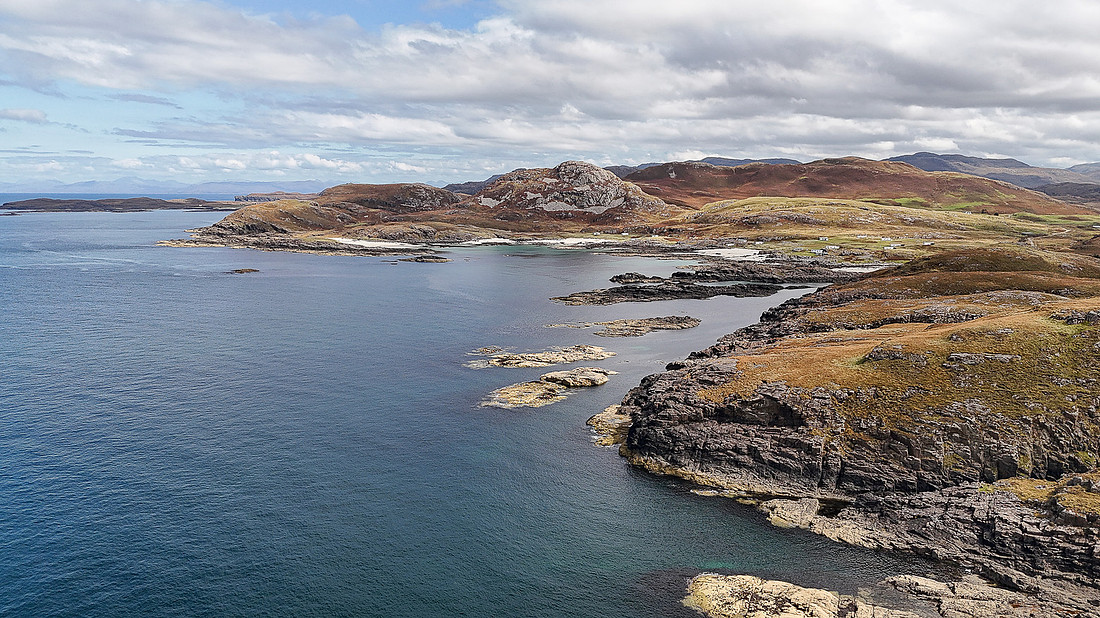
Wind and rain are artisans of this landscape. They scour the moor, combing heather into waves; they carve the coastline, gnawing at basalt and gabbro until headlands splinter into skerries. Burns and lochs owe their abundance to the sky’s generosity, for Ardnamurchan is a land of high rainfall, its climate temperate yet saturated (Forestry Commission Scotland, 2018). This moisture, mingled with clean Atlantic air, sustains one of Europe’s rarest habitats: the temperate rainforest.
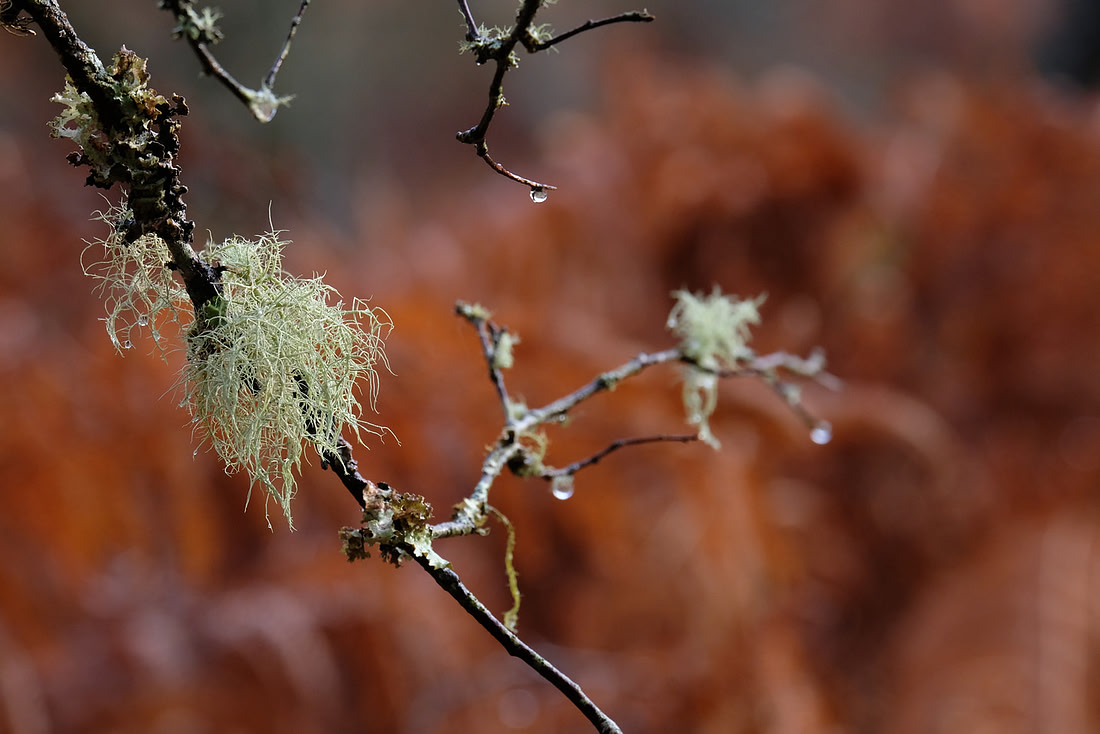
In the oakwoods of Sunart and Ariundle, air is thick with life. Lichens drape the branches like tattered banners, their presence a testament to purity, for these organisms perish where pollution taints the wind. Mosses sponge the trunks, and filigrees of fern unfurl in the dim green light. Here, air is not empty but laden—with spores, scents, and the quiet industry of photosynthesis. It is the breath that feeds the forest, the unseen partner in every act of growth.
Fauna too are shaped by this element. Golden eagles ride thermals above the ridges, their pinions feeling the subtle tremors of wind. Dragonflies patrol the margins of peat pools, their gossamer wings calibrated to the slightest breeze. Even the otter slipping through kelp forests owes its hunting rhythm to the weather, for storm and calm dictate the tides that govern its world.
Deep Time and Geological Breath
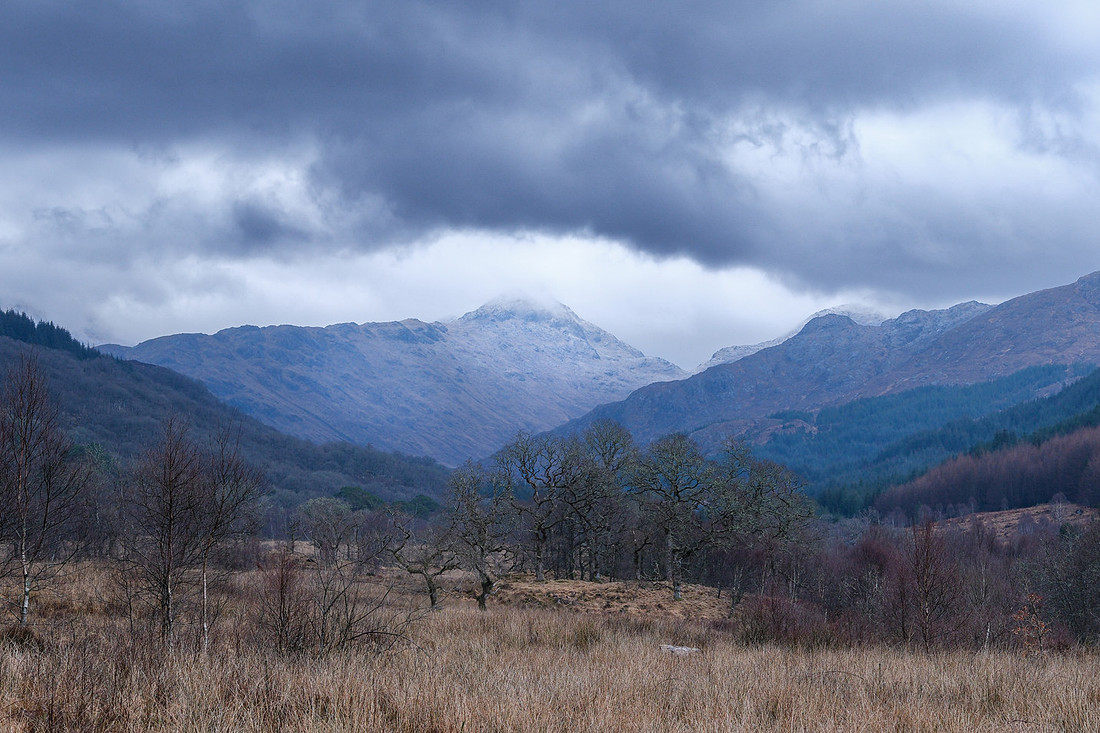
To understand Ardnamurchan’s air is to reckon with deep time. The peninsula’s bones were forged in fire—an ancient volcanic ring complex whose gabbro and basalt still shoulder the weight of sky (Geological Society, 2020). Later came ice, grinding its cold teeth across the land, gouging corries and striating rock. Wind was the accomplice of glacier, scouring debris, polishing surfaces, and carrying fine sediments far from their source.
Air is an archive. In its currents drift pollen grains that speak of vanished forests, spores that recall epochs of fern and fungus. The peat bogs, nourished by rain, are repositories of atmospheric memory, their layers recording shifts in climate across millennia. To stand on Ardnamurchan’s heights is to feel this continuity—the breath of today mingling with the breath of ages.
The Human Experience
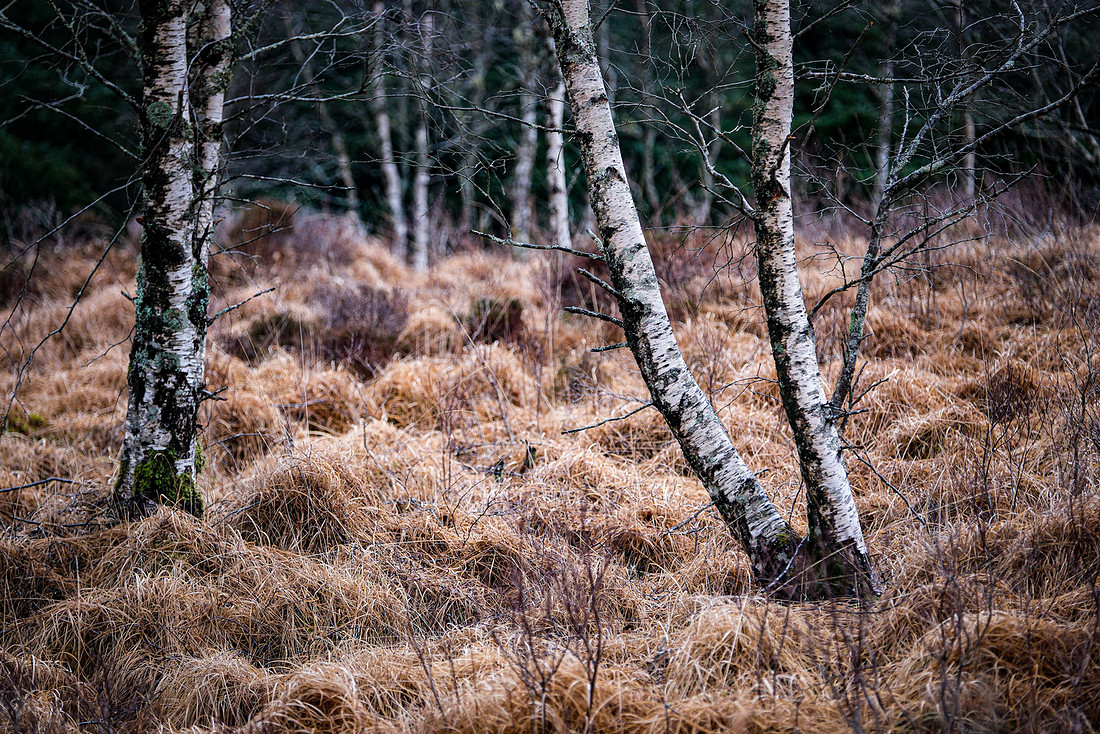
For those who have lived here, air has been both ally and adversary. Crofters timed their labours to the moods of wind and rain, knowing that a sudden gale could flatten oats or scatter drying hay. Fishermen read the sky as scripture, discerning omens in the colour of cloud or the angle of a squall. Even architecture bears the signature of air: low-slung cottages crouch against the wind, their walls thick, their roofs pitched to shed the weight of storm.
Clean air has long been a quiet blessing, its clarity shaping health and habit. Today, as climate change unsettles the old rhythms, this blessing feels precarious. The temperate rainforest, dependent on humidity and purity, is vulnerable to shifts in temperature and airborne pollutants. What will become of the lichens when the wind carries not salt and rain but the exhaust of distant cities? What will happen to the eagle’s thermals when the jet stream falters?
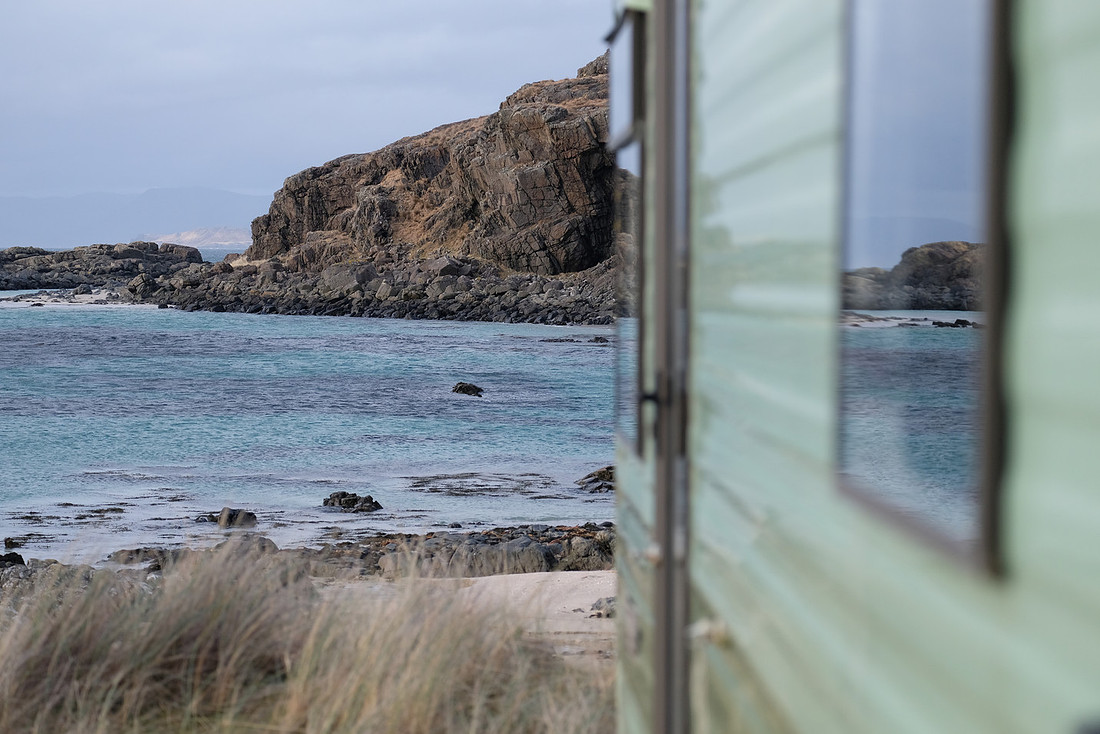
The Breath of the Edge
Stand at the lighthouse where the land runs out.
Feel the Atlantic wind unspool across your skin—
a thread drawn from the world’s wide loom.
It tastes of salt and distance,
of rain birthed in cloud-chambers beyond sight.
Above, the sky is a restless parliament of vapour,
arguing in tongues of light and shadow.
You breathe, and the peninsula breathes with you—
rock and forest, moor and tide—
all bound by this invisible element,
this ceaseless, shaping breath.
And you—what does the air of this place teach you about your own?
What will you carry on the wind, and what will you let it take away?
Bibliography
- Dwelly, E. (1911) Illustrated Gaelic-English Dictionary. Glasgow: Gairm Publications.
- Geological Society (2020) ‘Ardnamurchan Ring Complex’, Geology of Scotland. Available at: https://www.geolsoc.org.uk
- Forestry Commission Scotland (2018) ‘Atlantic Oakwoods and Temperate Rainforest’. Available at: https://forestryandland.gov.scot
- West Highland Peninsulas (2023) ‘Geography and Climate of Ardnamurchan’. Available at: https://www.westhighlandpeninsulas.com
- Woodland Trust (2022) ‘Rainforests of Scotland’. Available at: https://www.woodlandtrust.org.uk