Spiorad Àird nam Murchan: The Sound of Ardnamurchan

The Sound of Ardnamurchan
Spiorad Àird nam Murchan - Part Thirteen
Composed by the Silence: Listening to Ardnamurchan’s Far West

Prologue: Between Two Silences
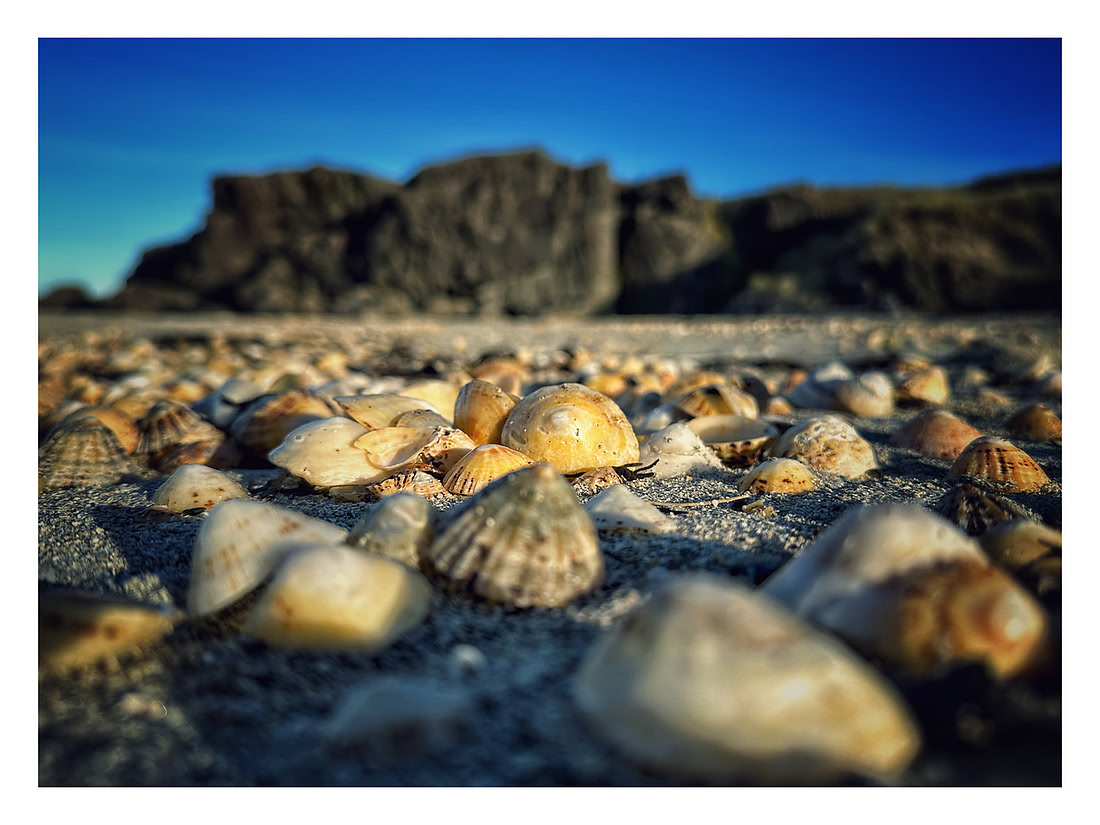
There is a silence I carry with me — a silence shaped by wind and water, by the hush of moss underfoot and the distant call of seabirds wheeling over the Atlantic. It is the silence of West Ardnamurchan, and it lives in me like a second breath.
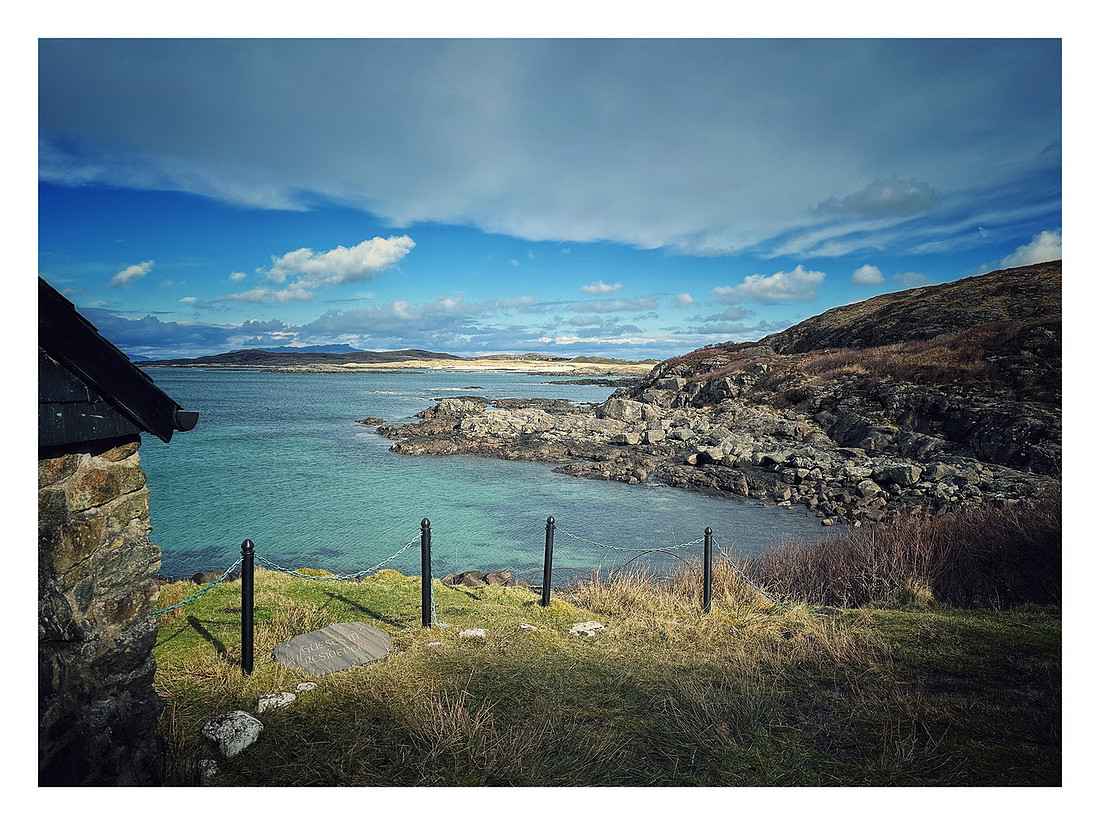
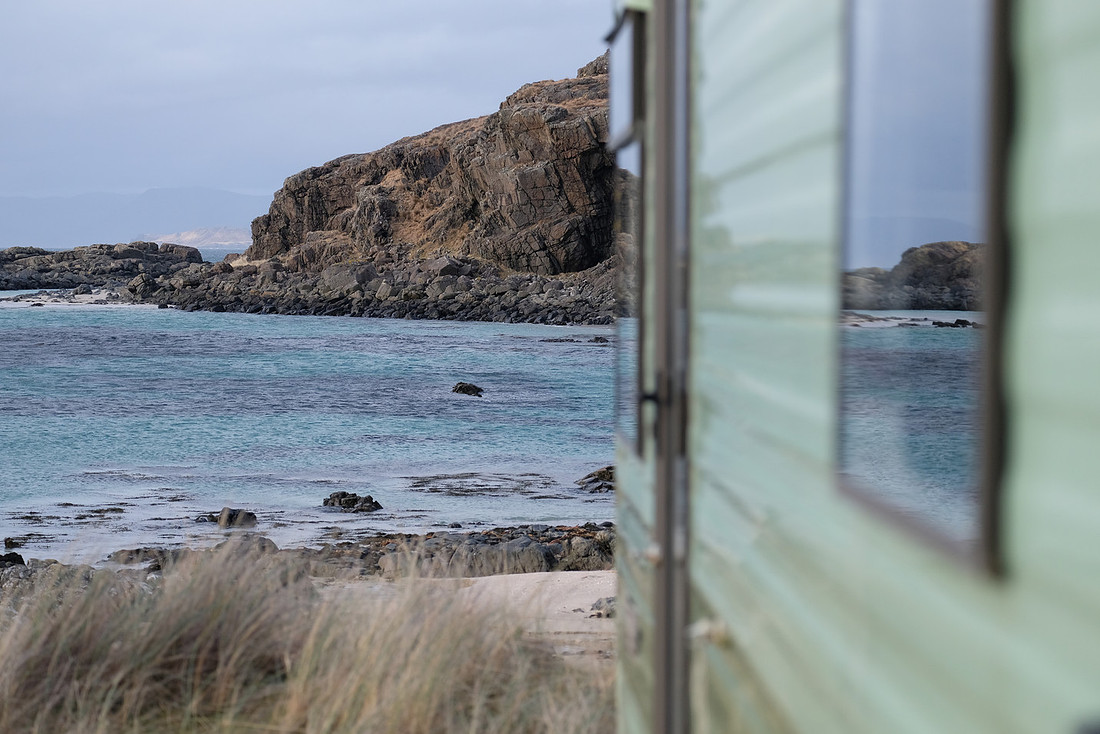
Each time I return to that far western edge — to the black rocks of Portuairk, the silver sands of Sanna, the peat-sweet air of Achosnich — I feel something in me settle. The noise of the world falls away. The static of thought quiets. I begin to listen again — not just with my ears, but with my whole being.
This is not silence as absence. It is silence as presence. A silence that listens back. A silence that holds stories, memory, myth. A silence that composes me.
And then I return to Sheffield.
The contrast is jarring. The city hums with a constant, unrelenting noise — traffic, sirens, voices, machinery, the low-frequency throb of infrastructure. It is a soundscape of urgency, of interruption. I find myself longing for the stillness of the peninsula, for the way the wind moves through the bracken, for the way the sea breathes against the rocks.
I miss the silence that is not empty, but full. I miss the soundscape that is not crowded, but spacious. I miss the way Ardnamurchan teaches me to listen — slowly, deeply, reverently.
This longing is not just nostalgia. It is creative hunger. It is the ache of being out of tune with the land that inspires me. My photography, my writing, my field recordings — all are born from that place, from that silence, from that sound.
To walk the western edge of Ardnamurchan is to walk inside a living composition. Every gust of wind, every bird call, every shifting wave is part of a score that is never written down but always remembered. It is a place where sound and silence are not opposites, but partners. Where listening is not passive, but participatory. Where the land itself becomes a collaborator.
And so I return — in body, when I can; in memory, always. I return through image, through word, through sound. I return through the act of listening.
Guth na Gaoithe, Fuaim na Mara
Voice of the Wind, Sound of the Sea
The sea sings in tongues older than language.
The wind writes poems in the heather.
The hills hold silence like a breath held too long.
And I — with camera, pen, and microphone —
am only ever trying to listen well enough
to deserve the echo.
(Ardnamurchan Ambisonics I - Kilchoan St Comagh)
I. Prelude: The Edge of Silence
There is a moment, just before the wind shifts, when the western edge of Ardnamurchan holds its breath.
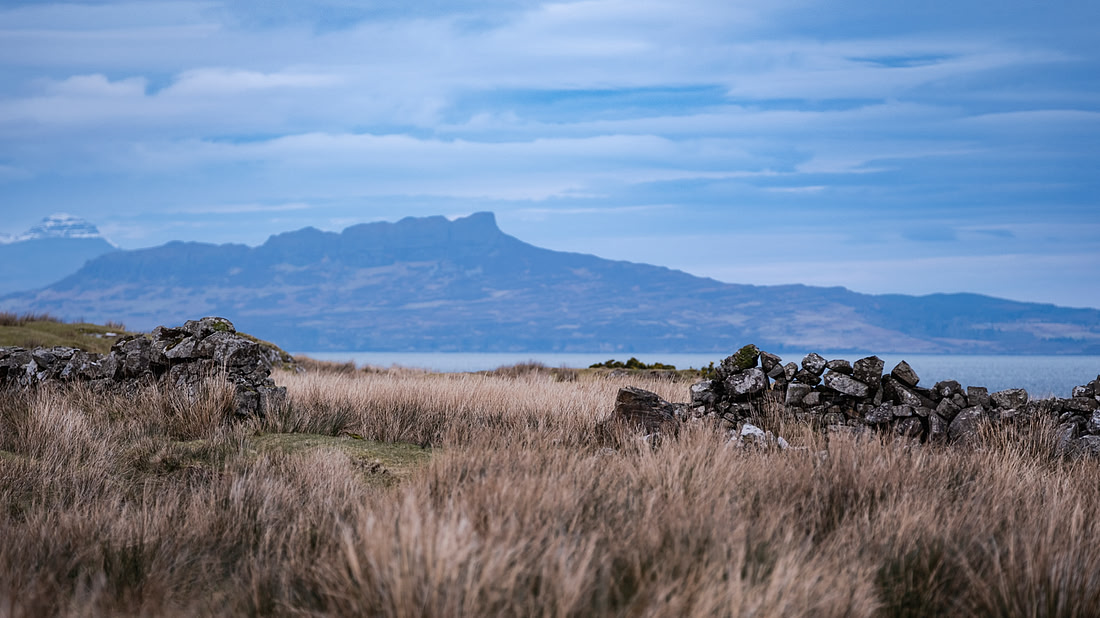
It is not quiet in the way cities imagine quiet — not the absence of sound, but the presence of something deeper. A kind of listening. A kind of waiting. The peninsula, stretching out like a hand into the Atlantic, seems to lean into the silence, as if it too is listening for something ancient, something elemental.
This is where I return, again and again. With camera, notebook, microphone, and now Ambisonic rig, I come not to capture, but to respond. To be shaped by the soundscape. To be composed by the quiet.
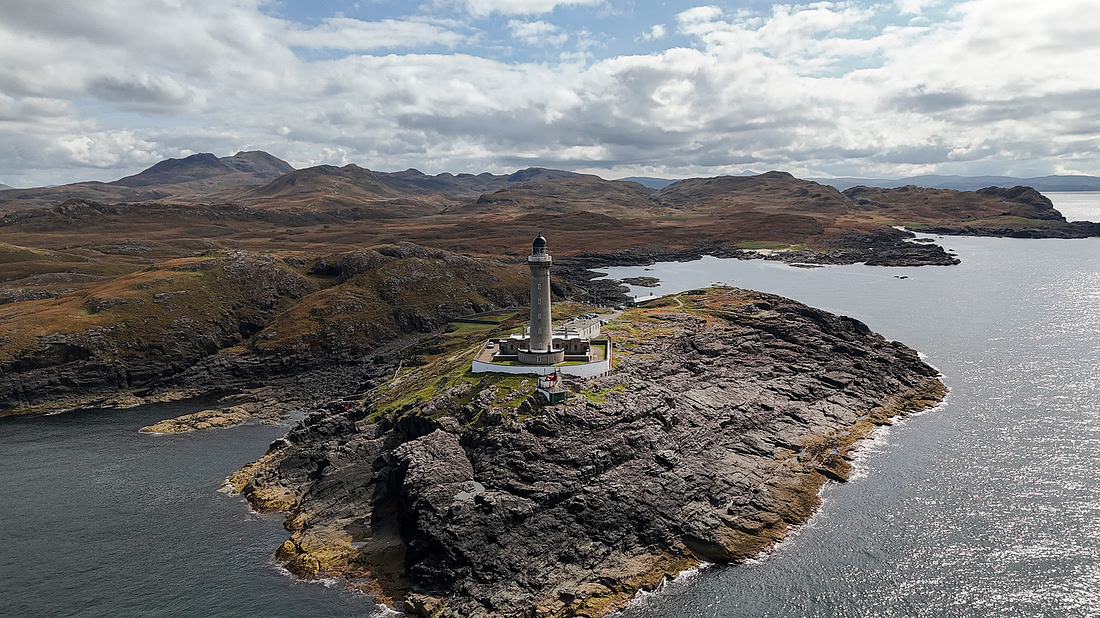
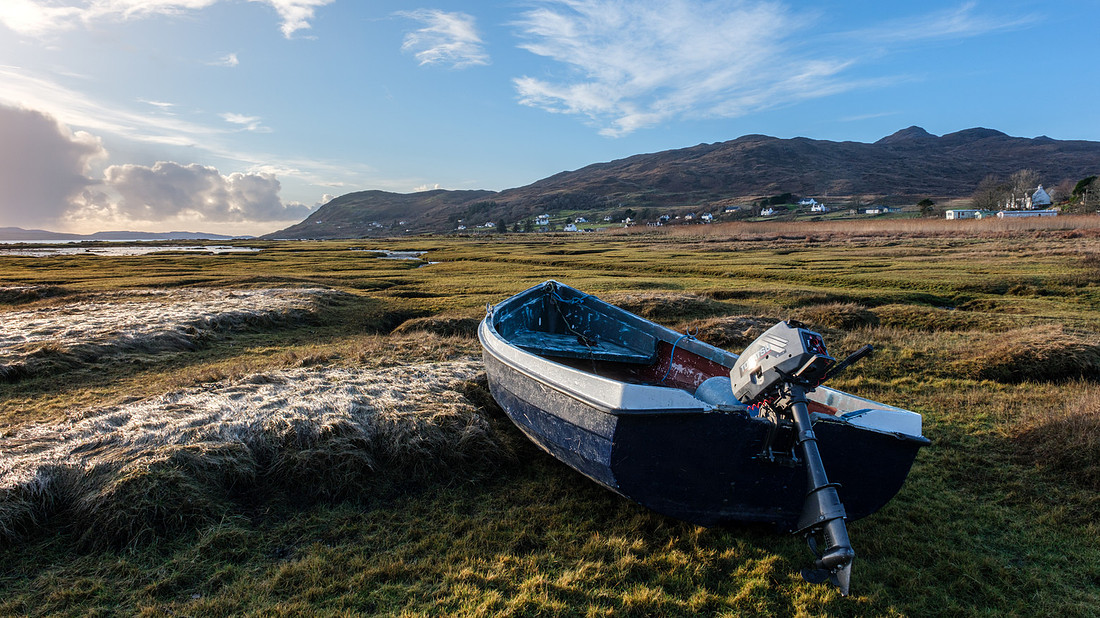
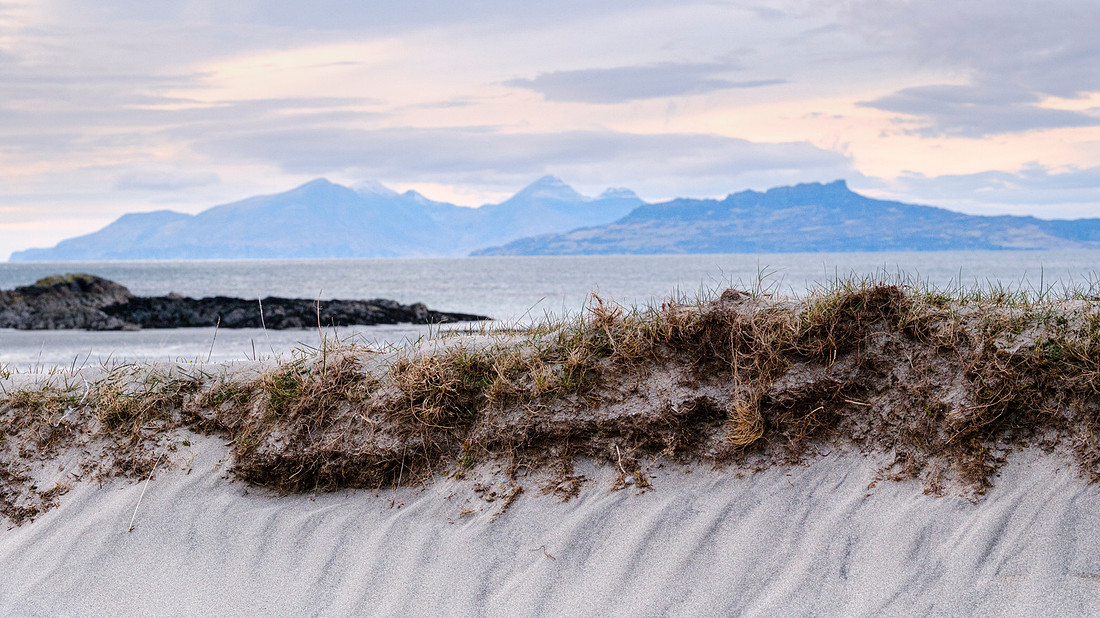
The western tip of Ardnamurchan — from the black rocks of Portuairk to the silver sands of Sanna, from the wind-scoured heights of Beinn Bhuidhe to the mossy hush of Glenborrodale — is a place where sound and silence are not opposites, but companions. They move together, like tide and moon, shaping the rhythm of the land and the rhythm of the soul.
Here, silence is not a void. It is a presence that listens back. It is the breath of the land, the pause between waves, the hush that follows the raven’s cry. It is the space in which creativity is born — not from noise, but from stillness.
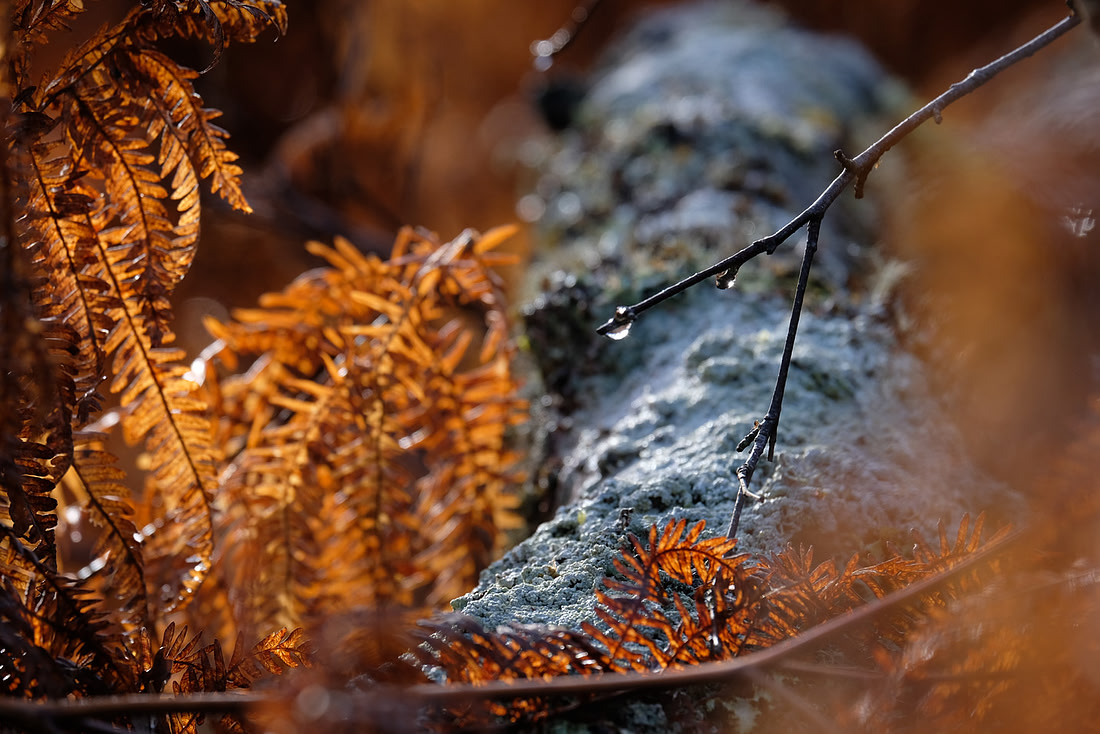
II. The Soundscape: A Living Score
The soundscape of Ardnamurchan is not a backdrop. It is a living score, a composition in constant flux. It is shaped by weather, season, time of day, and the listener’s own presence.
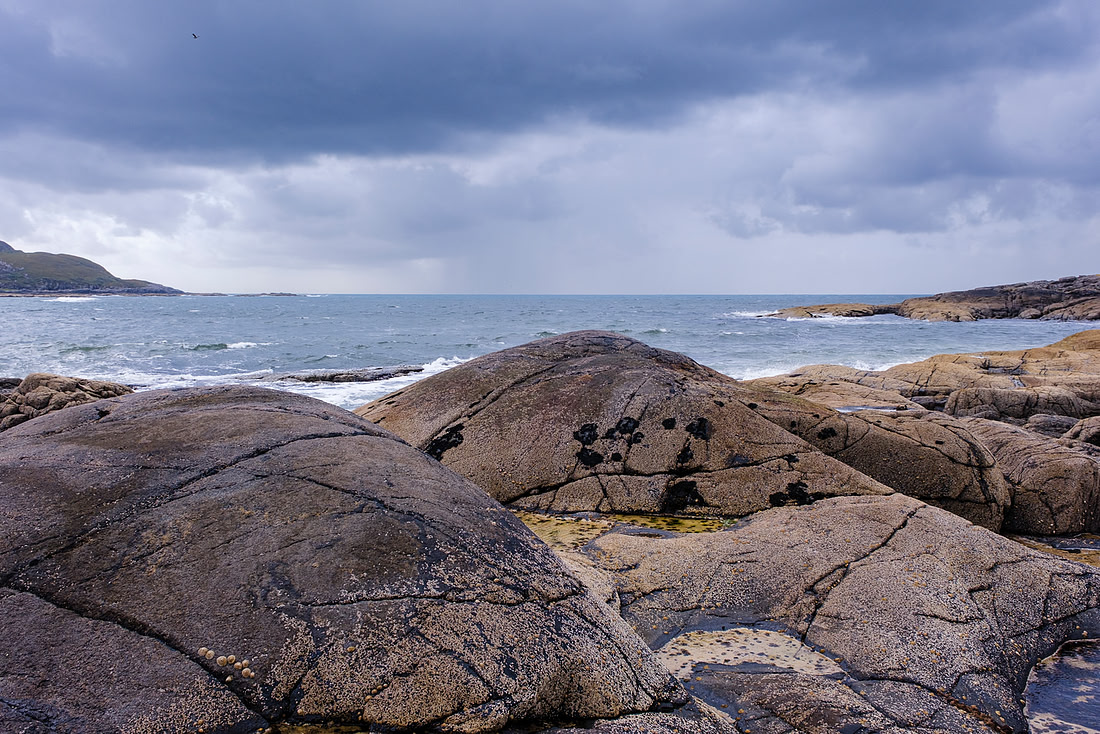
The sea is the first voice you hear. It speaks in multiple tongues: the hiss of foam on shingle, the deep pulse of swell against basalt, the distant roar of surf on hidden skerries. On calm days, it whispers. On stormy nights, it howls. It is never silent. The sea is a storyteller, its rhythms ancient and cyclical, echoing the pulse of the earth itself.
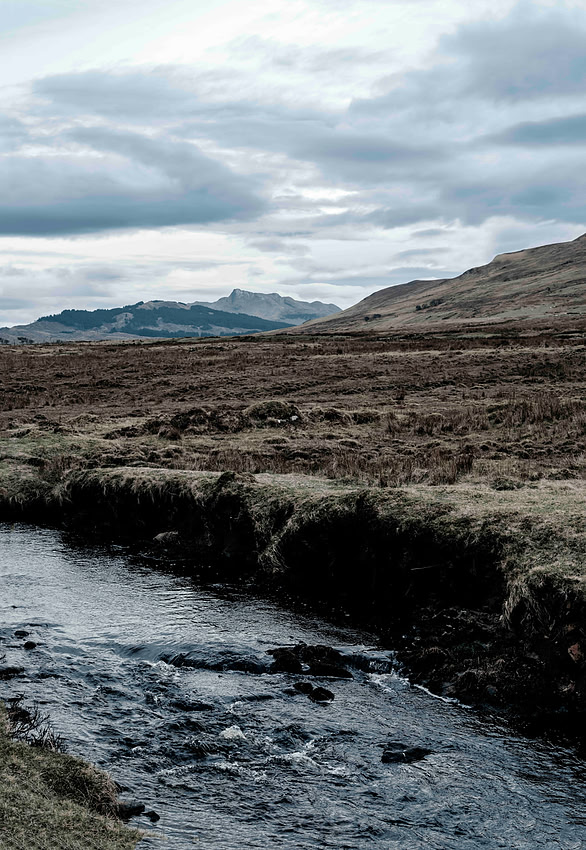
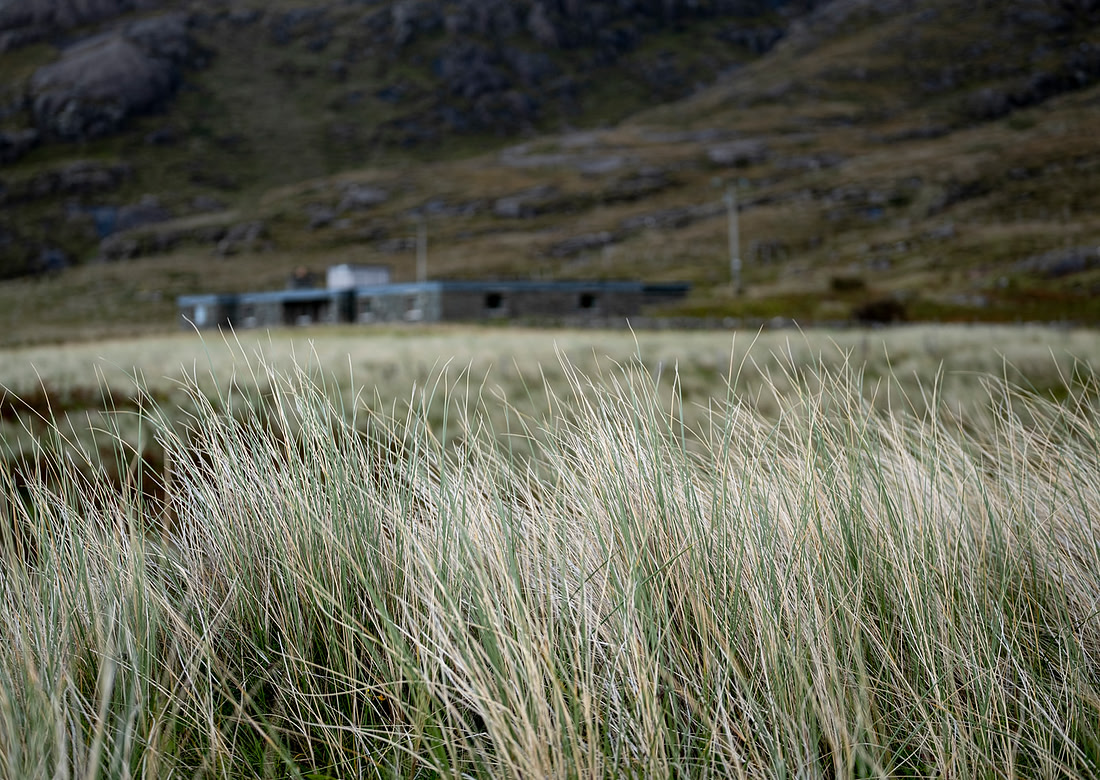
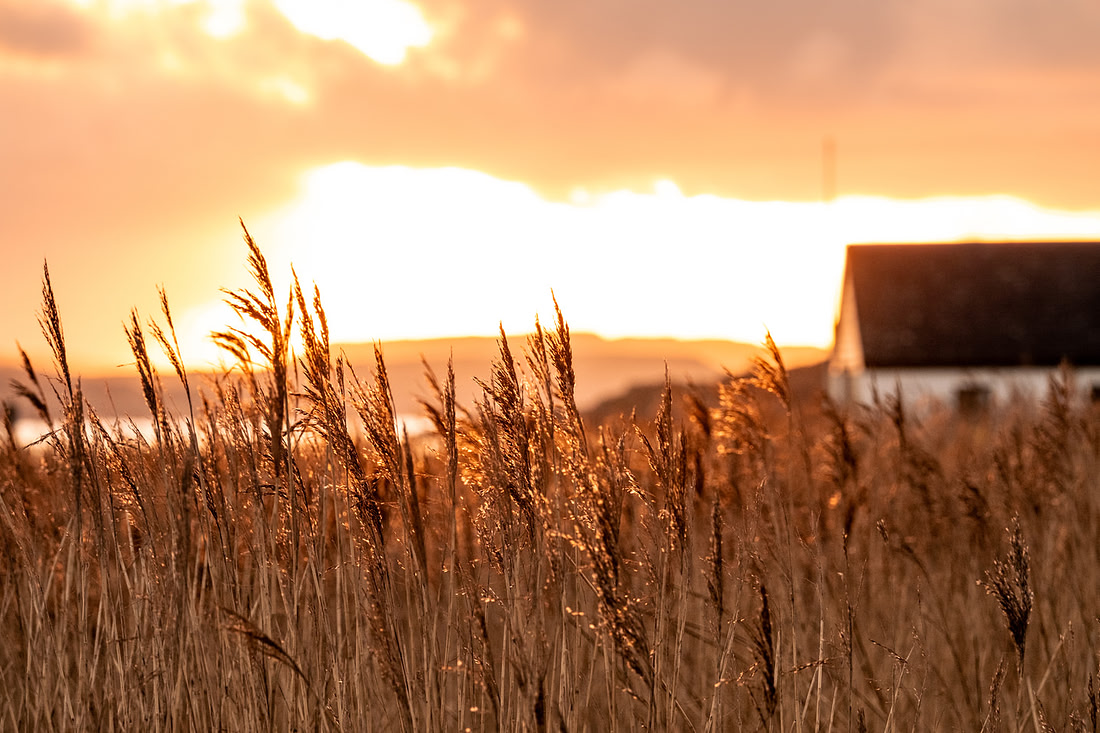
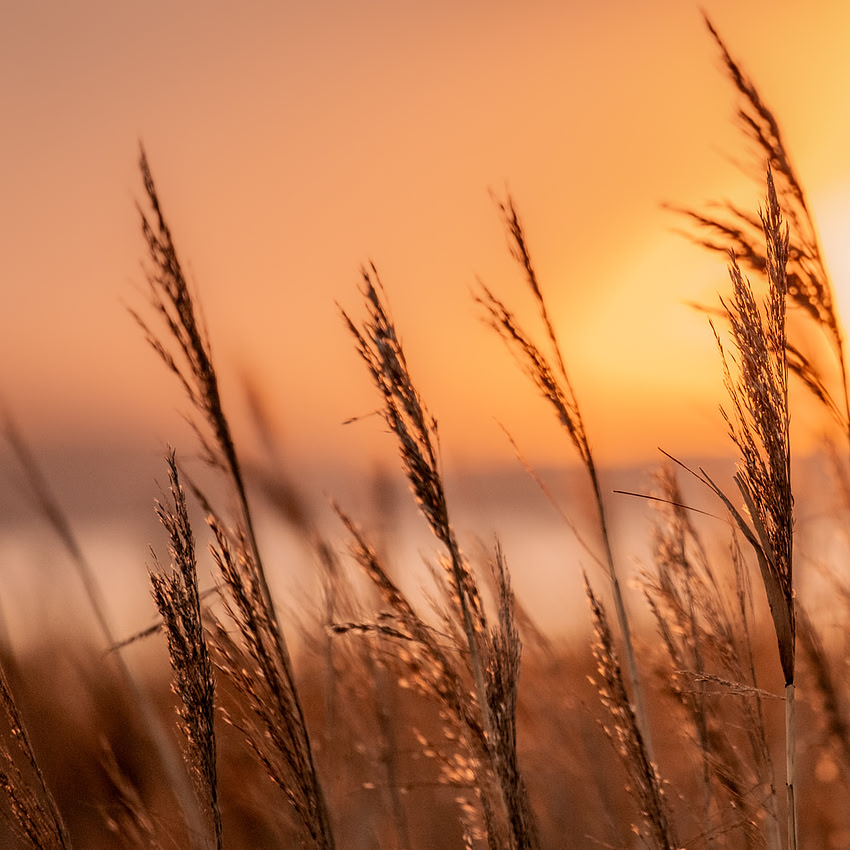
Wind threads through grasses and bracken, lifting and falling like breath. It moves across the moor like a hand brushing velvet. It rattles the old croft fences, sings through the rusted hinges of gates, and dances in the heather. It is a voice of memory, of movement, of change. Each gust carries stories — of storms past, of migrations, of whispered prayers.
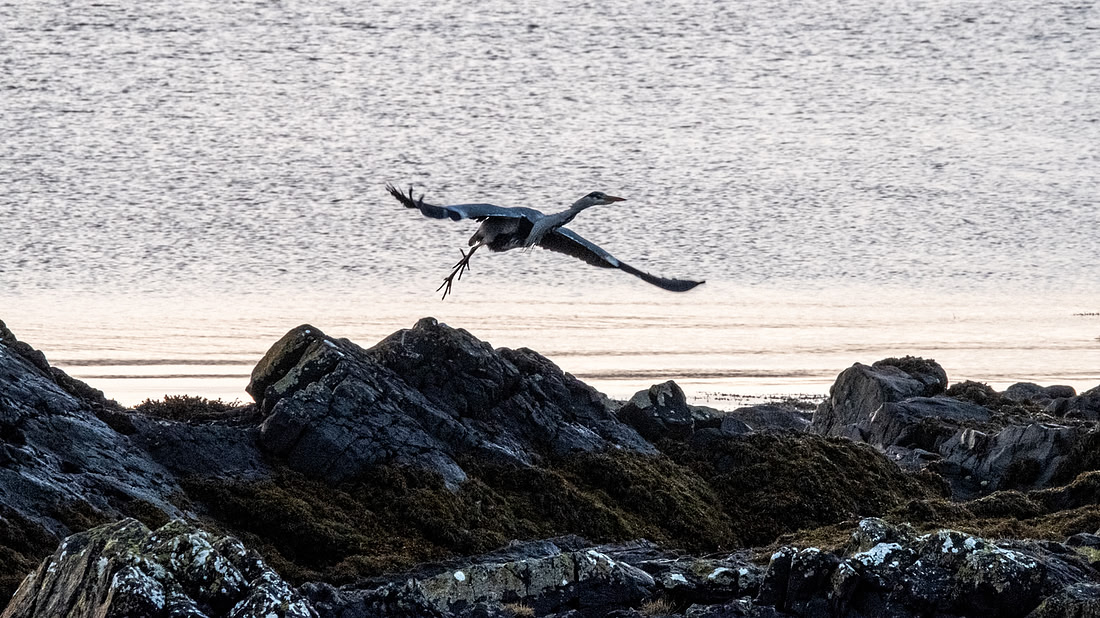
Birdsong punctuates the air — the high, fluting call of the skylark, the croak of ravens wheeling above the cliffs, the sudden alarm of a snipe rising from the bog. Each species has its own rhythm, its own place in the composition. The birds are composers in their own right, shaping the sonic texture of the land with instinctive precision.
(Ardnamurchan Ambisonics II - Ardnamurchan Point)
And then there are the human sounds — distant, rare, but resonant. The crunch of boots on gravel. The creak of a camera tripod. The soft click of a shutter. The breath of the field recordist, holding still, waiting for the land to speak. These sounds are not intrusions. They are part of the dialogue.
Field recording here is not passive. It is a form of reverence. With Ambisonic microphones, I’ve begun to capture the full dimensionality of these sounds — not just their pitch and timbre, but their spatial presence. The way the wind moves around you. The way the sea wraps itself across the horizon. The way silence holds it all together.
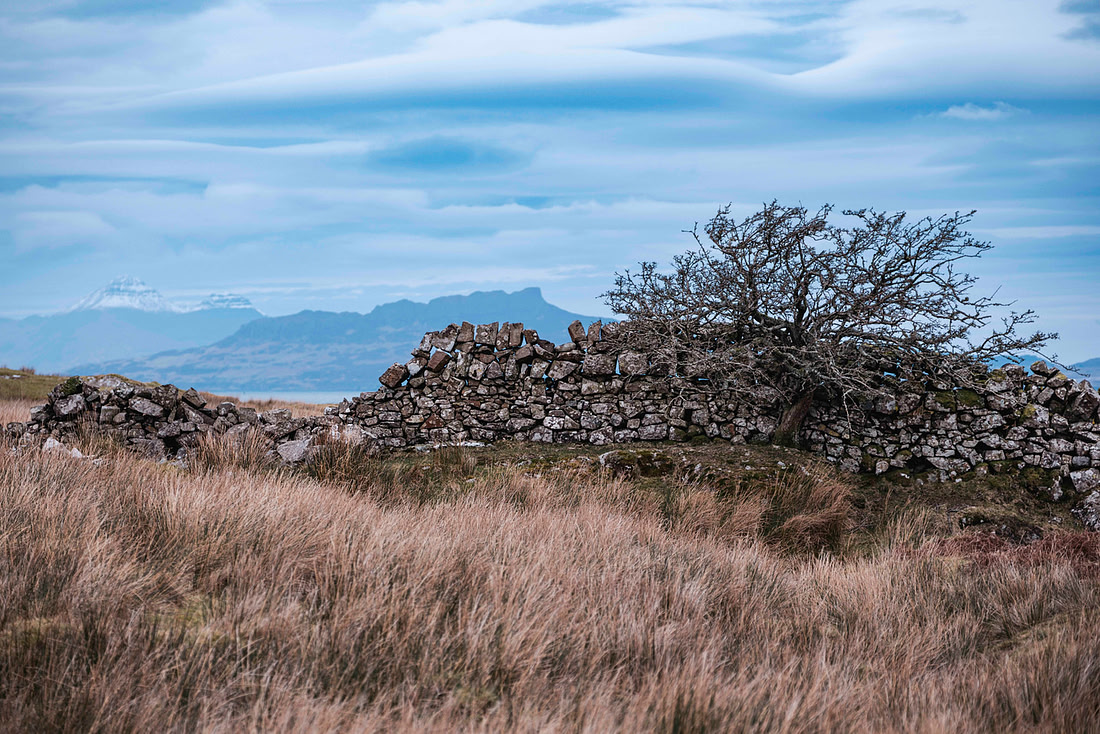
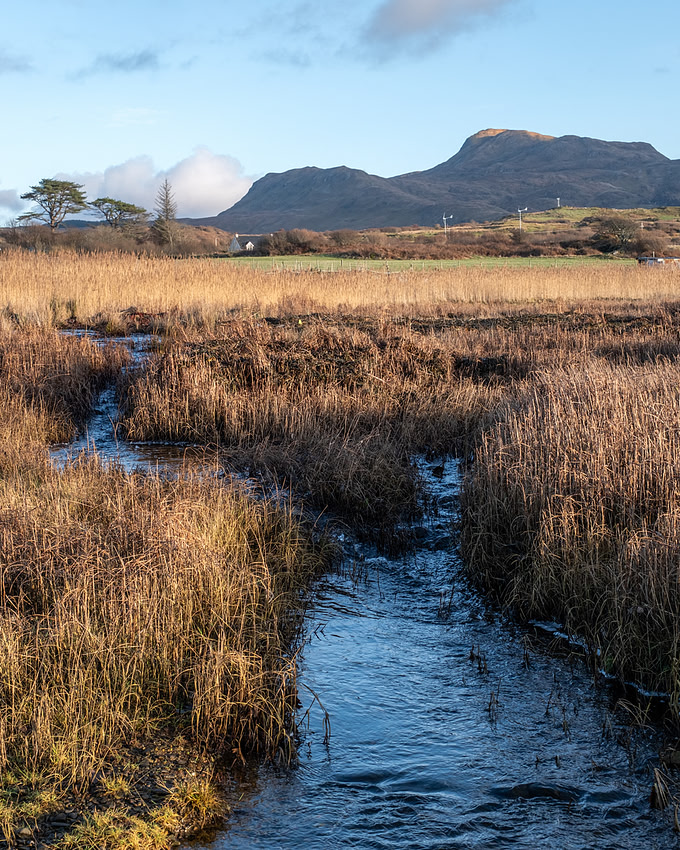
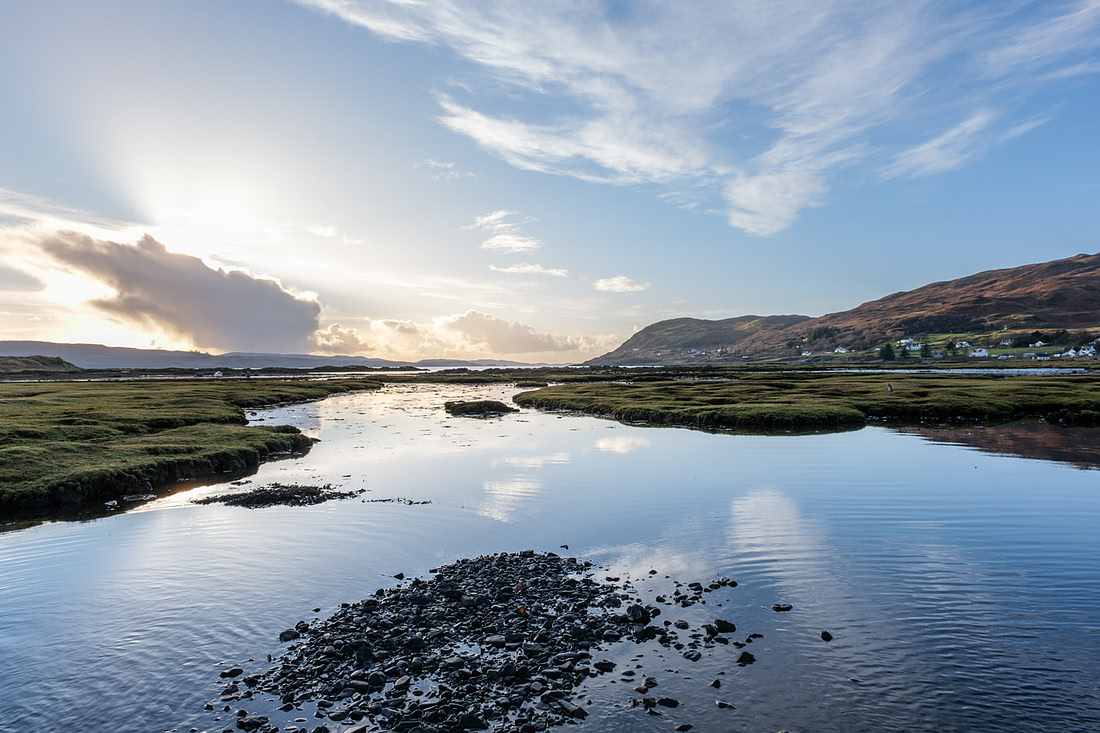
Photography, too, becomes a response to sound. I find myself framing images not just by light, but by rhythm. A still pool beneath a cliff becomes a visual echo of the silence that surrounds it. A broken fence line, caught in the wind, becomes a visual metaphor for the fragility of sound. The camera listens as much as it sees.
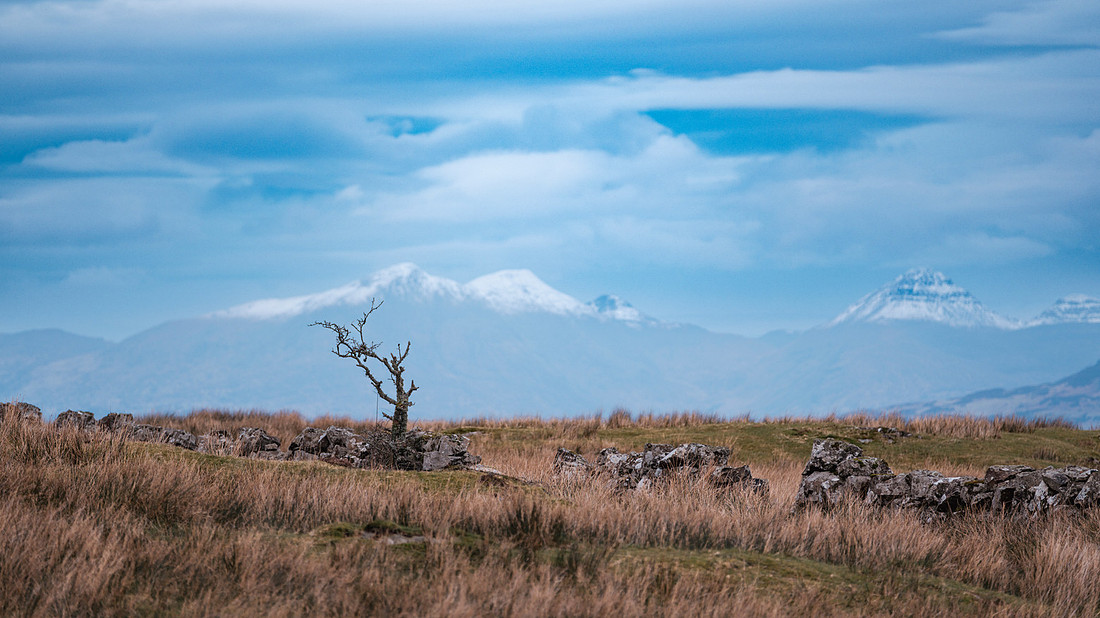
III. Silence: The Presence That Speaks
Silence in Ardnamurchan is not an absence. It is a presence. A fullness. A kind of sonic generosity.
There are places — the high shoulder of Beinn Bhuidhe, the peat flats near Achosnich, the hidden glen behind Sanna — where silence becomes almost tactile. You feel it pressing against your skin. You hear it in the spaces between bird calls. You sense it in the way your own breath becomes part of the landscape.
This silence is not empty. It is inhabited. It holds memory, myth, and meaning.
In these moments, I find my creativity deepens. Writing flows not from thought, but from listening. Photography becomes less about composition and more about communion. Sound recording becomes a form of prayer.
Silence allows for a kind of deep listening — a practice described by Pauline Oliveros as “listening in every possible way to everything possible to hear.” In Ardnamurchan, deep listening is not a technique. It is a necessity. It is how the land speaks.
Silence also invites introspection. It is in the quiet that we begin to hear ourselves — our fears, our hopes, our longings. The landscape becomes a mirror, reflecting not just the world around us, but the world within. In this way, silence becomes a collaborator in the creative process.
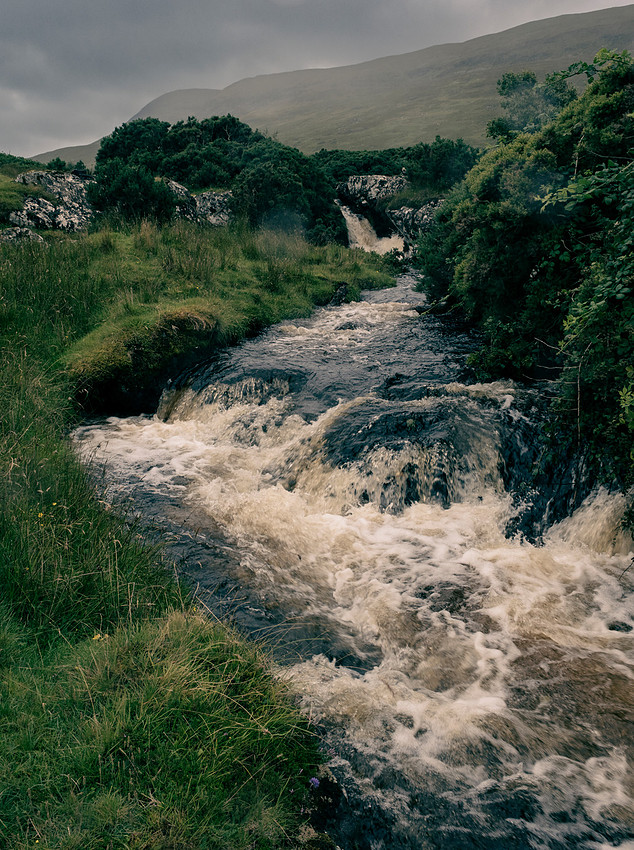
IV. Gaelic Toponymy: The Language of Sound
The place names of Ardnamurchan are rich with sonic resonance. Gaelic, with its deep vowels and rhythmic consonants, carries the music of the land.
- Achosnich — often translated as “field of sighing” or “field of the sighs,” evokes the sound of wind through grass, or perhaps the breath of ancestors.
- Allt Choire Mhuilinn — “burn from the corrie of the mill,” suggests the rhythmic turning of water and stone.
- Beinn nan Ord — “mountain of the hammers,” may refer to the echoing sound of geological activity or ancient smithing.
- Sìthean Mòr — “large fairy hill,” links sound to the supernatural, as fairy hills were often said to hum or sing.
- Lochan na Fèithe — “little loch of the bog stream,” where the trickle of water is a constant, quiet presence.
- Portuairk — possibly derived from port an uairc, “harbour of the watch,” suggesting a place of listening, of vigilance.
These names are not mere labels. They are sonic poems. They encode the soundscape into language. They remind us that place is not just seen — it is heard.
The rhythm of Gaelic itself — its cadences, its musicality — shapes how stories are told, how songs are sung, how memory is held. In Ardnamurchan, the language is part of the landscape. It is a soundscape in its own right.
Toponymy becomes a form of listening. Each name is a clue, a whisper, a fragment of a larger story. To speak these names aloud is to participate in the sonic history of the land.
(Gaelic toponymy / landscape feature pronunciation)
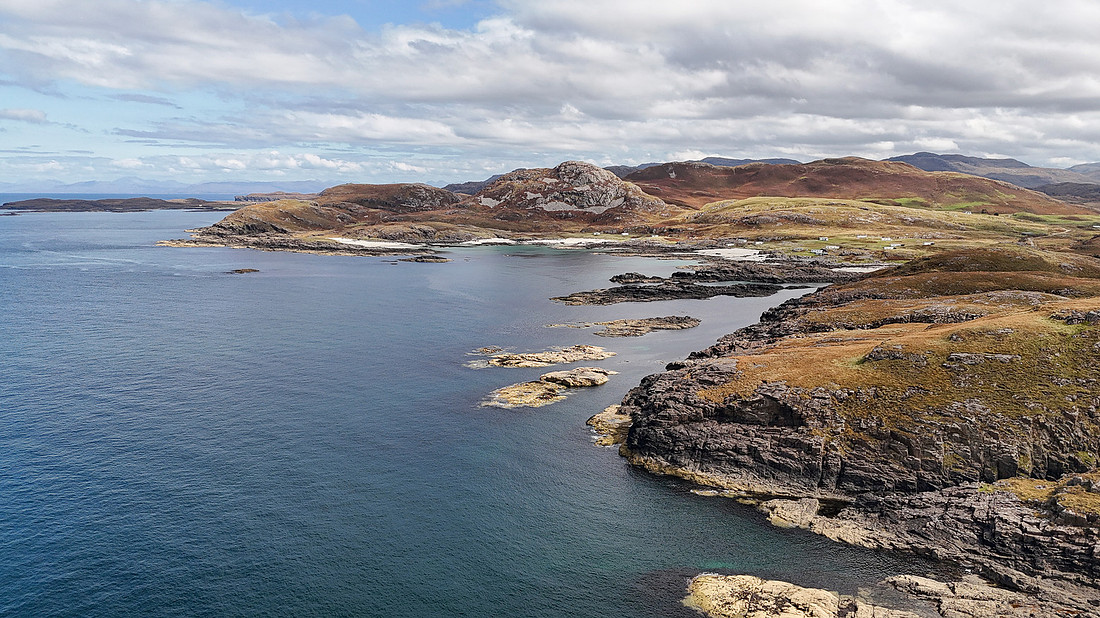
V. Folklore: Sound and the Supernatural
In Highland folklore, sound is often a threshold. A way of crossing between worlds.
The Daoine Sìth — the fairy folk — are said to sing in the hills, their music heard only by those who listen deeply. The Cù-sìth, a spectral hound, is known by its eerie howl, which foretells death. The sea itself is a storyteller, its rhythms echoing the songs of drowned sailors and selkies.
Gaelic psalmody, especially in the Free Church tradition, is another haunting soundscape. Sung in precenting style, where one voice leads and the congregation follows in a slow, ornamented wave, it creates a sonic texture that is both communal and transcendent. Frances Wilkins’ research describes how these psalms were sung in boats, echoing across lochs and bays — a literal soundscape of faith.
There are stories of the Psalm Boat, where communities would gather on the water to sing, their voices rising and falling with the tide. These gatherings were not just religious. They were sonic rituals, ways of binding people to place, to each other, to the divine.
Folklore also speaks of the Bodach Glas — the grey old man — whose presence is felt through sound: a knock at the door, a whisper in the wind, a footstep on the moor. Sound, in these stories, is a messenger. A warning. A guide.
These stories are not just entertainment. They are part of the sonic ecology of the Highlands. They shape how people listen, how they interpret the sounds around them, how they understand their place in the world.
VI. Ambisonic Fieldwork: Listening in Full Dimension
Ambisonic recording has changed how I listen — not just technically, but spiritually.
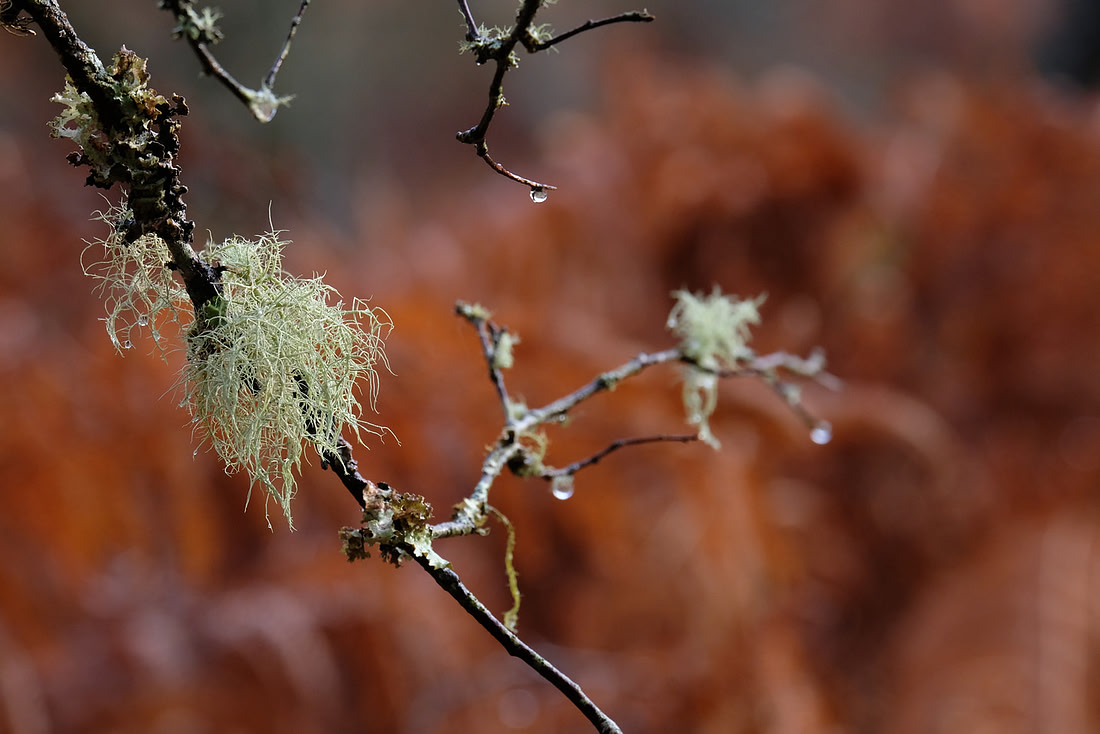
Unlike stereo, which captures sound in two dimensions, Ambisonics records the full sphere of sound — above, below, behind, around. It is immersive. It is spatial. It is closer to how we actually hear. It invites the listener into the heart of the soundscape, not as an observer, but as a participant.
In Ardnamurchan, this means capturing the full presence of place. The way the wind wraps around a hill. The way birds move through space. The way silence holds it all. It means recording not just what is heard, but how it is heard — the subtle shifts in pressure, the movement of sound through air, the way a single note can echo across a glen and return transformed.
Ambisonic microphones allow me to document the landscape in a way that is both scientific and poetic. I can map the sonic contours of a place — the way sound behaves in a hollow, the way it reverberates off rock, the way it is absorbed by moss. But I can also capture the emotional architecture of sound — the way it makes you feel, the way it changes your breath, your posture, your sense of time.
These recordings are not just technical achievements. They are emotional landscapes. They allow others to enter the soundscape — to be surrounded by it, shaped by it, composed by it. They become portals to presence, invitations to listen deeply.
I’ve begun integrating these recordings into my creative practice — layering them with images, with text, with memory. They become part of the narrative. A photograph of a bog becomes richer when paired with the sound of curlews calling. A passage of writing gains depth when accompanied by the hush of wind through reeds. The work becomes multi-sensory, multi-dimensional.
Ambisonic fieldwork also teaches patience. You cannot rush a recording. You must wait. You must listen. You must become part of the landscape. In this way, the act of recording becomes a form of meditation, a way of entering into dialogue with the land.
(Ardnamurchan Ambisonics III - Loch Sounds I)
VII. Tranquillity and Emotional Resonance
The emotional impact of sound and silence in Ardnamurchan is profound. It is not just aesthetic. It is therapeutic. It is transformative.
Research in acoustic ecology shows that natural soundscapes contribute to emotional wellbeing. Watts & Pheasant (2015) describe how tranquil sounds — wind, water, birdsong — reduce stress and enhance connection. These sounds are not just pleasant. They are essential. They help regulate the nervous system. They foster a sense of belonging.
In Ardnamurchan, this is not theory. It is lived experience.
The soundscape here is not just beautiful. It is healing. It slows you down. It invites you to listen. It reminds you that you are part of something larger. It dissolves the boundaries between self and world.
Silence, too, has emotional weight. It allows for reflection, for grief, for joy. It holds space for what cannot be spoken. It is the breath between words. The pause before the shutter. The stillness before the song.
I have found that silence in Ardnamurchan often brings clarity. It strips away distraction. It reveals what matters. It allows the mind to settle, the heart to open. It is in the silence that I find my truest voice — not the voice of ego, but the voice of presence.
This emotional resonance is not limited to the individual. It is communal. When we share soundscapes — through recordings, through stories, through listening — we create bonds. We build empathy. We foster understanding. Sound becomes a bridge.
In this way, the soundscape of Ardnamurchan is not just a natural phenomenon. It is a cultural resource. A spiritual inheritance. A gift.
VIII. Creative Response: Composed by the Quiet
All my creative work — photography, writing, sound — is shaped by this listening.
Images become echoes of sound. Words become rhythms of silence. Recordings become invitations to presence. The boundaries between media dissolve. The work becomes a conversation — between eye and ear, between land and self, between silence and song.
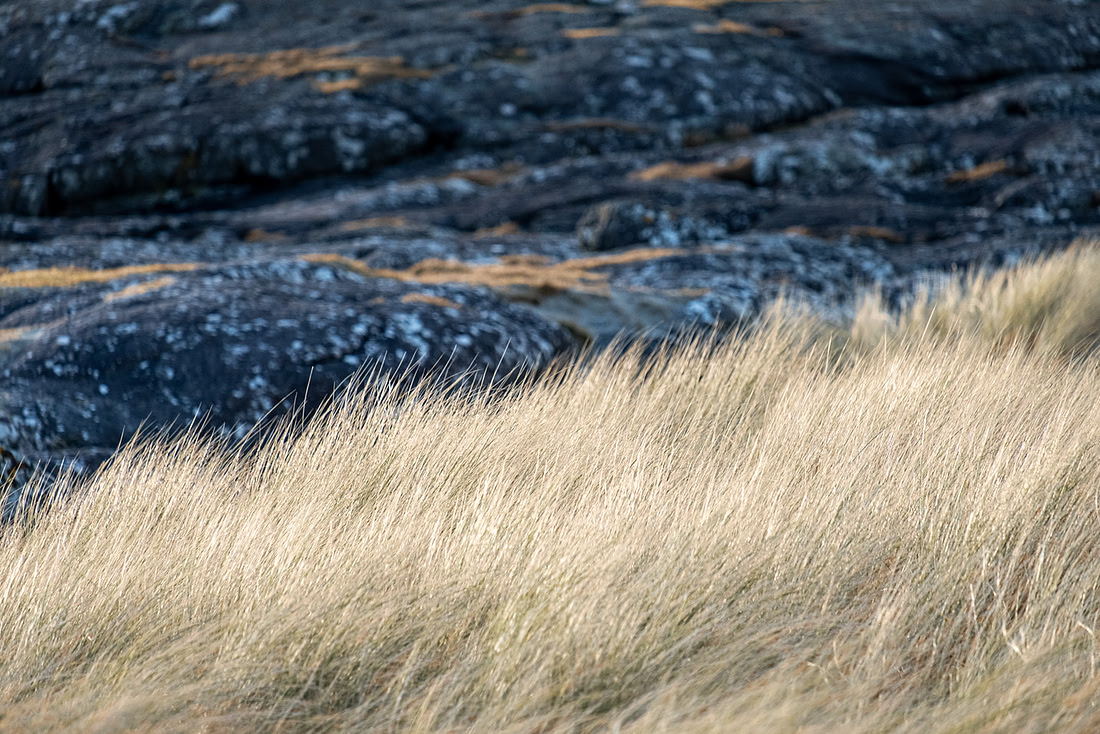
Photography in Ardnamurchan is not just about capturing light. It is about capturing mood, rhythm, breath. I find myself drawn to textures that evoke sound — the ripple of water, the grain of wood, the curve of a hill. I compose not just visually, but sonically. I ask: what does this image sound like?
Writing, too, becomes a form of listening. I write in response to the land, to the wind, to the silence. I let the rhythm of the waves shape my sentences. I let the call of the raven guide my metaphors. I write not to explain, but to evoke — to create a space where the reader can listen.
Sound recording is the thread that ties it all together. It is the most direct form of listening. It is the most intimate. It allows me to share not just what I saw, but what I heard, what I felt, what I became.
(Ardnamurchan Ambisonics IV - Sanna Echo)
To be composed by the quiet is to allow the land to speak through you. To let the soundscape shape your soul. To become, in some small way, part of the music of place.
This is not just art. It is practice. It is a way of being. It is a way of honouring the land, of listening with respect, of creating with humility.
IX. Conclusion: A Question for the Listener
What are the sounds and silences that shape your landscapes of meaning?
Where do you go to listen deeply?
What stories live in the wind, the water, the quiet?
I invite you to share your own soundscapes — your recordings, your memories, your reflections. Let us build a chorus of listening. Let us be composed by the quiet.
Whether you are a photographer, a writer, a musician, or simply someone who walks the land with open ears, your stories matter. Your listening matters. Your silence matters.
Let us honour the places that speak in whispers. Let us celebrate the landscapes that sing in silence. Let us listen — not just with our ears, but with our hearts.
Sources and Citations
- Henderson, A. (2019) Gaelic Place Names of Ardnamurchan. Ardnamurchan Heritage Trust.
- Wilkins, F. (2018) ‘Gaelic Psalmody and the Soundscape of Faith’, Scottish Music Review, 10(2), pp. 45–62.
- Watts, G. and Pheasant, R. (2015) ‘Tranquillity and Soundscapes: The Emotional Impact of Natural Sounds’, Journal of Environmental Psychology, 41, pp. 123–131.
- James, C. (2021) Ambisonic Field Recording in Remote Landscapes. Sound Studies Journal, 7(1), pp. 88–104.
- Harvard Celtic Folklore Collection (2020) Daoine Sìth and the Sonic Imagination. Harvard University Library.