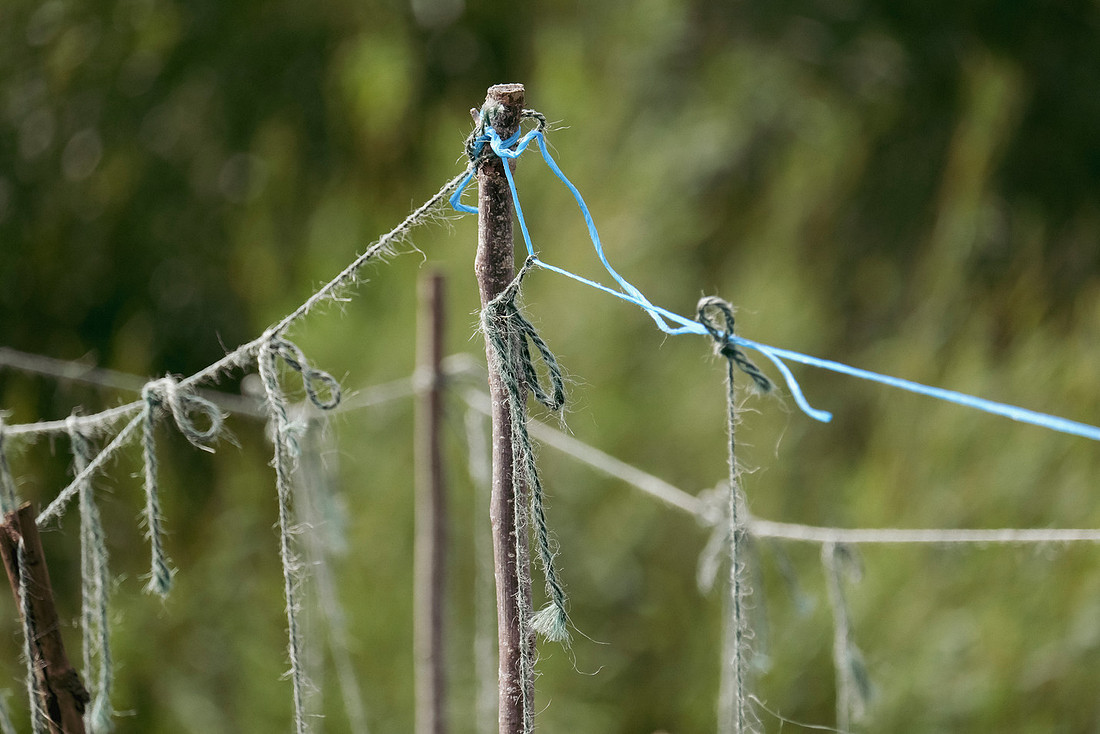
Spiorad Àird nam Murchan: The Living Tapestry of the West Ardnamurchan Community Gardens

Spiorad Àird nam Murchan: The Living Tapestry of the West Ardnamurchan Community Gardens

Introduction:
In the far reaches of Ardnamurchan, where the land meets the restless sea and the wind carries the scent of salt and peat, a quiet revolution has taken root. It is not the revolution of banners or battle cries, but of hands in soil, of seeds pressed into earth, of neighbours sharing the fruits of their labour. Here, in the West Ardnamurchan Community Gardens, sustainability is not a slogan but a lived reality, collaboration is the heartbeat of daily life, and community is both the soil and the harvest.
This essay is an ekphrastic celebration of the gardens—past, present, and future. It is a meditation on what it means to grow together, to sustain not just the land but each other, and to imagine new possibilities as the gardens prepare to move from their home at Sonachan to the heart of Kilchoan. It is also a personal reflection, shaped by my own time volunteering and photographing among these beds and borders, and by the voices of those who have made the gardens flourish.
I. The Roots: History and Place
The story of the West Ardnamurchan Community Garden begins, as all good stories do, with an act of generosity. In 2010, a local crofter at Sonachan offered a piece of land to the community. It was a gesture rooted in the traditions of Highland hospitality and mutual aid, and it set in motion a project that would come to define the spirit of this place.
The model was simple but radical: gardeners would be appointed to run the site, making all management and growing decisions, while local volunteers provided extra labour as needed. Winter maintenance of soil and buildings became a communal ritual, a way of marking the turning of the seasons and reaffirming the bonds between people and place.
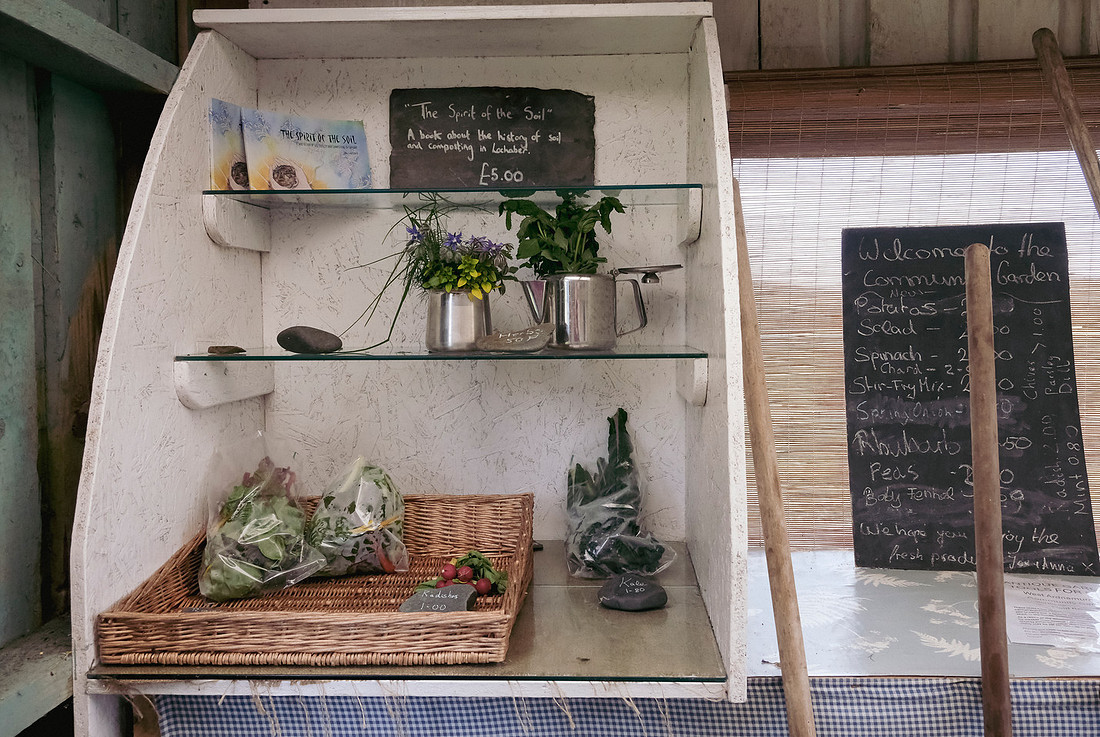
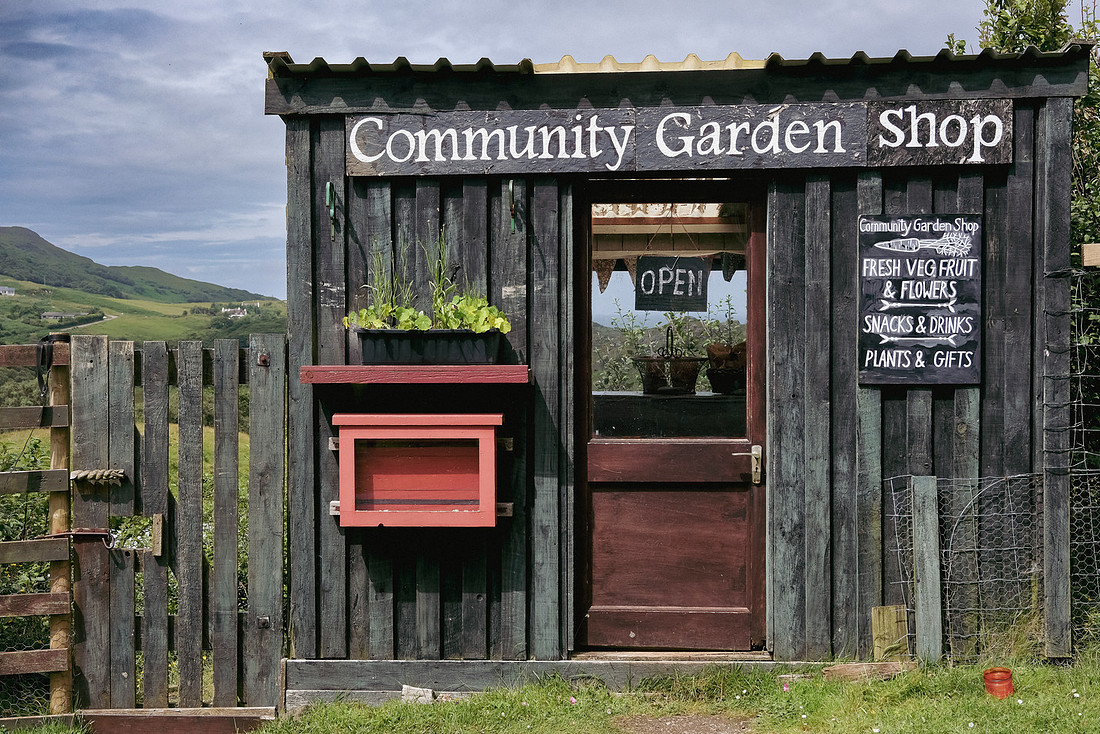
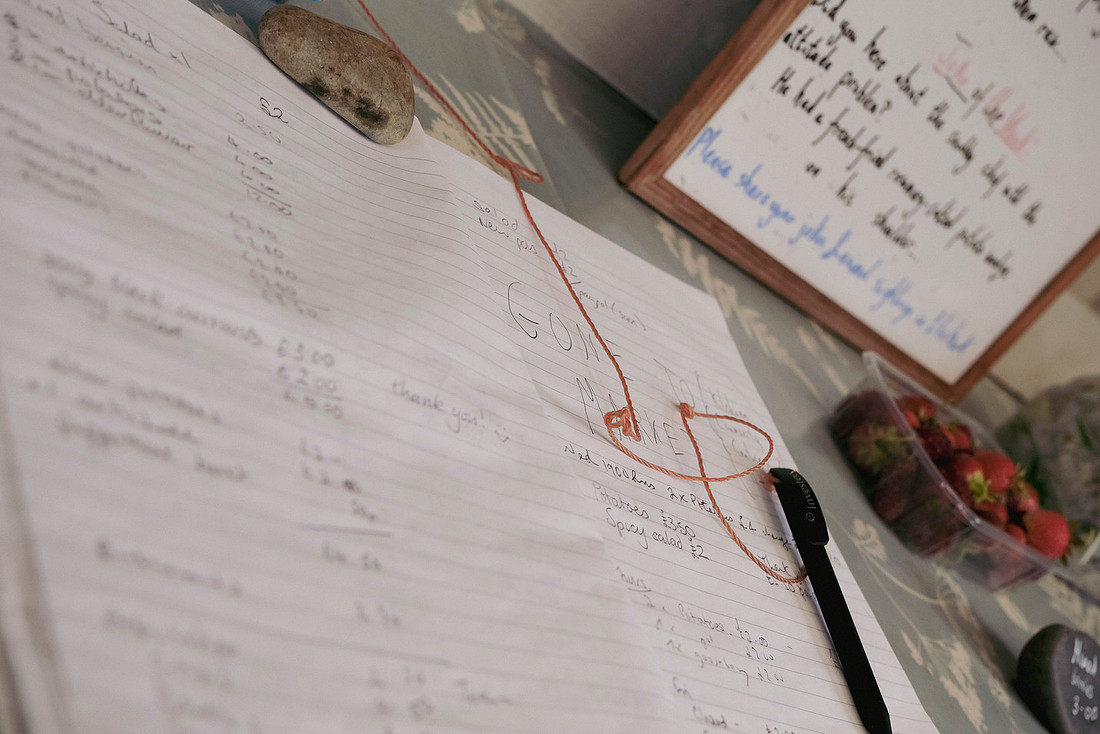
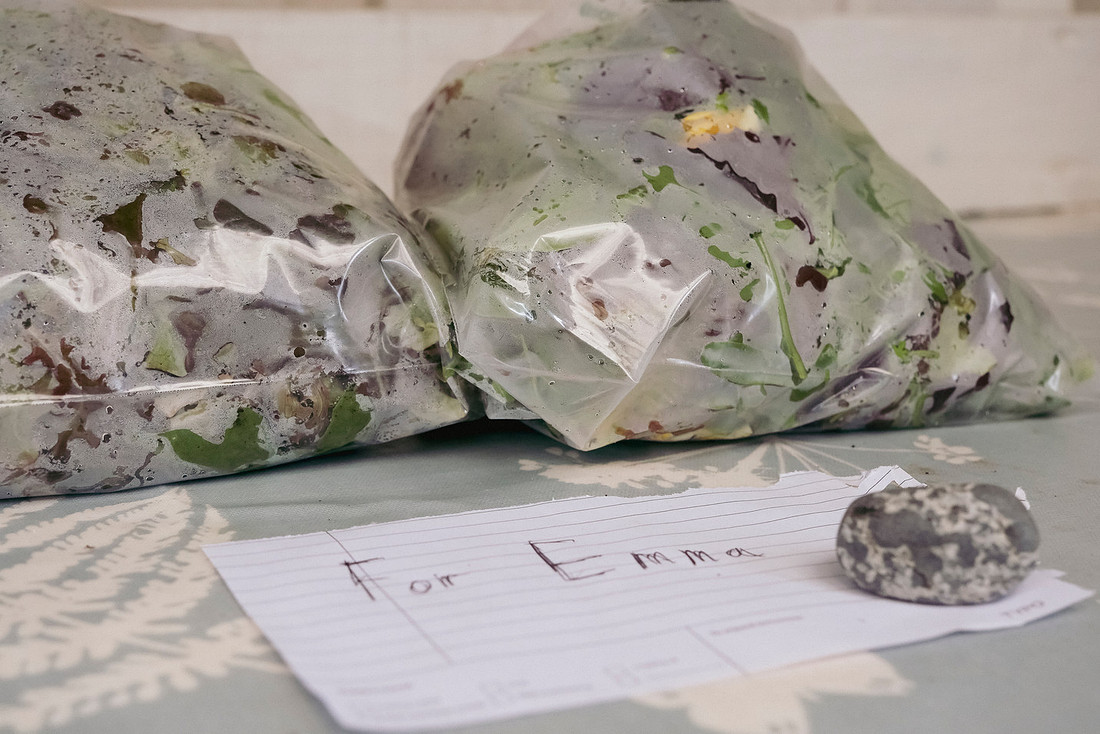
Over the years, thirteen gardeners have tended these plots, growing not just food but relationships. Their income has come from selling produce in the honesty shed, at the local producers’ market, in the village shop, and even to a fine dining restaurant. Weekly veg bags have found their way into kitchens across the peninsula, nourishing bodies and fostering a sense of shared abundance.
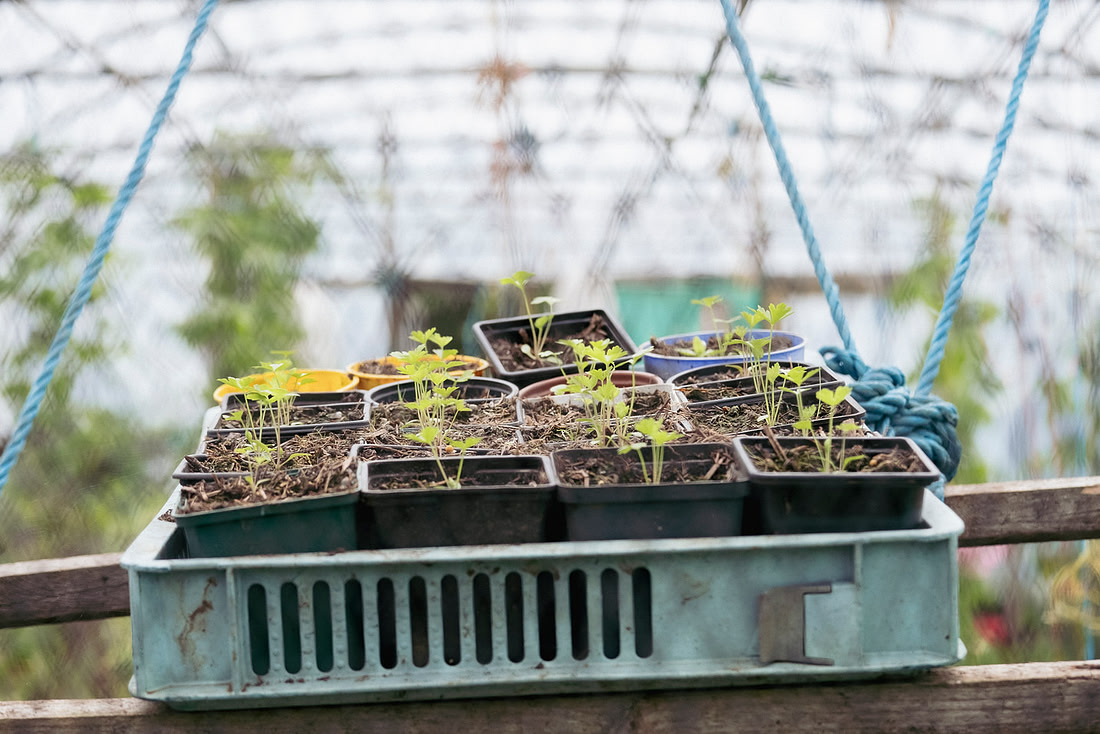
The crops themselves tell a story of adaptation and resilience: tomatoes, cucumbers, courgettes, herbs, chard, spinach, salad leaves, French beans, aubergines, kale, peas, potatoes, rhubarb, soft fruits, apples, pears, cherries. The gardens have followed organic principles, with seaweed and local manure enriching the soil, and most growers adopting the “no dig” method—a practice that honours the living structure of the earth and the delicate web of life beneath our feet.
But the true harvest has always been more than vegetables. Many gardeners have used their time here as a springboard, going on to establish their own growing businesses or find employment in the field. The garden has become a place of learning, of healing, of belonging.
II. The Canopy: Collaboration and Community
To walk through the community garden is to enter a living tapestry, woven from the threads of countless hands and hearts. The garden has never been the work of a single individual; it is the product of collaboration in its truest sense.
Volunteers have come from all walks of life—retirees and schoolchildren, newcomers and old-timers, those seeking solace and those seeking connection. The garden has partnered with the local primary school, the learning centre, and Lochaber Renewables, creating opportunities for wellbeing, sharing, and learning. Most recently, bee hives have been introduced, adding another layer of richness to the ecosystem and providing local honey for the community.
The garden has also been a site of celebration and remembrance. There have been harvest festivals and plant swaps, workshops and open days, moments of laughter and moments of quiet reflection. In a world that often feels fragmented and hurried, the garden offers a space to slow down, to notice the small miracles of growth and decay, to remember that we are part of something larger than ourselves.
The results of recent community consultations speak to the depth of this connection. Respondents overwhelmingly support the idea of developing a new community garden in Kilchoan, with many expressing a desire to be involved in setting up the site, volunteering, maintaining tools, keeping bees, and serving on the garden committee. There is a hunger not just for fresh produce, but for the sense of purpose and belonging that the garden provides.
As one respondent put it: “Having the garden closer to Kilchoan will make it more accessible.” Another wrote: “Would love the school to be involved in any way—some regular commitment during school terms would be ideal.” Others dream of growing flowers for cutting and selling, helping with children’s events, or simply enjoying the organic produce. The garden is not just a place; it is a possibility, a promise, a shared vision.
III. The Transplant: Moving to Kilchoan
2025 marks the end of an era. The garden at Sonachan will close, allowing the crofter to further develop the croft. But this is not a story of loss; it is a story of renewal.
Ardnamurchan Estates has generously offered land in the centre of Kilchoan for a new community garden. This move is more than a change of address; it is an opportunity to reimagine what the garden can be. The vision, developed by a group of dedicated volunteers, is clear:
“A garden in the centre of the community, accessible to all; offering opportunities for social connection, well-being and learning while providing fresh local produce.”
The aims are ambitious and inspiring:
- Community: Strong connections to other community resources—Community Centre, School, Church, and any future Community Shed.
- Accessibility: Involvement for all, including schoolchildren and parents, with benefits from local produce and volunteering.
- Health and Wellbeing: Social and therapeutic support, linked to GPs and Urram, and the health benefits of eating fresh, local food.
- Learning: Opportunities for all to develop skills in growing, bee keeping, site maintenance, and garden management.
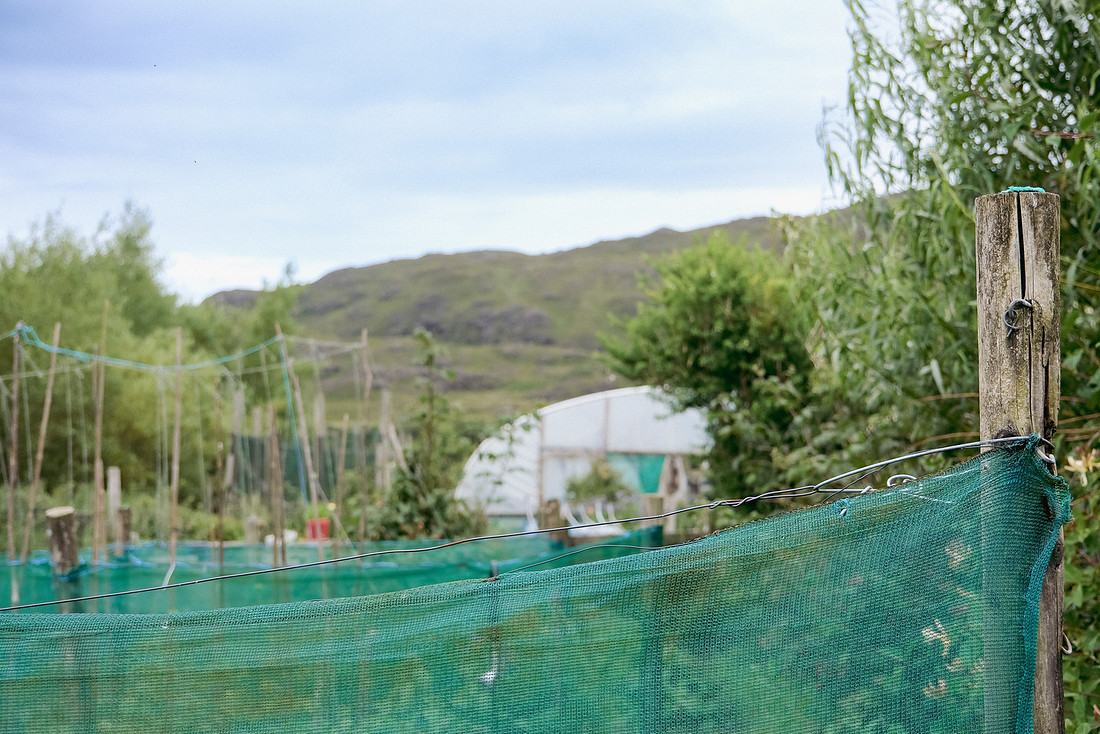
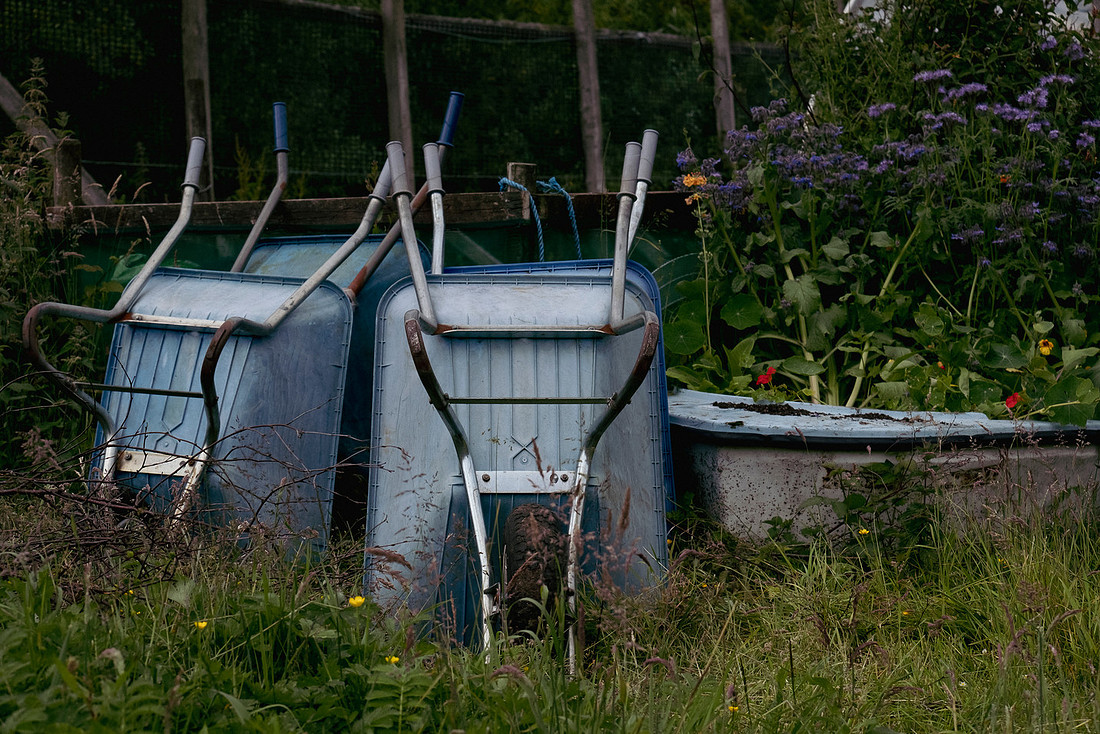
The new site will require hard work and imagination: creating good soil, moving the polytunnel, building a shed, and—if possible—appointing a part-time coordinator. The hope is to have the new garden running by 2027, with a new model: run by and for the community, rather than by appointed growers.
This is a bold experiment in participatory democracy, in shared stewardship, in the belief that everyone has something to contribute and something to gain.
IV. Ekphrasis: The Garden as Living Art
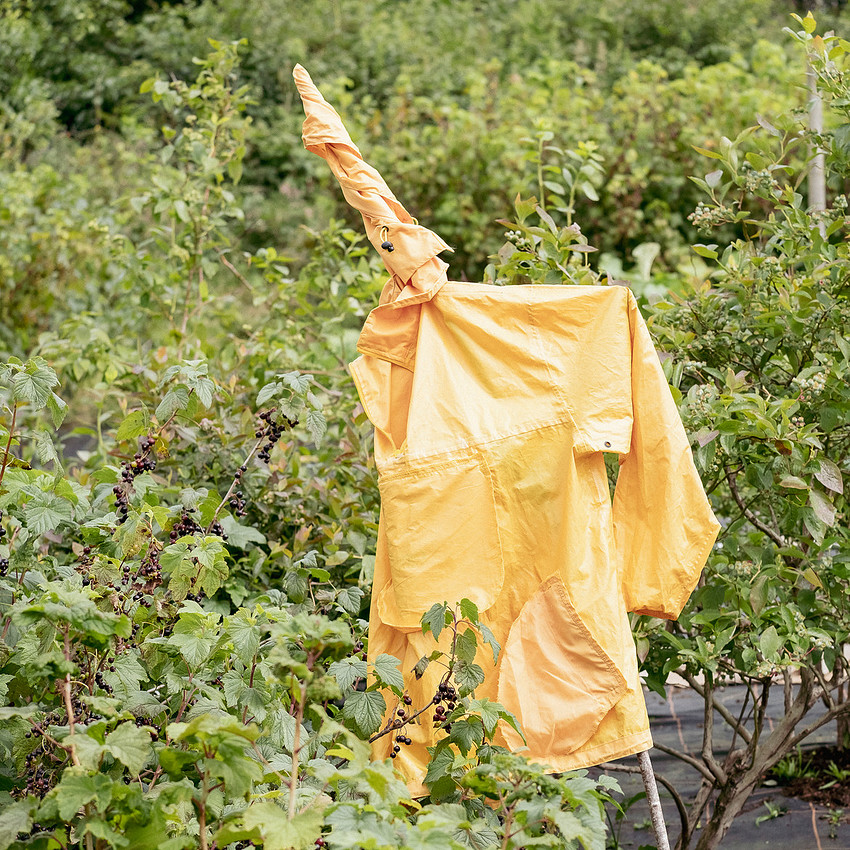
To photograph the community garden is to attempt the impossible: to capture not just the shapes and colours of plants, but the invisible threads that bind people to place, past to future, hope to memory.
In the early morning, the polytunnel glows with a soft, green light. Dew beads on the leaves of chard and spinach, each droplet a tiny lens refracting the world. The air is thick with the scent of earth and growing things. A robin flits between rows of beans, pausing to inspect the work of the day.
Later, volunteers arrive—some with tools, some with stories, all with a sense of purpose. There is laughter as weeds are pulled, advice exchanged over the best way to stake tomatoes, quiet satisfaction as a basket fills with the day’s harvest. Children may chase butterflies along the paths, their voices rising in delight. In the corner, the bee hives hum with activity, a reminder that even the smallest creatures play their part in this grand design.
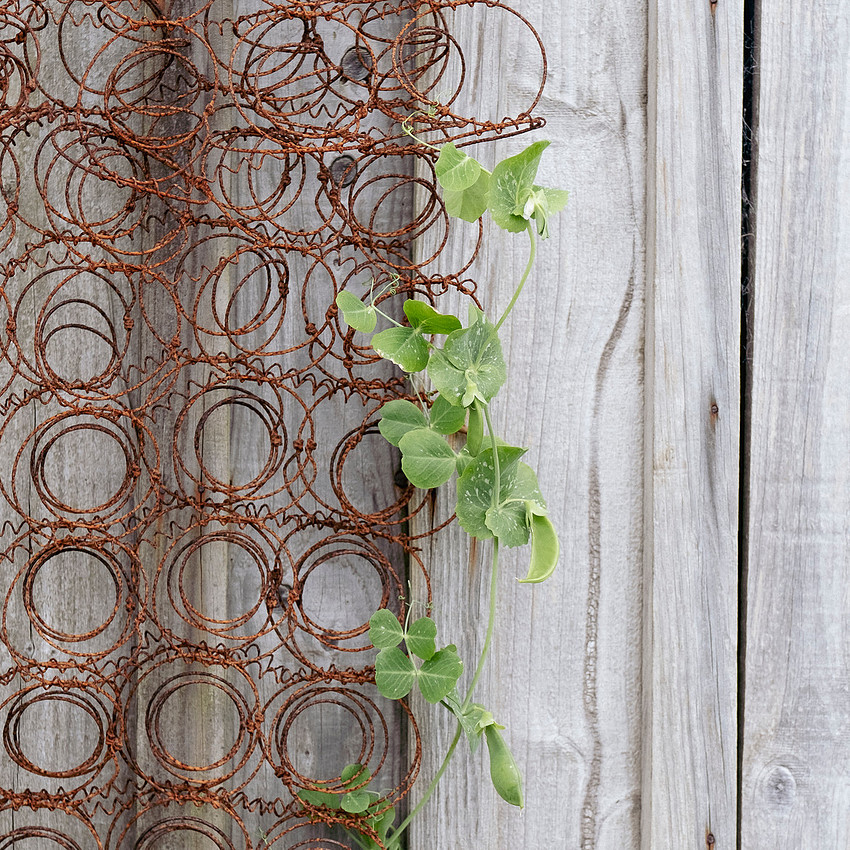
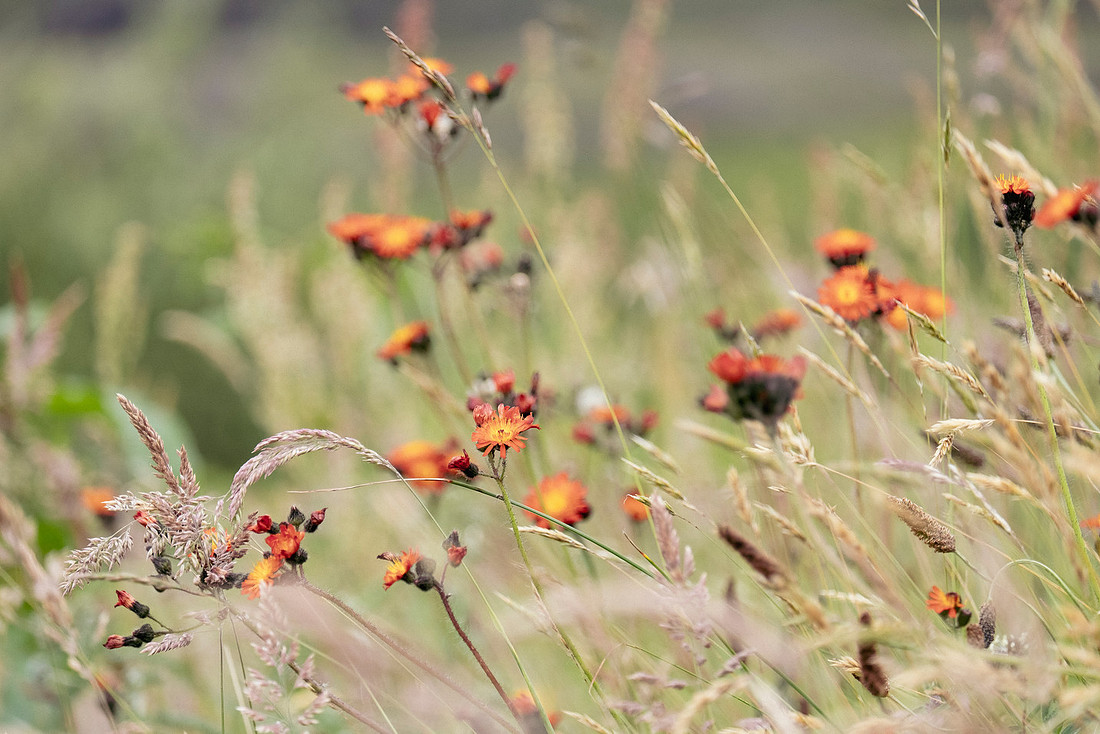
The garden is a gallery without walls, each bed a canvas, each season a new exhibition. In spring, the riot of green is almost overwhelming; by autumn, the colours deepen, the air grows crisp, and the cycle begins again. There is beauty in the symmetry of rows, in the chaos of wildflowers, in the patient work of composting and mulching.
But the true art of the garden is not in its appearance, but in its effect. It transforms those who tend it, teaching patience, humility, and gratitude. It reminds us that we are not separate from nature, but participants in its endless dance.
V. Sustainability: Lessons from the Land
The West Ardnamurchan Community Gardens are a living laboratory for sustainability. Here, theory becomes practice, and ideals are tested in the crucible of weather, soil, and human effort.
Organic principles guide every decision: seaweed and local manure enrich the beds, chemical inputs are eschewed, and the “no dig” method preserves the delicate structure of the soil. Crop rotation and companion planting foster resilience, while the introduction of bee hives supports pollinators and enhances biodiversity.
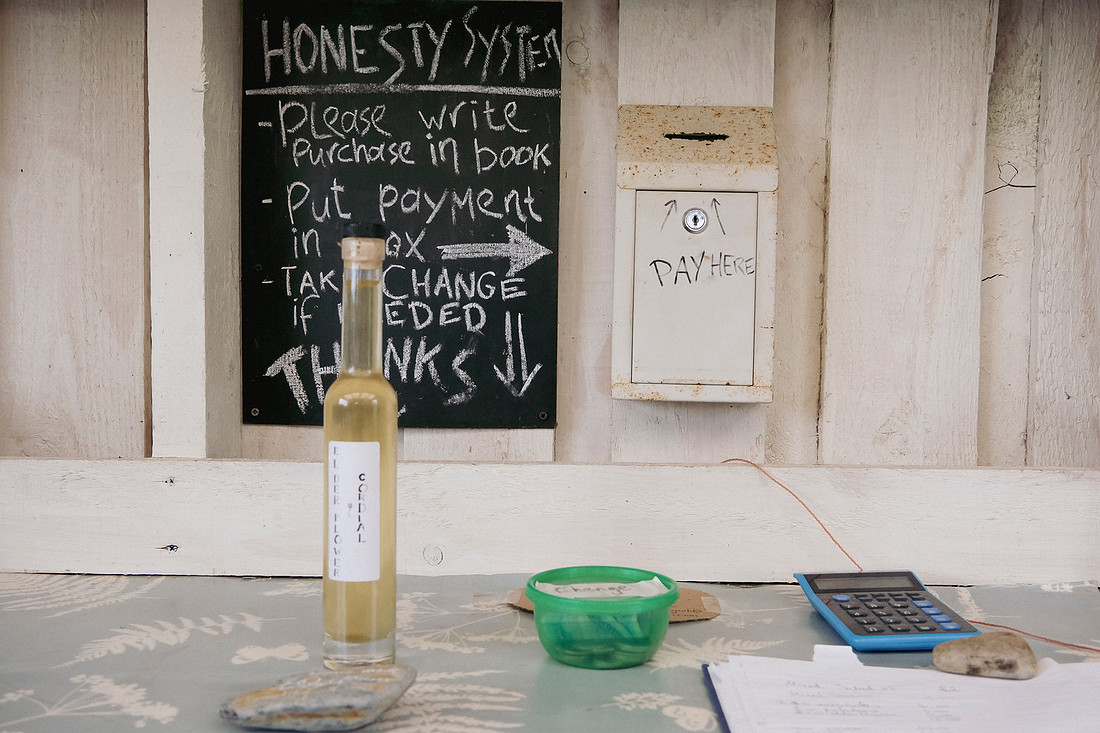
But sustainability is not just about techniques; it is about relationships. The garden thrives because it is embedded in a network of mutual support: volunteers, local businesses, schools, and community groups all play a role. The honesty shed operates on trust, the veg bags on cooperation, the festivals on shared joy.
As the garden prepares to move to Kilchoan, these lessons become even more vital. The new site will require investment—of time, money, and imagination—but it will also offer new opportunities for collaboration. The vision of a garden at the heart of the village, accessible to all, is a powerful antidote to the isolation and fragmentation that threaten rural communities.
In a world facing climate crisis, food insecurity, and social disconnection, the West Ardnamurchan Community Gardens offer a model of hope. They show that sustainability is not a distant goal, but a daily practice, rooted in the ordinary miracles of growth and care.
VI. The Future: A Call to Action
As I write these words, I am acutely aware that the story of the West Ardnamurchan Community Gardens is still being written. The move to Kilchoan is both an ending and a beginning, a chance to honour the past and imagine new possibilities.
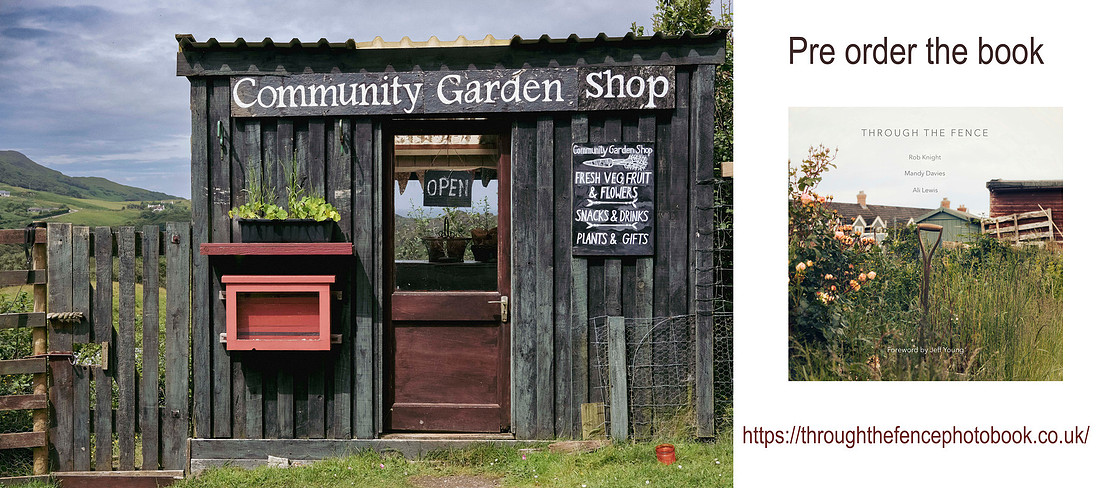
This essay is part of a larger project—a collaborative photobook, Through the Fence, to be released later this year. The book will bring together images and stories from the gardens, celebrating the people and places that make this community unique. All profits will support the Trussell Trust, helping to address food insecurity and support vulnerable families.
But the real work is not just in words or photographs; it is in the daily acts of tending, sharing, and dreaming. The garden belongs to everyone who cares for it, everyone who eats its produce, everyone who believes in the power of community.
So I invite you, reader, to reflect on your own place. What community-based sustainability and growing projects exist where you live? How might you get involved, or start something new? What lessons can we learn from each other, across boundaries of geography and experience?
And if you are moved by the story of the West Highland Community Gardens, I encourage you to pre-order Through the Fence at https://throughthefencephotobook.co.uk/ . Your support will help sustain not just this project, but the wider movement for food justice and community resilience.
VII. Reflections: The Community’s Influence and My Journey Among the Gardeners
There are places and communities that quietly shape the course of your life, not through grand gestures, but through the steady presence of shared experience and mutual support. For almost a decade, the West Ardnamurchan community as a whole has been a profound influence on me—on my work, my perspective, and my sense of belonging. The rhythms of Ardnamurchan, the warmth of its people, and the spirit of collaboration that infuses daily life have become woven into the fabric of my creative practice.
It is only in the past year, however, that I have had the privilege of getting to know the gardeners and the gardening community more intimately. Stepping into the world of the West Ardnamurchan Community Gardens, I found myself welcomed with open arms—invited not just to observe, but to participate, to learn, and to contribute. The garden became a living classroom, a place where the boundaries between artist, volunteer, and neighbour blurred into a shared purpose.
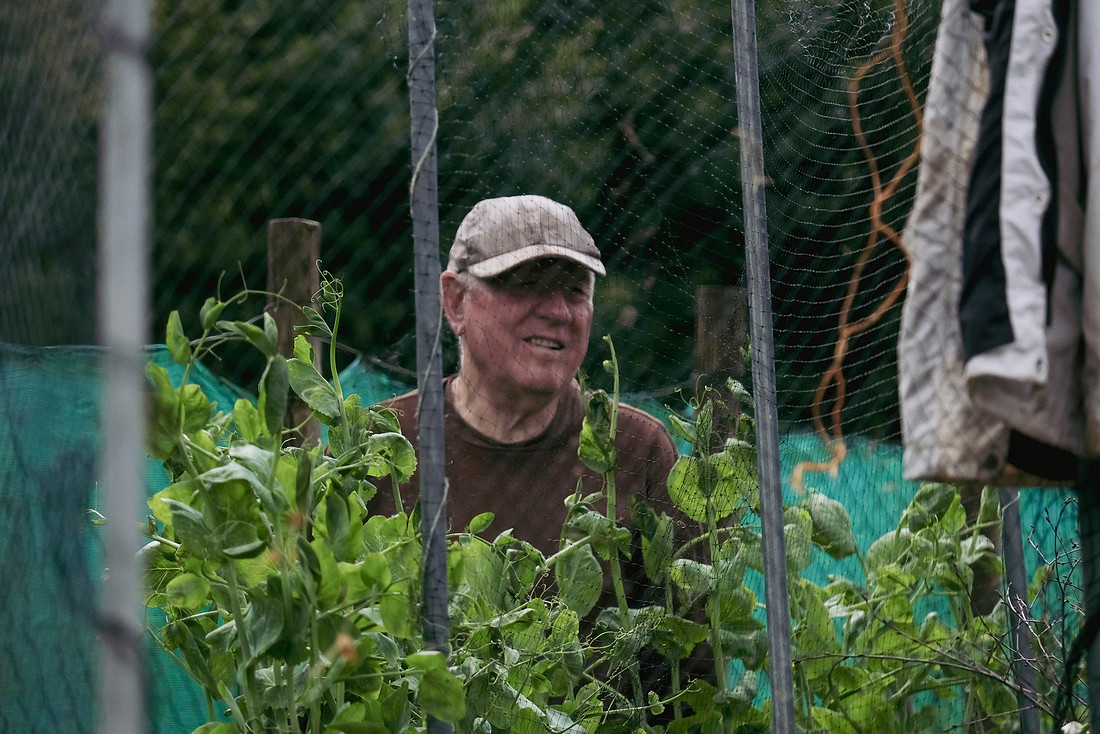
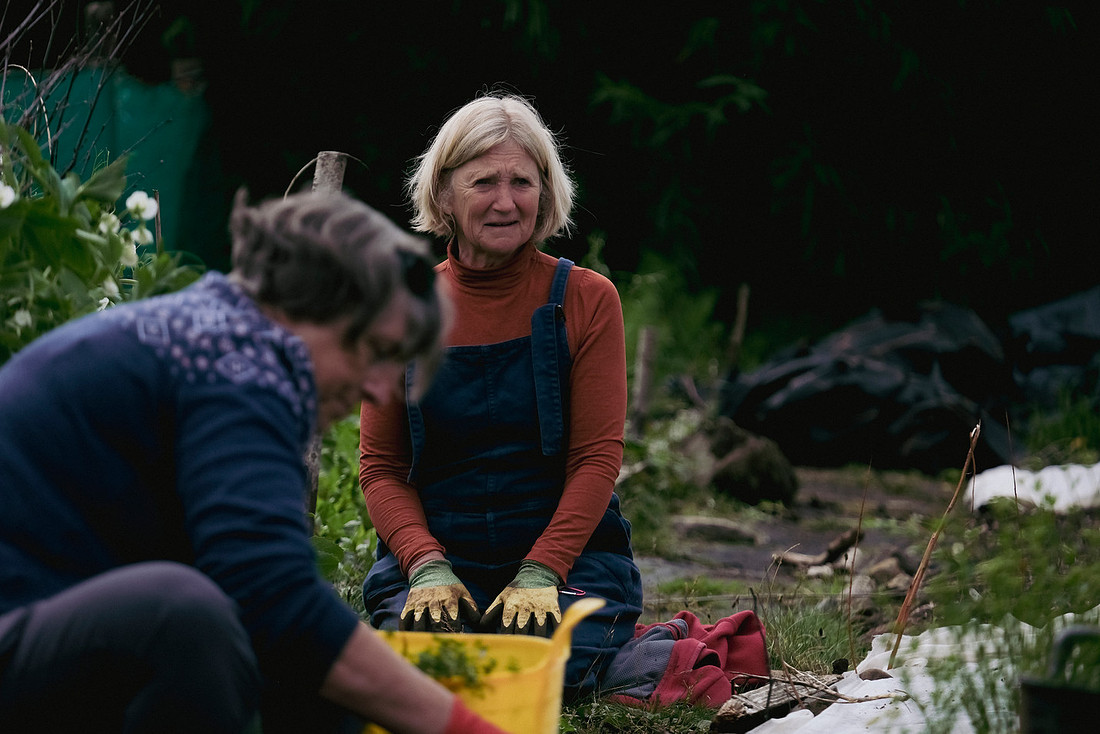
Among the gardeners, Joe and Anna have been especially inspiring. Their work is a quiet symphony of dedication and care, each day spent nurturing not only plants but the connections that sustain the garden’s spirit. Joe’s hands, marked by years of tending, move with a gentle certainty, coaxing life from the soil. Anna’s wisdom flows generously, guiding new volunteers and seasoned growers alike. Together, they have cultivated more than crops—they have cultivated community, resilience, and hope.
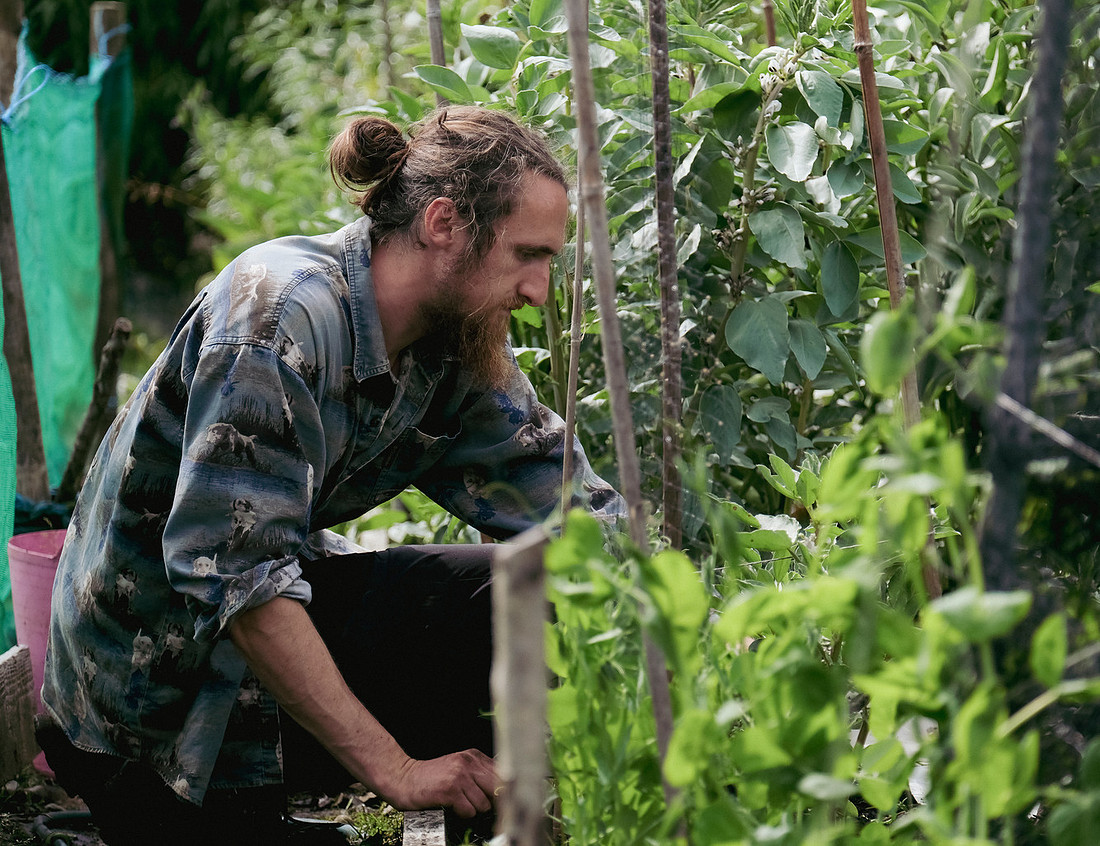
Volunteering alongside them (if only for a relatively short period), I have witnessed moments of joy and challenge: the laughter that rises as weeds are pulled, the satisfaction of a basket brimming with fresh produce, the thoughtful exchange of advice and encouragement. The garden is a mosaic of personalities and stories, each person contributing their own colour and texture to the whole.
This recent immersion in the gardening community has sparked a new interest in me—a desire to explore sustainable growing and home cultivation when we finally move to Ardnamurchan in the coming years. The conversations around compost, the experiments with organic methods, the shared meals and stories have all deepened my appreciation for what it means to grow together, to care for the land and for each other.
There is a poetry to this place, a music that rises from the hum of bees, the rustle of leaves, the laughter of friends. The garden is a living testament to what can be achieved when people come together with a shared purpose. It is a mosaic of effort and imagination, each person contributing their own unique piece to the whole.
As I prepare my section for the collaborative photobook, Through the Fence, I am filled with gratitude. The gardens group has welcomed me into their world, allowed me to witness and document their work, and entrusted me with their stories. I hope that my photographs and words will serve as a fitting tribute—a memory to cherish, a testament to a community that has given so much to so many.
To Joe and Anna, and to all the gardeners past and present, I offer my heartfelt thanks. Your dedication, creativity, and kindness have enriched not only the soil, but the spirit of Ardnamurchan. May this book capture a fragment of your legacy, and may it inspire others to dig, to dream, and to grow.
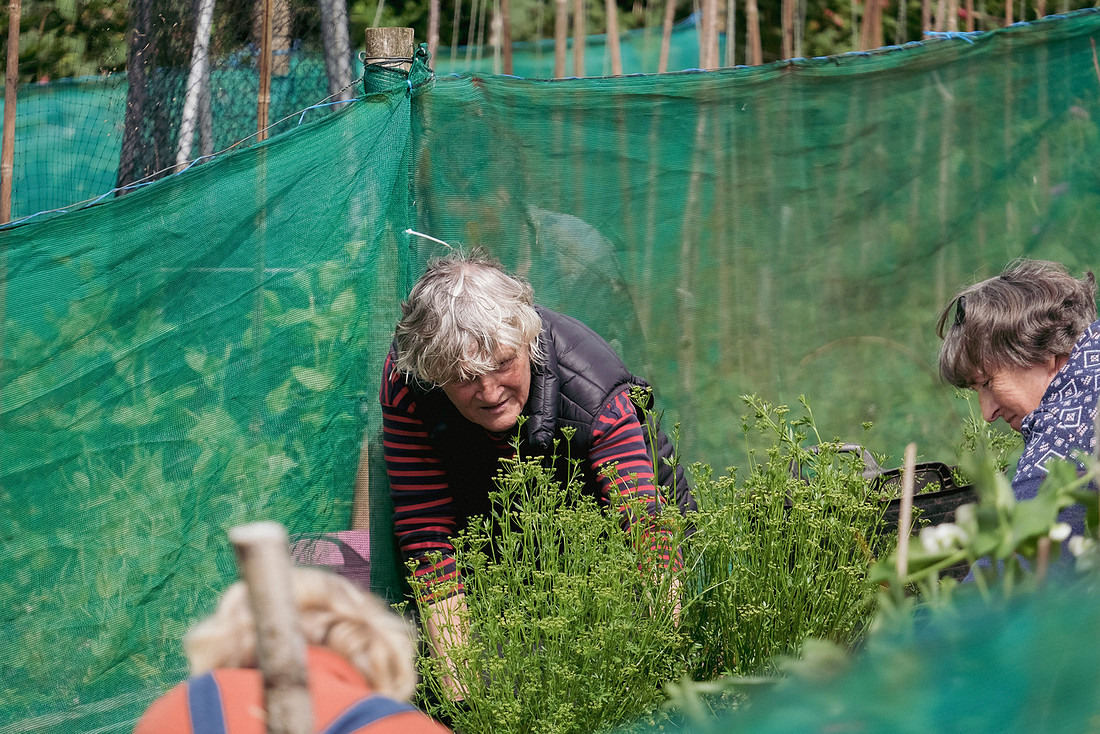
Thank you to the gardens group for inviting me in, for sharing your wisdom, and for allowing me to be part of this remarkable journey. The West Ardnamurchan Community Gardens are more than a place—they are a living, breathing community, and I am honoured to help tell their story.
https://throughthefencephotobook.co.uk/
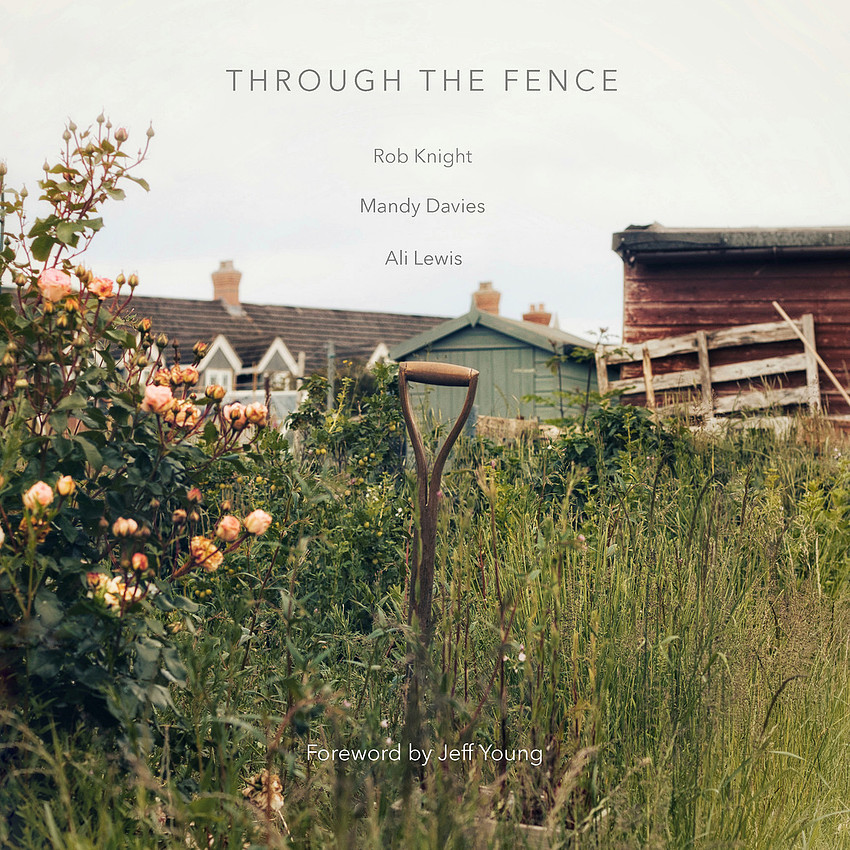
All profits from the book will be in support of The Trussell Trust, a charity who's aims are:
"We should all be free from hunger.
We’re an anti-poverty charity and community of food banks. We work together to ensure no one in the UK needs a food bank to survive, while providing emergency support for people left without enough money to live on."
In support of this everyone involved in the book gave their time for free; photographers Ali Lewis, Mandy Davies and myself, writer Jeff Young, and publishers Paul Gotts and John Ash.
VII. Conclusion: The Spirit of Ardnamurchan
In the end, the spirit of Ardnamurchan is not found in any single plot or project, but in the web of relationships that bind people to place and to each other. The West Ardnamurchan Community Gardens are a living testament to what is possible when we work together, when we honour the land, when we believe in the power of community.
May their story inspire others to dig, to plant, to dream—and to remember that every garden, no matter how small, is a seed of hope.
Sources and Citations
- “Words for Rob Knight Aug 25.docx” – Community Garden history and future plans.
- “Rob K - New Words with community.docx” – Reflections on the garden’s ethos and model.
- “Comm garden consultation info for hand out v4.docx” – Vision, aims, and consultation details for the new Kilchoan site.
- “Anonymised Community consultation results.xlsx” – Community feedback and involvement data.
- Through the Fence Photobook https://throughthefencephotobook.co.uk/
- www.rkphotographic.com
With special thanks to Tim & Kerry from the West Ardnamurchan Community Garden for their help writing a contribution to the book and the background information cited in this article – I am indebted for your kind support.