Spiorad Àird nam Murchan: The Colours of Ardnamurchan

Spiorad Àird nam Murchan: The Colours of Ardnamurchan

Introduction: A Decade of Colour and Conversation
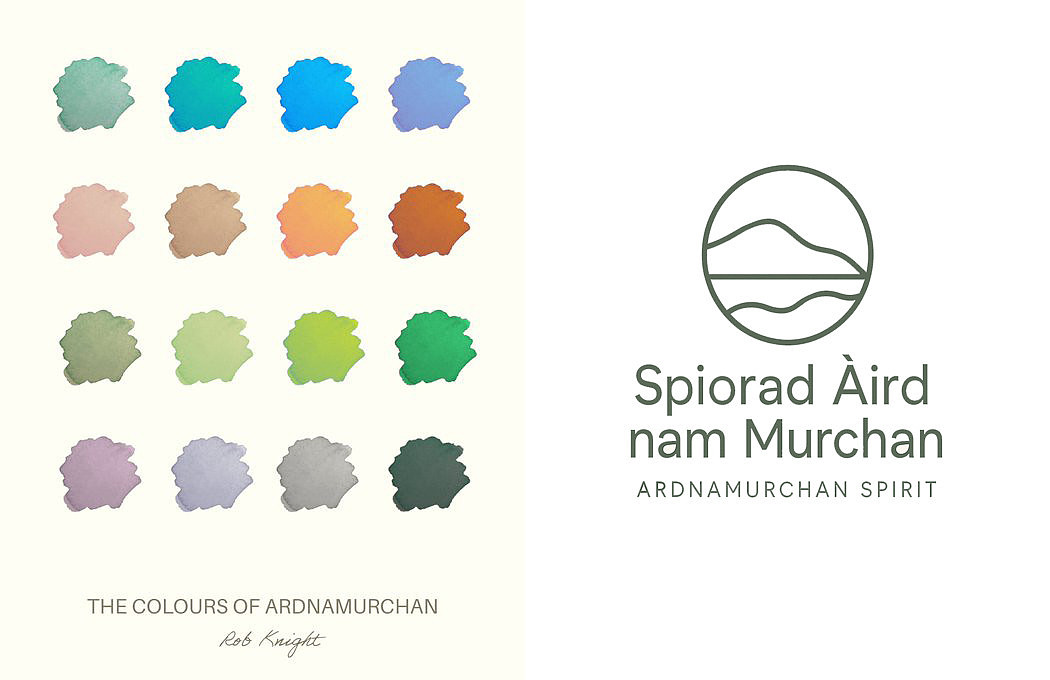
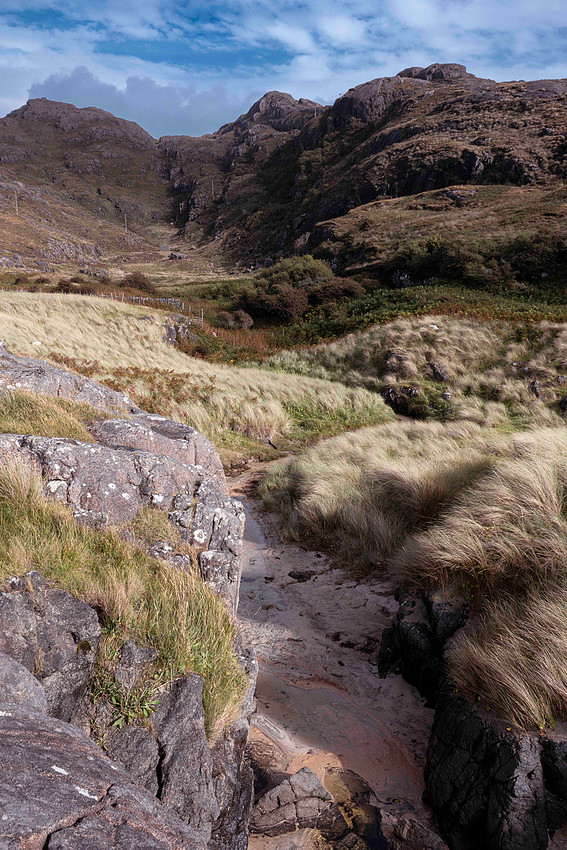
Nearly ten years have passed since I first set foot on the western edge of Ardnamurchan, and yet the memory of that initial encounter remains vivid—not for the silence, nor the solitude, nor even the wildness, but for the colour. It was as if the land itself had opened a painter’s box and spilled its contents across the hills, lochs, and sea. The palette was not loud, not garish, but deeply expressive—earthy, elemental, and ever-changing. It was this chromatic richness that first called me to stay, to observe, and eventually to create.
In the years since, colour has become the heartbeat of my photographic and written work. My conversations with Steven Marshall, a close friend and fellow photographer based at Resipole Bay (have a look at Steven's superb work here), often orbit this theme. We both appreciate the stark elegance of monochrome, yet Ardnamurchan’s colours resist reduction. They are too vital, too emotionally charged, too intrinsic to the spirit of the place. To strip them away would be to silence a voice that speaks in hues.
This essay, part of my ongoing Spiorad Àird nam Murchan series, is a meditation on the colours of Ardnamurchan—not just as visual phenomena, but as emotional, geological, linguistic, and seasonal expressions. It is also a nod to fellow creatives on the peninsula, check out the work of Beckah Newbould (@beccanewbouldart), whose creative interpretations of the peninsula’s palette have inspired some of my own reflections. Her work captures the soul of the land in design, and it is in that spirit that I also write.
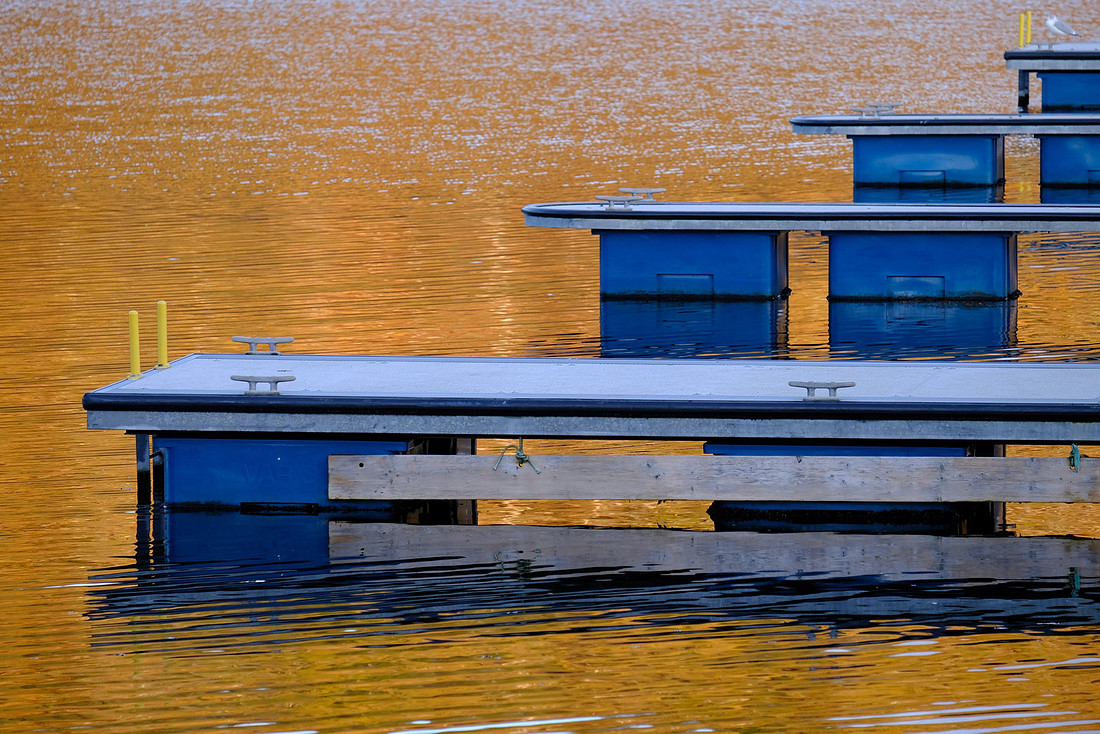
The Seasonal Palette: A Landscape in Flux
Ardnamurchan is a land of seasonal metamorphosis, and its colours shift like breath across the year. Each season brings its own mood, its own vocabulary of light and pigment.
Spring: The Awakening
Spring arrives tentatively, like a whispered promise. The land, still damp from winter’s grip, begins to stir. Mosses glow with a luminous green, and the bracken unfurls in tight coils, bronze at first, then brightening. The lochs mirror the pale blue of lengthening days, and the hills wear a soft olive veil. Wildflowers—primroses, violets, and wood sorrel—dot the verges with pastel tones, delicate and fleeting.
There is a sense of anticipation in the colours of spring. They do not shout; they murmur. Goethe wrote that green is the “most restful colour,” a balance between the excitement of yellow and the calm of blue. In Ardnamurchan’s spring, green is everywhere—soothing, hopeful, alive.
Summer: The Crescendo
Summer is a crescendo of colour. The gorse explodes in golden fire, its scent thick in the air. The sea deepens to cobalt, and the skies—when clear—are a piercing, almost surreal azure. The hills are lush, the meadows embroidered with buttercups and orchids. Even the shadows seem richer, more defined.
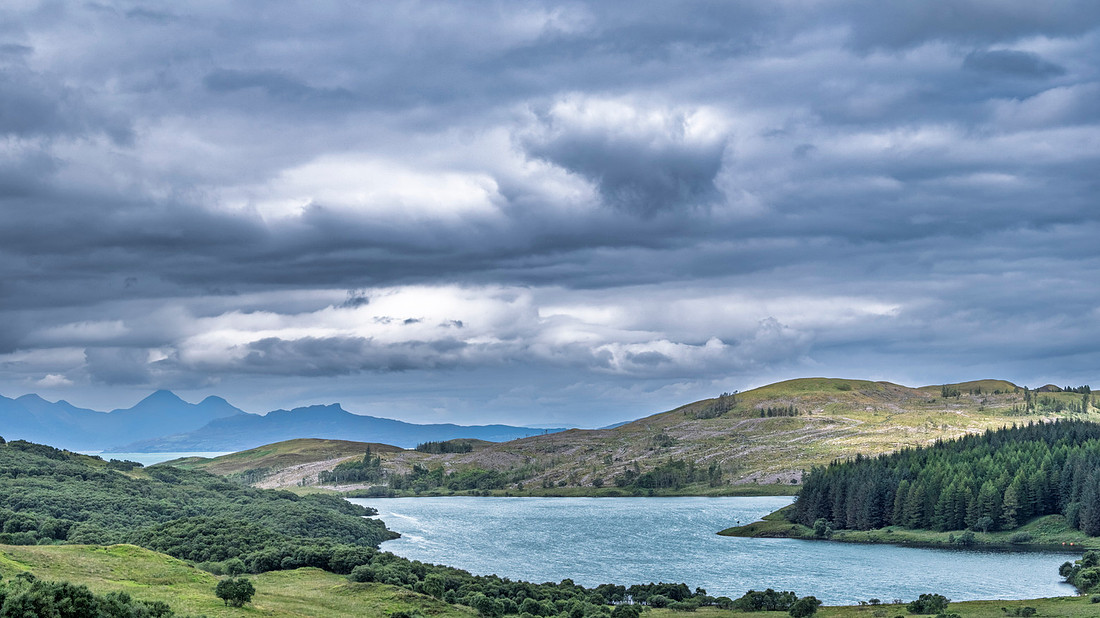
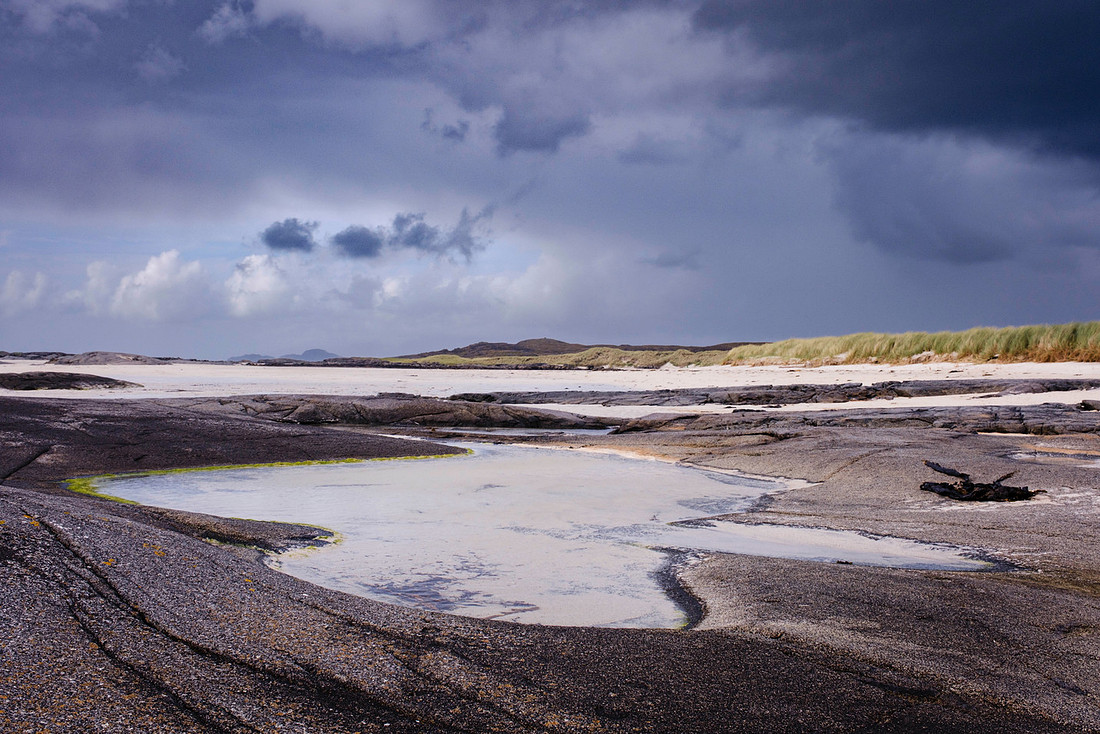
But summer also brings contrast. Rainstorms roll in from the Atlantic, darkening the skies to slate and casting a silvery sheen over the land. Rain-washed rocks glisten, and the greens of the fields deepen to emerald. The interplay of light and moisture creates a dynamic palette—one that shifts by the hour.
Autumn: The Earth’s Memory
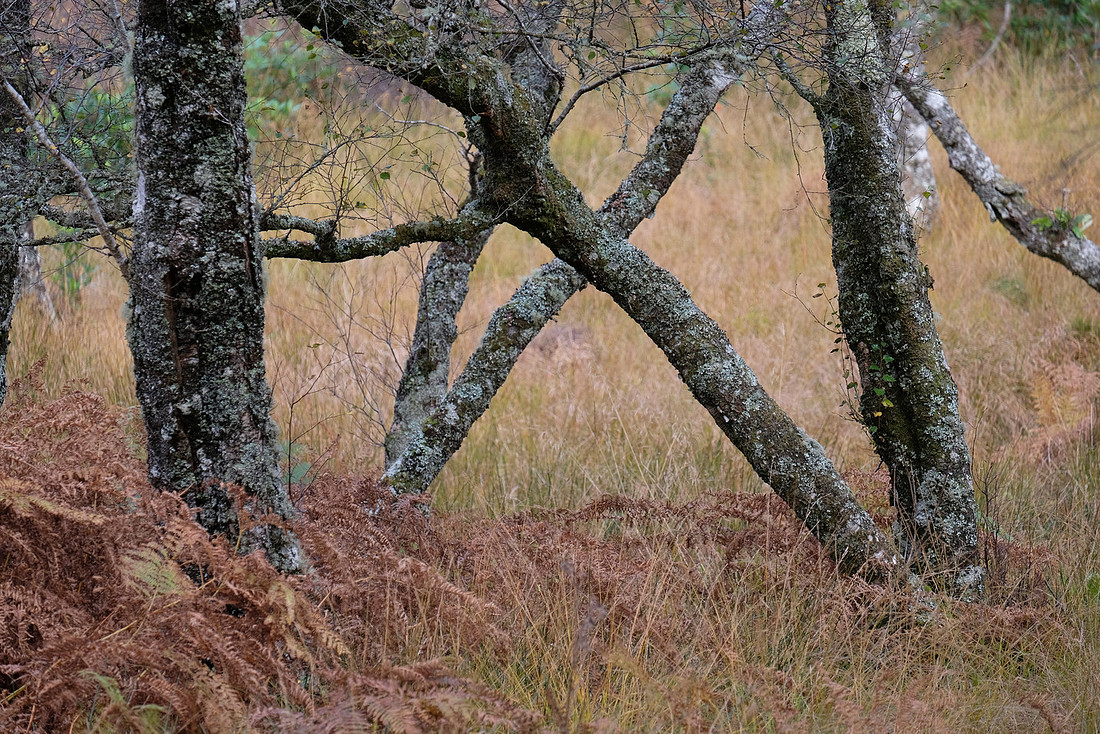
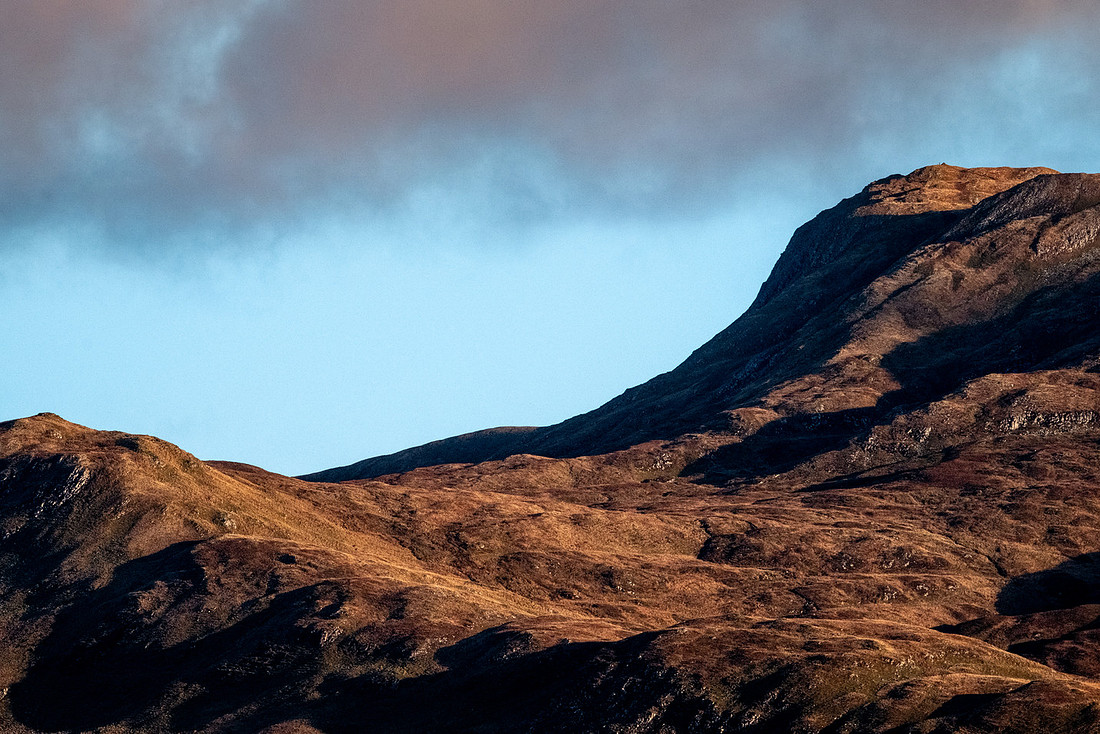
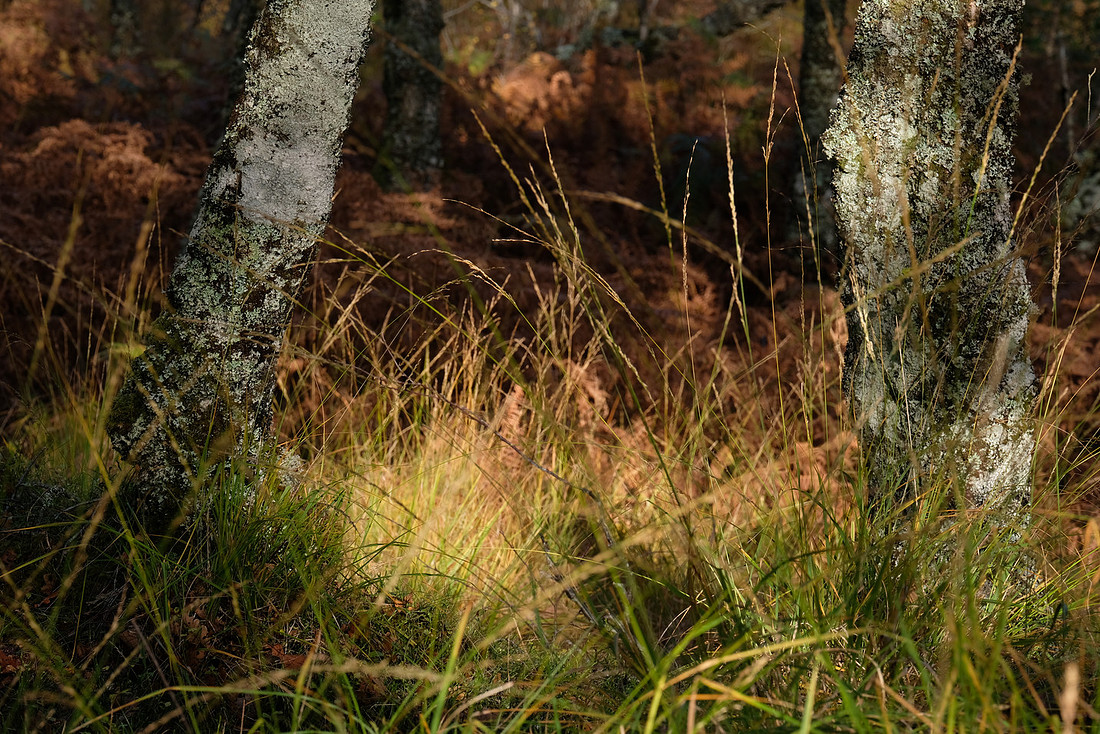
Autumn is a memory written in rust and gold. The moors turn to burnt sienna, the heather fades to dusky mauve, and the birch trees shimmer with amber before surrendering their leaves. Rowan berries blaze red against the greying skies, and the bracken collapses into coppery decay.
There is melancholy in autumn’s colours, but also richness. Goethe associated red with “gravity and dignity,” and in Ardnamurchan’s autumn, red is everywhere—in the berries, the soil, the sunsets. It is a season of reflection, of slowing down, of remembering.
Winter: The Quiet Drama
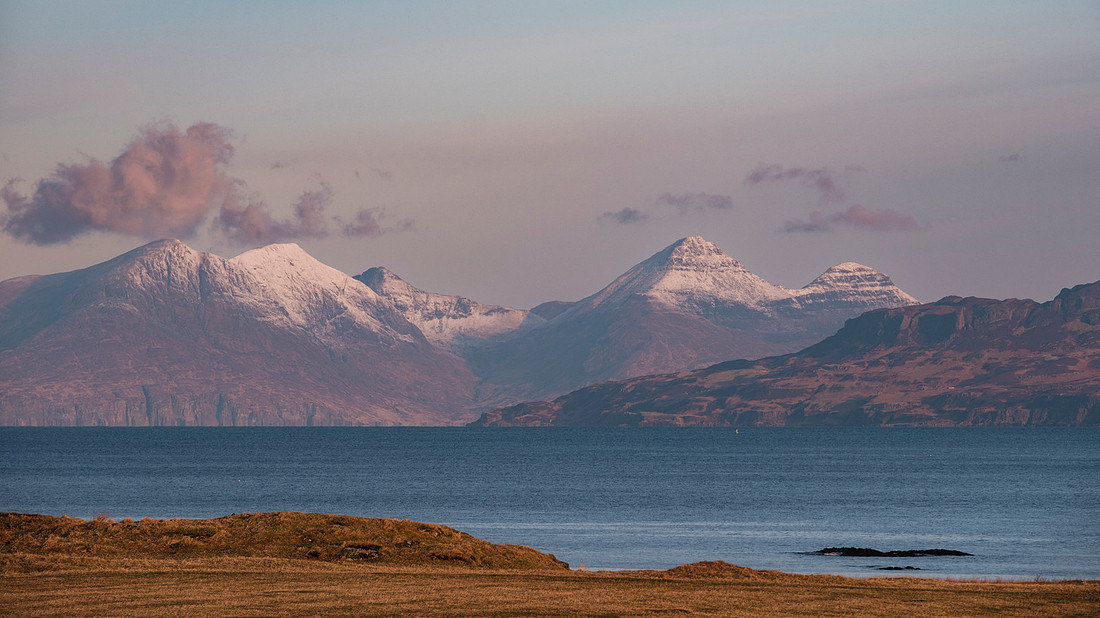
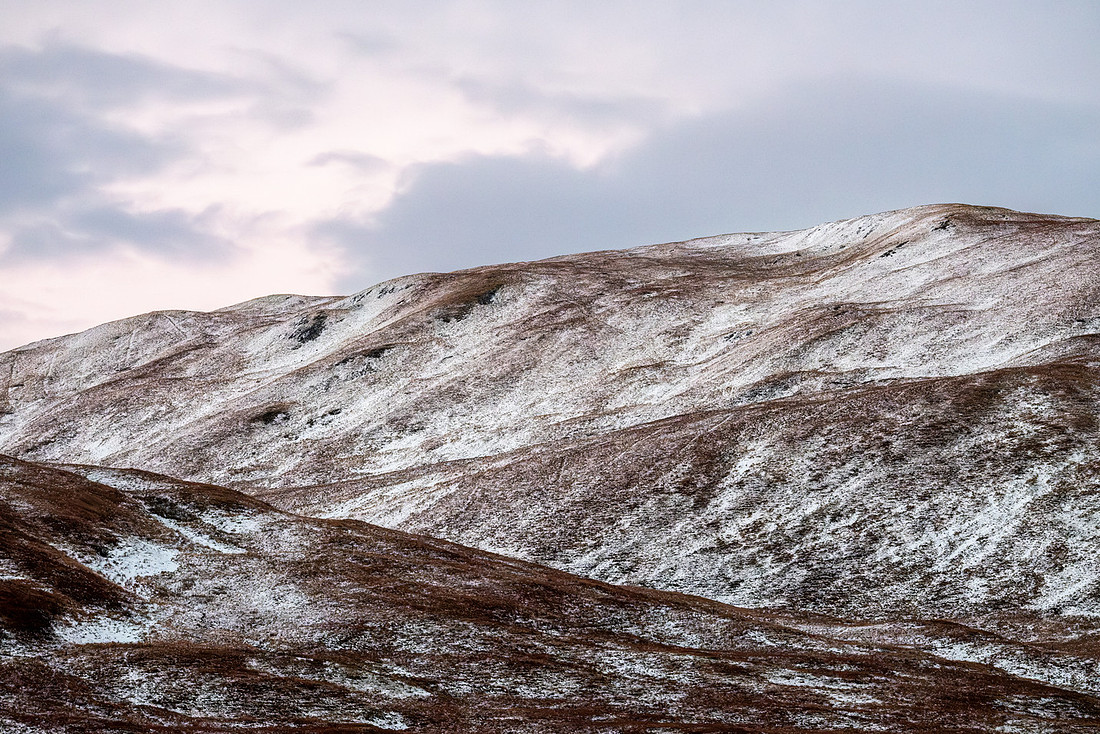
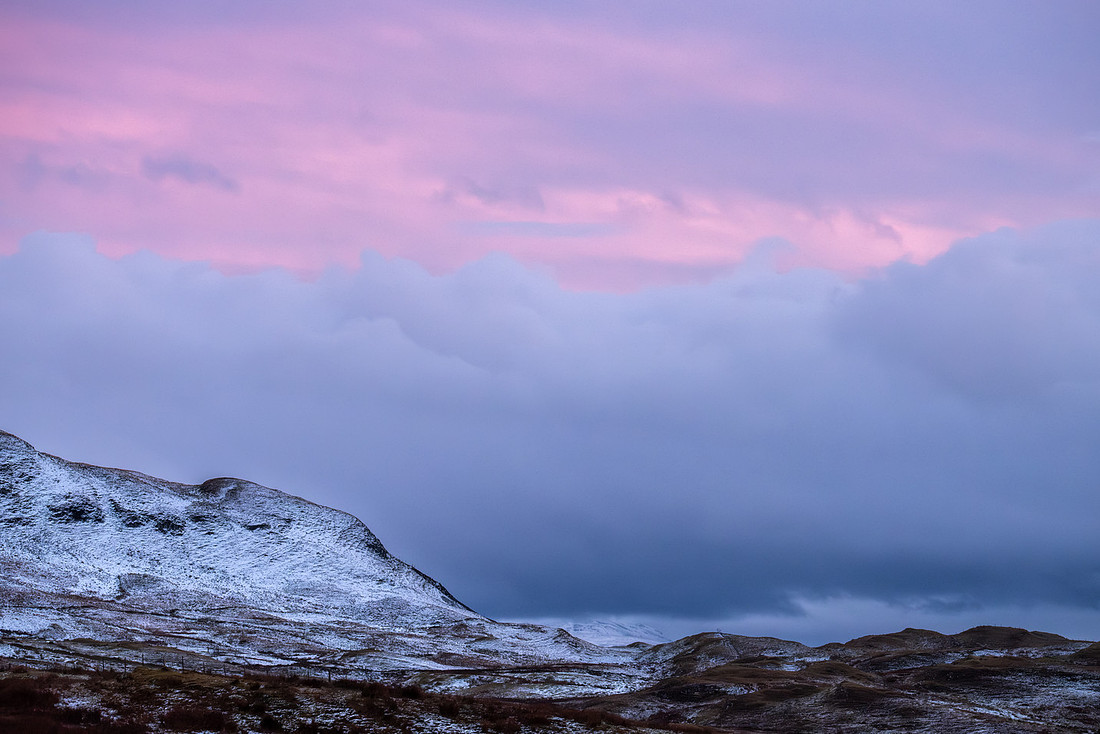
Winter strips the land to its essentials. The gabbro hills turn charcoal, the sea becomes steel-blue, and the skies—low and heavy—cast a pewter light across the peninsula. Snow, when it comes, is not pristine but textured—highlighting the contours of the land, the lines of the crofts, the edges of the lochs.
Yet even in its muted palette, winter is expressive. The absence of colour becomes a canvas for mood. Mist softens the landscape into a watercolour wash, and the occasional burst of sunlight transforms the grey into gold. It is a season of quiet drama, of subtle beauty.

Geology and the Earth’s Palette
Beneath the seasonal shifts lies the bedrock of Ardnamurchan’s colour story—its geology. The western end of the peninsula is shaped by an ancient volcanic ring complex, exposing gabbro, basalt, and other igneous formations that lend the land its dark, brooding tones.
Gabbro: The Deep Foundation
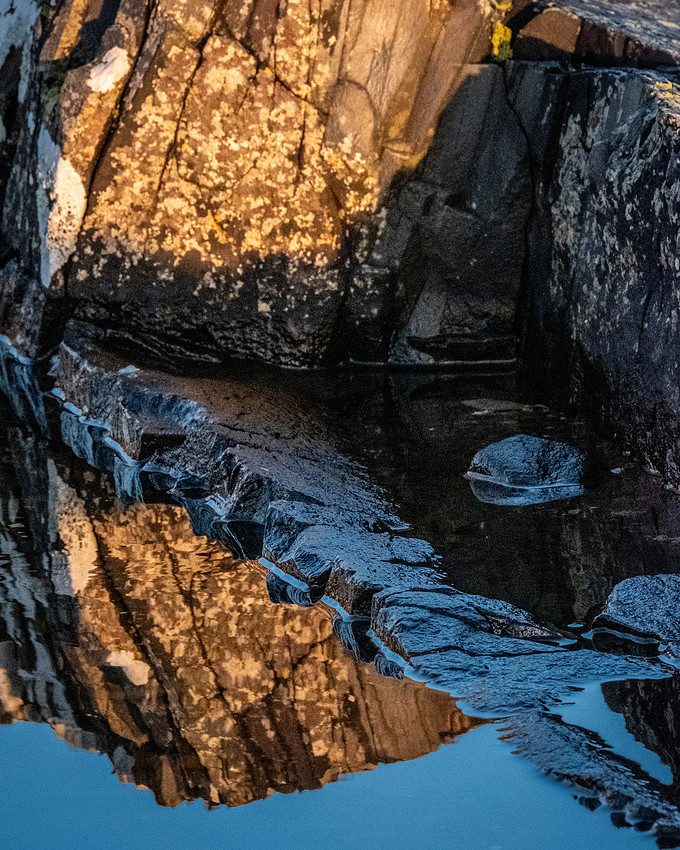
Gabbro is a coarse-grained rock, rich in iron and magnesium, and its colour ranges from deep grey to black with hints of green and blue. In wet weather, it gleams like obsidian; in dry light, it absorbs colour, grounding the landscape in a sense of permanence. These rocks are not just geological—they are emotional. They speak of time, of pressure, of transformation.
Basalt and Volcanic Memory
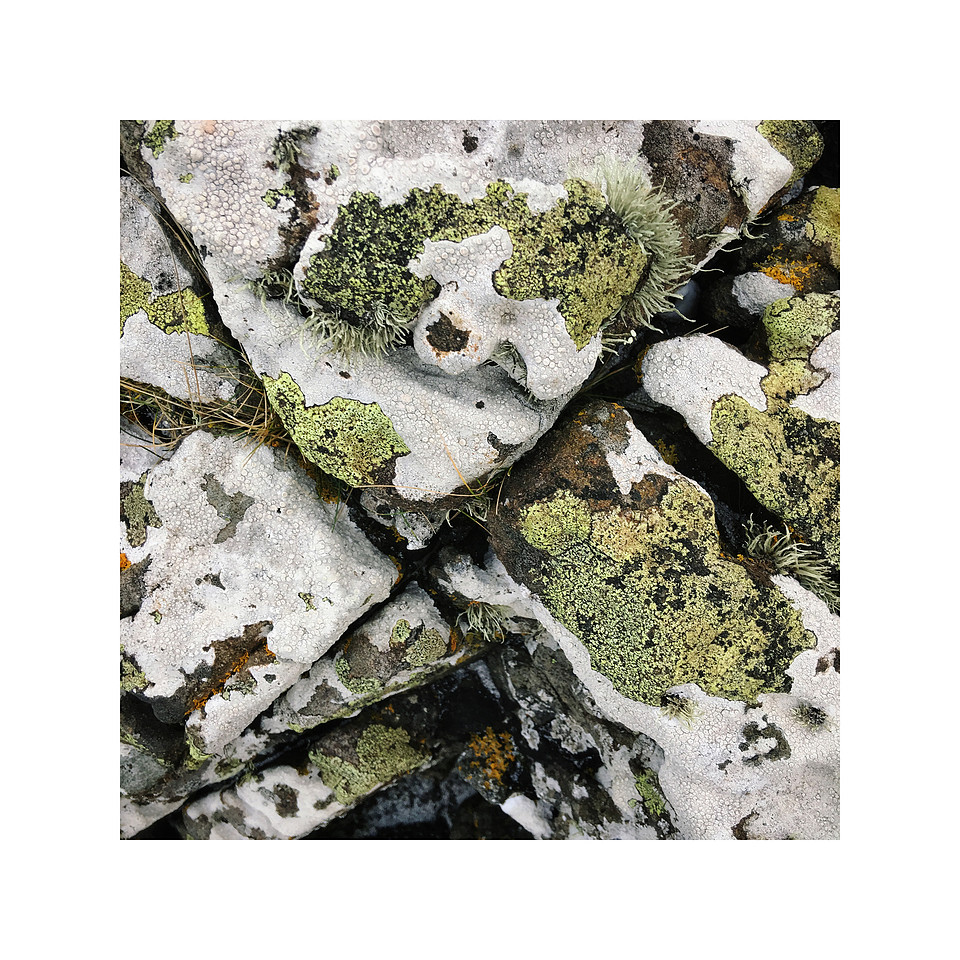
Basalt flows, remnants of ancient eruptions, add layers of texture and tone. Their surfaces are often weathered to reddish-brown or moss-covered green, creating a dialogue between the mineral and the organic. The soil, shaped by these rocks, contributes its own palette—peaty browns, rusty reds, and sandy ochres that form the canvas for seasonal change.
The geology of Ardnamurchan is not static; it is a living archive. Each rock, each outcrop, tells a story of fire and cooling, of erosion and renewal. And in their colours, we read the deep time of the land.
Flora, Fauna, and the Living Colours
The living world of Ardnamurchan adds its own vibrant strokes to the palette. The flora and fauna are not just inhabitants—they are artists, painting the land with movement and hue.
Flora: The Botanical Brushstrokes
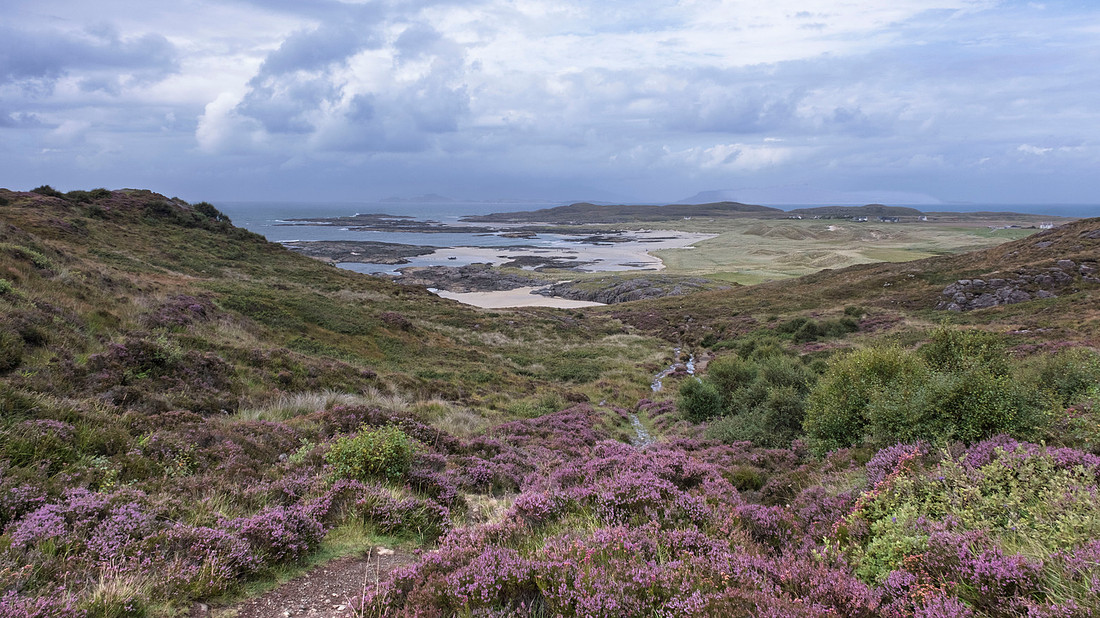
Heather, with its purple bloom, transforms the hills in late summer into a tapestry of mauve and violet. Bog myrtle adds a silvery green to the wetlands, while tormentil dots the moors with yellow stars. Bluebells and primroses herald spring with their gentle tones, and the autumnal rowan berries blaze like embers.
Each plant is a pigment, each bloom a brushstroke. The croft fields, often bordered by wild hedgerows, become mosaics of colour—natural, spontaneous, and deeply expressive.
Fauna: Motion and Contrast
The wildlife of Ardnamurchan adds dynamic colour. Red deer move through the bracken like rusted shadows. Starlings shimmer with iridescent blues and greens. Butterflies—painted ladies, small tortoiseshells—flutter like living confetti. Even the insects, dragonflies and beetles, contribute metallic flashes to the scene.
These colours are not static; they move, they change, they interact with light. They are part of the emotional landscape, part of the rhythm of the place.
Skies, Weather, and the Emotional Filter
Weather in Ardnamurchan is a master of mood. It is not just a backdrop—it is a filter, a lens through which all colour is perceived.
Light and Shadow
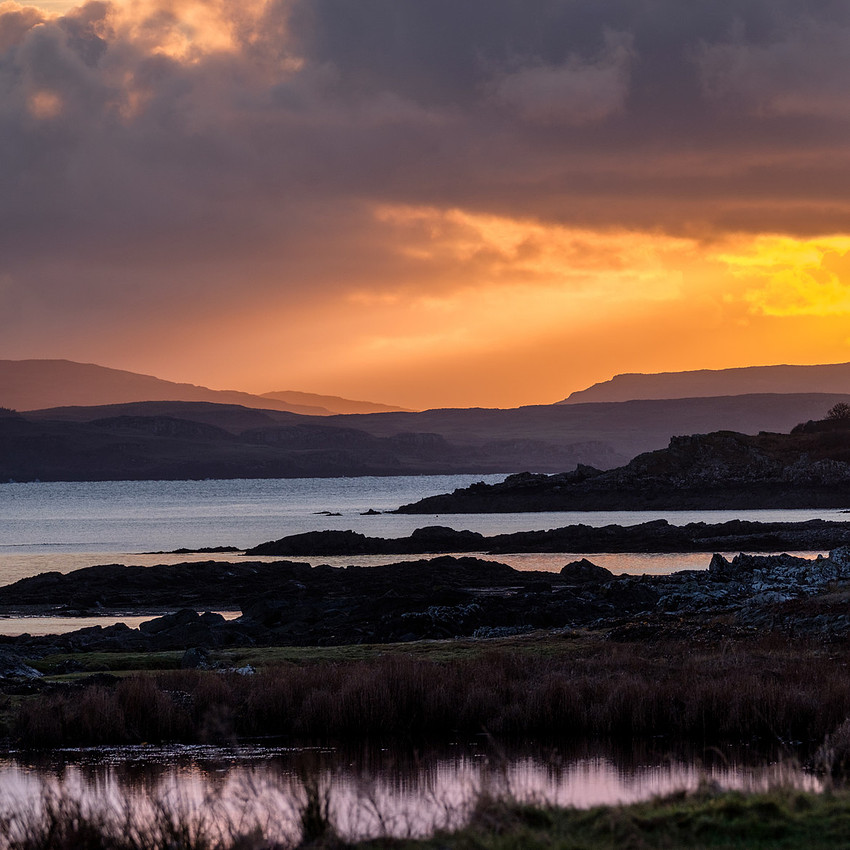
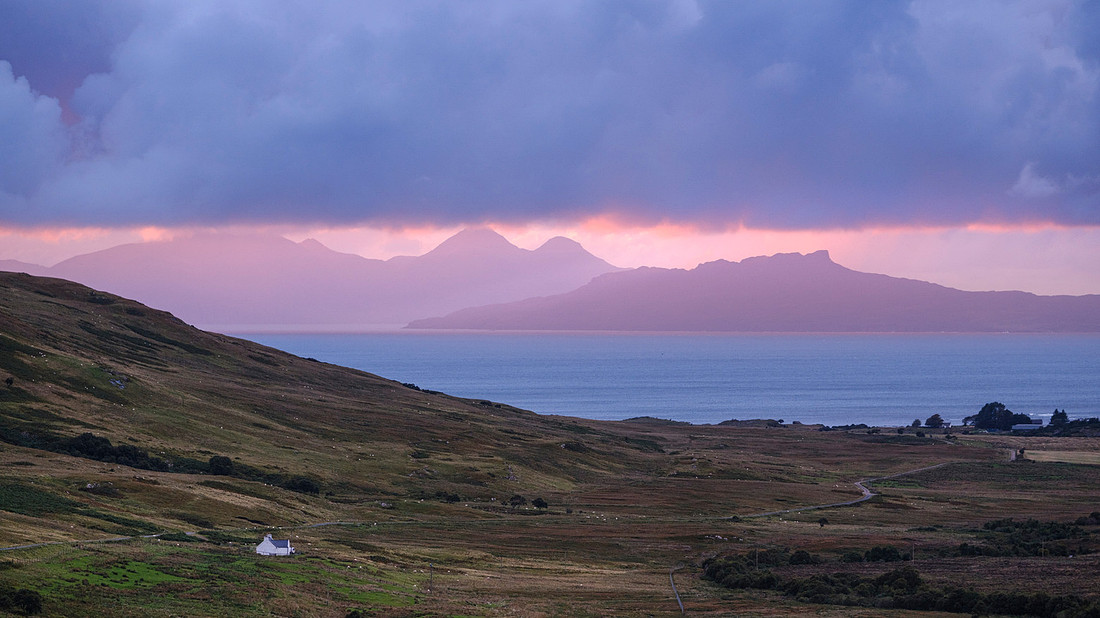
The light here is mercurial. A single cloud can transform a scene from vibrant to subdued. Golden hour ignites the hills, turning even the dullest rock into a glowing ember. Mist softens edges, blending colours into a dreamscape. Storms bring drama—black clouds, whitecaps, and sudden shafts of light.
Goethe’s theory of colour suggests that hues arise from the interplay of light and darkness. In Ardnamurchan, this interplay is constant. The land is a theatre of light, and its colours are the actors—bold, subtle, expressive.
Human Elements: Brightness in Contrast
While nature dominates, human presence adds its own vivid strokes to the palette.
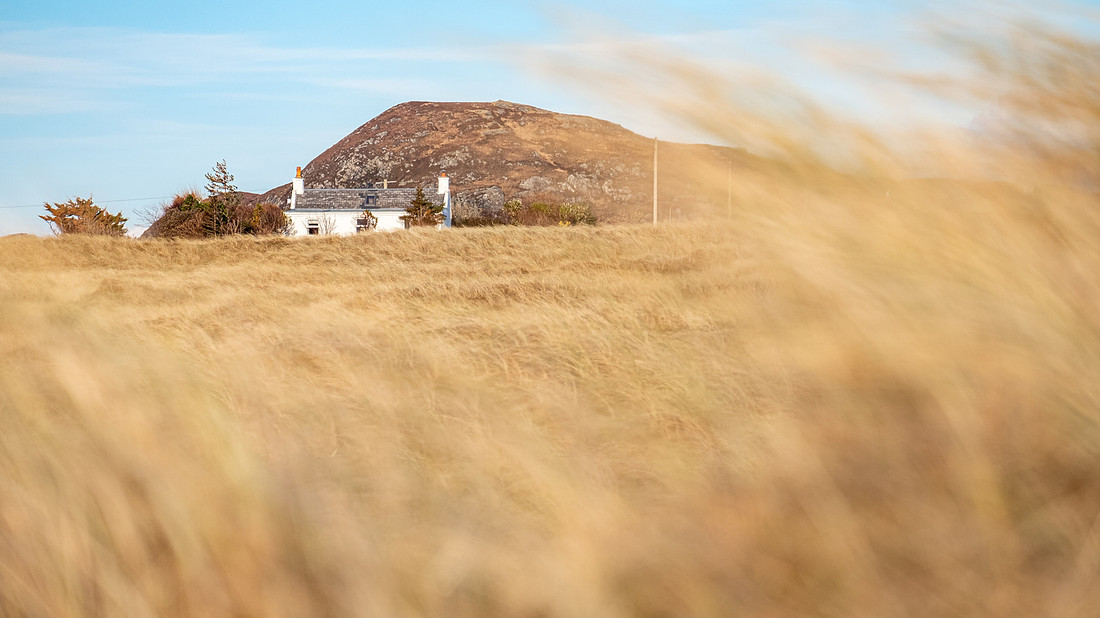
Fishing boats in Kilchoan and Portuairk—painted in reds, blues, and greens—stand out against the muted tones of the harbour. Lobster pots, buoys, and ropes add pops of colour to the shoreline, often weathered but still vibrant. Croft houses, with their painted doors and window frames, offer moments of architectural colour that punctuate the landscape.
These elements are not intrusions; they are expressions. They reflect the resilience and creativity of the people who live here, adapting to the land while adding their own marks.
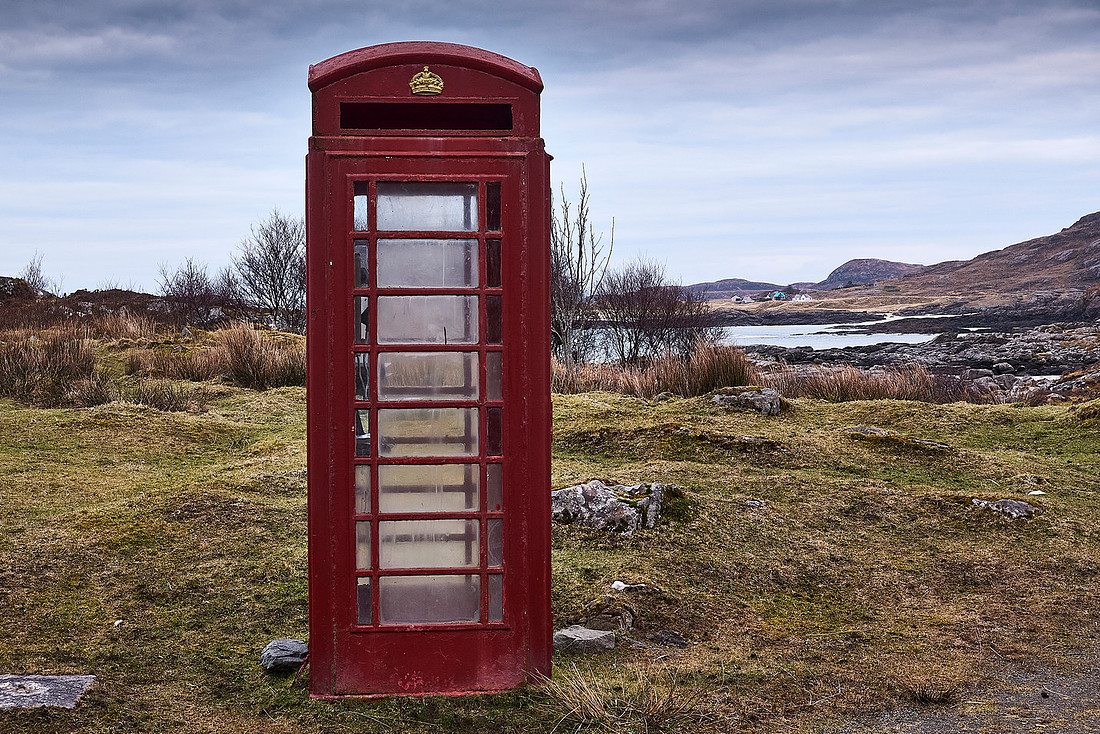
Gaelic Toponymy: Colour in Language and Landscape
In Ardnamurchan, the land speaks not only through its colours but through its names. The Gaelic toponymy of the peninsula is a poetic archive—each name a fragment of observation, memory, and meaning. Many of these names are shaped by colour, reflecting how generations of Gaelic speakers perceived and described their environment.
Gaelic place names often combine a generic landscape term (such as beinn for mountain or loch for lake) with a qualifier—frequently a colour, a shape, or a natural feature. These names are not ornamental; they are descriptive, rooted in lived experience and visual truth.
Beinn Bhuidhe – The Yellow Mountain
Near Port na Carraidh, Beinn Bhuidhe stands as a sentinel of seasonal change. Its name translates directly to “Yellow Mountain,” and the description is apt. In late summer and early autumn, the slopes are cloaked in golden bracken and gorse, glowing against the darker backdrop of volcanic rock. The yellow is not uniform—it shifts from ochre to saffron depending on the light and weather. This hill is a living canvas, and its name is a testament to its chromatic identity.
Meall Buidhe Mòr – The Large Yellow Hill
Further inland, Meall Buidhe Mòr echoes the same chromatic theme. Meall refers to a rounded hill, and buidhe again denotes yellow. The repetition of this colour in multiple place names suggests its prominence in the landscape—perhaps due to the prevalence of gorse, bracken, and sunlit grasses. These hills are not just yellow in pigment; they are yellow in mood—warm, open, and expansive.
Glas Eilean – The Grey Island
Off the coast, Glas Eilean (“Grey Island”) offers a cooler palette. The name likely refers to the colour of the rock or the way the island appears under overcast skies. Glas in Gaelic can mean grey, green, or even blue depending on context, but here it evokes the subdued tones of weathered stone and lichen-covered surfaces. It is a name that speaks of quietness, of mist, of the soft breath of the sea.
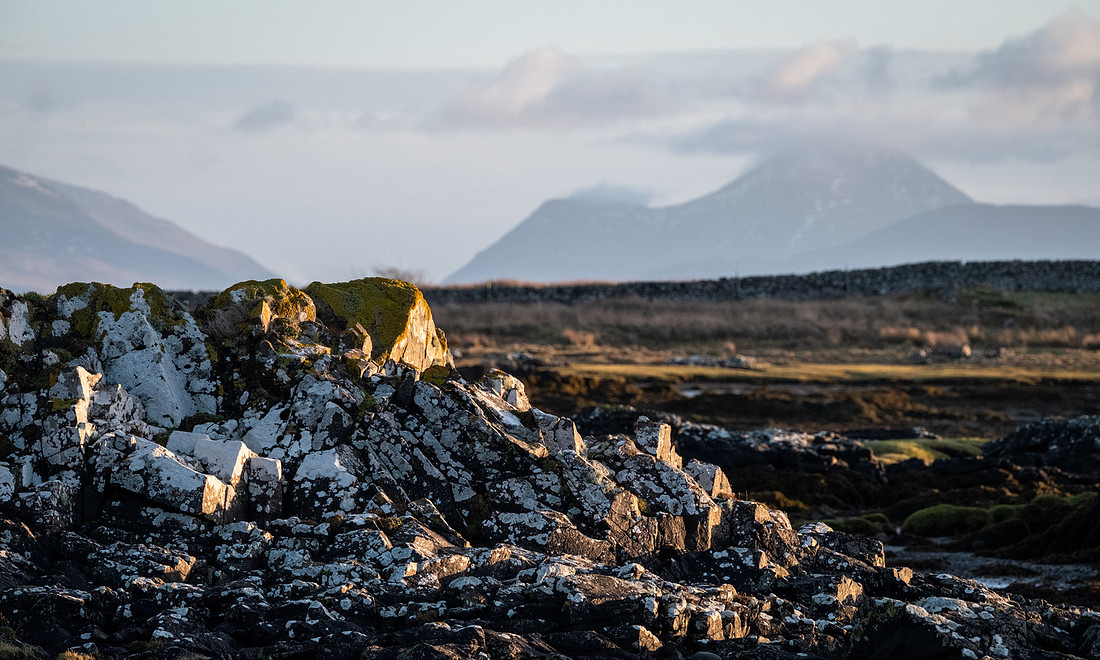
Craig an Airgid – Rock of Silver
This evocative name—Craig an Airgid—translates to “Rock of Silver.” It conjures images of mica-flecked stone catching the light, or perhaps the silvery sheen of rain-slick rock. The use of airgid (silver) is rare and poetic, suggesting a place of visual brilliance or spiritual significance. It is a name that elevates the landscape to something precious, something luminous.
Port Bàn – The White Port
On the southern coast, Port Bàn (“White Port”) likely refers to the pale sands or the light-coloured rocks that define the shoreline. Bàn is a common Gaelic colour term, used to describe whiteness in everything from hair to hills. In this context, it suggests purity, clarity, and openness—a place where the land meets the sea in a gentle embrace.
Rubha an Dùin Bhàin – Headland of the White Fort
This name is layered with meaning. Rubha means headland, dùn is fort, and bhàn again denotes whiteness. The “White Fort” may refer to a ruined structure built of pale stone, or perhaps to a place that gleams in sunlight. The name is both descriptive and evocative, blending history with visual impression.
Lochan a’ Mhadaidh Riabhaich – Little Loch of the Brindled Dog
This wonderfully specific name—Lochan a’ Mhadaidh Riabhaich—translates to “Little Loch of the Brindled Dog.” Riabhaich refers to a mottled or streaked colour, often grey and brown. It’s a name that suggests movement, texture, and perhaps a story—was there a dog that frequented this loch? Or does the loch itself resemble the brindled coat of an animal? Either way, the name is rich in imagery and emotion.
Beinn Gorm – The Blue Mountain
Though not located at the extreme western tip, Beinn Gorm (“Blue Mountain”) is a name found elsewhere on the peninsula and in Highland Scotland. Gorm is the Gaelic word for blue, and it often describes the distant appearance of hills under atmospheric haze. These mountains are not blue in pigment, but in perception—seen through layers of mist and memory.
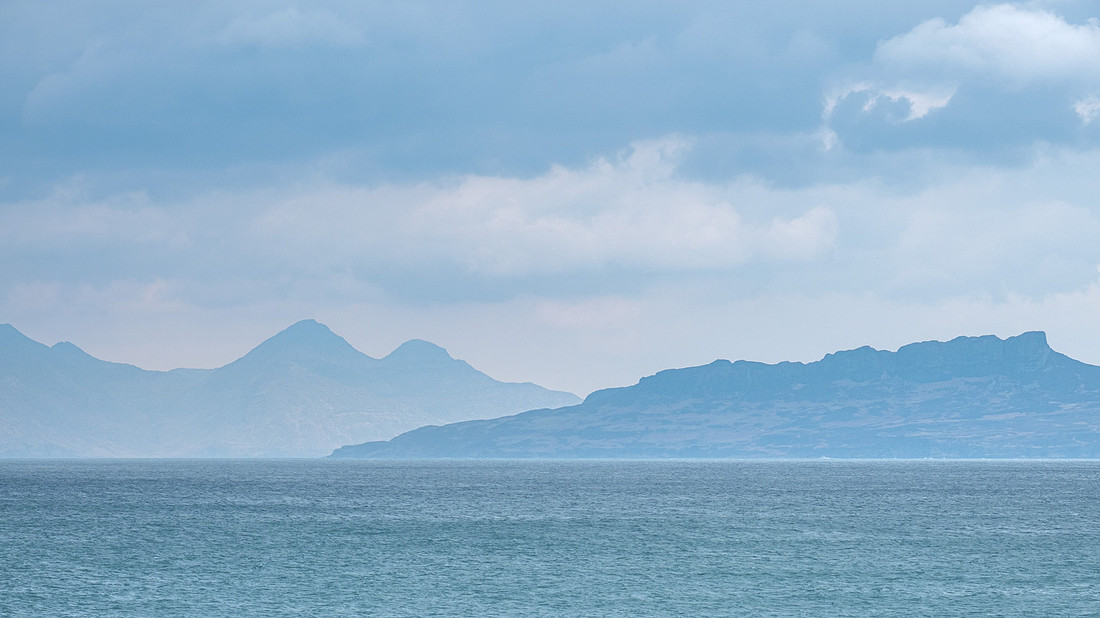
These names are not arbitrary; they are descriptive, poetic, and rooted in observation. They show how colour has long been a way of understanding and navigating the land.
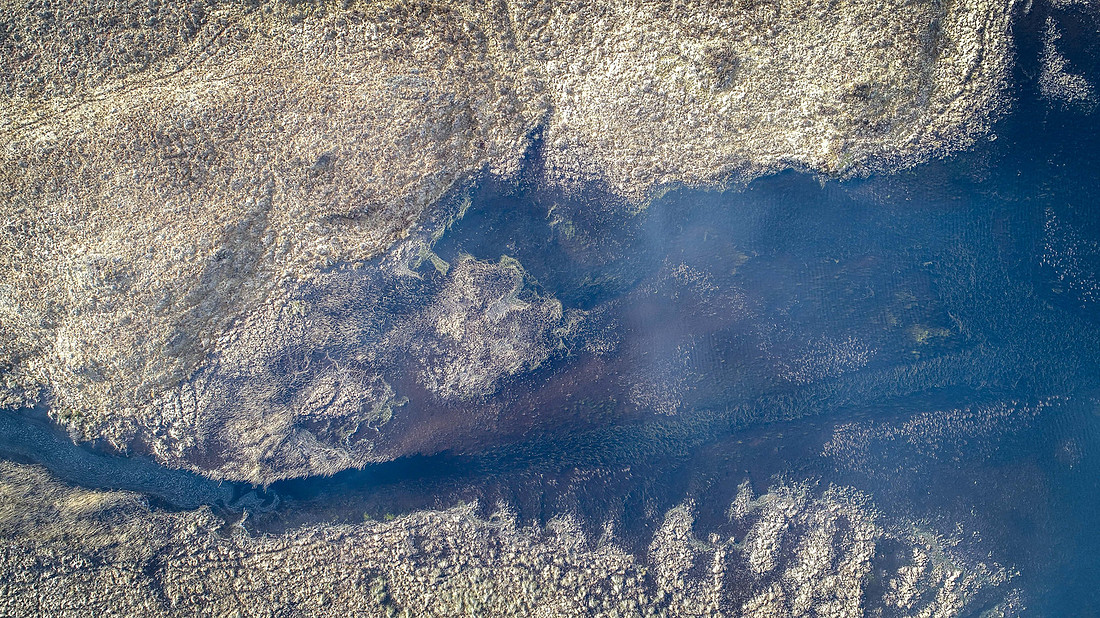
Colour and Creative Mood
For me, the colours of Ardnamurchan are emotional triggers. A grey sky over Sanna makes me contemplative. A golden sunset at Port na Carraidh fills me with energy. A misty morning in Glenborrodale invites introspection.
Goethe believed that colours could influence mood and behaviour. He associated blue with tranquility, red with passion, and green with balance. In Ardnamurchan, these associations hold true. The landscape becomes a palette not just of pigment, but of feeling.
This emotional resonance is what drives my photography and writing. It is why I return, again and again, to this place. The colours are not just seen—they are felt.
Conclusion: A Call to Reflection
Ardnamurchan is a place of colour. Not just in its landscape, but in its language, its weather, its wildlife, and its people. It is a place where colour is not decoration, but meaning.
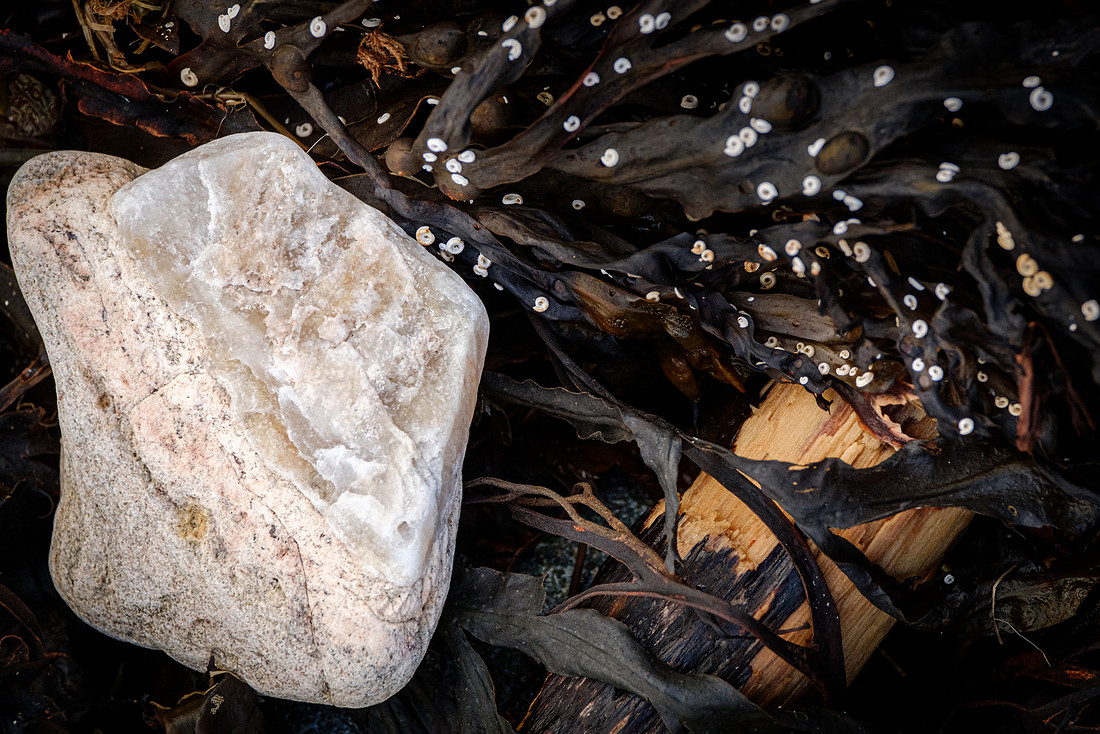
As you read this and view the accompanying images from my archive, I invite you to reflect:
- What colours speak to you most deeply?
- How does light change your perception of place?
- What emotional responses do you associate with different hues?
- Have you noticed the colours in your own landscape, and what do they say about your connection to it?
I welcome your thoughts, your reflections, and your stories. Let’s continue the conversation—here on the blog, through comments, or in person if our paths cross in Ardnamurchan.
Sources and Citations
- Goethe, Johann Wolfgang von. Theory of Colours. Translated by Charles Eastlake, 1840.
- Ardnamurchan Estate. “Wildlife and Seasons.” https://www.ardnamurchanestate.co.uk
- Mac an Tàilleir, Iain. Placenames. Scottish Parliament Gaelic Resources.
- GeoGuide Scotland. “Glossary of Ardnamurchan Place Names.” https://geoguide.scottishgeologytrust.org/p/egs_ardnamurchan/egs_ard_xappendix
- Beckah Newbould Art. Instagram @beccanewbouldart
- Steven Marshall Photography. Personal correspondence and blog reflections. https://www.smarshall-photography.com/